P0023 Code
Fix within a few daysThe engine computer detects an electrical problem with the exhaust camshaft timing actuator on Bank 2. This means the actuator circuit is open, preventing it from controlling the exhaust valve timing.
What Does P0023 Mean?
Code P0023 means an electrical open circuit in the Bank 2 exhaust VVT actuator. Common causes: Faulty VVT solenoid (70%), wiring damage (20%). Drivability: Limit driving, fix within a few days. Repair cost: $50-$200 DIY, $150-$500 professional.
Can I Drive With P0023?
Yes, for short trips only
Essential trips under 10 miles, avoid highways and heavy acceleration. Fix within a few days.
Stop driving immediately if: Flashing Check Engine Light, loud engine noises, burning smell, significant power loss, or engine stalling frequently.
What Are the Symptoms of P0023?
- 1Rough or unstable engine idle
- 2Reduced engine power or acceleration
- 3Decreased fuel economy
- 4Engine stalling, especially at low speeds
- 5Check Engine Light is on
What Causes P0023?
Parts most likely causing this code, ranked by probability
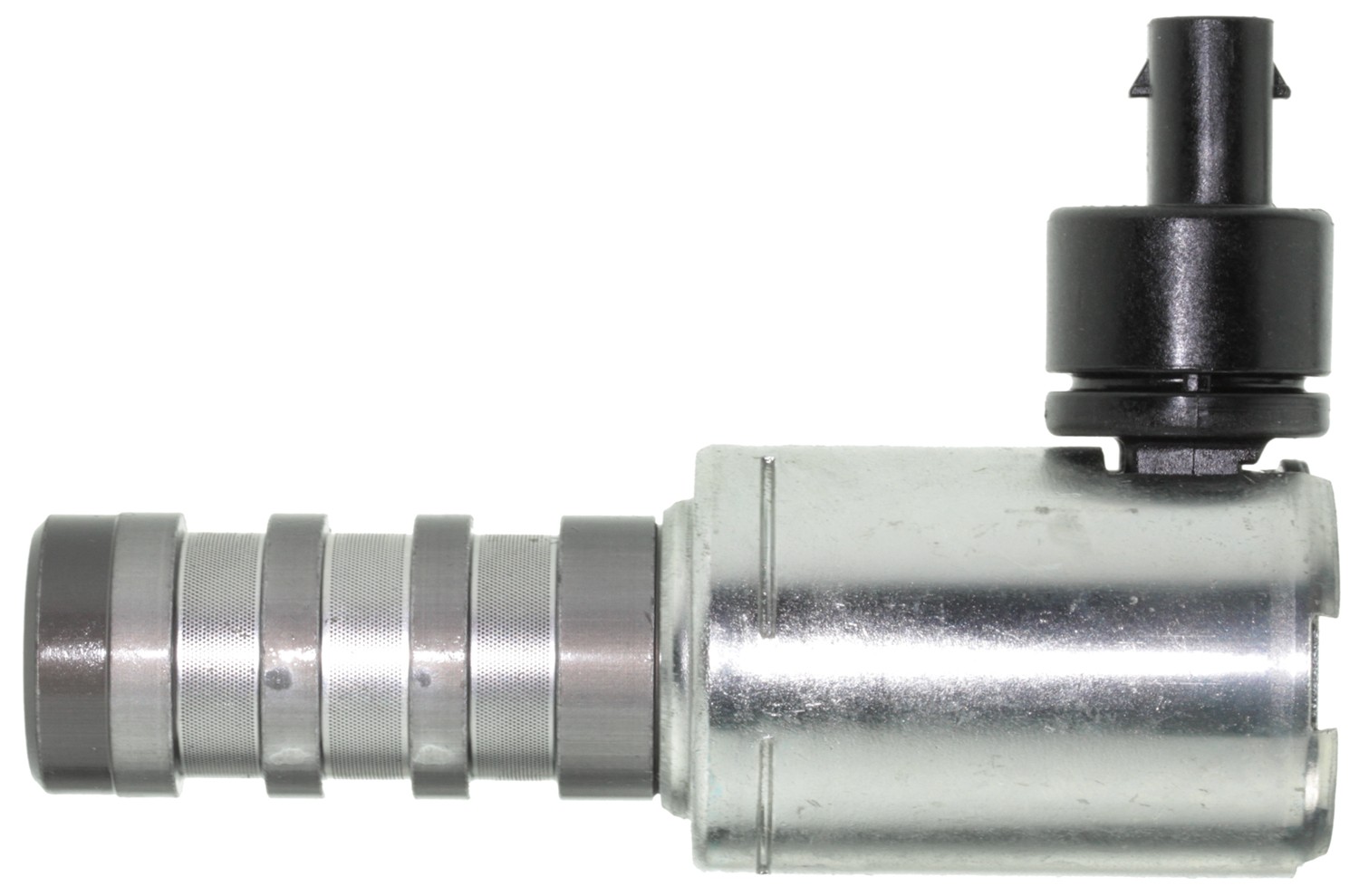
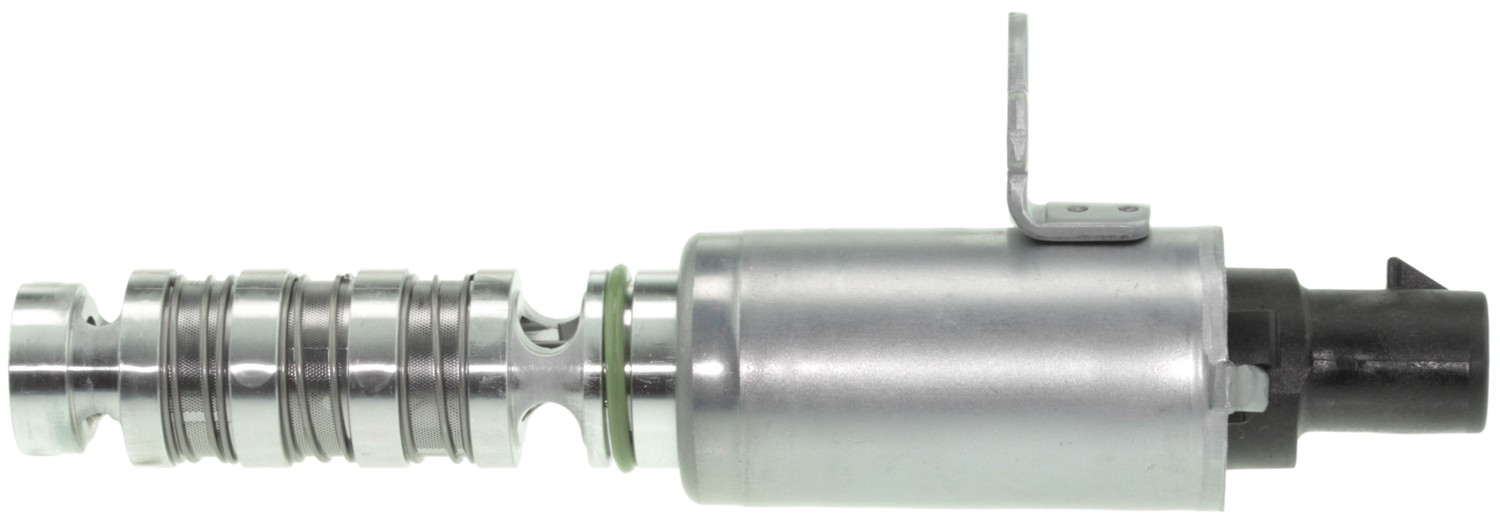
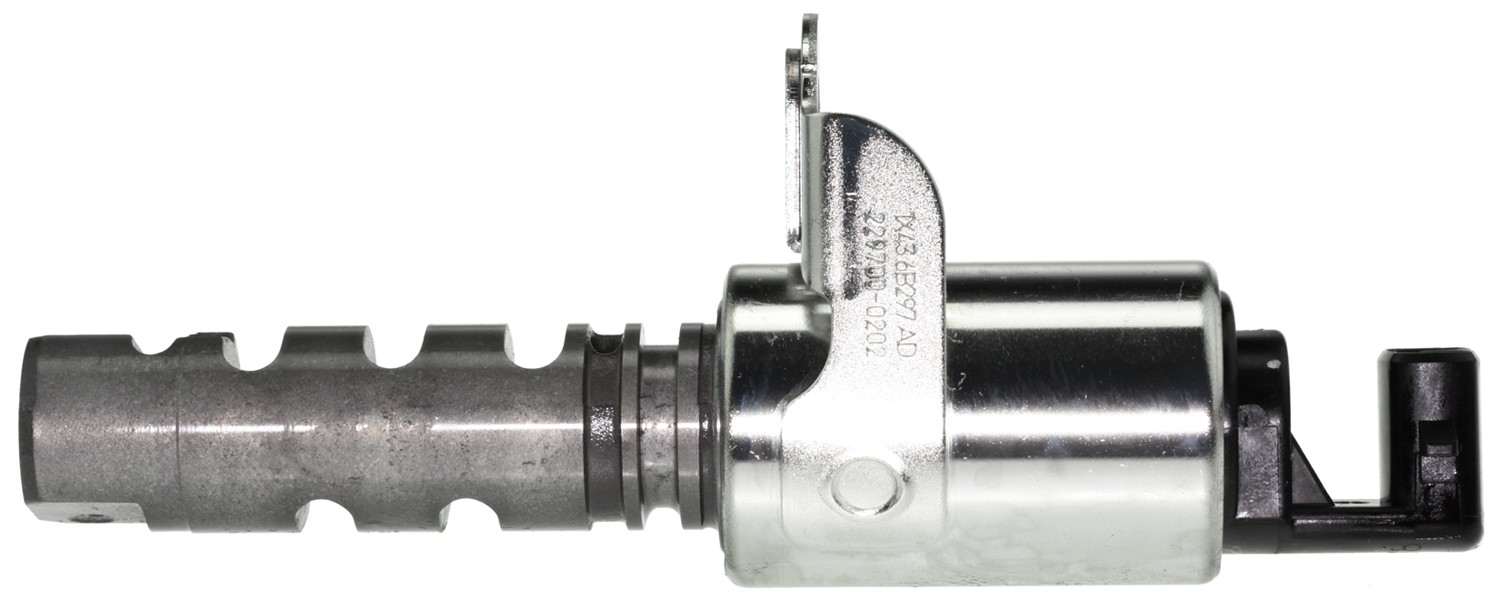
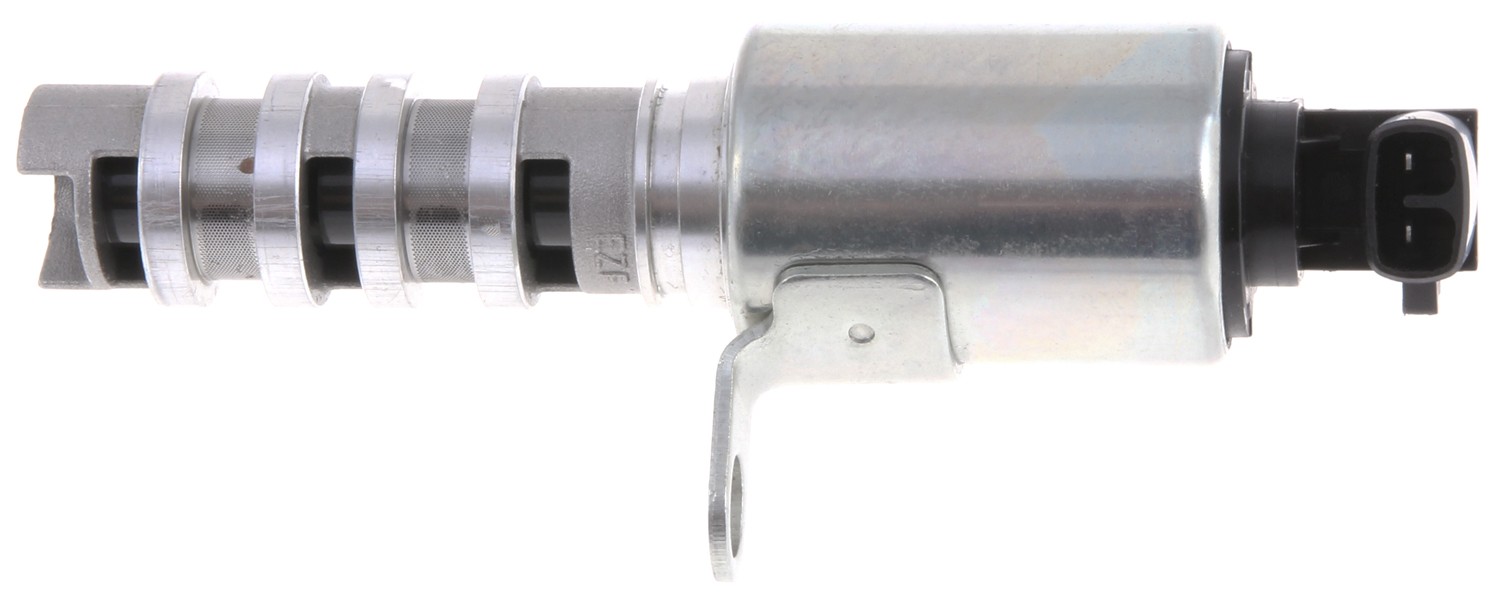
The variable valve timing (VVT) solenoid itself has an internal electrical open circuit, preventing it from operating correctly.
70% of P0023 cases are fixed by replacing this part
Damaged, corroded, or broken wires in the harness leading to the VVT solenoid create an open circuit.
20% of P0023 cases are fixed by repairing the wiring
A loose, corroded, or damaged electrical connector at the VVT solenoid prevents proper electrical contact.
8% of P0023 cases are fixed by repairing the connector
The engine computer has an internal fault in the driver circuit for the VVT solenoid, which is a rare occurrence.
2% of P0023 cases are fixed by replacing the ECM/PCM
Check These First (Before Buying Parts)
- Visually inspect the VVT solenoid's electrical connector and wiring for any signs of damage, corrosion, or a loose connection.
- Check your engine oil level and condition. Low or dirty oil can sometimes indirectly affect VVT operation, though P0023 is an electrical fault.
How to Diagnose P0023
- 1Visually inspect the VVT solenoid and its electrical connector on Bank 2 for any obvious damage, corrosion, or loose connections.
- 2Check the engine oil level and condition. Low or dirty oil can affect VVT operation, though P0023 is an electrical fault.
- 3Using a multimeter, test the resistance of the VVT solenoid. Compare it to factory specifications (usually 6-15 ohms). An open circuit (infinite resistance) confirms a faulty solenoid.
- 4With the engine off and key on, check for voltage at the VVT solenoid connector. You should see battery voltage on one wire.
- 5Check for continuity of the VVT solenoid control wire back to the ECM/PCM connector. Look for any breaks in the wire.
- 6If the solenoid tests faulty, replace it. If wiring/connector issues are found, repair them.
How Do I Fix P0023 on My Vehicle?
Toyota Camry
2007-2024P0023 on Camry models frequently indicates a failed VVT-i exhaust solenoid. Ensure engine oil is clean and at the correct level, as sludge can contribute to solenoid failure.
75% fixed by replacing the VVT solenoid
Shop for Toyota CamryHonda Accord
2003-2024Honda's VTEC system can trigger P0023. The exhaust VTEC oil control solenoid on Bank 2 is a common culprit. Check the electrical connector for corrosion, especially on older models.
70% fixed by replacing the VVT solenoid
Shop for Honda AccordFord F-150
2004-2024Ford's VCT (Variable Cam Timing) solenoids are known to fail on F-150s, particularly on V6 and V8 engines. P0023 points to the exhaust VCT solenoid on Bank 2. Wiring damage from rodent chewing is also a possibility.
65% fixed by replacing the VVT solenoid
Shop for Ford F-150Frequently Asked Questions
What does P0023 mean?
P0023 indicates an electrical open circuit in the Variable Valve Timing (VVT) exhaust camshaft actuator on Bank 2. This means the engine computer cannot electrically control the exhaust valve timing for that bank.
Can I drive with P0023?
Yes, for short trips only. You will experience reduced engine performance and fuel economy. Prolonged driving with this code can lead to further engine issues or catalytic converter damage.
Will P0023 clear itself?
No, P0023 will not clear itself. An electrical open circuit requires a physical repair or replacement of the faulty component. The Check Engine Light will remain on until the issue is resolved and the code is cleared.
How do I fix P0023 myself?
Start by visually inspecting the VVT solenoid and its wiring for damage. If the wiring is good, test the resistance of the solenoid with a multimeter. If it shows an open circuit, replace the VVT solenoid for Bank 2 exhaust. Clear the code afterward.
How much does it cost to fix P0023?
DIY repair costs range from $50-$200 for a new VVT solenoid. Professional repair costs typically range from $150-$500, including parts and 1-2 hours of labor.
P0023 keeps coming back - why?
If P0023 returns, it means the initial repair did not address the root cause. This often happens if the wiring harness or connector was overlooked, or if the engine computer itself has a rare internal fault. Ensure you tested the wiring thoroughly.
Will P0023 fail emissions/smog test?
Yes, P0023 will cause your vehicle to fail an emissions or smog test. The Check Engine Light being on is an automatic failure in most jurisdictions, and the VVT system directly impacts emissions.
What's the difference between P0023 and P0020?
P0023 specifically refers to an electrical open circuit in the 'B' (exhaust) camshaft position actuator on Bank 2. P0020 is a more general code indicating a circuit malfunction for the 'B' camshaft position actuator on Bank 2, which could be an open, short, or range/performance issue.
P0023 on Toyota Camry
On Toyota Camry models, P0023 often points to a faulty VVT-i exhaust solenoid on Bank 2. These solenoids can fail electrically or become clogged with dirty engine oil. Always check oil level and condition first, then test the solenoid's electrical resistance.
Questions to Ask Your Mechanic
Did you test the resistance of the Bank 2 exhaust VVT solenoid?
Good answer: Yes, I measured it at [X] ohms, which is outside the factory specification, indicating an internal open circuit. Or, 'It measured within spec, so I moved on to checking the wiring.'
What did you find when checking the wiring harness and connector for the solenoid?
Good answer: I found no visible damage or corrosion, and confirmed continuity from the connector back to the ECM/PCM. Or, 'I found a frayed wire near the connector, which I repaired.'
Repair Cost Estimate
DIY Repair
Parts only
$50-$200
Shop Repair
Parts + labor
$150-$500
Save $100-$300 by doing it yourself
Difficulty
intermediate
Time
1-2 hours
Intermediate - requires basic electrical testing with a multimeter and careful handling of engine components.
Cost of Waiting
Ignoring P0023 can lead to continued poor fuel economy, reduced engine power, and potentially cause misfires. Misfires send unburned fuel to your catalytic converter, which can overheat and fail. A $100 solenoid job becomes a $1,200-$2,500 catalytic converter replacement.
While You're In There...
If your engine oil is dirty or low, it can contribute to VVT solenoid issues. Replacing it ensures proper lubrication and function of the new solenoid.
Tools You'll Need
- Basic hand tools (sockets, wrenches)
- Multimeter
- Screwdriver set
- Engine oil (if low or dirty)
Related Codes
The engine computer detects an electrical problem with the intake camshaft position actuator circuit on engine bank 2.
Your engine's computer detects that the intake camshaft on Bank 2 is too far advanced or not responding correctly to timing adjustments.
The engine's computer detects that the intake camshaft on Bank 2 is stuck in a retarded (late) position, meaning it's not adjusting its timing as commanded.
The engine computer detects an electrical problem with the intake camshaft position actuator (VVT solenoid) on Bank 1. This means the circuit is open or has a fault, preventing the computer from controlling the camshaft timing.
Your engine's computer detected that the camshaft on Bank 1 (the side with cylinder #1) is too far advanced, or not moving correctly, affecting valve timing.
The engine's computer detected that the intake camshaft on Bank 1 is not advancing or retarding its timing as commanded, specifically it's stuck too far in the 'retarded' position. This means the engine isn't getting the right valve timing for optimal performance and efficiency.
P0023 is a common engine code related to variable valve timing. Most repairs involve replacing an accessible solenoid, and your engine will regain its full performance and efficiency afterward.
- Family-owned since 1957
- 990,000+ happy customers
- Fast nationwide shipping
- Easy returns
Your Next Steps
Step 1: Visually inspect the Bank 2 exhaust VVT solenoid and its electrical connector. Look for frayed wires, corrosion, or a loose plug.
Step 2: If the visual inspection is clear, use a multimeter to test the resistance of the VVT solenoid. If it shows an open circuit (infinite resistance), replace the solenoid.
Step 3: If the solenoid tests good, check for voltage at the connector and continuity of the wiring back to the ECM/PCM. Repair any wiring issues found.