P0046 Code
Fix within a few daysYour engine's computer detected a problem with the electrical circuit for the turbocharger or supercharger boost control solenoid, specifically for Bank 1 Sensor A. This means the system isn't controlling boost pressure as it should.
What Does P0046 Mean?
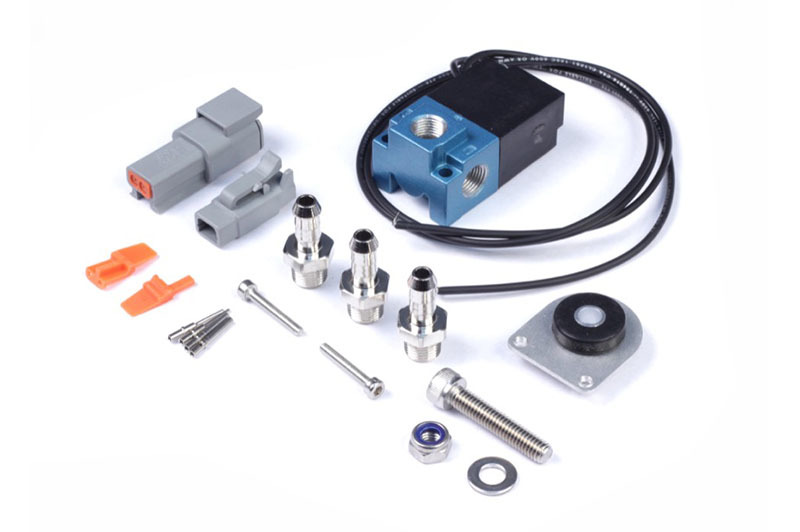
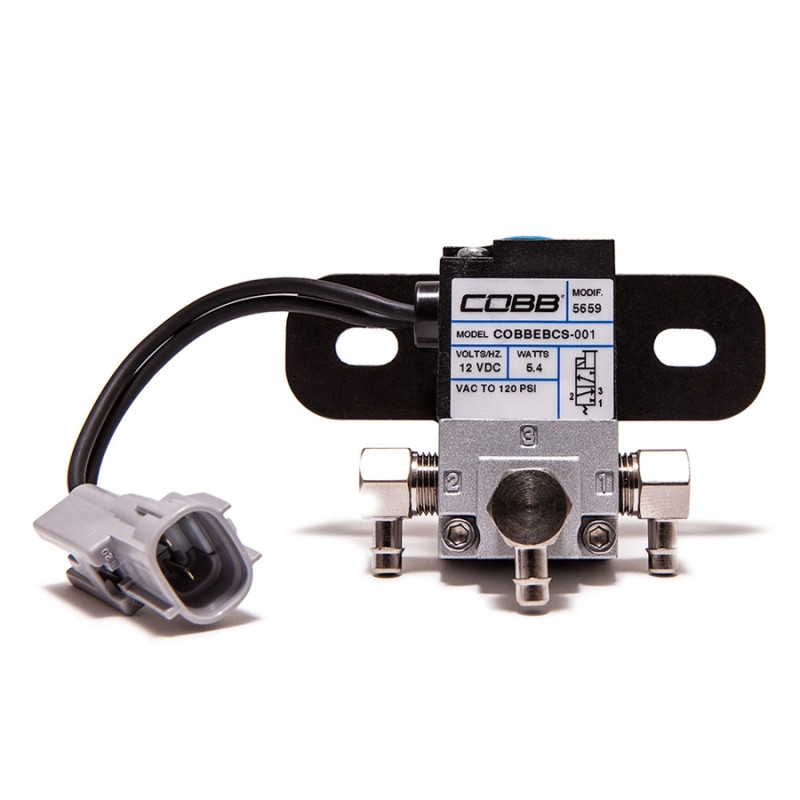
Code P0046 means your turbo/supercharger boost control solenoid circuit has a performance issue. Common causes: Faulty boost control solenoid (70%), wiring problems (20%). Drivability: Limit driving, fix within a few days. Repair cost: $50-$250 DIY, $150-$700 professional.
Can I Drive With P0046?
Limit driving, fix within a few days
Essential trips under 10 miles, avoid highways and heavy acceleration. Drive gently.
Stop driving immediately if: Flashing CEL, loud engine noises, burning smell, significant power loss, or any signs of engine overheating.
What Are the Symptoms of P0046?
- 1Check Engine Light is on
- 2Reduced engine power or 'limp mode'
- 3Poor acceleration
- 4Engine may make unusual whistling or hissing noises
- 5Engine may run rough or hesitate
What Causes P0046?
Parts most likely causing this code, ranked by probability
The solenoid itself has failed internally, preventing proper control of the turbocharger's wastegate or supercharger's bypass valve.
70% of P0046 cases are fixed by replacing this part
Damaged, corroded, or loose wiring and connectors to the boost control solenoid prevent the correct electrical signal from reaching the component.
20% of P0046 cases are fixed by repairing wiring or connectors
A mechanically stuck wastegate actuator or internal turbocharger issue can cause the boost control solenoid circuit to report an out-of-range condition, even if the solenoid itself is functional.
8% of P0046 cases are fixed by addressing wastegate or turbocharger issues
A rare internal fault within the engine's computer can incorrectly report a problem with the boost control solenoid circuit.
2% of P0046 cases are fixed by replacing the ECM/PCM
Check These First (Before Buying Parts)
- Visually inspect the electrical connector to the boost control solenoid for any looseness, corrosion, or damage.
- Check all vacuum lines connected to the boost control solenoid and the turbocharger's wastegate actuator for cracks, kinks, or disconnections.
How to Diagnose P0046
- 1Visually inspect the boost control solenoid and its electrical connector for any obvious damage, corrosion, or loose connections.
- 2Check the vacuum lines connected to the boost control solenoid and wastegate actuator for cracks, leaks, or disconnections.
- 3Using a multimeter, test the resistance of the boost control solenoid. Compare to manufacturer specifications.
- 4With a scan tool, monitor boost pressure and the commanded duty cycle of the boost control solenoid while the engine is running.
- 5Manually apply vacuum or pressure to the wastegate actuator to ensure it moves freely and holds pressure/vacuum.
How Do I Fix P0046 on My Vehicle?
Ford F-150
2011-2024EcoBoost engines are prone to boost control solenoid failures. The solenoid can become sluggish or fail electrically, leading to P0046. Vacuum lines to the wastegate actuator should also be checked.
75% fixed by replacing the boost control solenoid
Shop for Ford F-150Subaru Forester XT
2004-2018Subaru's turbocharged engines, including the Forester XT, frequently experience issues with their boost control solenoids (often called the 'restrictor pill' or 'EBCS'). Wiring integrity and vacuum line routing are critical.
70% fixed by replacing the boost control solenoid
Shop for Subaru Forester XTChevrolet Cruze
2011-2019The 1.4L and 1.8L turbocharged Ecotec engines in the Cruze can trigger P0046 due to boost control solenoid failure or issues with the vacuum lines and wastegate actuator. Inspecting for vacuum leaks is a crucial first step.
65% fixed by replacing the boost control solenoid
Shop for Chevrolet CruzeFrequently Asked Questions
What does P0046 mean?
P0046 indicates that your vehicle's engine computer has detected an electrical circuit problem with the boost control solenoid for your turbocharger or supercharger. This solenoid is critical for regulating boost pressure.
Can I drive with P0046?
Limit driving, fix within a few days. Driving with P0046 can lead to reduced engine power and potentially cause further damage to your turbocharger or engine if boost pressure is not properly controlled. Avoid aggressive driving and long trips.
Will P0046 clear itself?
No, P0046 will not clear itself. This code indicates a persistent electrical or mechanical fault that requires diagnosis and repair. The Check Engine Light will remain on until the underlying issue is resolved.
How do I fix P0046 myself?
Start by inspecting the boost control solenoid's wiring and vacuum lines for damage. If they look good, you can test the solenoid's resistance with a multimeter. If the solenoid is faulty, replacing it is a common DIY fix. Ensure you have the correct part for your specific vehicle.
How much does it cost to fix P0046?
DIY repair costs for P0046 typically range from $50 to $250 for a new boost control solenoid. Professional repair at a shop will cost between $150 and $700, including parts and labor.
P0046 keeps coming back - why?
If P0046 keeps returning, it often means the initial repair didn't address the root cause. This could be due to a persistent wiring issue, a faulty wastegate actuator that wasn't checked, or a rare problem with the engine's computer itself. A thorough diagnostic using a scan tool is necessary.
Will P0046 fail emissions/smog test?
Yes, P0046 will cause your vehicle to fail an emissions or smog test. The Check Engine Light being on is an automatic failure in most jurisdictions, and a fault in the boost control system can directly impact engine performance and emissions.
What's the difference between P0046 and P0045?
P0046 indicates a 'Range/Performance' issue with the boost control solenoid circuit, meaning the signal is present but out of expected parameters or not performing correctly. P0045 indicates an 'Open Circuit' for the same solenoid, meaning there's no electrical signal at all, often due to a broken wire or completely dead solenoid.
P0046 on Ford F-150?
P0046 is a common code on Ford F-150s with EcoBoost engines. The boost control solenoid (often called a wastegate solenoid) is a frequent failure point. Inspecting the vacuum lines and the solenoid itself is the first step. Replacement is a common fix for this issue on these trucks.
Questions to Ask Your Mechanic
Did you test the resistance of the boost control solenoid and compare it to factory specifications?
Good answer: Yes, the solenoid measured X ohms, and the spec is Y ohms. It's out of range/within range.
Have you checked the wiring harness and connector to the boost control solenoid for continuity and corrosion?
Good answer: Yes, I performed a wiggle test and checked for voltage drop. All connections are solid, and there's no corrosion.
Did you verify the wastegate actuator moves freely and holds vacuum/pressure?
Good answer: Yes, I applied vacuum/pressure to the actuator, and it moved smoothly through its full range and held the vacuum/pressure without leaking.
Repair Cost Estimate
DIY Repair
Parts only
$50-$250
Shop Repair
Parts + labor
$150-$700
Save $100-$450 by doing it yourself
Difficulty
intermediate
Time
1-3 hours
Intermediate - Requires basic hand tools, a multimeter, and ideally an OBD-II scan tool capable of live data monitoring. Access to the solenoid can be challenging on some vehicles.
Cost of Waiting
Ignoring P0046 can lead to uncontrolled boost pressure, which can severely damage your turbocharger ($800-$2,500 repair) or even cause catastrophic engine failure. A $100 solenoid fix now prevents a multi-thousand dollar repair later.
While You're In There...
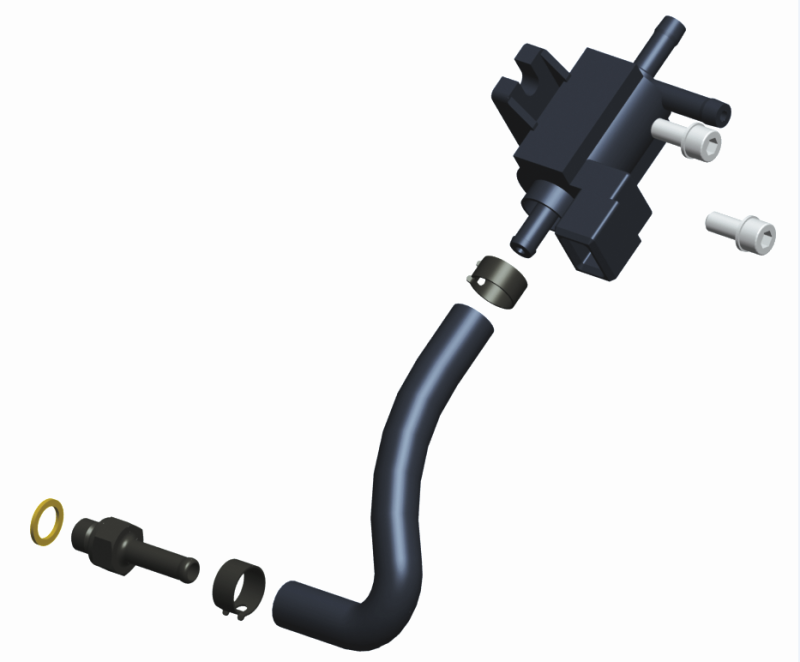
If you're replacing the boost control solenoid, it's smart to replace any old, brittle, or cracked vacuum lines that connect to it and the wastegate actuator. They wear out over time and are critical for proper boost control.
While not directly causing P0046, a faulty boost sensor can sometimes provide incorrect readings that confuse the PCM. If accessible during the solenoid replacement, it's a good time to inspect or clean it.
Tools You'll Need
- OBD-II Scan Tool
- Multimeter
- Basic Socket/Wrench Set
- Screwdrivers
- Vacuum Pump (if applicable for wastegate testing)
- Wire Strippers/Crimpers (if wiring repair is needed)
Related Codes
The engine computer has detected an open circuit in the turbocharger or supercharger boost control solenoid.
The engine computer detects a low voltage condition in the circuit for your turbocharger or supercharger boost control solenoid.
Your engine computer detected a high voltage signal in the electrical circuit for the turbocharger or supercharger boost control solenoid. This solenoid controls how much boost your turbo or supercharger makes.
Engine Overboost Condition
Your engine's turbocharger or supercharger is not producing enough boost pressure.
P0046 is a common code on turbocharged vehicles. Most repairs involve replacing a relatively inexpensive solenoid, and your engine will regain its full power and efficiency afterward.
- Family-owned since 1957
- 990,000+ happy customers
- Fast nationwide shipping
- Easy returns
Your Next Steps
Step 1: Perform a thorough visual inspection of the boost control solenoid, its electrical connector, and all associated vacuum lines. Look for any obvious damage, corrosion, or disconnections.
Step 2: If the visual inspection doesn't reveal the issue, use a multimeter to test the resistance of the boost control solenoid. Compare the reading to your vehicle's service manual specifications. If it's out of spec, replace the solenoid.
Step 3: If the solenoid tests good, use an advanced scan tool to monitor live data, specifically boost pressure and the commanded duty cycle of the boost control solenoid. This helps determine if the PCM is commanding the solenoid correctly and if the turbo is responding. You may also need to test the wastegate actuator's mechanical function.