P0077 Code
Fix within a few daysThe engine's computer has detected a higher-than-expected voltage in the circuit for the Intake Valve Control Solenoid on Bank 1.
What Does P0077 Mean?
Code P0077 means your engine's variable valve timing solenoid circuit on Bank 1 has a high voltage signal. Common causes: faulty VVT solenoid (70%), wiring issues (20%). Drivability: Yes, for short trips only. Repair cost: $50-$200 DIY, $150-$500 professional.
Can I Drive With P0077?
Yes, for short trips only
Essential trips under 10 miles, avoid highways and heavy acceleration.
Stop driving immediately if: Flashing CEL, loud engine noises, significant power loss, engine stalling.
What Are the Symptoms of P0077?
- 1Check Engine Light is on
- 2Rough idle or stalling
- 3Reduced engine power
- 4Poor fuel economy
- 5Engine may run louder than usual
What Causes P0077?
Parts most likely causing this code, ranked by probability
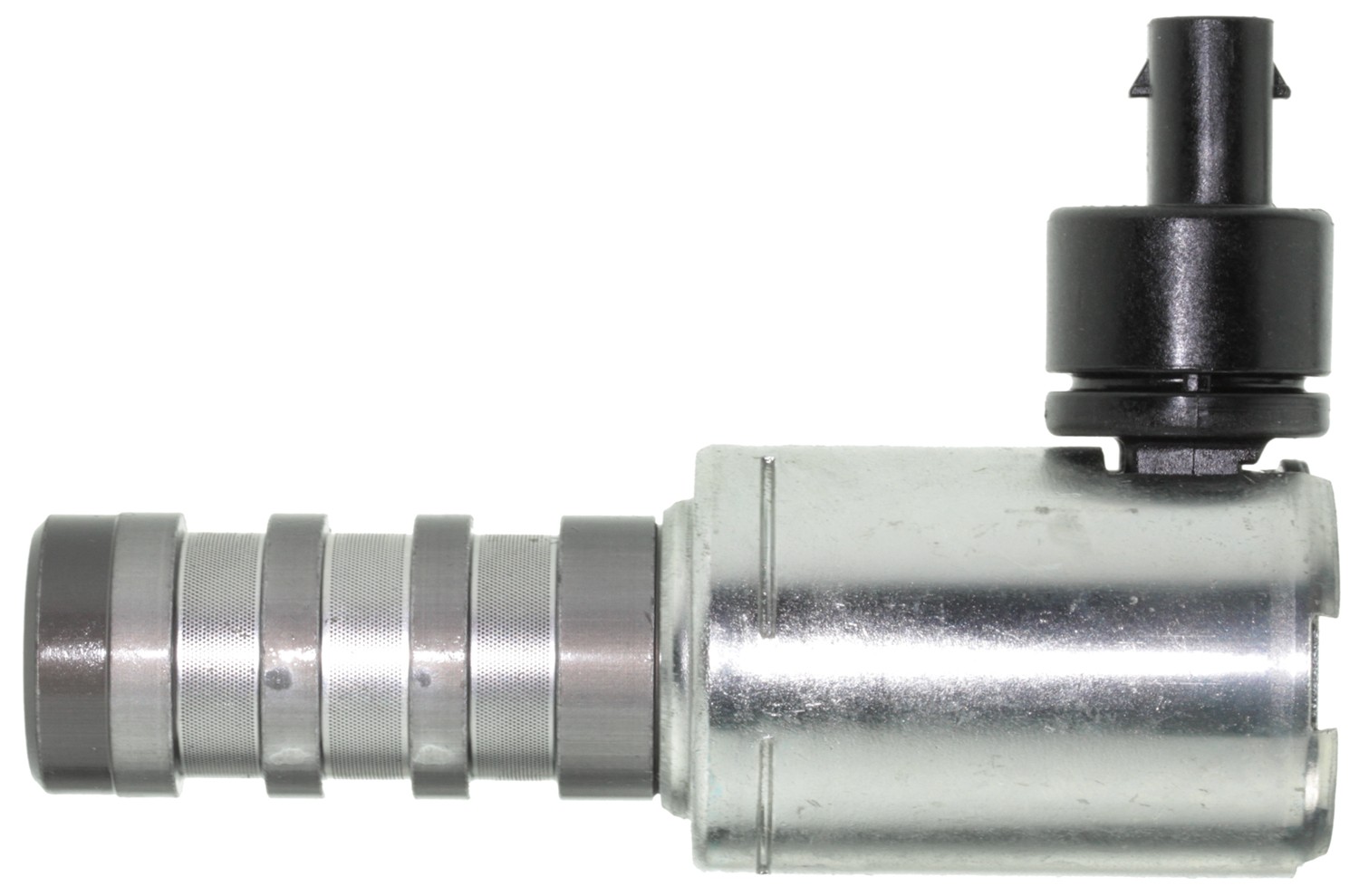
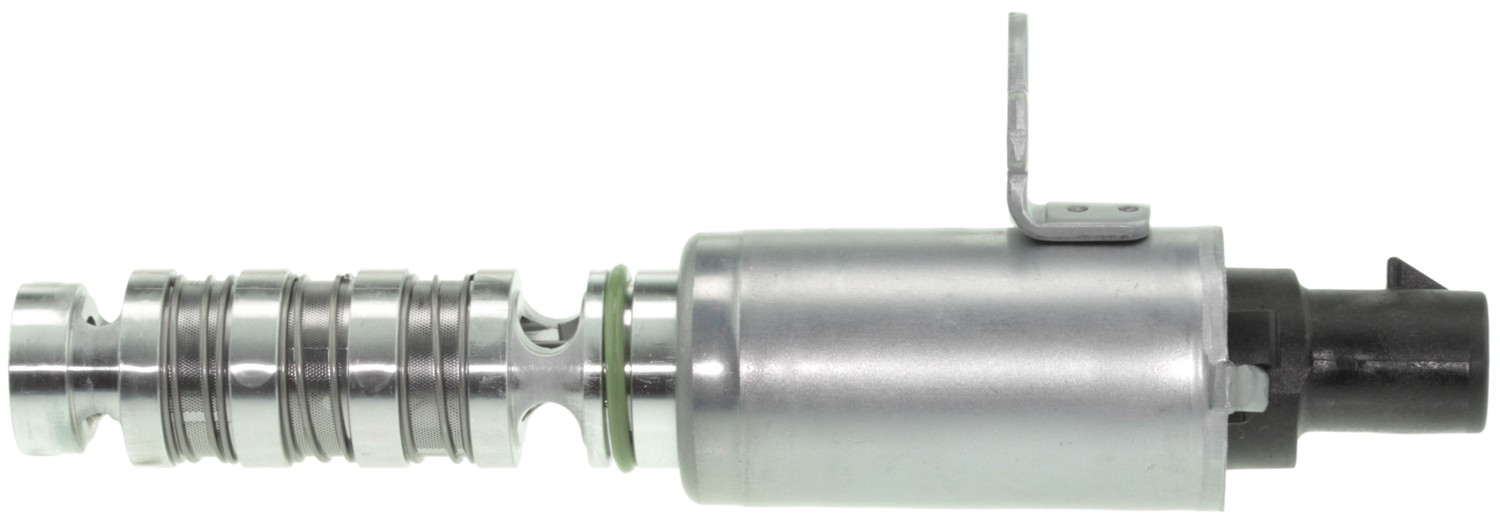
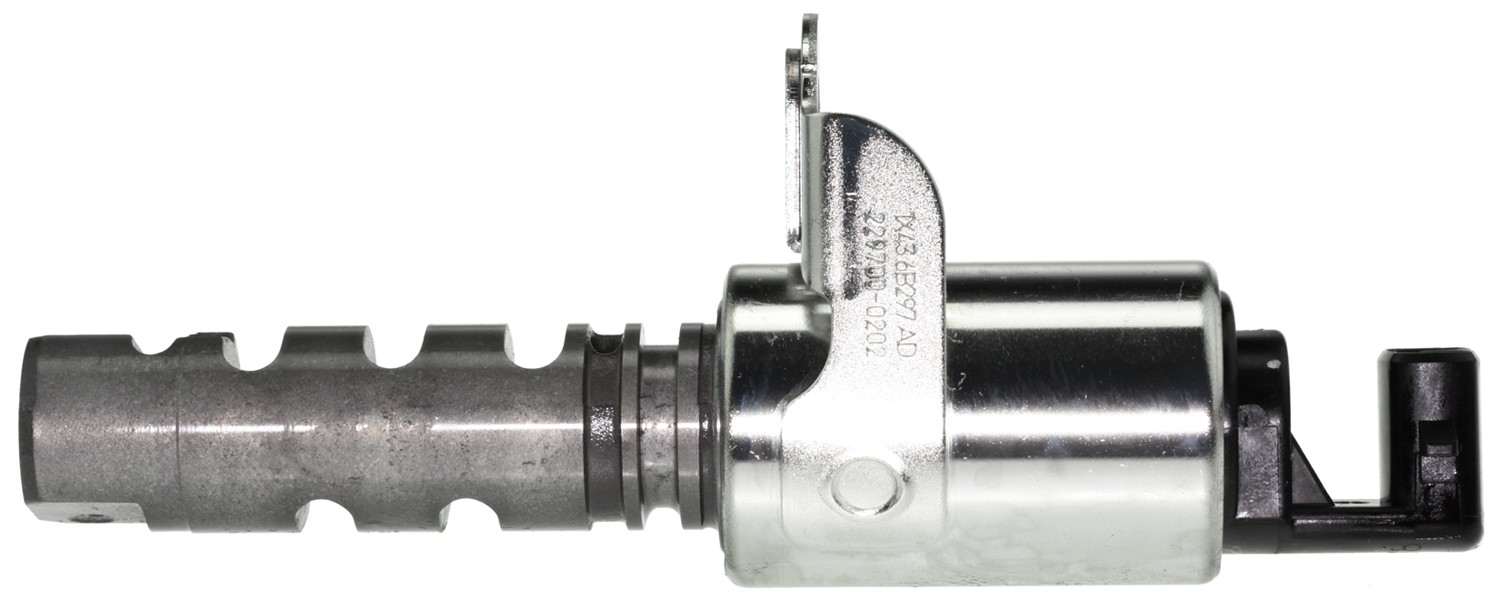
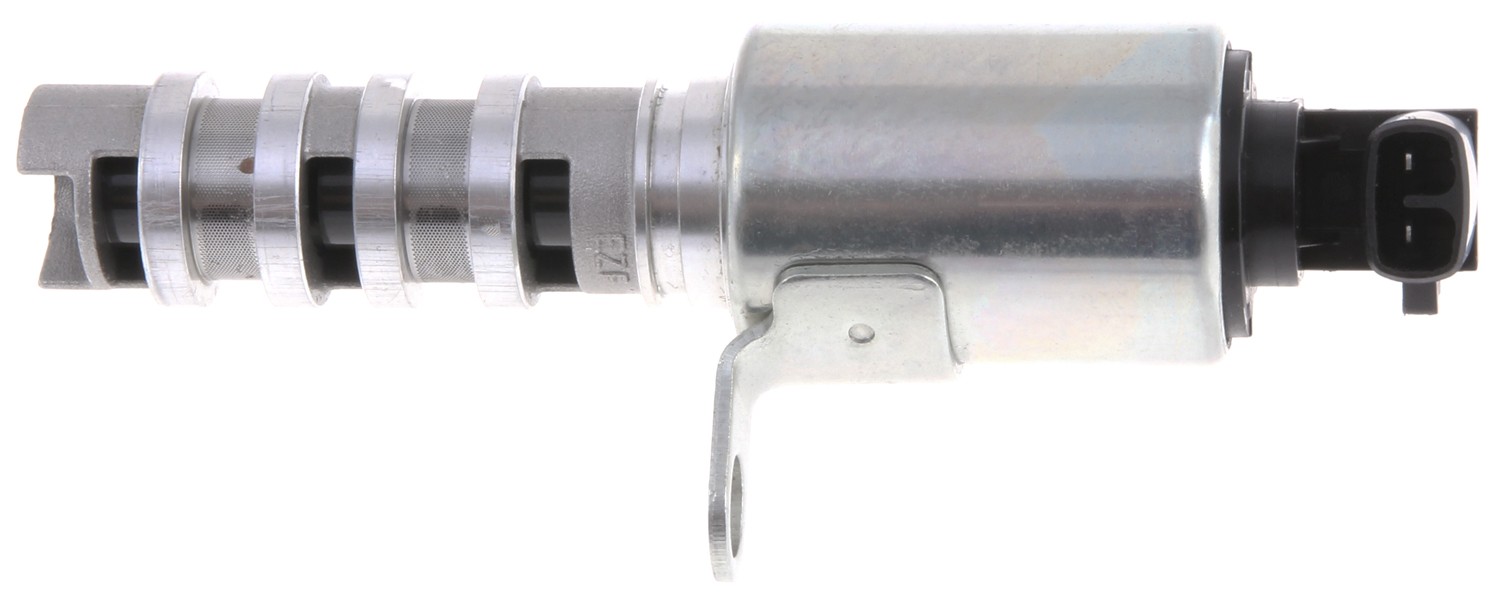
The VVT solenoid controls oil flow to adjust camshaft timing, and an electrical circuit high condition means the PCM detects a voltage higher than expected.
70% of P0077 cases are fixed by replacing this part
Damaged, corroded, or loose wiring to the VVT solenoid can cause an intermittent or constant high circuit signal.
20% of P0077 cases are fixed by repairing wiring or connectors
Insufficient oil pressure or clogged oil passages due to dirty oil can prevent the solenoid from operating correctly, leading to circuit issues.
8% of P0077 cases are resolved by addressing oil level or quality
Internal PCM failure can cause incorrect voltage readings or control signals for the VVT system.
2% of P0077 cases are fixed by replacing the ECM/PCM
Check These First (Before Buying Parts)
- Check engine oil level and condition. Ensure it's full and clean.
- Visually inspect the VVT solenoid's electrical connector and wiring for any signs of damage, corrosion, or looseness.
How to Diagnose P0077
- 1Check engine oil level and condition. Top off or change if necessary.
- 2Visually inspect the VVT solenoid wiring harness and connector for damage, corrosion, or loose connections.
- 3Disconnect the VVT solenoid and check its electrical resistance with a multimeter. Compare to factory specifications.
- 4Apply battery voltage directly to the solenoid (briefly) to check for an audible click, indicating it's actuating.
- 5Inspect the VVT solenoid's oil screen for clogs or debris.
- 6If the solenoid tests good, use a scan tool to monitor VVT solenoid circuit voltage and command its operation.
How Do I Fix P0077 on My Vehicle?
Toyota Camry
2007-2024P0077 is a common code on 4-cylinder Camry engines (2.4L, 2.5L). The VVT-i oil control valve (solenoid) is a frequent failure point, often due to internal electrical failure or clogging from infrequent oil changes.
75% fixed by replacing the VVT Solenoid
Shop for Toyota CamryHonda Accord
2003-2024Honda's VTEC system can also trigger P0077. Similar to Toyota, the VTEC oil control solenoid can fail electrically or become clogged. Ensure proper oil level and quality.
65% fixed by replacing the VVT Solenoid
Shop for Honda AccordFord F-150
2004-2024On V8 F-150 engines, P0077 can point to issues with the VCT (Variable Cam Timing) solenoid. These solenoids can fail electrically or get stuck due to oil sludge.
70% fixed by replacing the VVT Solenoid
Shop for Ford F-150Frequently Asked Questions
What does P0077 mean?
P0077 indicates the engine's computer (PCM) has detected a higher-than-expected voltage in the circuit for the Intake Valve Control Solenoid (also known as the Variable Valve Timing or VVT solenoid) on Bank 1. This solenoid controls oil flow to adjust camshaft timing.
Can I drive with P0077?
Yes, for short trips only. You will experience reduced engine performance, poor fuel economy, and possibly a rough idle. Prolonged driving can lead to increased wear on engine components or further damage if the issue is related to oil pressure or severe timing problems.
Will P0077 clear itself?
No, P0077 will not clear itself. The engine's computer stores this code until the underlying electrical or mechanical issue is resolved and the system passes its self-test. You will need to fix the problem and then clear the code with a scan tool.
How do I fix P0077 myself?
Start by checking your engine oil level and condition. Then, inspect the wiring and connector to the VVT solenoid for damage. If those are good, you will likely need to replace the VVT solenoid itself. This usually involves removing one bolt and pulling the old solenoid out, then installing the new one.
How much does it cost to fix P0077?
A DIY fix for P0077 typically costs $50-$200 for a new VVT solenoid. If you take it to a professional mechanic, expect to pay $150-$500, which includes parts and labor.
P0077 keeps coming back - why?
If P0077 returns, it's often due to an overlooked wiring issue, a clogged oil passage that wasn't cleared, or a deeper engine problem affecting oil pressure. Ensure the new solenoid is functioning correctly and that the electrical connection is solid.
Will P0077 fail emissions/smog test?
Yes, P0077 will cause your vehicle to fail an emissions or smog test. The Check Engine Light being on is an automatic failure in most jurisdictions, and the variable valve timing system is a critical component monitored for emissions compliance.
What's the difference between P0077 and P0076?
P0077 indicates a "high" circuit condition for the Intake Valve Control Solenoid on Bank 1, meaning the PCM detects too much voltage. P0076 indicates a "low" circuit condition for the same solenoid, meaning the PCM detects too little voltage. Both point to an electrical issue with the solenoid or its wiring.
P0077 on Toyota Camry?
P0077 is common on Toyota Camry models, especially those with the 2.4L or 2.5L 4-cylinder engines. The VVT-i oil control valve (solenoid) can become clogged with oil sludge or fail electrically. Regular oil changes with the correct viscosity oil are crucial for preventing this.
Questions to Ask Your Mechanic
Did you check the engine oil level and condition before diagnosing the VVT solenoid?
Good answer: Yes, the first thing we did was confirm the oil level was correct and the oil wasn't excessively sludged. We also checked for proper oil pressure.
What was the resistance reading of the VVT solenoid, and how does it compare to factory specifications?
Good answer: We measured the resistance at X ohms, and the factory spec is Y ohms. It was outside the acceptable range, indicating an internal electrical fault.
Repair Cost Estimate
DIY Repair
Parts only
$50-$200
Shop Repair
Parts + labor
$150-$500
Save $100-$300 by doing it yourself
Difficulty
intermediate
Time
1-2 hours
Intermediate - requires basic hand tools, a multimeter for testing, and some familiarity with engine components.
Cost of Waiting
Ignoring P0077 can lead to continued poor fuel economy and reduced engine power. If the VVT system is stuck in an unfavorable position, it can cause increased wear on engine components over time. A $50-$200 solenoid replacement now prevents potential long-term engine damage.
While You're In There...
The VVT system relies heavily on clean engine oil. If the oil is dirty or low, it can contribute to solenoid failure or clogging. It's good practice to ensure the system has fresh, clean oil.
If the VVT solenoid is located under the valve cover or requires its removal for access, replacing the gasket prevents future oil leaks and saves on labor.
Tools You'll Need
- Basic hand tools (sockets, wrenches)
- Multimeter
- Engine oil (if low or dirty)
- Scan tool (to clear code and monitor data)
Related Codes
The engine computer detects an electrical problem in the intake valve control solenoid circuit for Bank 1. This solenoid controls the variable valve timing (VVT) system.
The engine computer detects a low voltage condition in the circuit for the intake valve control solenoid on Bank 1, Camshaft A. This solenoid controls the variable valve timing for the intake valves.
Exhaust Variable Valve Timing (VVT) Solenoid Circuit Malfunction (Bank 1)
Exhaust Valve Control Solenoid Circuit Low (Bank 1)
P0077 is a common engine code related to variable valve timing. Most repairs involve replacing an accessible solenoid and are straightforward, restoring your engine's performance and fuel economy.
- Family-owned since 1957
- 990,000+ happy customers
- Fast nationwide shipping
- Easy returns
Your Next Steps
Step 1: Check your engine oil level and condition. If it's low, top it off. If it's dirty or sludged, perform an oil and filter change.
Step 2: Visually inspect the wiring harness and electrical connector leading to the VVT solenoid on Bank 1. Look for frayed wires, corrosion, or loose connections. Repair any damage found.
Step 3: If the wiring and oil are good, disconnect the VVT solenoid and test its resistance with a multimeter. Compare the reading to your vehicle's service manual specifications. If it's out of spec, replace the VVT solenoid.