P0107 Code
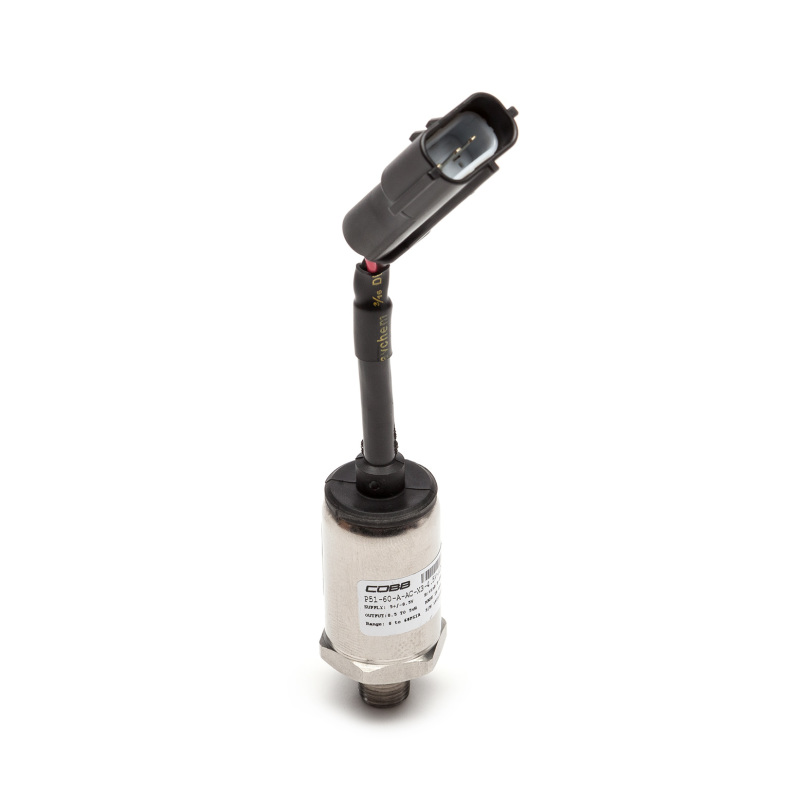
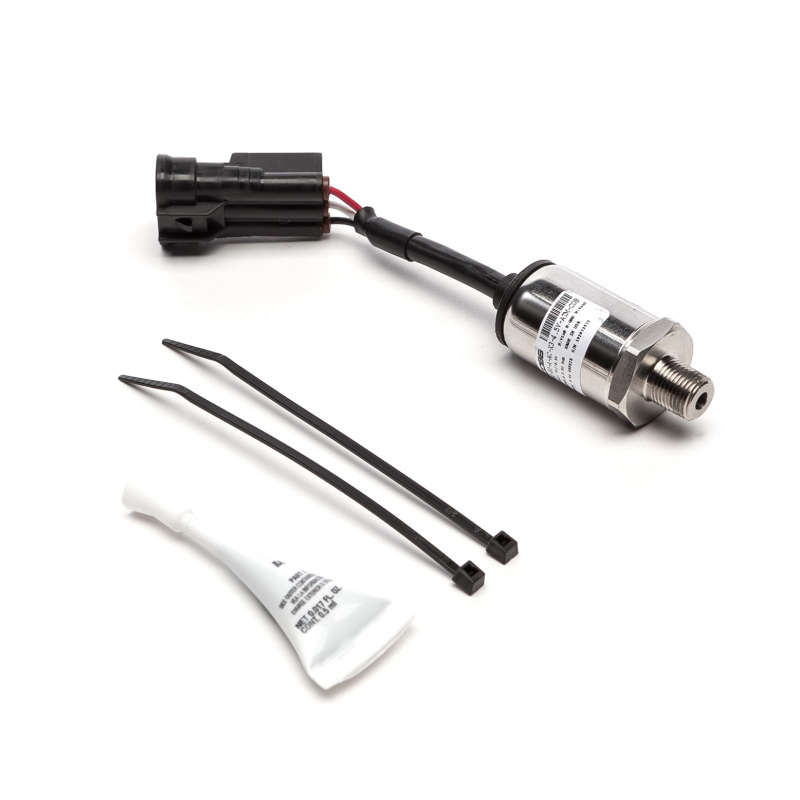
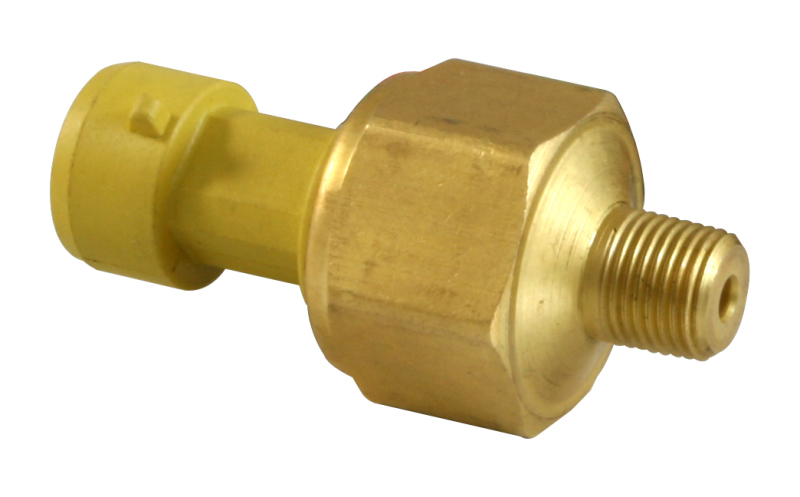
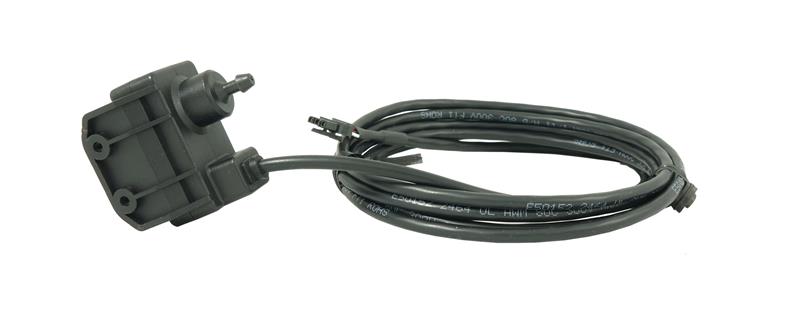
Fix within a few daysThe Manifold Absolute Pressure (MAP) sensor is sending a voltage signal to your engine computer that is too low, indicating an abnormally high vacuum or low pressure in the intake manifold.
What Does P0107 Mean?
Code P0107 means your MAP sensor is reporting abnormally low pressure. Common causes: Faulty MAP sensor (60%), vacuum leak (25%), wiring issues (10%). Drivability: Yes, for short trips only. Repair cost: $30-$150 DIY, $100-$300 professional.
Can I Drive With P0107?
Yes, for short trips only
Essential trips under 10 miles, avoid highways and heavy acceleration. Expect reduced performance and fuel economy.
Stop driving immediately if: Engine stalls frequently, significant power loss, or a flashing check engine light (indicating active misfires).
What Are the Symptoms of P0107?
- 1Rough or erratic idle
- 2Poor acceleration or hesitation
- 3Reduced engine power
- 4Decreased fuel economy
- 5Engine stalling
- 6Hard starting
What Causes P0107?
Parts most likely causing this code, ranked by probability
The MAP sensor itself has failed internally and is sending an incorrect low voltage signal to the engine computer.
60% of P0107 cases are fixed by replacing the MAP sensor
A leak in a vacuum hose or intake manifold gasket allows unmetered air into the engine, causing the MAP sensor to read an abnormally high vacuum.
25% of P0107 cases are fixed by repairing a vacuum leak
Damaged, corroded, or loose wiring or a faulty connector to the MAP sensor can interrupt the signal, causing a low voltage reading.
10% of P0107 cases are fixed by repairing wiring or connector issues
A rare internal fault within the engine computer can cause it to misinterpret or incorrectly process the MAP sensor's signal.
5% of P0107 cases are fixed by replacing the ECM/PCM
Check These First (Before Buying Parts)
- Visually inspect the MAP sensor's electrical connector and wiring for any signs of damage or corrosion.
- Check all accessible vacuum hoses connected to the intake manifold for cracks, disconnections, or loose fittings.
- Clear the code with a scan tool and drive the vehicle to see if the code immediately returns.
How to Diagnose P0107
- 1Visually inspect the MAP sensor and its electrical connector for any damage, corrosion, or loose connections.
- 2Check all vacuum lines connected to the intake manifold for cracks, disconnections, or signs of wear.
- 3Use a scan tool to monitor live MAP sensor data; compare the voltage reading to manufacturer specifications at idle and during acceleration.
- 4Perform a smoke test on the intake system to identify any vacuum leaks that are not visible.
- 5Test the MAP sensor's voltage output directly with a multimeter while applying vacuum (if applicable) to confirm its functionality.
- 6If all other components check out, consider further diagnosis of the engine control module.
How Do I Fix P0107 on My Vehicle?
Toyota Camry
2002-2024On Toyota Camry models, P0107 is often linked to a failing MAP sensor. The sensor is typically easy to access on the intake manifold. Also, inspect the small vacuum lines for cracks.
75% fixed by replacing MAP sensor or repairing vacuum leak
Shop for Toyota CamryHonda Accord
2003-2024Honda Accords are known to sometimes develop P0107 due to a faulty MAP sensor or a brittle vacuum hose. Pay close attention to the integrity of all vacuum lines, especially those near the throttle body.
70% fixed by replacing MAP sensor or repairing vacuum leak
Shop for Honda AccordFord F-150
2004-2024For Ford F-150 trucks, P0107 can stem from a bad MAP sensor or a vacuum leak, particularly around the intake manifold gasket or PCV system hoses. These trucks can be prone to vacuum leaks as they age.
70% fixed by replacing MAP sensor or repairing vacuum leak
Shop for Ford F-150Frequently Asked Questions
What does P0107 mean?
P0107 indicates that your vehicle's engine computer is receiving a voltage signal from the Manifold Absolute Pressure (MAP) sensor that is lower than expected. This suggests an unusually high vacuum or low pressure within the engine's intake manifold.
Can I drive with P0107?
Yes, for short trips only. You can drive your vehicle with P0107, but expect reduced engine performance, poor fuel economy, and potential stalling. Fix this within a few days to prevent further issues.
Will P0107 clear itself?
No, P0107 will not clear itself. The underlying issue causing the low MAP sensor input must be diagnosed and repaired. Once the repair is made, you will need to clear the code with an OBD-II scan tool.
How do I fix P0107 myself?
Start by visually inspecting the MAP sensor wiring and vacuum lines for damage. If no obvious issues are found, test the MAP sensor with a multimeter or scan tool. If the sensor is faulty, replacing it is a straightforward DIY task. If a vacuum leak is present, locate and repair it.
How much does it cost to fix P0107?
DIY repair costs for P0107 range from $30 to $150, primarily for a new MAP sensor or vacuum lines. Professional repair costs typically range from $100 to $300, including parts and labor for diagnosis and replacement.
P0107 keeps coming back - why?
P0107 keeps coming back because the root cause was not fully addressed. This often happens if a faulty MAP sensor was replaced but a hidden vacuum leak remains, or if wiring issues were overlooked. A thorough diagnosis is essential to prevent recurrence.
Will P0107 fail emissions/smog test?
Yes, P0107 will cause your vehicle to fail an emissions or smog test. A check engine light illuminated for any reason, including P0107, is an automatic failure in states with emissions testing.
What's the difference between P0107 and P0106?
P0107 indicates a 'low input' from the MAP sensor, meaning the voltage signal is too low. P0106 indicates a 'range/performance problem,' meaning the MAP sensor's signal is inconsistent or outside expected parameters for engine conditions, but not necessarily too low or too high.
P0107 on Honda Accord?
On Honda Accord models, P0107 is frequently caused by a failing MAP sensor or a cracked vacuum hose connected to the intake manifold. Always check the vacuum lines thoroughly before replacing the sensor.
Questions to Ask Your Mechanic
Did you check the MAP sensor's live data with a scan tool at different RPMs?
Good answer: Yes, the voltage was consistently below specification at idle and didn't respond correctly to throttle input, confirming a faulty sensor or a significant vacuum issue.
Did you perform a smoke test to check for vacuum leaks?
Good answer: Yes, we performed a smoke test and found a small leak in a cracked vacuum hose near the brake booster, which we repaired.
Repair Cost Estimate
DIY Repair
Parts only
$30-$150
Shop Repair
Parts + labor
$100-$300
Save $70-$150 by doing it yourself
Difficulty
intermediate
Time
0.5-2 hours
Intermediate - replacing the MAP sensor is beginner-friendly, but diagnosing vacuum leaks or electrical issues requires more advanced troubleshooting skills and tools like a scan tool or multimeter.
Cost of Waiting
Ignoring P0107 can lead to continued poor fuel economy, rough engine operation, and potential misfires. A lean condition caused by incorrect MAP readings can eventually damage your catalytic converter ($800-$2,500 repair). A $50-$150 MAP sensor fix now prevents a much larger bill later.
While You're In There...
If you are working near the intake system, it's a good time to check and replace the air filter if it's dirty, as it affects overall engine performance.
If a vacuum leak is suspected around the intake manifold, replacing the gasket while you have access prevents future leaks and repeat labor.
Tools You'll Need
- Basic hand tools (sockets, wrenches)
- OBD-II scan tool (for live data and clearing codes)
- Multimeter (for testing sensor voltage)
- Vacuum gauge (optional, for testing vacuum lines)
- Smoke machine (for diagnosing vacuum leaks, if available)
Related Codes
Your engine computer isn't getting the correct signal from the Manifold Absolute Pressure (MAP) sensor.
Your engine computer is getting a Manifold Absolute Pressure (MAP) sensor signal that doesn't make sense compared to other engine data.
Your engine's computer is receiving a signal from the Manifold Absolute Pressure (MAP) sensor that is too high, indicating higher pressure than expected in the intake manifold.
Manifold Absolute Pressure (MAP) Sensor Intermittent/Erratic Signal
P0107 is a common code related to a critical but often easily replaceable sensor or a simple vacuum leak. Most repairs are straightforward and will restore your engine's performance and fuel economy.
- Family-owned since 1957
- 990,000+ happy customers
- Fast nationwide shipping
- Easy returns
Your Next Steps
Step 1: Check the MAP sensor's electrical connector and all vacuum lines for obvious damage or disconnections. Ensure the sensor is securely mounted.
Step 2: Use an OBD-II scan tool to monitor the MAP sensor's live data. Compare the voltage readings to your vehicle's specifications. If the voltage is consistently too low, proceed to testing the sensor directly.
Step 3: If the sensor tests good, perform a smoke test on the intake system to pinpoint any hidden vacuum leaks. Repair any leaks found.