P0122 Code
Fix within a few daysYour engine computer is receiving a voltage signal from the Throttle Position Sensor (TPS) that is too low. This tells the computer the throttle is closed or nearly closed, even if it's not.
What Does P0122 Mean?
Code P0122 means your engine computer sees a low voltage signal from the throttle position sensor. Common causes: Faulty TPS (70%), wiring issues (20%), corroded connector (5%). Drivability: Limit driving, fix within a few days. Repair cost: $30-$150 DIY, $130-$450 professional.
Can I Drive With P0122?
Limit driving, fix within a few days
Essential trips under 10 miles, avoid highways and heavy traffic. Expect poor performance and potential stalling.
Stop driving immediately if: Flashing CEL, engine stalls repeatedly, significant power loss, or vehicle enters limp mode.
What Are the Symptoms of P0122?
- 1Check Engine Light is on
- 2Engine hesitates or stumbles during acceleration
- 3Poor or no acceleration
- 4Rough or erratic idle
- 5Engine stalls, especially when coming to a stop
- 6Vehicle enters 'limp mode' (reduced power)
- 7Cruise control may not work
What Causes P0122?
Parts most likely causing this code, ranked by probability
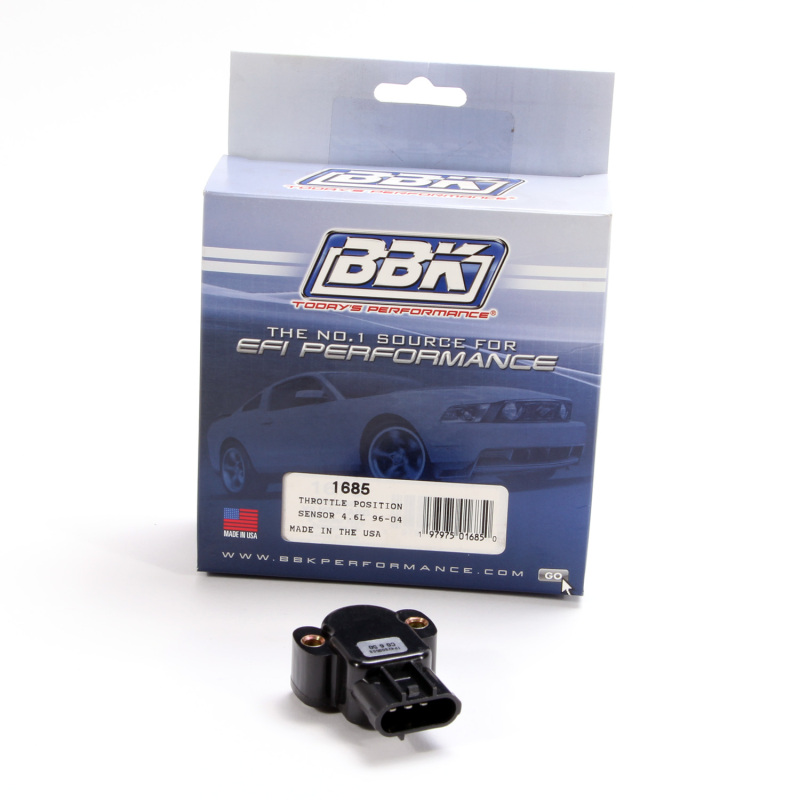
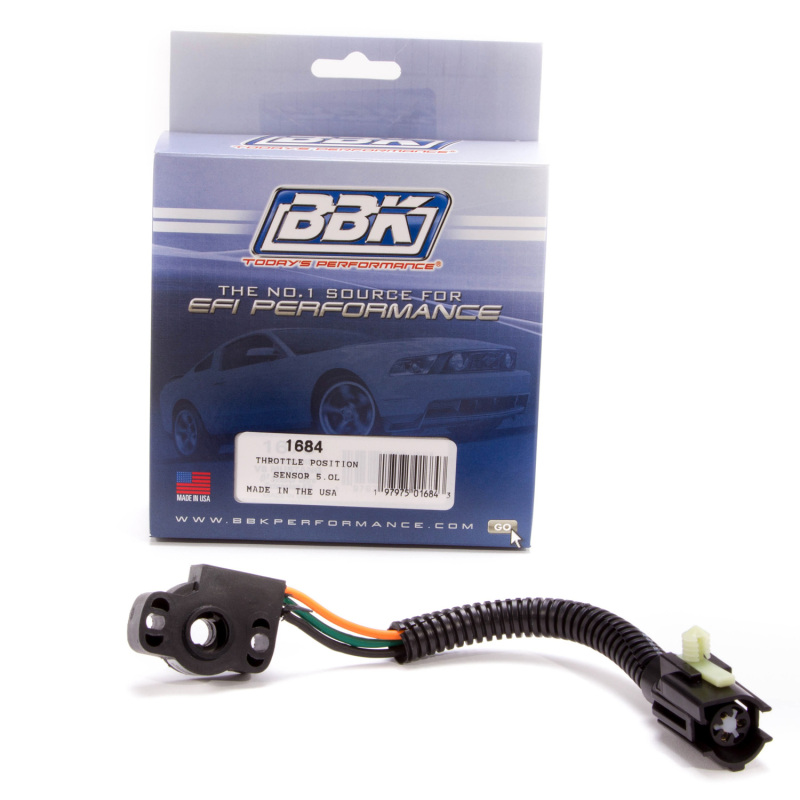
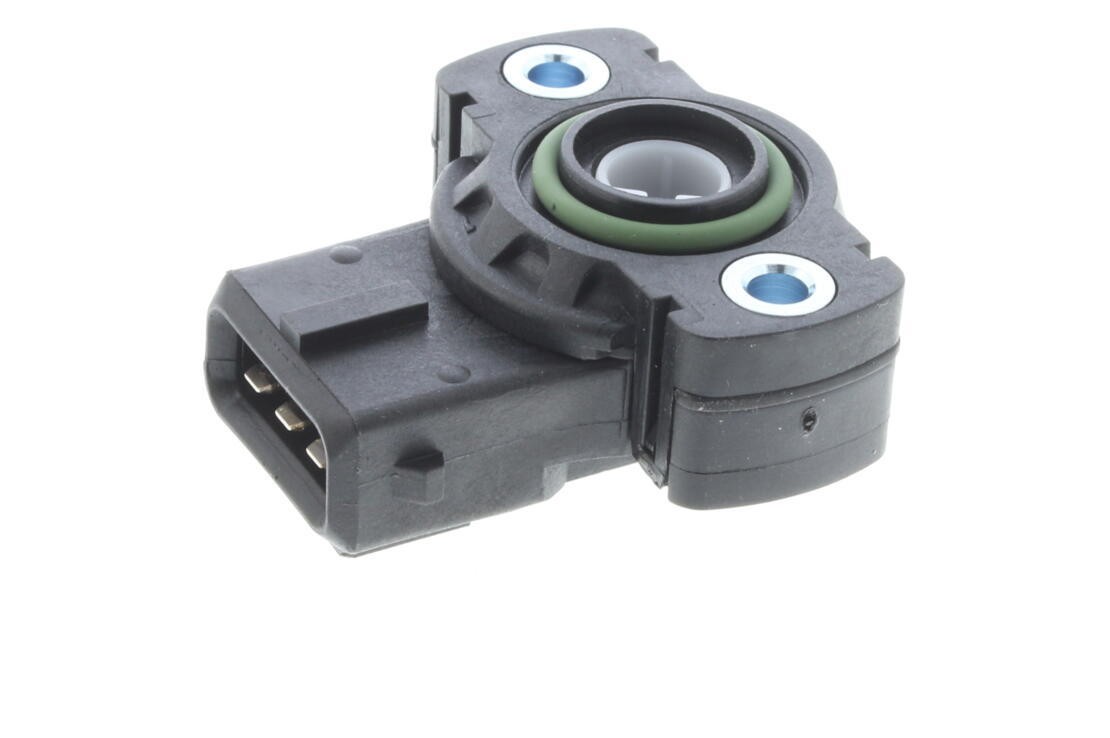
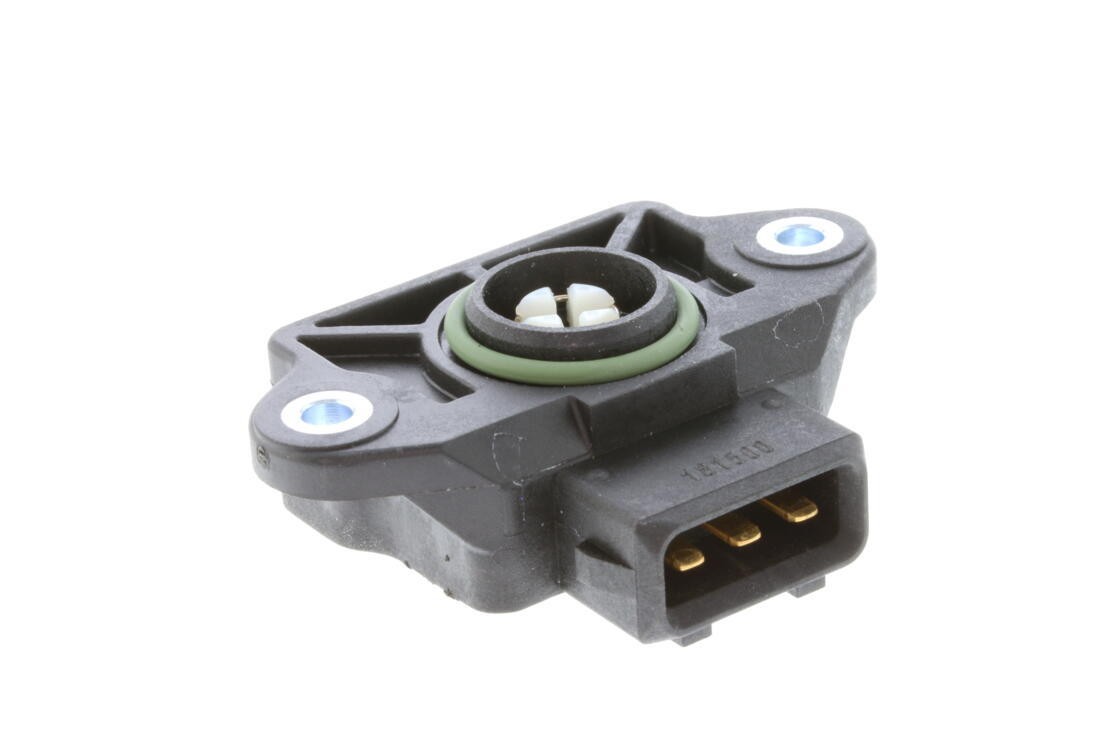
The sensor itself has failed internally, sending an incorrect low voltage signal to the engine computer.
70% of P0122 cases are fixed by replacing this part
Damaged wires, a short to ground in the signal circuit, or an open circuit in the 5V reference or ground wire can cause a consistently low voltage reading.
20% of P0122 cases are fixed by repairing wiring or connectors
Poor electrical contact at the TPS connector can lead to an intermittent or consistently low signal.
5% of P0122 cases are fixed by cleaning or securing the connector
A rare internal fault within the PCM's TPS circuit can cause it to misinterpret the sensor's signal.
5% of P0122 cases are fixed by replacing the PCM
Check These First (Before Buying Parts)
- Visually inspect the TPS wiring harness for any cuts, fraying, or signs of rodent damage.
- Ensure the TPS electrical connector is securely seated and free of corrosion. Disconnect, inspect, and reconnect it.
How to Diagnose P0122
- 1Visually inspect the Throttle Position Sensor (TPS) and its wiring for any obvious damage, fraying, or loose connections.
- 2With the ignition on and engine off, use a multimeter to check the voltage at the TPS signal wire; it should be around 0.5-1.0V at closed throttle.
- 3Slowly open the throttle by hand while monitoring the TPS signal voltage; it should smoothly increase to around 4.5V at wide-open throttle.
- 4Check for proper 5V reference voltage and ground at the TPS connector using a multimeter.
- 5If the TPS voltage is consistently low or erratic, test the TPS resistance across its terminals while moving the throttle by hand; resistance should change smoothly.
- 6If all wiring and voltages are correct, but the signal remains low, replace the TPS.
How Do I Fix P0122 on My Vehicle?
Toyota Camry
2002-2011TPS failures are common, often causing rough idle and hesitation. On some models, the TPS is part of the throttle body assembly, increasing part cost.
75% fixed by replacing the TPS or throttle body
Shop for Toyota CamryHonda Accord
2003-2012P0122 on Accords frequently points to a faulty TPS. Wiring integrity to the sensor is also a common issue to check, especially near the throttle body.
70% fixed by replacing the TPS
Shop for Honda AccordFord F-150
2004-2014F-150s with P0122 often experience stalling and poor acceleration. The TPS is a common failure point, and its replacement is a straightforward DIY task on most engines.
80% fixed by replacing the TPS
Shop for Ford F-150Frequently Asked Questions
What does P0122 mean?
P0122 indicates that the engine's computer is detecting a voltage signal from the Throttle Position Sensor (TPS) that is lower than expected. This suggests the throttle is closed or nearly closed, even if it's not.
Can I drive with P0122?
Limit driving, fix within a few days. A faulty TPS can cause significant drivability issues like stalling, hesitation, or limp mode, making the vehicle unsafe or unreliable to drive for extended periods.
Will P0122 clear itself?
No, P0122 will not clear itself. The engine computer stores this code until the underlying electrical or sensor issue is resolved and the code is manually cleared with a scan tool, or after several drive cycles without the fault recurring.
How do I fix P0122 myself?
Start by inspecting the TPS wiring and connector for damage. If they look good, use a multimeter to test the TPS voltage output across its range of motion. If the voltage is consistently low or erratic, replace the Throttle Position Sensor. Ensure you have a good 5V reference and ground at the sensor connector.
How much does it cost to fix P0122?
DIY repair costs for P0122 are typically $30-$150 for a new Throttle Position Sensor. Professional repair at a shop will cost $130-$450, including parts and labor.
P0122 keeps coming back - why?
If P0122 keeps returning, it indicates the root cause was not fully addressed. This often happens if you only replaced the TPS but the actual problem was in the wiring harness, a corroded connector, or a rare PCM fault. Thoroughly re-inspect the wiring and test voltages.
Will P0122 fail emissions/smog test?
Yes, P0122 will cause your vehicle to fail an emissions or smog test. The Check Engine Light being on is an automatic failure in most jurisdictions, and a faulty TPS directly impacts engine performance and emissions control.
What's the difference between P0122 and P0123?
P0122 indicates a 'low input' from the Throttle Position Sensor, meaning the computer sees a voltage signal that is too low. P0123 indicates a 'high input,' meaning the computer sees a voltage signal that is too high. Both point to a problem with the TPS circuit but in opposite directions.
P0122 on Toyota Camry?
On many Toyota Camry models, especially older ones, the Throttle Position Sensor can fail, leading to P0122. Sometimes the TPS is integrated into the throttle body assembly, requiring replacement of the entire unit. Always check for wiring issues first.
Questions to Ask Your Mechanic
Did you check the 5-volt reference and ground at the TPS connector?
Good answer: Yes, I confirmed a steady 5V reference and good ground. The issue is definitely with the sensor's signal output.
What was the TPS voltage reading at closed throttle and wide-open throttle?
Good answer: At closed throttle, it was stuck at 0.2V, and it barely moved when opening the throttle. It should be around 0.5V to 4.5V.
Repair Cost Estimate
DIY Repair
Parts only
$30-$150
Shop Repair
Parts + labor
$130-$450
Save $100-$300 by doing it yourself
Difficulty
intermediate
Time
1-2 hours
Intermediate - requires a multimeter and basic electrical diagnostic skills to confirm the sensor's output and wiring integrity.
Cost of Waiting
Ignoring P0122 leads to significant drivability problems like stalling, poor acceleration, and potentially leaving you stranded. The engine computer relies on the TPS for fuel delivery and ignition timing, so a bad signal can cause the engine to run rich or lean, potentially damaging your catalytic converter ($800-$2,500 repair). A $50 sensor fix now prevents a much larger bill later.
While You're In There...
Carbon buildup on the throttle body can affect throttle plate movement and idle quality, and it's easily accessible when working on the TPS.
If your TPS requires removal of the entire throttle body, replacing the intake gasket prevents vacuum leaks and ensures a proper seal upon reassembly.
Tools You'll Need
- OBD-II scan tool
- Multimeter
- Basic socket/wrench set
- Screwdriver set
Related Codes
The engine computer detects an incorrect voltage signal from the primary Throttle Position Sensor (TPS). This sensor tells the computer how much the throttle plate is open.
Your engine computer detects that the Throttle Position Sensor (TPS) or Pedal Position Sensor (PPS) signal is outside its expected range for the current throttle opening or pedal input.
The engine computer detects a higher-than-expected voltage signal from the Throttle Position Sensor (TPS) or Pedal Position Sensor (PPS) 'A' circuit.
The engine computer detects an intermittent or erratic signal from the Throttle Position Sensor (TPS) 'A' circuit.
The engine computer detects a problem with the 'B' circuit of the throttle position sensor (TPS) or accelerator pedal position (APP) sensor, which tells the computer how much you're pressing the gas pedal.
Your engine computer detects an issue with the throttle or accelerator pedal position sensor 'B' circuit's signal range or performance.
The 'B' circuit for your throttle position sensor or accelerator pedal position sensor is sending a low voltage signal to your engine computer.
The engine computer detects a higher-than-expected voltage signal from the 'B' circuit of your throttle position sensor (TPS) or accelerator pedal position sensor (APPS). This means the sensor is sending a signal that's too high, indicating a problem with the sensor, its wiring, or the throttle body itself.
P0122 is a common sensor code. Most repairs involve replacing the Throttle Position Sensor, which is a straightforward fix that restores proper engine response and drivability.
- Family-owned since 1957
- 990,000+ happy customers
- Fast nationwide shipping
- Easy returns
Your Next Steps
Step 1: Perform a thorough visual inspection of the TPS wiring and connector for any damage or looseness.
Step 2: Use a multimeter to test the TPS signal voltage. If it's consistently low or doesn't sweep smoothly, replace the Throttle Position Sensor.
Step 3: If the TPS tests good, check the 5V reference and ground circuits at the connector. If these are faulty, trace the wiring back to the PCM for damage. Parts you'll likely need: new Throttle Position Sensor.