P0126 Code
Fix within 1-2 weeksInsufficient Coolant Temperature for Stable Operation
In plain English: Engine coolant temperature is too low for the engine to operate efficiently.
What Does P0126 Mean?
Insufficient Coolant Temperature for Stable Operation
Code P0126 means your engine isn't reaching proper operating temperature. Common causes: Stuck-open thermostat (80%), faulty coolant temperature sensor (15%). Drivability: Yes, safe to drive. Repair cost: $50-$150 DIY, $150-$400 professional.
Can I Drive With P0126?
Yes, safe to drive
No restrictions, but fix within 1-2 weeks to avoid higher fuel costs and emissions.
Stop driving immediately if: Engine overheats (which is unlikely with this code, but always a risk if cooling system is compromised), or if other warning lights appear.
What Are the Symptoms of P0126?
- 1Check Engine Light is on
- 2Engine takes a long time to warm up
- 3Heater blows cold air or takes a long time to get warm
- 4Poor fuel economy
- 5Engine runs rough or idles high when cold
What Causes P0126?
Parts most likely causing this code, ranked by probability
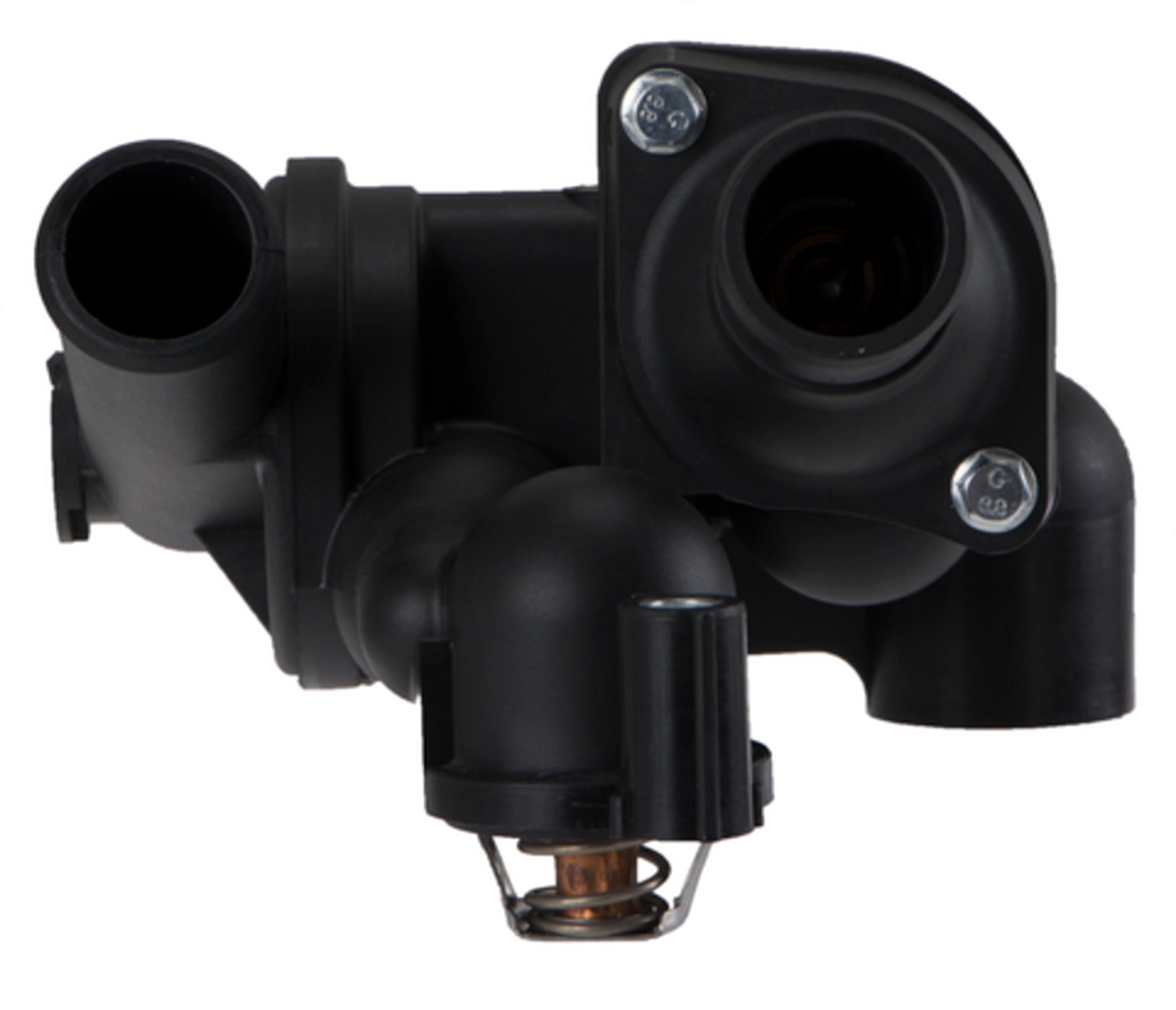
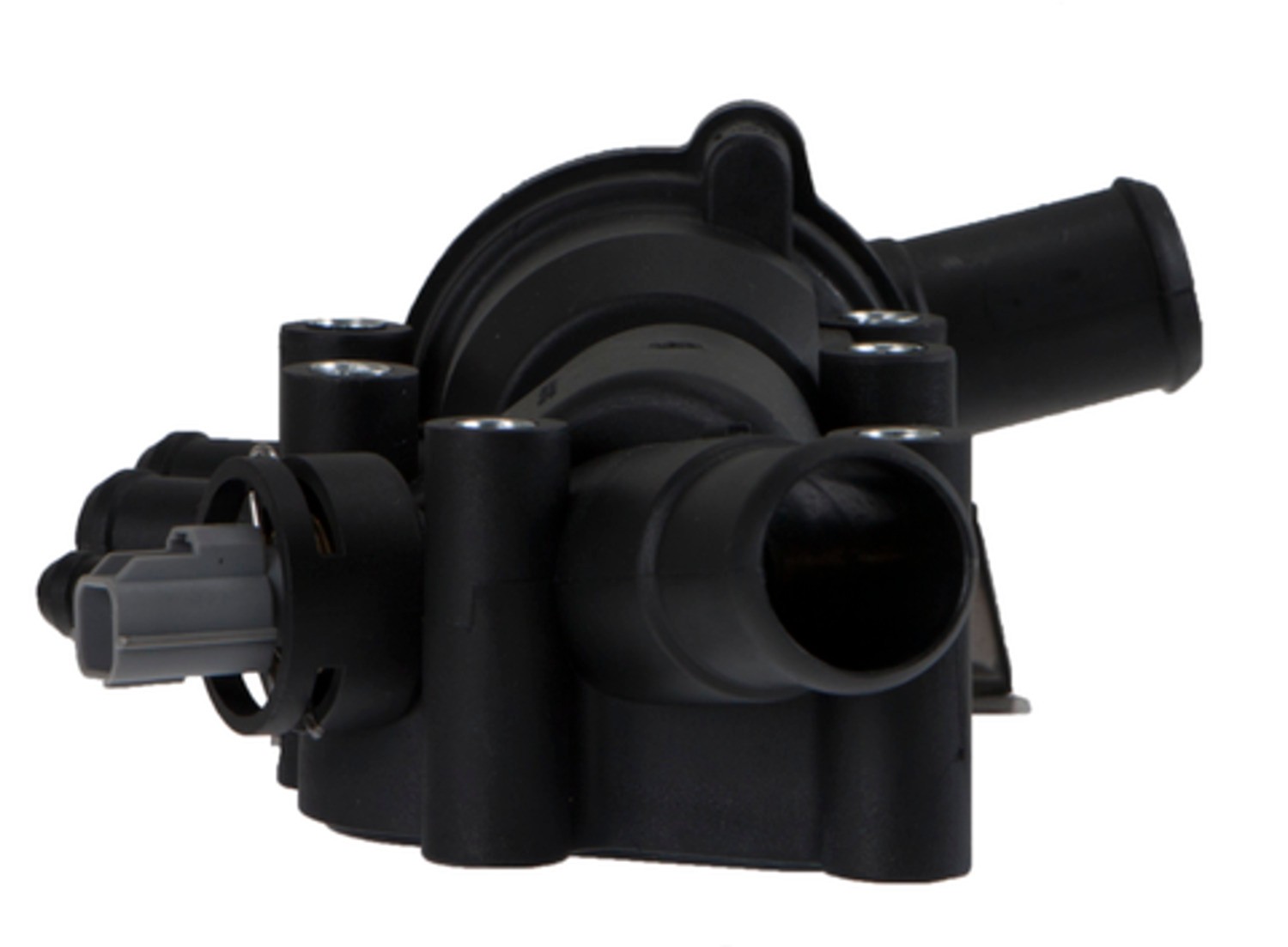
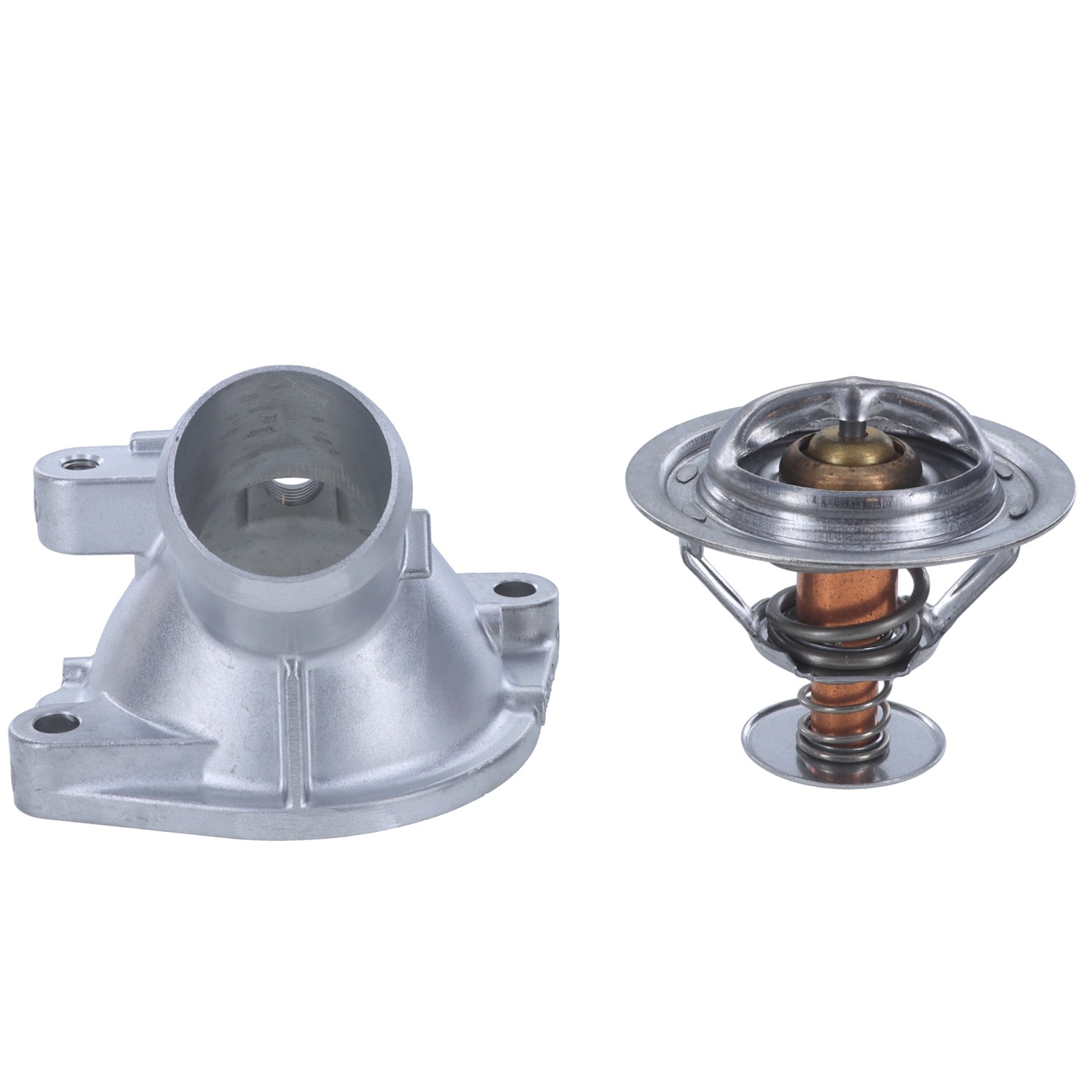
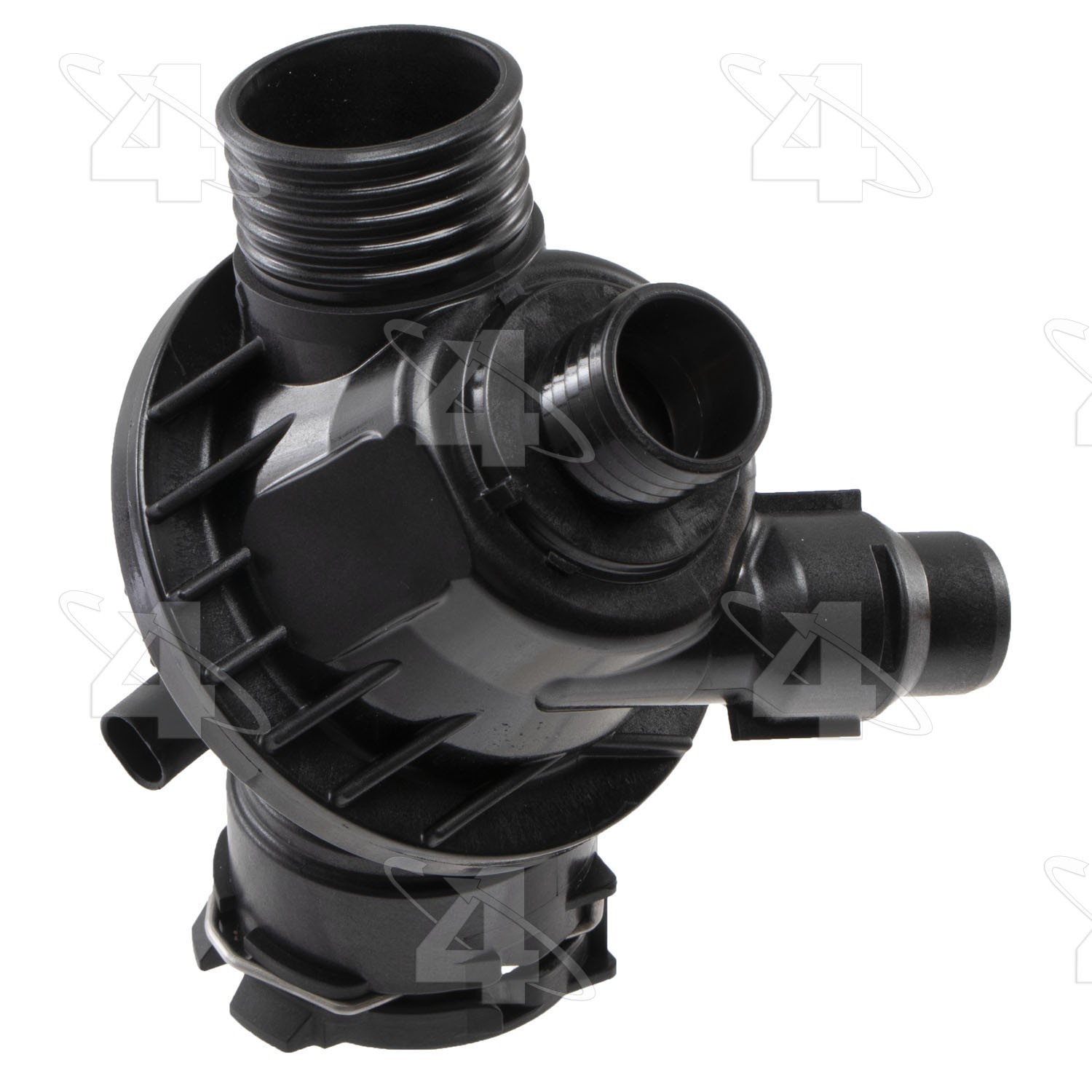
A thermostat stuck open allows coolant to flow constantly, preventing the engine from reaching its proper operating temperature.
80% of P0126 cases are fixed by replacing the thermostat
A faulty sensor can send incorrect low temperature readings to the engine computer, even if the engine is warm.
15% of P0126 cases are fixed by replacing the coolant temperature sensor
Low coolant levels prevent the cooling system from functioning correctly, leading to the engine running too cool or inaccurate temperature readings.
3% of P0126 cases are fixed by topping off coolant and checking for leaks
Damaged wires or corroded connectors can disrupt the signal from the coolant temperature sensor to the engine computer.
2% of P0126 cases are fixed by repairing wiring or connectors
Check These First (Before Buying Parts)
- Check your engine's coolant level. Ensure it's full in both the reservoir and the radiator.
- Visually inspect the thermostat housing and surrounding hoses for any signs of coolant leaks.
How to Diagnose P0126
- 1Check the engine coolant level in the reservoir and radiator. Top off if low.
- 2Visually inspect the thermostat housing and hoses for any leaks.
- 3Use an OBD-II scan tool to monitor the engine coolant temperature. Compare it to ambient temperature when cold, then observe how quickly it rises to operating temperature (around 195-210°F).
- 4Feel the upper radiator hose after starting a cold engine. If it gets warm quickly, the thermostat is likely stuck open.
- 5Test the Coolant Temperature Sensor (CTS) by checking its resistance with a multimeter and comparing it to factory specifications at various temperatures.
- 6Inspect the wiring harness and connector to the CTS for any damage, corrosion, or loose connections.
How Do I Fix P0126 on My Vehicle?
Toyota Camry
2007-2024P0126 on Toyota Camry models is frequently due to a failing thermostat. The thermostat housing can sometimes be tricky to access, but the part itself is inexpensive.
85% fixed by replacing the thermostat
Shop for Toyota CamryHonda Accord
2003-2024Honda Accord vehicles are prone to thermostats failing in the open position, leading directly to P0126. Coolant temperature sensor failures are less common but still occur.
80% fixed by replacing the thermostat
Shop for Honda AccordFord F-150
2004-2024For Ford F-150 trucks, P0126 is often caused by a stuck-open thermostat. Some V8 engines have two thermostats, so ensure both are checked or replaced if applicable.
75% fixed by replacing the thermostat
Shop for Ford F-150Frequently Asked Questions
What does P0126 mean?
P0126 indicates that your engine's coolant temperature is not reaching or maintaining the necessary temperature for efficient operation within a specified time frame.
Can I drive with P0126?
Yes, you can drive safely with a P0126 code. Your engine is running cooler than it should, which will reduce fuel economy and increase emissions, but it won't cause immediate breakdown. Fix this within 1-2 weeks.
Will P0126 clear itself?
No, P0126 will not clear itself. The underlying issue, such as a stuck-open thermostat or a faulty sensor, needs to be repaired before the code will clear. After the repair, you may need to drive several cycles or manually clear the code with a scan tool.
How do I fix P0126 myself?
Start by checking your coolant level. If that's good, the most common fix is replacing the thermostat. You might also need to replace the coolant temperature sensor. These are straightforward jobs for most DIYers.
How much does it cost to fix P0126?
DIY costs range from $50-$150 for parts like a thermostat, coolant temperature sensor, and fresh coolant. A professional repair at a shop will cost between $150-$400, including parts and labor.
P0126 keeps coming back - why?
If P0126 keeps returning, you likely haven't addressed the root cause. Double-check the thermostat installation, ensure the correct temperature thermostat was used, verify the coolant temperature sensor is functioning correctly, and inspect wiring for intermittent issues. A low coolant level or air in the cooling system can also cause recurrence.
Will P0126 fail emissions/smog test?
Yes, P0126 will cause your vehicle to fail an emissions or smog test. The Check Engine Light is on, and the engine running too cool means it's not operating at optimal efficiency, leading to higher emissions.
What's the difference between P0126 and P0125?
P0126 indicates that the engine coolant temperature is insufficient for stable operation, meaning it's too low. P0125 specifically means the engine coolant temperature is insufficient for closed-loop fuel control, which is a more specific condition related to the engine's ability to regulate fuel mixture based on sensor inputs. They both point to the engine running too cool.
P0126 on Honda Accord
On many Honda Accord models, P0126 is very commonly caused by a thermostat stuck open. Replacing the thermostat and refilling the cooling system often resolves the issue. Ensure you bleed any air from the cooling system after replacement.
Questions to Ask Your Mechanic
Did you check the actual coolant temperature with a scan tool and compare it to the sensor reading?
Good answer: Yes, the scan tool showed the engine only reached 160°F after 15 minutes of driving, confirming the thermostat is stuck open and the sensor is reporting accurately.
What did you find when you inspected the thermostat?
Good answer: We removed the thermostat and found it was visibly stuck in the open position, allowing coolant to bypass the engine block too early.
Repair Cost Estimate
DIY Repair
Parts only
$50-$150
Shop Repair
Parts + labor
$150-$400
Save $100-$250 by doing it yourself
Difficulty
intermediate
Time
1-3 hours
Intermediate - requires draining coolant, working with hoses, and potentially bleeding the cooling system, but no specialized tools beyond a basic socket set and scan tool.
Cost of Waiting
Ignoring P0126 will lead to significantly reduced fuel economy and increased emissions. Over time, running the engine consistently below its optimal temperature can also contribute to premature engine wear and carbon buildup. A $30 thermostat fix now prevents higher fuel costs and potential long-term engine issues.
While You're In There...
You'll drain some coolant to replace the thermostat, so it's a good time to refresh it, especially if it's old or dirty.
If your hoses are old or brittle, replacing them while the system is drained prevents future leaks and repeat labor.
Always replace the gasket or O-ring when installing a new thermostat to ensure a leak-free seal.
Tools You'll Need
- OBD-II scan tool
- Socket set
- Wrenches
- Pliers
- Drain pan
- Funnel
- Coolant
- Screwdrivers
- Hose clamps (optional)
Related Codes
Insufficient Coolant Temperature for Closed Loop Fuel Control
The engine computer detects a very low voltage signal from the Engine Coolant Temperature (ECT) sensor, indicating the engine coolant is extremely cold or there's an electrical problem in the sensor circuit.
The engine computer (PCM) detects a voltage from the Engine Coolant Temperature (ECT) sensor that is too high, indicating an extremely cold temperature or an open circuit in the sensor's wiring.
P0126 is a common cooling system code, and the fix is usually a straightforward thermostat replacement. Your engine will run more efficiently and your heater will work better afterward.
- Family-owned since 1957
- 990,000+ happy customers
- Fast nationwide shipping
- Easy returns
Your Next Steps
Step 1: Check your coolant level and top off if needed. Look for any obvious leaks around the thermostat housing.
Step 2: Use an OBD-II scan tool to monitor your engine's coolant temperature. If it struggles to reach or maintain around 195-210°F, especially after a few minutes of driving, your thermostat is the prime suspect.
Step 3: If the temperature reading is consistently low, replace the thermostat. You'll likely need a new thermostat, a thermostat gasket or O-ring, and fresh engine coolant.