P0128 Code
Fix within 1-2 weeksYour engine's coolant temperature is not reaching the correct operating temperature within the expected time frame.
What Does P0128 Mean?
Code P0128 means your engine isn't reaching proper operating temperature. Common causes: Stuck-open thermostat (80%), faulty ECT sensor (10%), low coolant (5%). Drivability: Yes, safe to drive. Repair cost: $20-$100 DIY, $150-$400 professional.
Can I Drive With P0128?
Yes, safe to drive
No restrictions, but fix within 1-2 weeks to avoid higher fuel costs and reduced heater performance.
Stop driving immediately if: Flashing CEL (indicates a more severe misfire), engine overheating (not typical for P0128), or significant power loss.
Save $50-$380 by fixing it yourself
What Are the Symptoms of P0128?
- 1Check Engine Light is on
- 2Engine takes a long time to warm up
- 3Heater blows cold air or takes a long time to get warm
- 4Reduced fuel economy
- 5Engine runs slightly rough or idles high when cold
What Causes P0128?
Parts most likely causing this code, ranked by probability
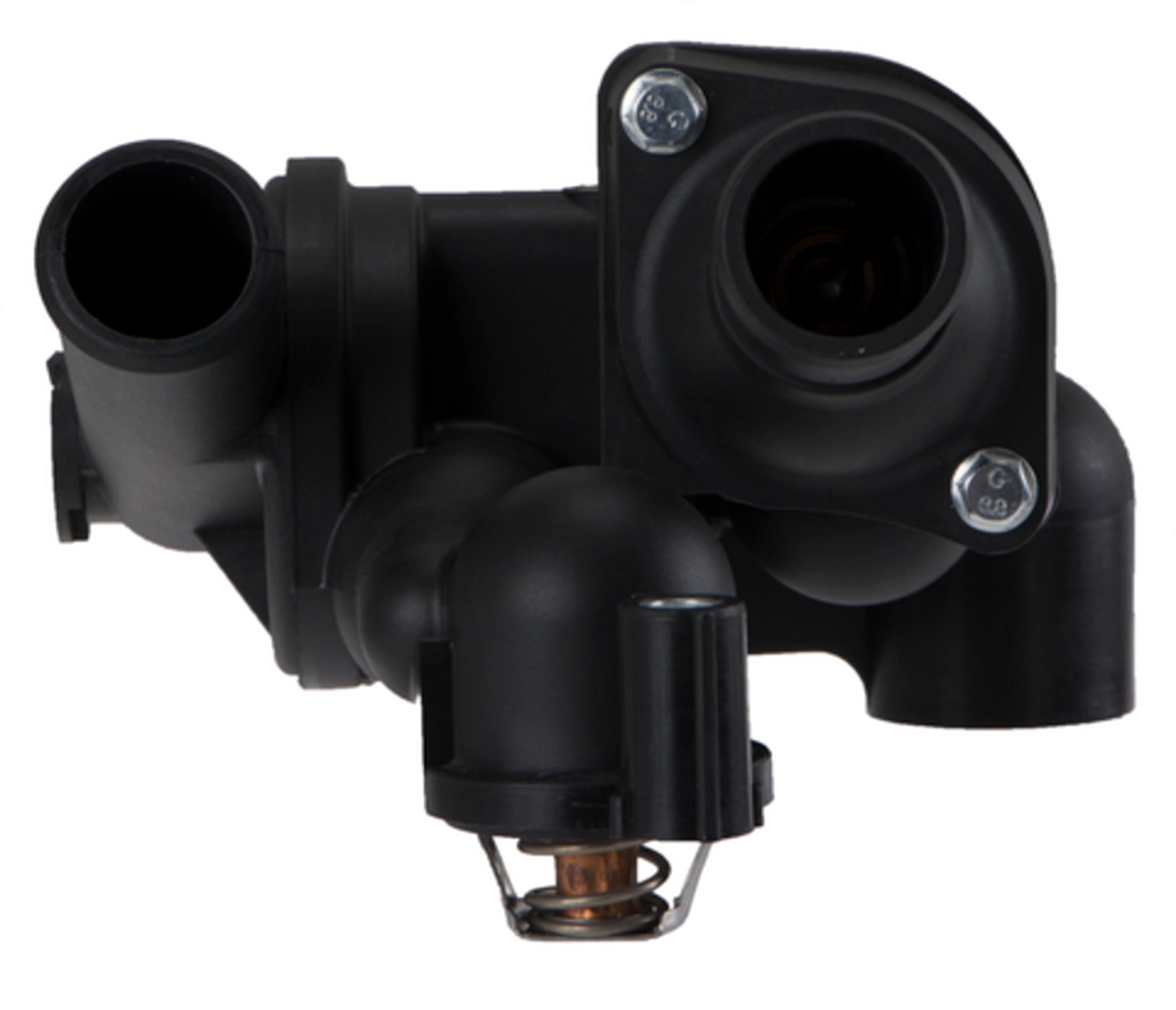
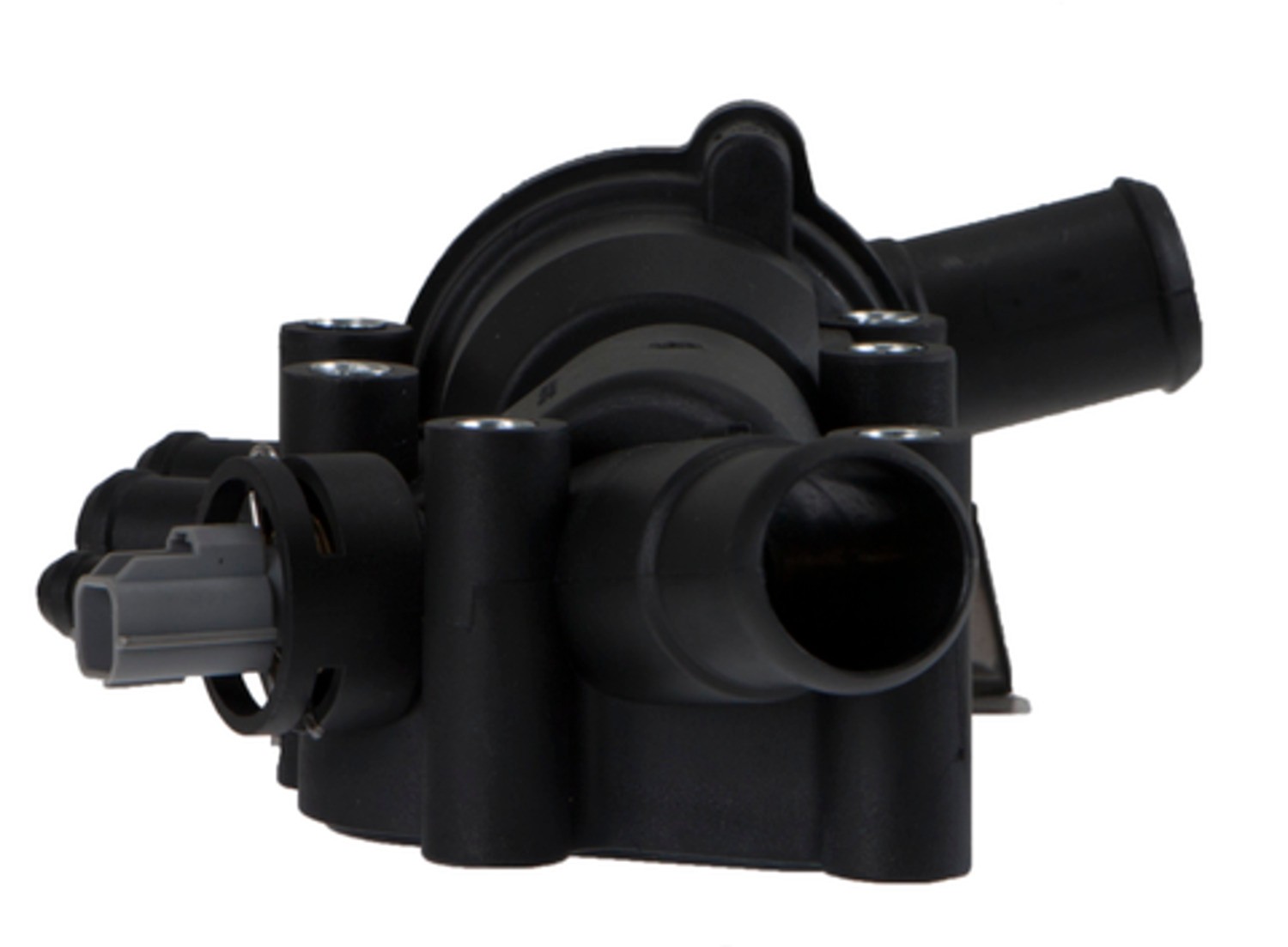
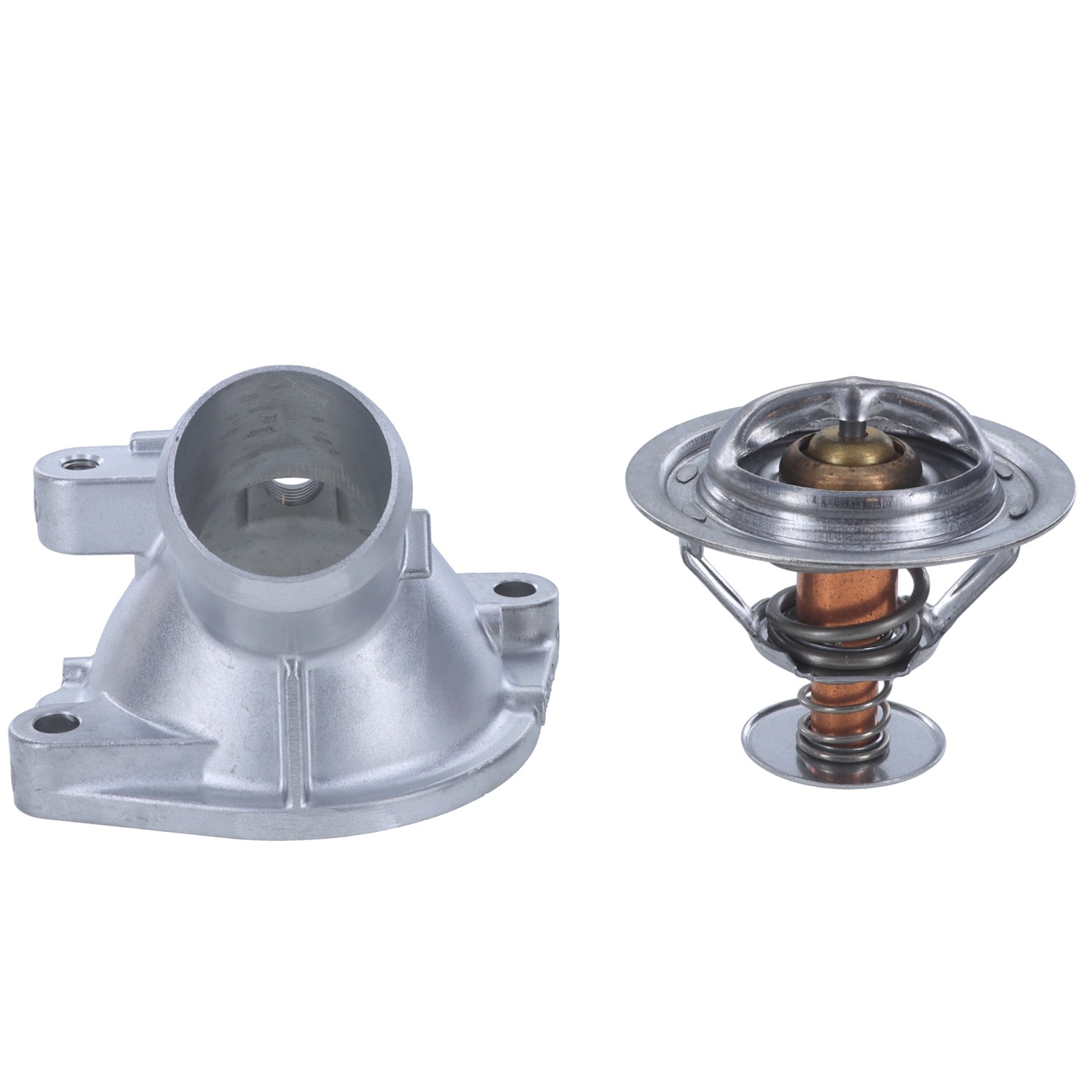
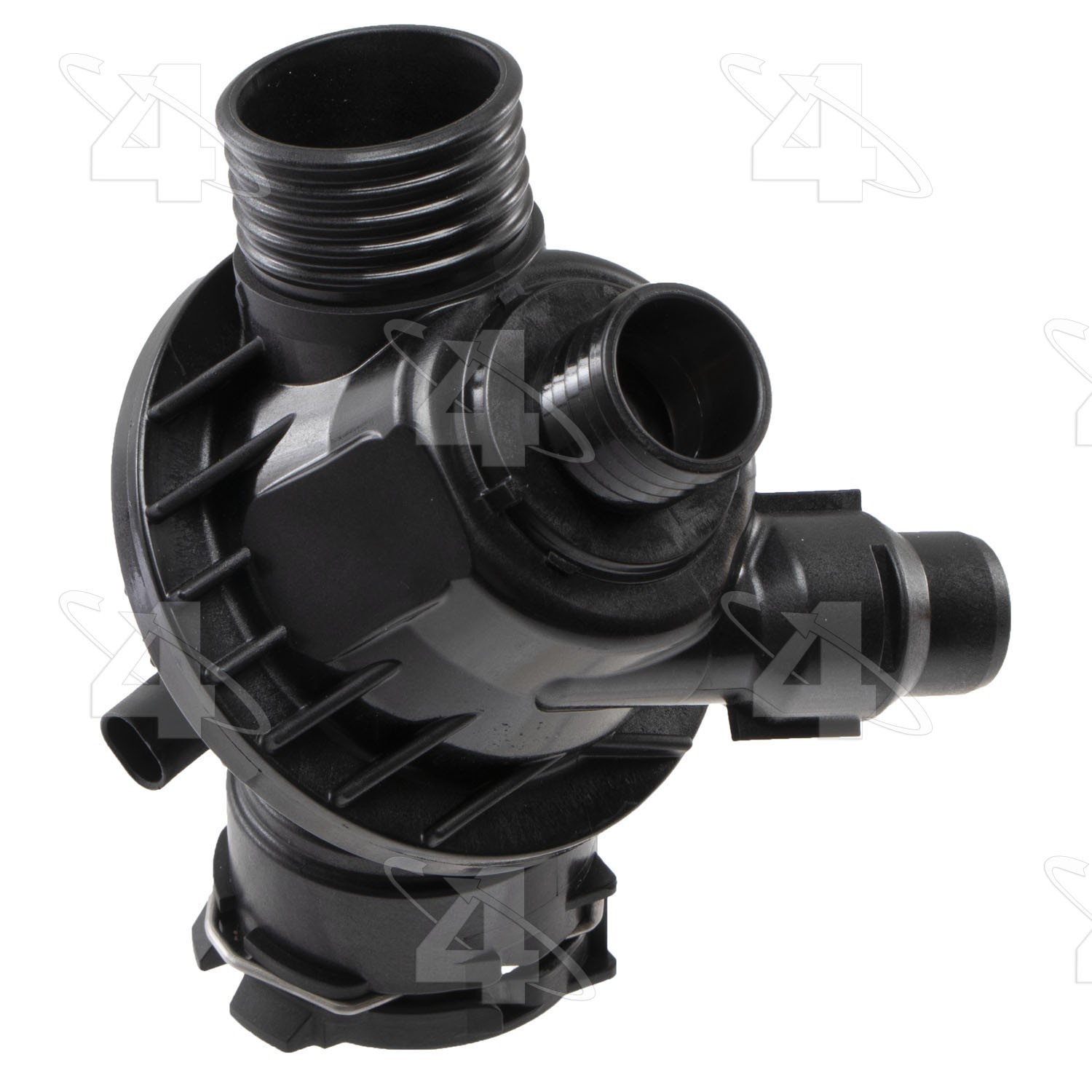
A thermostat stuck open allows coolant to flow constantly, preventing the engine from reaching its proper operating temperature.
80% of P0128 cases are fixed by replacing the thermostat
A faulty sensor can send incorrect temperature readings to the engine computer, making it think the engine is colder than it is.
10% of P0128 cases are fixed by replacing the coolant temperature sensor
Insufficient coolant prevents proper heat transfer and can cause the engine to not warm up effectively or the sensor to read incorrectly.
5% of P0128 cases are fixed by adding coolant
Damaged wiring or a corroded connector to the coolant temperature sensor can disrupt the signal to the engine computer.
3% of P0128 cases are fixed by repairing wiring or connectors
A rare internal fault in the engine computer can misinterpret temperature data or fail to properly control engine warm-up strategies.
2% of P0128 cases are fixed by replacing the ECM/PCM
Check These First (Before Buying Parts)
- Check your coolant level in both the reservoir and the radiator. Top off with the correct type of coolant if low.
- Visually inspect the thermostat housing and radiator hoses for any signs of leaks or damage.
How to Diagnose P0128
- 1Check coolant level in the reservoir and radiator; top off if low.
- 2Visually inspect the thermostat housing and hoses for leaks.
- 3Monitor engine temperature using an OBD-II scanner to confirm if the engine is indeed running cold.
- 4Feel the upper and lower radiator hoses after a cold start; if both get warm quickly, the thermostat is likely stuck open.
- 5Test the resistance of the coolant temperature sensor (if accessible) and compare to specifications.
How Do I Fix P0128 on My Vehicle?
Toyota Camry
2007-2024P0128 on Camry models is frequently caused by a thermostat that fails to close completely, leading to slow warm-up times. It's a common maintenance item.
85% fixed by thermostat replacement
Shop for Toyota CamryHonda Accord
2003-2024Honda Accords are prone to P0128 due to thermostats sticking open. It's a well-documented issue, and replacing the thermostat typically resolves the code.
88% fixed by thermostat replacement
Shop for Honda AccordFord F-150
2004-2024On Ford F-150s, P0128 is often a thermostat issue, but a faulty coolant temperature sensor is also a more common secondary cause than on some other vehicles. Always check the sensor after the thermostat.
75% fixed by thermostat, 15% by ECT sensor
Shop for Ford F-150Frequently Asked Questions
What does P0128 mean?
P0128 indicates that your engine's coolant temperature is not reaching the correct operating temperature within the expected time frame, usually because it's running too cold.
Can I drive with P0128?
Yes, safe to drive. You can drive with P0128, but you should fix it within 1-2 weeks. Your engine will run less efficiently, use more fuel, and your heater might not work well.
Will P0128 clear itself?
No, P0128 will not clear itself. The engine computer will continue to detect the engine running cold until the underlying issue, typically a stuck-open thermostat, is repaired.
How do I fix P0128 myself?
Start by checking your coolant level and topping it off. If that doesn't work, the most common fix is replacing the thermostat. You might also need to replace the coolant temperature sensor.
How much does it cost to fix P0128?
DIY repair costs range from $20-$100 for parts like a thermostat and coolant. Professional repair costs typically range from $150-$400, including parts and labor.
P0128 keeps coming back - why?
If P0128 keeps returning, it's often due to a faulty new thermostat, air trapped in the cooling system after the repair, or an overlooked issue like a failing coolant temperature sensor or low coolant level.
Will P0128 fail emissions/smog test?
Yes, P0128 will cause your vehicle to fail an emissions or smog test. The Check Engine Light being on is an automatic failure in most states, and an engine running cold produces higher emissions.
What's the difference between P0128 and P0117/P0118?
P0128 means the engine is running too cold. P0117 (Coolant Temp Sensor Low Input) and P0118 (Coolant Temp Sensor High Input) indicate a direct electrical fault with the coolant temperature sensor itself, which can sometimes lead to P0128 if the sensor reports an incorrect cold temperature.
P0128 on Honda Civic?
P0128 is very common on Honda Civics, especially models from 2006-2015. The primary cause is almost always a stuck-open thermostat, which is a straightforward replacement on these vehicles.
Questions to Ask Your Mechanic
Did you check the actual coolant temperature readings with a scan tool?
Good answer: Yes, the scan tool showed the engine only reached X degrees Fahrenheit after 15 minutes of driving, which is below the target operating temperature of Y degrees. This confirms the engine is running cold.
What did you find when inspecting the thermostat?
Good answer: The old thermostat was visibly stuck in the open position, allowing coolant to bypass the radiator even when the engine was cold. We replaced it and verified proper warm-up.
Repair Cost Estimate
DIY Repair
Parts only
$20-$100
Shop Repair
Parts + labor
$150-$400
Save $130-$300 by doing it yourself
Difficulty
intermediate
Time
1-3 hours
Intermediate - Replacing a thermostat requires draining and refilling coolant, which can be messy, and properly bleeding air from the system is crucial.
Cost of Waiting
Ignoring P0128 means your engine runs inefficiently, leading to significantly worse fuel economy and increased engine wear over time. Your heater will also not work effectively. A $20-$60 thermostat fix now prevents higher fuel costs and potential long-term engine damage.
While You're In There...
You will drain some coolant when replacing the thermostat, so it's a good time to refresh or top off your system with new, clean coolant.
If your hoses are old or brittle, replacing them while the system is drained prevents future leaks and repeat labor.
Tools You'll Need
- Socket set
- Pliers
- Screwdriver set
- Drain pan
- Funnel
- OBD-II scan tool (optional, but helpful for diagnosis)
Related Codes
The engine computer detects a very low voltage signal from the Engine Coolant Temperature (ECT) sensor, indicating the engine coolant is extremely cold or there's an electrical problem in the sensor circuit.
The engine computer (PCM) detects a voltage from the Engine Coolant Temperature (ECT) sensor that is too high, indicating an extremely cold temperature or an open circuit in the sensor's wiring.
Insufficient Coolant Temperature for Closed Loop Fuel Control
P0128 is a very common cooling system code, and the fix is usually straightforward and affordable. Your engine will run more efficiently and your heater will work better once it's resolved.
- Family-owned since 1957
- 990,000+ happy customers
- Fast nationwide shipping
- Easy returns
Your Next Steps
Step 1: Check your coolant level and top it off if necessary. Look for any visible leaks around the radiator or hoses.
Step 2: If the coolant level is good, the most likely culprit is a stuck-open thermostat. Replace the thermostat and refill the cooling system, bleeding any air.
Step 3: If replacing the thermostat doesn't fix the code, test or replace the coolant temperature sensor. Parts you'll likely need: new thermostat, thermostat gasket/o-ring, and appropriate engine coolant.