P0138 Code
Fix within 1-2 weeksYour engine computer detected that the downstream oxygen sensor (Bank 1 Sensor 2) is sending a consistently high voltage signal, indicating too much oxygen in the exhaust or a sensor malfunction.
What Does P0138 Mean?
Code P0138 means your downstream O2 sensor (Bank 1 Sensor 2) is reporting high voltage. Common causes: Faulty O2 sensor (70%), wiring issues (20%). Drivability: Yes, safe to drive. Repair cost: $50-$150 DIY, $150-$400 professional.
Can I Drive With P0138?
Yes, safe to drive
No restrictions
Stop driving immediately if: Flashing CEL, loud noises, burning smell, rotten egg smell, significant power loss
What Are the Symptoms of P0138?
- 1Check Engine Light is on
- 2Reduced fuel economy
- 3Engine may run rough or hesitate (less common, but possible)
What Causes P0138?
Parts most likely causing this code, ranked by probability
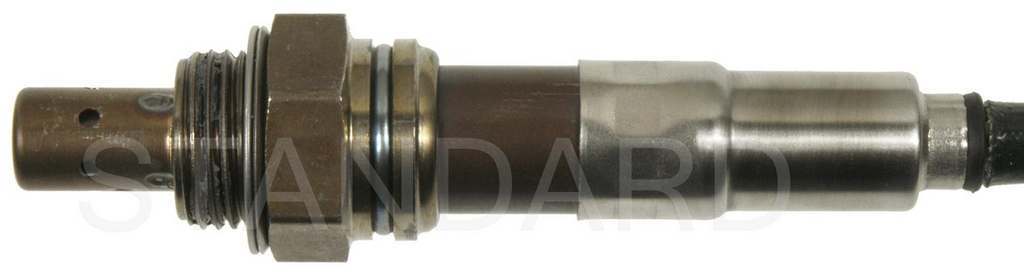
A faulty downstream oxygen sensor can internally short or fail, sending an incorrect high voltage signal to the engine computer.
70% of P0138 cases are fixed by replacing this part
Damaged, corroded, or shorted wiring in the O2 sensor circuit can cause a false high voltage reading at the engine computer.
20% of P0138 cases are fixed by repairing wiring or connectors
An exhaust leak near the downstream O2 sensor can introduce outside air, confusing the sensor and causing it to report an inaccurate high voltage.
5% of P0138 cases are fixed by repairing an exhaust leak
A rare internal fault within the engine computer can incorrectly interpret or process the O2 sensor signal, triggering the code.
5% of P0138 cases are fixed by replacing the ECM/PCM
Check These First (Before Buying Parts)
- Visually inspect the Bank 1 Sensor 2 oxygen sensor and its electrical connector for any obvious damage, loose wires, or corrosion.
- Listen for any exhaust leaks near the sensor, which can sometimes cause incorrect readings.
How to Diagnose P0138
- 1Visually inspect the Bank 1 Sensor 2 oxygen sensor and its wiring for damage, corrosion, or loose connections.
- 2Check for exhaust leaks near the downstream oxygen sensor, listening for hissing sounds or looking for soot.
- 3Using an OBD-II scan tool, monitor the live data for Bank 1 Sensor 2 voltage. It should fluctuate, not stay consistently high.
- 4Test the O2 sensor's resistance and voltage output directly using a multimeter, following manufacturer specifications.
- 5If all other checks are inconclusive, test the continuity and resistance of the O2 sensor's wiring harness back to the ECM/PCM.
How Do I Fix P0138 on My Vehicle?
Toyota Camry
2007-2024P0138 is a very common code on Camrys, frequently caused by a failing downstream O2 sensor. The sensor is accessible under the vehicle, typically after the catalytic converter.
80% fixed by replacing the O2 sensor
Shop for Toyota CamryHonda Accord
2003-2024Honda Accords also frequently experience P0138 due to O2 sensor degradation. Check for exhaust leaks around the sensor as a secondary cause, especially on older models.
75% fixed by replacing the O2 sensor
Shop for Honda AccordFord F-150
2004-2024On Ford F-150s, P0138 can be caused by the O2 sensor itself or by wiring damage due to exposure to road debris or harsh conditions. Inspect wiring thoroughly before replacing the sensor.
70% fixed by replacing the O2 sensor
Shop for Ford F-150Frequently Asked Questions
What does P0138 mean?
P0138 indicates that the oxygen sensor located after the catalytic converter on Bank 1 (Bank 1 Sensor 2) is sending a consistently high voltage signal to your engine's computer. This usually means the sensor itself is faulty or there's an issue in its circuit.
Can I drive with P0138?
Yes, you can drive safely with a P0138 code. The downstream O2 sensor primarily monitors catalytic converter efficiency and fuel trim adjustments, so it won't cause immediate damage or leave you stranded. However, your fuel economy will suffer, and your vehicle will fail emissions testing.
Will P0138 clear itself?
No, P0138 will not clear itself. The engine computer will continue to detect the high voltage signal from the O2 sensor, keeping the Check Engine Light on until the underlying issue is resolved and the code is manually cleared or the vehicle completes several drive cycles with the fault absent.
How do I fix P0138 myself?
To fix P0138 yourself, first inspect the O2 sensor wiring for damage. If the wiring looks good, the most common fix is to replace the Bank 1 Sensor 2 oxygen sensor. You'll need an O2 sensor socket and a ratchet to remove and install the new sensor.
How much does it cost to fix P0138?
The cost to fix P0138 ranges from $50-$150 for DIY, primarily for the cost of a new oxygen sensor. If you take it to a shop, expect to pay $150-$400, which includes the part and 1-2 hours of labor.
P0138 keeps coming back - why?
If P0138 keeps coming back, it's likely due to an overlooked issue. Double-check for subtle wiring damage or corrosion, ensure the new O2 sensor is the correct part for your vehicle, or investigate potential exhaust leaks near the sensor that could be skewing its readings.
Will P0138 fail emissions/smog test?
Yes, a P0138 code will cause your vehicle to fail an emissions or smog test. The Check Engine Light being on, regardless of the code, is an automatic failure in most states, and an O2 sensor fault directly impacts the emissions system's monitoring.
What's the difference between P0138 and P0137?
P0138 indicates a consistently *high* voltage signal from the Bank 1 Sensor 2 oxygen sensor, suggesting a sensor fault or short. P0137 indicates a consistently *low* voltage signal from the same sensor, which often points to an open circuit, a lean condition, or a different type of sensor failure.
P0138 on Toyota Camry?
P0138 on a Toyota Camry is a common issue, often pointing directly to a faulty downstream oxygen sensor (Bank 1 Sensor 2). These sensors are wear items and fail over time, especially on higher mileage vehicles. Replacing the sensor usually resolves the code.
Questions to Ask Your Mechanic
Did you check the live data for Bank 1 Sensor 2 voltage, and what were the readings?
Good answer: The Bank 1 Sensor 2 voltage was consistently above 0.9 volts, indicating a high voltage condition. It wasn't fluctuating as it should.
Did you inspect the O2 sensor wiring harness for any damage or corrosion?
Good answer: Yes, I visually inspected the wiring from the sensor to the ECM connector and found no signs of fraying, shorts, or corrosion.
Repair Cost Estimate
DIY Repair
Parts only
$50-$150
Shop Repair
Parts + labor
$150-$400
Save $100-$250 by doing it yourself
Difficulty
beginner
Time
0.5-1.5 hours
Beginner-friendly - Replacing an O2 sensor is a common DIY task that requires basic tools and minimal mechanical experience.
Cost of Waiting
Ignoring P0138 will lead to decreased fuel economy and your vehicle failing emissions tests. While it won't cause immediate engine damage, prolonged incorrect fuel trims can put extra strain on other components over time.
While You're In There...
If you find an exhaust leak near the sensor, replacing the gasket at the same time prevents future leaks and ensures proper sensor function.
Applying anti-seize to the threads of the new O2 sensor makes future removal much easier and prevents seizing in the exhaust pipe.
Tools You'll Need
- OBD-II Scan Tool
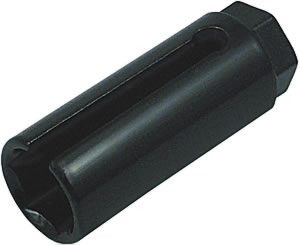
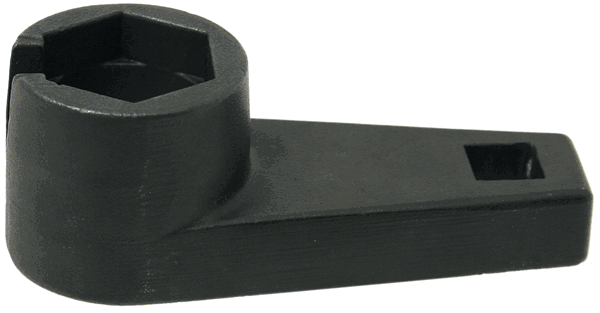
- O2 Sensor Socket (7/8 inch or 22mm)
- Ratchet
- Wrench set
- Wire brush (for cleaning threads)
- Anti-seize compound
Related Codes
Your engine computer detects that the downstream oxygen sensor (Bank 1 Sensor 2) is reporting consistently low voltage, indicating a problem with its circuit or the sensor itself.
Your downstream oxygen sensor (Bank 1, Sensor 2) is responding too slowly to changes in the exhaust gas.
Your engine computer isn't getting a signal from the oxygen sensor located after the catalytic converter on the first bank of cylinders.
Your engine computer detected a problem with the heater circuit in the oxygen sensor located after the catalytic converter on the side of the engine with cylinder #1 (Bank 1 Sensor 2). The heater helps the sensor warm up quickly to provide accurate exhaust readings.
P0138 is a common O2 sensor code that rarely indicates a serious engine problem. Replacing the sensor is a straightforward repair that will restore your fuel economy and clear your Check Engine Light.
- Family-owned since 1957
- 990,000+ happy customers
- Fast nationwide shipping
- Easy returns
Your Next Steps
Step 1: Visually inspect the Bank 1 Sensor 2 O2 sensor and its wiring for any damage, corrosion, or loose connections. Also, check for any exhaust leaks near the sensor.
Step 2: If no obvious issues are found, the most likely culprit is the O2 sensor itself. Purchase a new Bank 1 Sensor 2 oxygen sensor.
Step 3: Install the new O2 sensor using an O2 sensor socket. Clear the code with an OBD-II scanner and drive the vehicle to confirm the fix.