P0158 Code
Fix within 1-2 weeksOxygen Sensor Circuit High Voltage (Bank 2 Sensor 2)
What Does P0158 Mean?
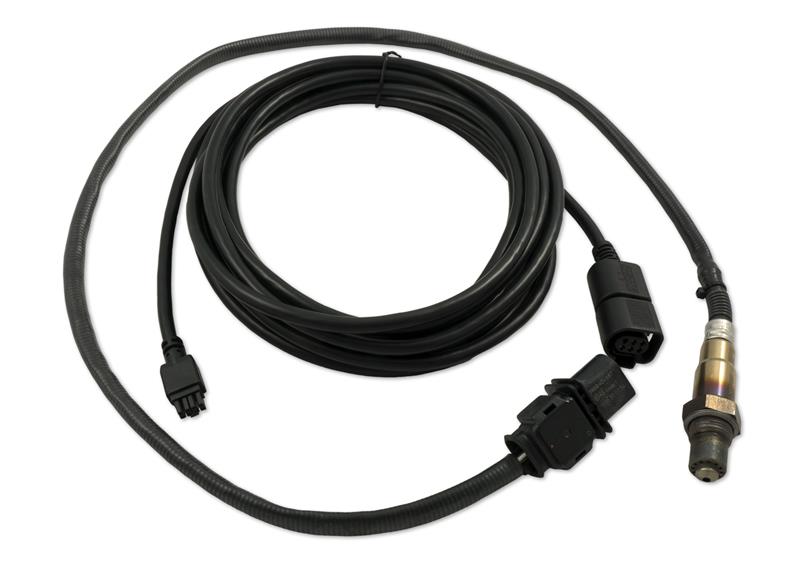
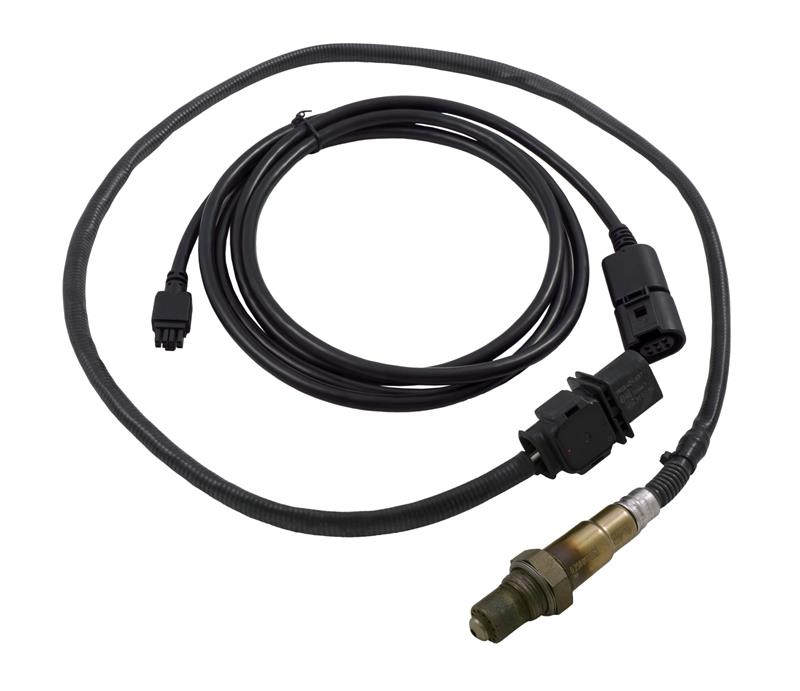
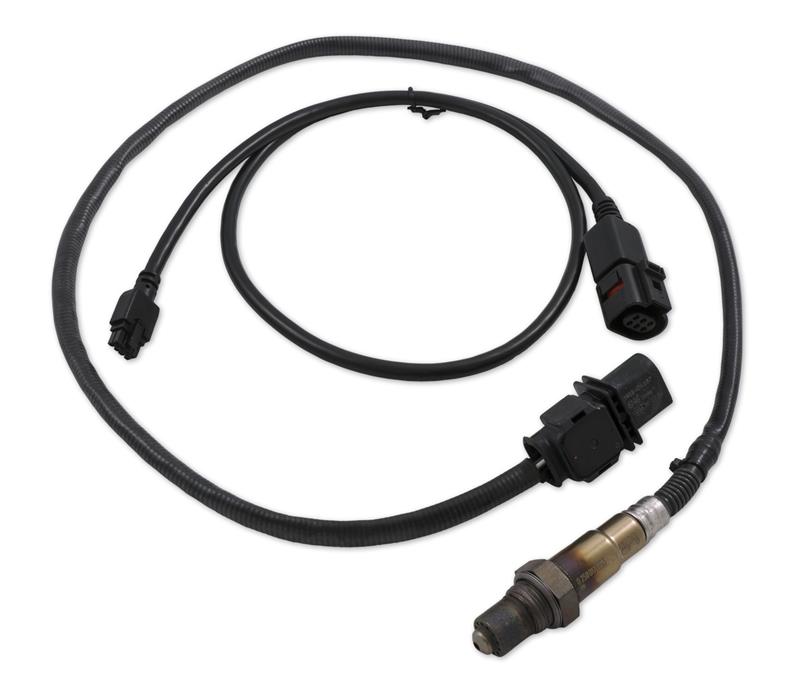
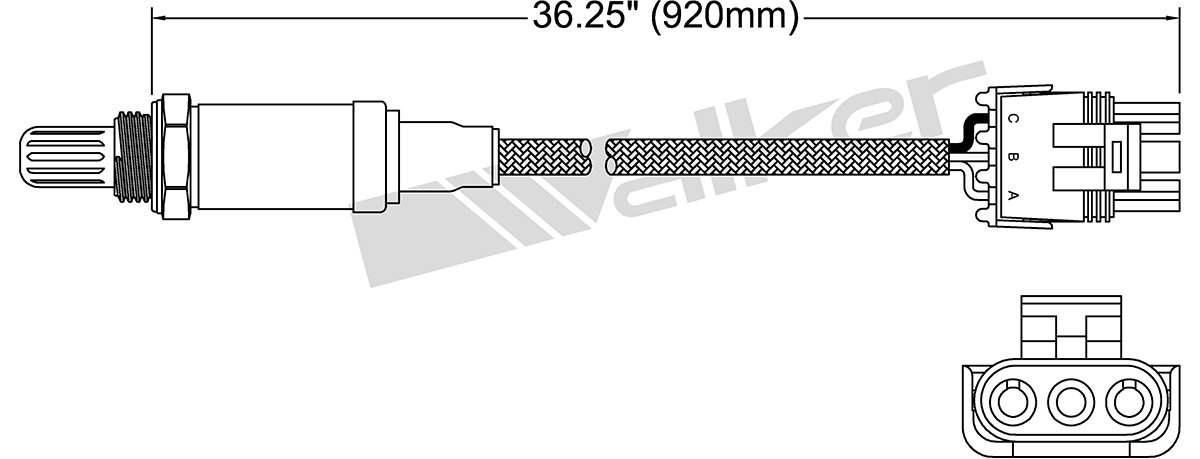
Code P0158 means your downstream oxygen sensor on Bank 2 is reporting consistently high voltage. Common causes: Faulty O2 sensor (70%), wiring issues (20%), PCM failure (10%). Drivability: Yes, safe to drive. Repair cost: $50-$200 DIY, $150-$500 professional.
Can I Drive With P0158?
Yes, safe to drive
No restrictions, but fix within 1-2 weeks
Stop driving immediately if: Flashing Check Engine Light, loud noises from the exhaust, burning smell, significant power loss.
What Are the Symptoms of P0158?
- 1Check Engine Light illuminated
- 2Reduced fuel economy
- 3Possible rotten egg smell from exhaust (if catalytic converter is failing)
What Causes P0158?
Parts most likely causing this code, ranked by probability
An internal short or failure within the sensor causes it to output a voltage signal that is consistently above its normal operating range.
70% of P0158 cases are fixed by replacing this part
A short to a power wire or damaged insulation can cause the sensor's signal wire to receive an abnormally high voltage.
20% of P0158 cases are fixed by repairing wiring or connectors
An internal fault within the PCM can cause it to incorrectly read the O2 sensor's voltage or provide an incorrect reference voltage.
10% of P0158 cases are fixed by replacing or reprogramming the PCM
Check These First (Before Buying Parts)
- Visually inspect the Bank 2 Sensor 2 O2 sensor and its wiring for any obvious damage, cuts, or corrosion.
- Check for any exhaust leaks near the sensor.
- Use an OBD-II scan tool to confirm the code and check live data for the Bank 2 Sensor 2 voltage.
How to Diagnose P0158
- 1Visually inspect the Bank 2 Sensor 2 O2 sensor and its wiring harness for any signs of damage, fraying, corrosion, or loose connections.
- 2Use an OBD-II scan tool to monitor the live data for Bank 2 Sensor 2, looking for a consistently high voltage reading (typically above 0.9V) that does not fluctuate.
- 3Disconnect the O2 sensor and check the voltage at the sensor connector using a multimeter, looking for proper reference voltage and ground.
- 4If the sensor's voltage is consistently high even when disconnected (short to voltage in wiring), or if the sensor itself shows an internal short when tested, replace the O2 sensor.
- 5If the wiring and sensor test good, but the PCM still reports high voltage, further diagnosis of the PCM or its internal circuits may be necessary.
How Do I Fix P0158 on My Vehicle?
Toyota Camry
2007-2024P0158 on Camry models is frequently resolved by replacing the downstream O2 sensor (Bank 2 Sensor 2). These sensors have a lifespan and can fail electrically.
75% fixed by O2 sensor replacement
Shop for Toyota CamryHonda Accord
2003-2024Honda Accords with P0158 often point to a failed Bank 2 Sensor 2 O2 sensor. Wiring integrity should be checked thoroughly, as rodent damage to sensor wires is not uncommon.
70% fixed by O2 sensor, 15% by wiring repair
Shop for Honda AccordFord F-150
2004-2024For Ford F-150 trucks, P0158 is typically a direct O2 sensor failure. Ensure you identify the correct bank (Bank 2 is the side without cylinder #1, usually the passenger side on V8s) and the correct sensor (Sensor 2 is downstream, after the catalytic converter).
80% fixed by O2 sensor replacement
Shop for Ford F-150Frequently Asked Questions
What does P0158 mean?
P0158 indicates that the oxygen sensor located after the catalytic converter on Bank 2 (the side of the engine without cylinder #1) is sending a consistently high voltage signal to the engine computer. This suggests the sensor is stuck in a 'rich' reading or has an electrical fault.
Can I drive with P0158?
Yes, you can drive safely with P0158. The primary issues are reduced fuel economy and increased emissions. However, fix this within 1-2 weeks to prevent potential long-term damage to your catalytic converter.
Will P0158 clear itself?
No, P0158 will not clear itself. The engine computer stores this code because it detects a persistent electrical fault or an out-of-range reading from the O2 sensor. The fault must be repaired, and the code cleared with a scan tool, or the vehicle driven through several drive cycles after repair for it to clear automatically.
How do I fix P0158 myself?
Start by visually inspecting the Bank 2 Sensor 2 O2 sensor and its wiring for damage. If the wiring looks good, use a scan tool to confirm the sensor's voltage reading. If it's consistently high, replacing the Bank 2 Sensor 2 O2 sensor is the most common fix.
How much does it cost to fix P0158?
A DIY repair for P0158 typically costs $50-$200 for a new O2 sensor. Professional repair at a shop will cost $150-$500, including parts and labor.
P0158 keeps coming back - why?
If P0158 returns, the most common reasons are an incorrect diagnosis (the sensor itself was not the problem), underlying wiring damage that was missed, or a rare PCM fault. Ensure you're replacing the correct sensor (Bank 2 Sensor 2).
Will P0158 fail emissions/smog test?
Yes, P0158 will cause your vehicle to fail an emissions or smog test. The Check Engine Light will be on, and the O2 sensor monitor will not be 'ready,' both of which are automatic failures.
What's the difference between P0158 and P0172?
P0158 specifically indicates an electrical fault or a stuck high voltage reading from the Bank 2 Sensor 2 O2 sensor circuit. P0172 (System Too Rich Bank 2) indicates that the engine computer is detecting an actual rich running condition on Bank 2, meaning there's too much fuel or not enough air. While a rich condition could lead to a high O2 sensor reading, P0158 points more directly to the sensor or its circuit.
P0158 on Honda Accord?
On Honda Accords, P0158 is most often caused by a faulty Bank 2 Sensor 2 O2 sensor. These sensors can degrade over time, especially with higher mileage. Inspect the wiring carefully, as Honda harnesses can sometimes be susceptible to rodent damage.
Questions to Ask Your Mechanic
Did you check the live data for Bank 2 Sensor 2 and confirm it's stuck high? What voltage reading did you get?
Good answer: Yes, the scan tool shows Bank 2 Sensor 2 is consistently reading 1.2V, which is out of range. Bank 1 Sensor 2 is fluctuating normally around 0.4-0.8V. We also checked the wiring for shorts and it looks good.
Repair Cost Estimate
DIY Repair
Parts only
$50-$200
Shop Repair
Parts + labor
$150-$500
Save $100-$300 by doing it yourself
Difficulty
intermediate
Time
1-2 hours
Intermediate - Requires specific tools like an O2 sensor socket and an OBD-II scan tool to confirm diagnosis and clear the code. Access to the sensor can sometimes be challenging.
Cost of Waiting
Ignoring P0158 can lead to reduced fuel economy and increased emissions. If the sensor is truly stuck rich and the engine computer tries to compensate, it can cause the engine to run lean, potentially damaging internal engine components or, more commonly, sending incorrect fuel mixtures to the catalytic converter, leading to premature failure. A $50-$200 O2 sensor job now prevents a $800-$2,500 catalytic converter replacement later.
While You're In There...
If the O2 sensor is difficult to remove or if there's an exhaust leak nearby, replacing the gasket ensures a proper seal and prevents future leaks.
Applying anti-seize to the new O2 sensor threads prevents it from seizing in the exhaust pipe, making future removal much easier.
Tools You'll Need
- OBD-II Scan Tool
- O2 Sensor Socket (7/8" or 22mm)
- Ratchet and extensions
- Multimeter
- Wire brush
- Anti-seize compound
Related Codes
The oxygen sensor after the catalytic converter on Bank 2 is reporting consistently low voltage, indicating a lean condition or a faulty sensor.
Your engine's computer detected that the downstream oxygen sensor on Bank 2 (the side of the engine without cylinder #1) is reacting too slowly to changes in exhaust gas. This sensor monitors the efficiency of your catalytic converter.
Your engine's computer isn't detecting any signal from the oxygen sensor after the catalytic converter on Bank 2. This sensor monitors the exhaust gases.
Your engine's computer detects that the fuel system on Bank 1 is running too rich, meaning there's too much fuel and not enough air in the exhaust.
P0158 is a common emissions system code. Most repairs involve replacing a single O2 sensor, which is a straightforward job for an intermediate DIYer, and your vehicle's fuel economy and emissions will return to normal afterward.
- Family-owned since 1957
- 990,000+ happy customers
- Fast nationwide shipping
- Easy returns
Your Next Steps
Step 1: Visually inspect the Bank 2 Sensor 2 O2 sensor and its wiring harness for any signs of damage, fraying, or corrosion. Ensure the connector is securely attached.
Step 2: Use an OBD-II scan tool to monitor the live data for Bank 2 Sensor 2. If the voltage is consistently high (e.g., above 0.9V) and does not fluctuate, the sensor is likely faulty.
Step 3: If the visual inspection and scan tool data point to a faulty sensor, you'll likely need a new Bank 2 Sensor 2 O2 sensor. Consider purchasing an O2 sensor socket for easier removal and installation.