P0165 Code
Fix within 1-2 weeksThe heater circuit for the oxygen sensor located after the catalytic converter on the engine bank without cylinder #1 (Bank 2, Sensor 3) is not working correctly.
What Does P0165 Mean?
Code P0165 means the O2 sensor heater circuit for Bank 2 Sensor 3 is faulty. Common causes: Bad O2 sensor (85%), wiring issues (10%). Drivability: Yes, safe to drive. Repair cost: $50-$200 DIY, $150-$500 professional.
Can I Drive With P0165?
Yes, safe to drive
No restrictions
Stop driving immediately if: Flashing Check Engine Light (indicates misfire), loud exhaust noises, burning smell, significant power loss.
What Are the Symptoms of P0165?
- 1Check Engine Light is on
- 2Slightly reduced fuel economy
- 3Increased exhaust emissions
What Causes P0165?
Parts most likely causing this code, ranked by probability
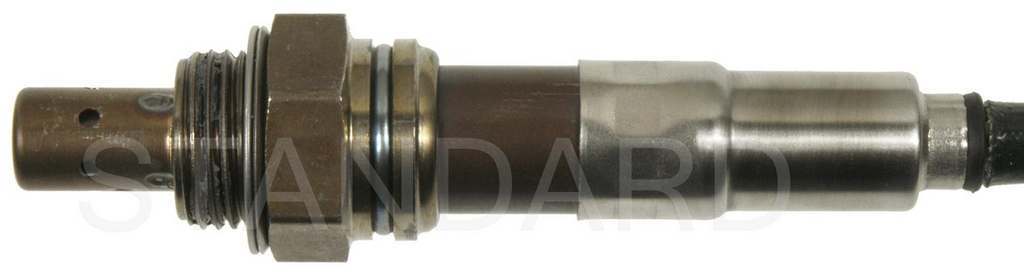
The heater element inside the oxygen sensor itself has failed, preventing it from reaching operating temperature quickly.
85% of P0165 cases are fixed by replacing this part
Damaged wires, corroded terminals, or a loose connection can interrupt power to the O2 sensor's heater circuit.
10% of P0165 cases are fixed by repairing wiring or connectors
A blown fuse in the O2 sensor heater circuit will cut off power to the sensor's heating element.
4% of P0165 cases are fixed by replacing a fuse
The engine computer is failing to properly control or supply power to the O2 sensor heater circuit. This is a rare cause.
1% of P0165 cases are fixed by addressing ECM/PCM issues
Check These First (Before Buying Parts)
- Visually inspect the Bank 2 Sensor 3 oxygen sensor and its wiring for any obvious damage, cuts, or corrosion.
- Locate and check the fuse for the O2 sensor heater circuit in your vehicle's fuse box. A blown fuse is a quick and cheap fix.
How to Diagnose P0165
- 1Visually inspect the Bank 2 Sensor 3 oxygen sensor and its wiring harness for any damage, corrosion, or loose connections.
- 2Locate and check the fuse for the O2 sensor heater circuit in your vehicle's fuse box. Replace if blown.
- 3Using a multimeter, check for voltage at the O2 sensor connector (heater circuit wires) with the ignition on.
- 4Disconnect the O2 sensor and measure the resistance of the heater element across the appropriate pins on the sensor itself. Compare to factory specifications.
- 5If voltage and resistance are within spec, consider replacing the O2 sensor.
How Do I Fix P0165 on My Vehicle?
Ford F-150
2004-2024Some F-150 models, particularly those with larger engines or specific emissions packages, may utilize a third O2 sensor (Sensor 3) on each bank. The heater circuit is a common failure point for these sensors.
85% fixed by replacing the O2 sensor
Shop for Ford F-150Chevrolet Silverado
2007-2024Similar to the F-150, certain Silverado configurations can have a Bank 2 Sensor 3. The P0165 code points directly to the heater element within this sensor or its wiring. Corrosion in the harness connectors is a common issue.
80% fixed by replacing the O2 sensor, 15% by wiring repair
Shop for Chevrolet SilveradoToyota Tundra
2007-2024Toyota Tundra models with complex exhaust systems or specific engine variants might trigger P0165. The O2 sensor heater circuit is a known wear item, especially in areas with harsh weather conditions.
85% fixed by replacing the O2 sensor
Shop for Toyota TundraFrequently Asked Questions
What does P0165 mean?
P0165 indicates a problem with the heater circuit of the oxygen sensor located on Bank 2 (the side of the engine without cylinder #1) and is the third sensor in the exhaust stream for that bank. The heater helps the sensor reach operating temperature quickly for accurate readings.
Can I drive with P0165?
Yes, you can drive safely with a P0165 code. This code typically does not cause immediate drivability issues or engine damage. However, your fuel economy may decrease, and your vehicle will produce higher emissions. Fix this within 1-2 weeks.
Will P0165 clear itself?
No, P0165 will not clear itself. The Check Engine Light will remain on until the underlying heater circuit issue is diagnosed and repaired. Once fixed, the code can be cleared with an OBD-II scanner or may clear after several drive cycles if the fault is no longer detected.
How do I fix P0165 myself?
Start by visually inspecting the O2 sensor and its wiring. Check the fuse for the O2 sensor heater circuit. If those are good, use a multimeter to test for power at the O2 sensor connector and measure the resistance of the heater element on the sensor itself. If the sensor's heater element shows infinite resistance or is outside specifications, replace the Bank 2 Sensor 3 oxygen sensor.
How much does it cost to fix P0165?
A DIY fix for P0165 typically costs $50-$200 for a new oxygen sensor. If you take it to a professional shop, expect to pay $150-$500, which includes parts and labor.
P0165 keeps coming back - why?
If P0165 keeps returning, it indicates the initial repair did not fully address the problem. Common reasons include: a faulty new O2 sensor, a persistent wiring issue that was not fully repaired, a blown fuse that keeps blowing due to a short, or, in rare cases, a problem with the engine computer (ECM/PCM).
Will P0165 fail emissions/smog test?
Yes, a P0165 code will cause your vehicle to fail an emissions or smog test. The Check Engine Light being on is an automatic failure in most jurisdictions, and the faulty O2 sensor heater circuit means the emissions system is not functioning as designed.
What's the difference between P0165 and P0161?
P0165 refers to a heater circuit malfunction for Bank 2 Sensor 3. P0161 refers to a heater circuit malfunction for Bank 2 Sensor 2. The difference is the specific sensor location: Sensor 2 is the downstream (post-catalytic converter) sensor, while Sensor 3 is a third sensor in the exhaust stream for that bank, which is less common and found on specific vehicle configurations.
P0165 on Ford F-150?
On a Ford F-150, P0165 indicates a heater circuit issue with the Bank 2 Sensor 3 O2 sensor. This sensor is typically found on models with specific emissions systems or multiple catalytic converters. The most common fix is replacing the O2 sensor itself, but always check wiring and fuses first.
Questions to Ask Your Mechanic
Did you check the fuse for the O2 sensor heater circuit before condemning the sensor?
Good answer: Yes, I confirmed the fuse is good and there's power reaching the O2 sensor connector. The sensor itself tested open on the heater circuit.
What were the voltage and resistance readings you got for the Bank 2 Sensor 3 heater circuit?
Good answer: I measured 12 volts at the connector with the ignition on, and the sensor's heater element showed infinite resistance, indicating an internal break.
Repair Cost Estimate
DIY Repair
Parts only
$50-$200
Shop Repair
Parts + labor
$150-$500
Save $100-$300 by doing it yourself
Difficulty
intermediate
Time
1-2 hours
Intermediate - requires crawling under the vehicle, basic electrical testing with a multimeter, and potentially a specialized O2 sensor socket.
Cost of Waiting
Ignoring P0165 means your engine's computer is not getting accurate, timely data from that O2 sensor. This leads to reduced fuel economy and increased emissions. While it won't immediately damage your engine, prolonged driving with incorrect fuel trims can eventually impact the lifespan of other emissions components, like your catalytic converter.
While You're In There...
If you're disconnecting exhaust components to access the O2 sensor, replacing old gaskets prevents exhaust leaks and ensures a proper seal.
Applying anti-seize to the threads of the new O2 sensor prevents it from seizing in the exhaust pipe, making future removal easier.
Tools You'll Need
- OBD-II scanner
- Jack and jack stands
- Ratchet and socket set
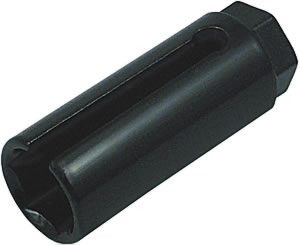
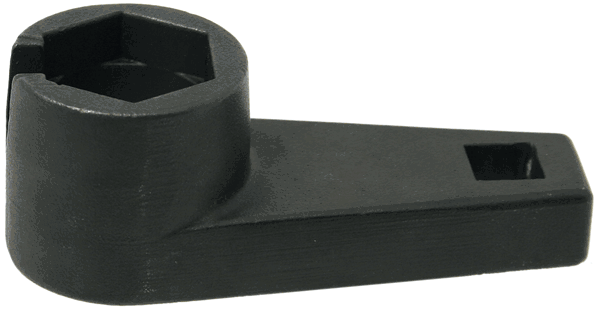
- Oxygen sensor socket (7/8 inch or 22mm)
- Multimeter
- Wire brush (for cleaning threads)
Related Codes
Your upstream oxygen sensor (Bank 1 Sensor 1) isn't heating up properly. This sensor needs to be hot to accurately measure exhaust gases and help your engine run efficiently.
Your engine computer detected a problem with the heater circuit in the oxygen sensor located after the catalytic converter on the side of the engine with cylinder #1 (Bank 1 Sensor 2). The heater helps the sensor warm up quickly to provide accurate exhaust readings.
Oxygen Sensor Heater Circuit Malfunction (Bank 2 Sensor 1)
Oxygen Sensor Heater Circuit Malfunction (Bank 2 Sensor 2)
P0165 is a common electrical issue with an oxygen sensor heater. It's usually a straightforward fix, and your vehicle will run more efficiently once it's resolved.
- Family-owned since 1957
- 990,000+ happy customers
- Fast nationwide shipping
- Easy returns
Your Next Steps
Step 1: Perform a thorough visual inspection of the Bank 2 Sensor 3 O2 sensor and its wiring. Look for frayed wires, melted insulation, or corroded connectors.
Step 2: Check the fuse for the O2 sensor heater circuit. Consult your vehicle's owner's manual for the exact fuse location and rating. Replace if blown.
Step 3: If the fuse is good and wiring looks intact, use a multimeter to test for power at the O2 sensor connector and measure the resistance of the heater element on the sensor itself. If the sensor's heater element is faulty, you'll need a new Bank 2 Sensor 3 oxygen sensor.