P0196 Code
Fix within 1-2 weeksThe engine computer (PCM) is receiving an abnormal signal from the engine oil temperature sensor, indicating a problem with the sensor's reading or its circuit.
What Does P0196 Mean?
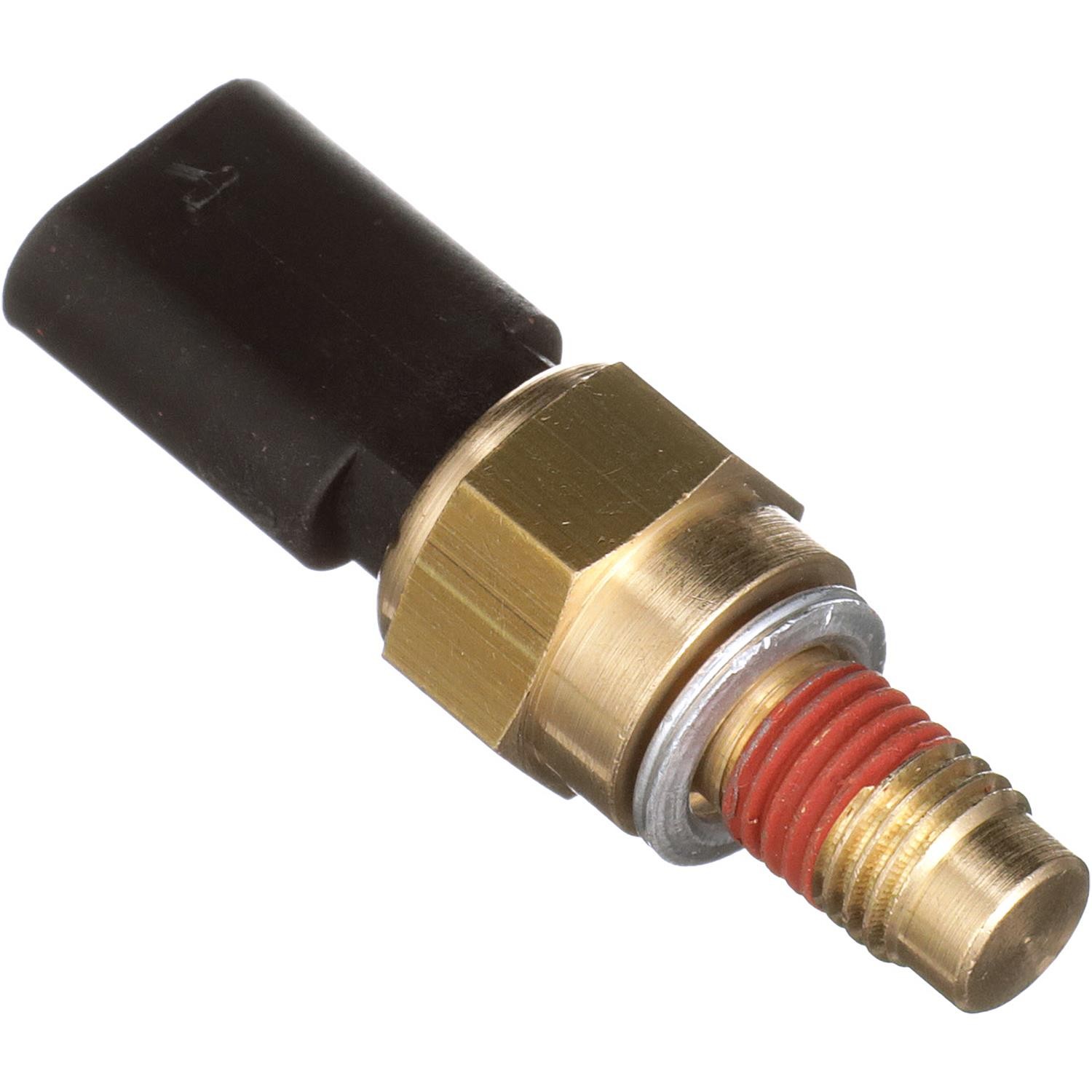
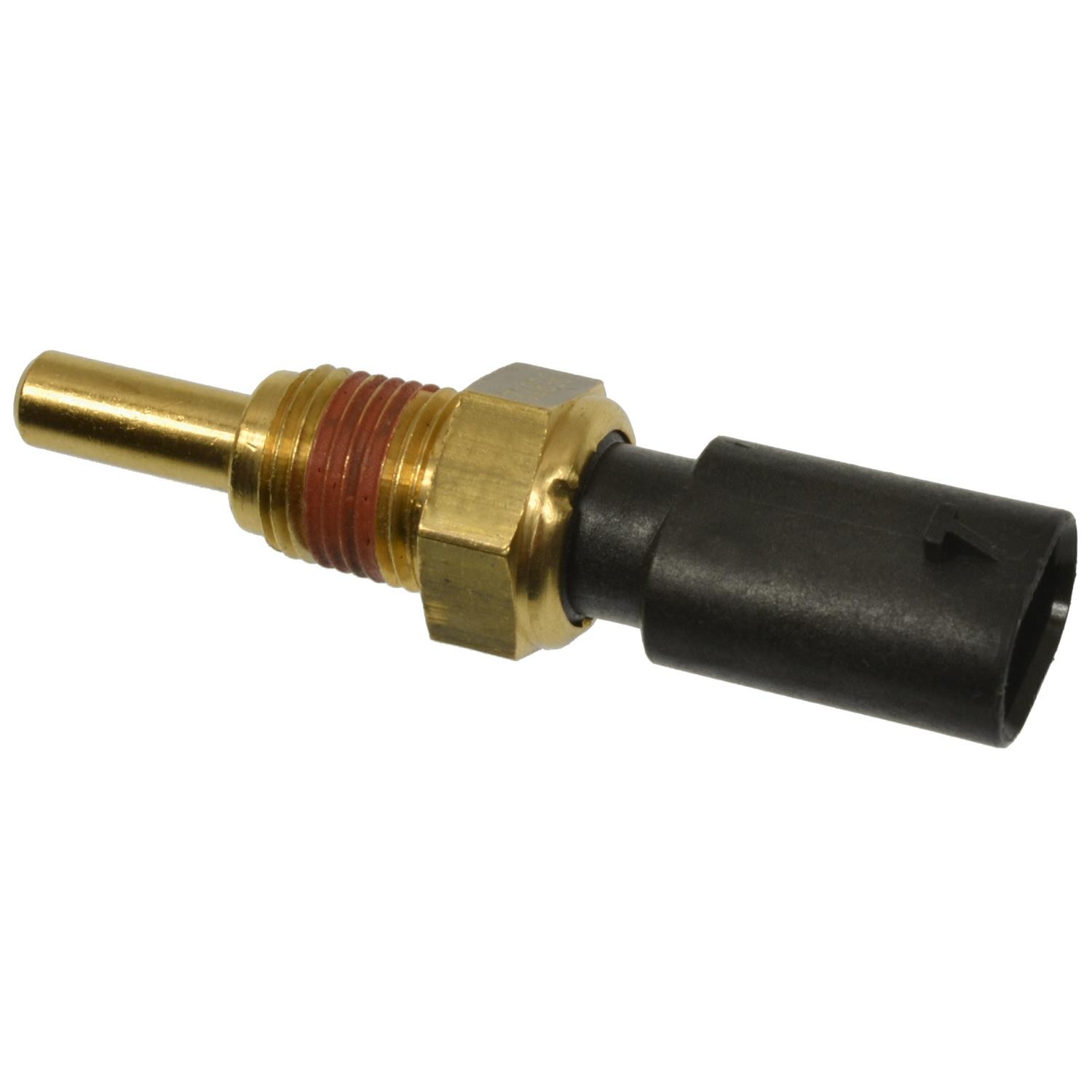
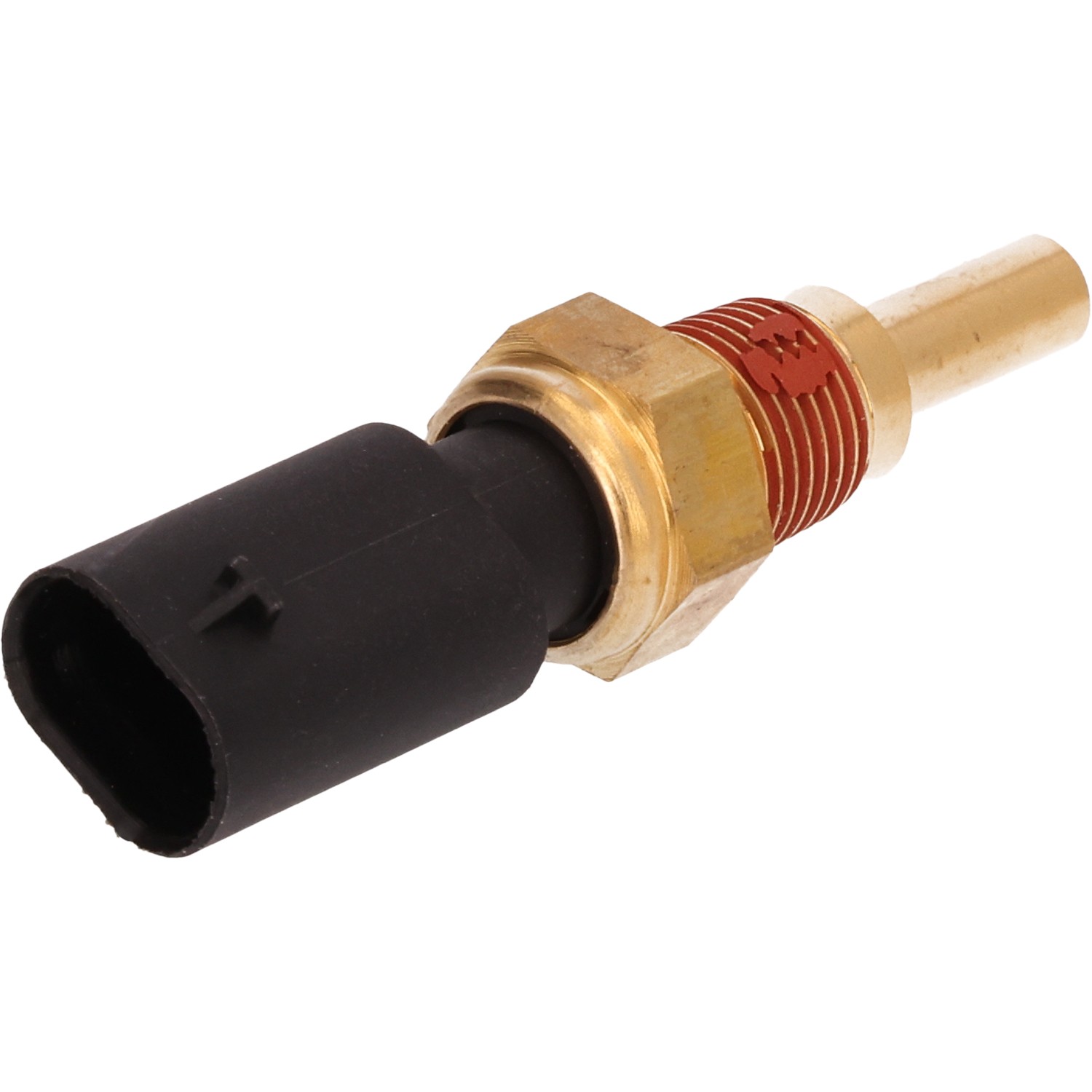
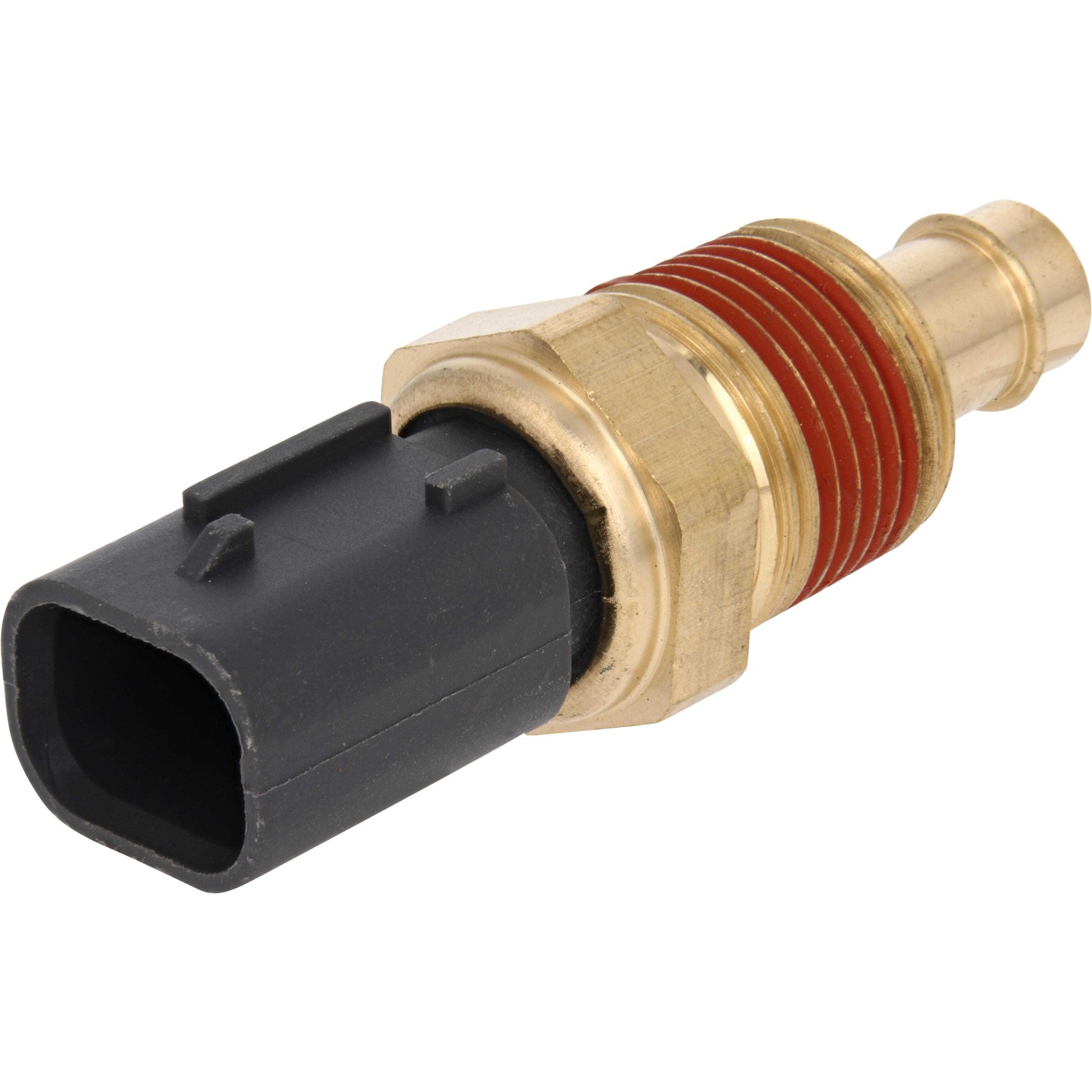
Code P0196 means your engine oil temperature sensor isn't reporting correctly. Common causes: Faulty sensor (70%), wiring issues (25%). Drivability: Yes, safe to drive, but fix within 1-2 weeks. Repair cost: $50-$200 DIY, $150-$500 professional.
Can I Drive With P0196?
Yes, safe to drive
No restrictions
Stop driving immediately if: Flashing CEL, loud engine noises, burning smell, significant power loss, or actual engine overheating.
What Are the Symptoms of P0196?
- 1Check Engine Light is on
- 2Engine temperature gauge reading incorrectly (if integrated with oil temp)
- 3Engine cooling fan running constantly or not at all
- 4Reduced engine performance (less common, but possible if PCM uses oil temp for fuel/timing)
What Causes P0196?
Parts most likely causing this code, ranked by probability
The sensor itself has failed internally, providing an inaccurate or no signal to the engine computer.
70% of P0196 cases are fixed by replacing this part
Damaged, corroded, or loose wiring or a faulty connector prevents the sensor's signal from reaching the engine computer correctly.
25% of P0196 cases are fixed by repairing the wiring or connector
Extremely low or severely contaminated engine oil can cause the sensor to read outside its normal operating range.
5% of P0196 cases are fixed by addressing oil level or quality
Check These First (Before Buying Parts)
- Check your engine oil level and top it off if it's low. Ensure the oil is clean and not severely contaminated.
- Visually inspect the engine oil temperature sensor and its electrical connector for any obvious signs of damage, fraying, or corrosion.
How to Diagnose P0196
- 1Check your engine oil level and condition; top off or change if necessary.
- 2Visually inspect the engine oil temperature sensor and its wiring harness for any obvious damage, corrosion, or loose connections.
- 3Using a multimeter, test the resistance of the oil temperature sensor at various engine temperatures (if accessible and specifications are available).
- 4With a scan tool, monitor the engine oil temperature sensor reading and compare it to the coolant temperature sensor reading when the engine is cold.
- 5Check for proper voltage supply and ground at the sensor connector using a multimeter.
How Do I Fix P0196 on My Vehicle?
Toyota Camry
2007-2024P0196 on a Camry is typically a straightforward sensor replacement. Access to the sensor can vary by engine, but it's generally located near the oil filter housing or oil pan.
70% fixed by replacing the sensor
Shop for Toyota CamryHonda Accord
2003-2024For Honda Accord, P0196 often points to a faulty sensor. Always inspect the connector for corrosion, as Honda connectors can sometimes be susceptible to moisture intrusion.
70% fixed by replacing the sensor
Shop for Honda AccordFord F-150
2004-2024On an F-150, the oil temperature sensor is a common failure point for P0196. Check for any signs of physical damage to the sensor or wiring due to its location, which can be exposed.
70% fixed by replacing the sensor
Shop for Ford F-150Chevrolet Silverado
2007-2024Silverado owners with P0196 should first verify oil level and condition. After that, the oil temperature sensor and its wiring are the primary suspects, often found near the oil pan or cooler lines.
70% fixed by replacing the sensor
Shop for Chevrolet SilveradoFrequently Asked Questions
What does P0196 mean?
P0196 indicates that your vehicle's engine computer has detected an issue with the engine oil temperature sensor's signal, meaning the sensor is either faulty or its circuit has a problem.
Can I drive with P0196?
Yes, you can drive safely with a P0196 code. The engine computer will likely use a default value for oil temperature, but it's important to fix it within 1-2 weeks to ensure accurate engine management and prevent potential issues.
Will P0196 clear itself?
No, P0196 will not clear itself. The Check Engine Light will remain on until the underlying issue with the oil temperature sensor or its circuit is diagnosed and repaired.
How do I fix P0196 myself?
Start by checking your oil level and inspecting the sensor's wiring. If those are good, you'll likely need to replace the engine oil temperature sensor. You may need a multimeter to test the sensor and wiring.
How much does it cost to fix P0196?
A DIY fix for P0196 typically costs $50-$200 for the sensor and basic tools. Professional repair at a shop will cost $150-$500, covering parts and labor.
P0196 keeps coming back - why?
If P0196 keeps returning, it usually means the initial diagnosis missed something. Double-check the wiring and connector thoroughly, ensure the new sensor is functioning correctly, or consider a rare PCM issue if all else fails.
Will P0196 fail emissions/smog test?
Yes, a P0196 code will cause your vehicle to fail an emissions or smog test. The Check Engine Light being on is an automatic failure in most jurisdictions.
What's the difference between P0196 and P0197?
P0196 indicates a general range or performance issue with the oil temperature sensor. P0197 specifically means the sensor's input signal is too low, often indicating an open circuit or a short to ground.
P0196 on Ford F-150?
On a Ford F-150, P0196 points to the same engine oil temperature sensor issue. The most common fix is replacing the sensor itself, followed by checking the wiring harness for damage or corrosion, especially in areas exposed to road debris.
Questions to Ask Your Mechanic
Did you check the resistance of the oil temperature sensor at different temperatures?
Good answer: Yes, I monitored the sensor's resistance and compared it to factory specifications, and it was out of range, or it showed an open/short circuit.
What did you find when inspecting the sensor's wiring and connector?
Good answer: I found no visible damage, corrosion, or loose pins. I also checked for continuity and proper voltage supply to the sensor.
Repair Cost Estimate
DIY Repair
Parts only
$50-$200
Shop Repair
Parts + labor
$150-$500
Save $100-$300 by doing it yourself
Difficulty
intermediate
Time
1-2 hours
Intermediate - requires basic hand tools, a multimeter for testing, and potentially a scan tool to monitor live data. Access to the sensor can be challenging on some vehicles.
Cost of Waiting
Ignoring P0196 means your engine computer is operating with inaccurate oil temperature data. This can lead to incorrect fuel mixture, ignition timing, or cooling fan operation, potentially causing reduced fuel economy, increased emissions, or in severe cases, engine overheating if other systems rely on this input.
While You're In There...
If you're accessing the oil pan or draining oil to replace the sensor, it's a good time to perform an oil change if it's due or if the oil quality is suspect.
Tools You'll Need
- OBD-II Scan Tool
- Multimeter
- Socket set
- Wrench set
- Oil drain pan (if sensor is in oil pan)
- Jack and jack stands (for under-car access)
Related Codes
Engine Oil Temperature Sensor Malfunction
The engine computer detects that the engine oil temperature sensor is reporting an extremely low temperature, indicating a problem with the sensor or its circuit.
Your engine's computer is getting a signal from the engine oil temperature sensor that is too high, indicating an issue with the sensor or its circuit.
P0196 is a common sensor code. Most repairs are under $200 for parts and your engine will have accurate temperature data afterward, ensuring proper operation.
- Family-owned since 1957
- 990,000+ happy customers
- Fast nationwide shipping
- Easy returns
Your Next Steps
Step 1: Check your engine oil level and condition. If low or dirty, address that first and clear the code.
Step 2: If the oil is good, visually inspect the oil temperature sensor and its wiring for damage. Repair any obvious issues.
Step 3: If visual inspection doesn't reveal the problem, use a scan tool to monitor the sensor's live data. If it shows an implausible reading or no reading, test the sensor's resistance with a multimeter. If the sensor tests bad, replace the engine oil temperature sensor.