P0230 Code
Fix within a few daysThe engine computer detects a problem in the primary circuit that powers your fuel pump.
What Does P0230 Mean?
Code P0230 means your engine computer detected a problem in the fuel pump's power circuit. Common causes: Fuel pump relay (40%), blown fuse (25%), wiring issues (20%). Drivability: No, stop driving. Repair cost: $20-$150 DIY, $100-$500 professional.
Can I Drive With P0230?
No, stop driving
Immediate repair needed
Stop driving immediately if: Engine stalls, vehicle won't start, significant power loss.
What Are the Symptoms of P0230?
- 1Engine cranks but won't start
- 2Engine stalls unexpectedly while driving
- 3Engine runs rough or misfires
- 4Loss of engine power or hesitation
- 5Check Engine Light is on
What Causes P0230?
Parts most likely causing this code, ranked by probability
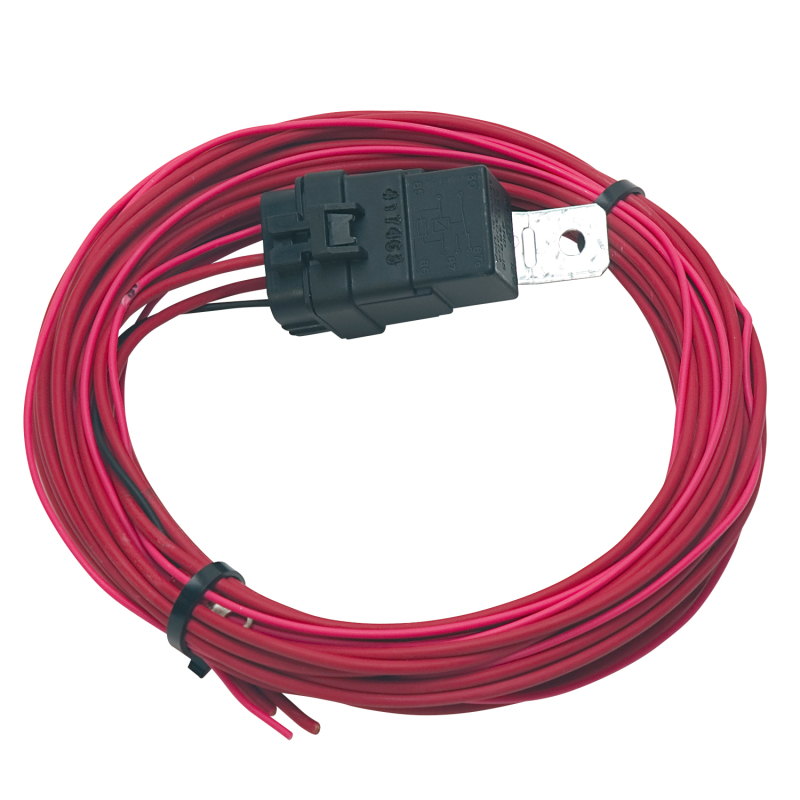
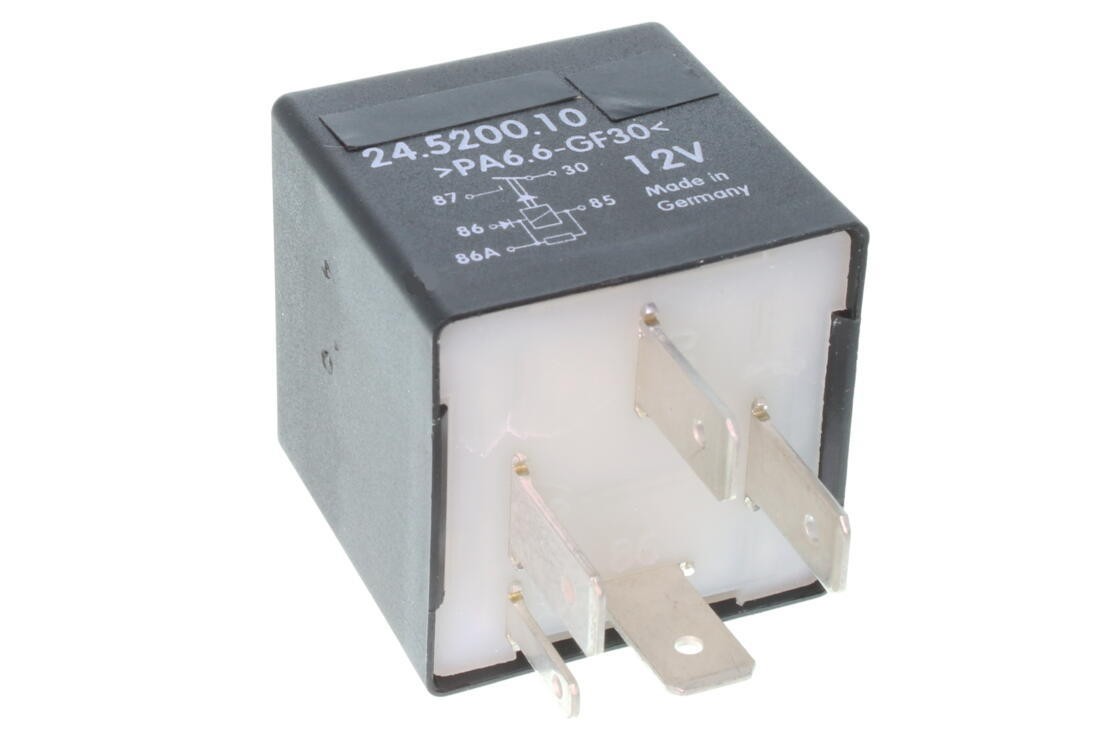
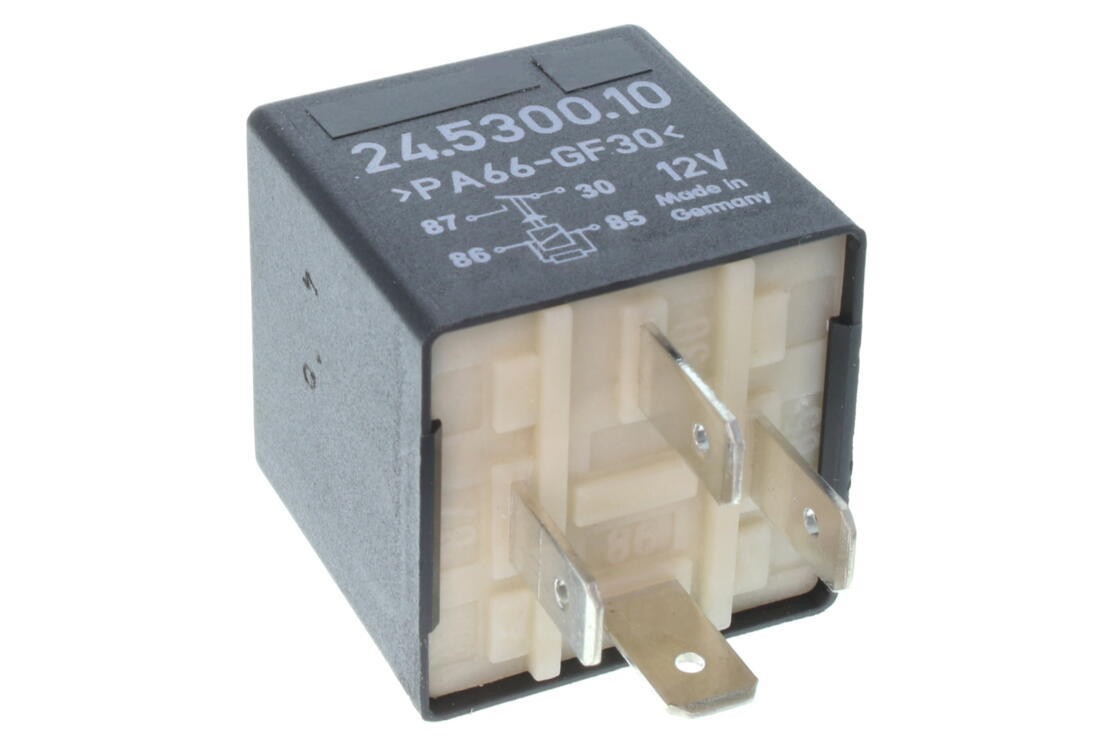
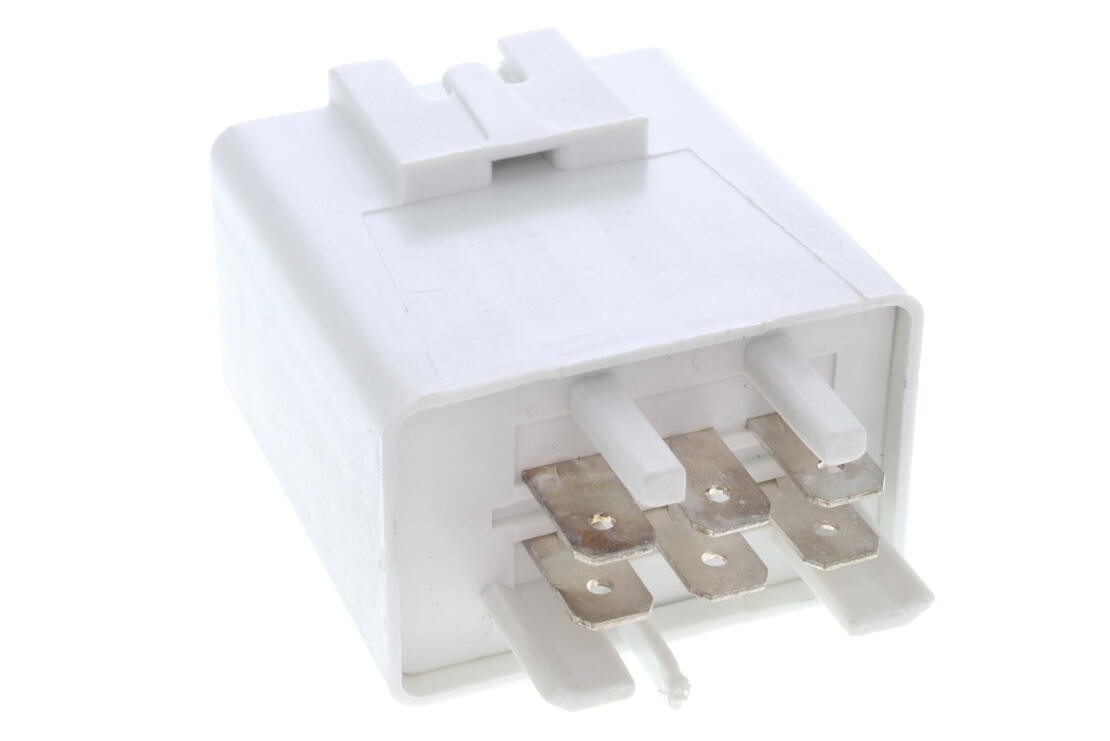
A faulty fuel pump relay prevents power from reaching the fuel pump, causing the circuit malfunction.
40% of P0230 cases are fixed by replacing the fuel pump relay
A blown fuse interrupts the power supply to the fuel pump, triggering the circuit malfunction code.
25% of P0230 cases are fixed by replacing the fuel pump fuse
Corroded, loose, or damaged wiring and connectors in the fuel pump circuit disrupt power flow and signal integrity.
20% of P0230 cases are fixed by repairing wiring or connectors
A failing fuel pump can draw too much current or have an internal short, causing the primary circuit to malfunction.
10% of P0230 cases are fixed by replacing the fuel pump
A faulty control module responsible for regulating fuel pump voltage can cause the primary circuit to report a malfunction.
5% of P0230 cases are fixed by replacing the FPCM or ECM
Check These First (Before Buying Parts)
- Check the fuel pump fuse in your vehicle's fuse box.
- Locate and swap the fuel pump relay with another identical relay (e.g., horn relay) to test it.
How to Diagnose P0230
- 1Check the fuel pump fuse in your vehicle's fuse box; replace if blown.
- 2Locate the fuel pump relay and swap it with a known good relay (like the horn relay) to see if the problem resolves.
- 3Use a multimeter to check for voltage at the fuel pump connector when the key is turned to the 'on' position.
- 4Inspect all wiring and connectors in the fuel pump circuit for corrosion, damage, or loose connections.
- 5If power is present at the pump but it's not running, test the fuel pump directly by applying power and ground (use caution and consult a repair manual).
- 6If all other components check out, consider testing the fuel pump control module or ECM.
How Do I Fix P0230 on My Vehicle?
Ford F-150
2004-2014Many Ford F-150s in these years are known for issues with the Fuel Pump Driver Module (FPDM), which is mounted on the frame and exposed to corrosion. A failing FPDM can cause P0230.
30% fixed by FPDM replacement
Shop for Ford F-150Chevrolet Silverado
2007-2013Silverados can experience P0230 due to common fuel pump relay failures or wiring harness issues near the fuel tank or under the bed, especially in areas with road salt.
45% fixed by relay or wiring repair
Shop for Chevrolet SilveradoHonda Accord
2003-2012While less common for specific component failures, P0230 on Honda Accords often traces back to a faulty fuel pump relay or a blown fuse, sometimes due to an aging fuel pump drawing excessive current.
50% fixed by relay or fuse replacement
Shop for Honda AccordFrequently Asked Questions
What does P0230 mean?
P0230 indicates that your vehicle's engine computer (PCM) has detected an electrical fault in the primary circuit that supplies power to the fuel pump.
Can I drive with P0230?
No, stop driving. This code means your fuel pump circuit is malfunctioning, which can cause your engine to stall unexpectedly or not start at all. Driving with this issue is unsafe and can leave you stranded.
Will P0230 clear itself?
No, P0230 will not clear itself. This code indicates a hard fault in the fuel pump's electrical circuit. The underlying issue must be diagnosed and repaired before the code can be cleared, either manually with a scan tool or by the vehicle's computer after several drive cycles once the problem is fixed.
How do I fix P0230 myself?
You can start by checking the fuel pump fuse and replacing it if blown. Next, swap the fuel pump relay with a known good one. If those don't work, you'll need a multimeter to test for power at the fuel pump connector and inspect the wiring for damage or corrosion.
How much does it cost to fix P0230?
DIY costs range from $5 for a fuse to $50 for a relay, or $100-$300 for wiring repairs. Professional repair costs typically range from $100-$500, depending on whether it's a fuse, relay, or more complex wiring diagnosis.
P0230 keeps coming back - why?
If P0230 keeps returning, it means the root cause wasn't fully addressed. This often happens if you only replaced a blown fuse without finding what caused it to blow (like a failing fuel pump drawing too much current), or if there's an intermittent wiring issue that wasn't properly identified.
Will P0230 fail emissions/smog test?
Yes, P0230 will cause your vehicle to fail an emissions or smog test. The Check Engine Light being on automatically results in a failure in most states, and a fuel system malfunction directly impacts emissions.
What's the difference between P0230 and P0231?
P0230 indicates a general malfunction in the fuel pump primary circuit. P0231 specifically means the fuel pump primary circuit has a 'low' condition, often indicating insufficient voltage or an open circuit, while P0232 means a 'high' condition, often indicating a short to voltage.
P0230 on Ford F-150
On Ford F-150s, P0230 can sometimes be related to a failing Fuel Pump Driver Module (FPDM), which is located on the frame rail. While the code points to the primary circuit, the FPDM's failure to properly control the pump can trigger this code. Check the FPDM for corrosion or cracks.
Questions to Ask Your Mechanic
Did you check the fuel pump fuse and relay first?
Good answer: Yes, I confirmed the fuse is good and swapped the relay with a known working one. The problem persists, so I'm moving on to checking voltage at the pump.
What voltage are you seeing at the fuel pump connector?
Good answer: I'm seeing [X] volts when the key is on, which is lower than specified, indicating a voltage drop, or I'm seeing no voltage at all.
Repair Cost Estimate
DIY Repair
Parts only
$5-$300
Shop Repair
Parts + labor
$100-$500
Save $95-$200 by doing it yourself
Difficulty
intermediate
Time
0.5-2 hours
Intermediate - requires basic electrical diagnostic skills and a multimeter to accurately pinpoint the problem beyond simple fuse/relay checks.
Cost of Waiting
Ignoring P0230 means your vehicle can stall unexpectedly, leaving you stranded in traffic or on the side of the road. Continued attempts to start with a faulty circuit can also stress other electrical components.
While You're In There...
If you're replacing the fuel pump, it's a good time to replace the fuel filter (if external and accessible) to ensure clean fuel flow and prevent future pump strain.
Tools You'll Need
- OBD-II Scan Tool
- Multimeter
- Test Light
- Basic Hand Tools (screwdrivers, pliers)
- Fuse Puller
Related Codes
Fuel Pump Secondary Circuit Low
The engine computer detected a higher than expected voltage in the fuel pump's secondary circuit.
Ignition Coil 'C' Secondary Circuit Malfunction, indicating a problem with the high-voltage side of the ignition coil for cylinder #3.
P0230 is an electrical issue with your fuel pump circuit. Most repairs are straightforward, often involving a simple fuse or relay replacement, and your vehicle will be back on the road reliably.
- Family-owned since 1957
- 990,000+ happy customers
- Fast nationwide shipping
- Easy returns
Your Next Steps
Step 1: Check the fuel pump fuse. If blown, replace it. If it blows again, there's a short or a failing component drawing too much current.
Step 2: Swap the fuel pump relay with a known good one. If the car starts, replace the relay.
Step 3: If the fuse and relay are good, use a multimeter to check for voltage at the fuel pump connector. If no voltage, trace the wiring back to the fuse box/relay. If voltage is present but the pump doesn't run, the pump itself is likely faulty.