P0238 Code
Fix within a few daysTurbocharger/Supercharger Boost Sensor "A" Circuit High
What Does P0238 Mean?
Code P0238 means your turbo/supercharger boost sensor is sending a high voltage signal. Common causes: Faulty boost sensor (70%), wiring issues (25%). Drivability: Limit driving, fix within a few days. Repair cost: $50-$150 DIY, $150-$400 professional.
Can I Drive With P0238?
Limit driving, fix within a few days
Essential trips under 10 miles, avoid highways and heavy acceleration. Get it fixed soon.
Stop driving immediately if: Flashing CEL, significant power loss, loud engine noises, black smoke from exhaust.
What Are the Symptoms of P0238?
- 1Check Engine Light is on
- 2Reduced engine power or "limp mode"
- 3Engine hesitation or poor acceleration
- 4Black smoke from the exhaust (especially in diesel engines)
- 5Engine may run rough or stall
What Causes P0238?
Parts most likely causing this code, ranked by probability
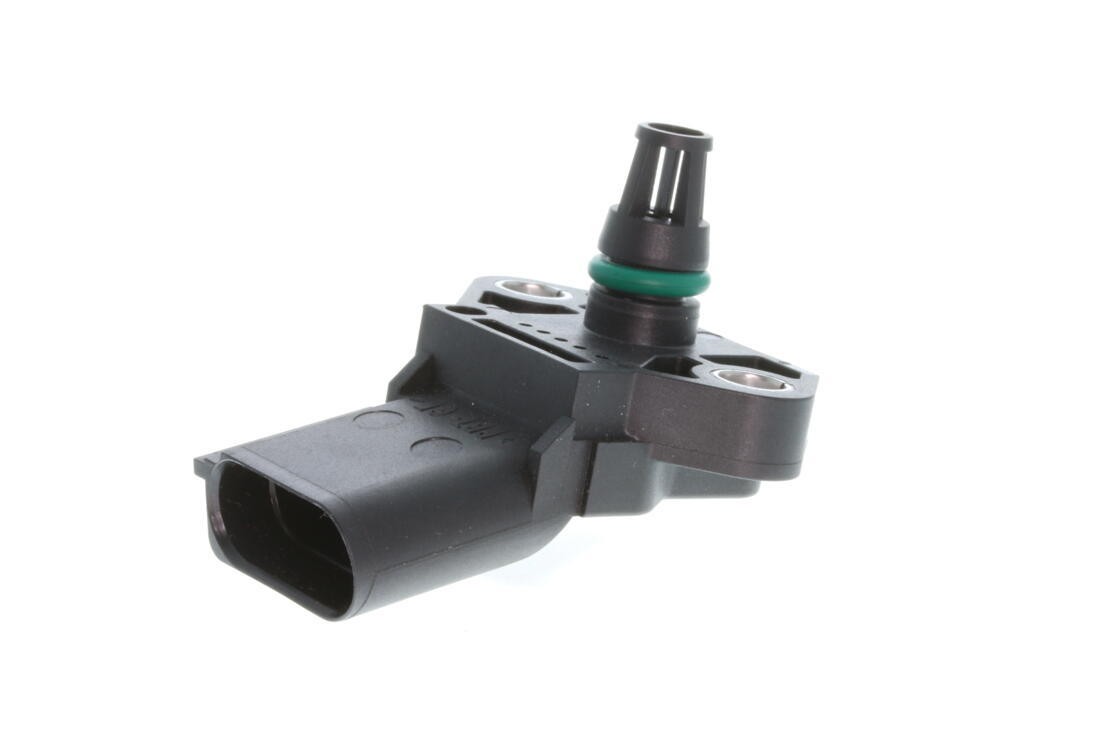
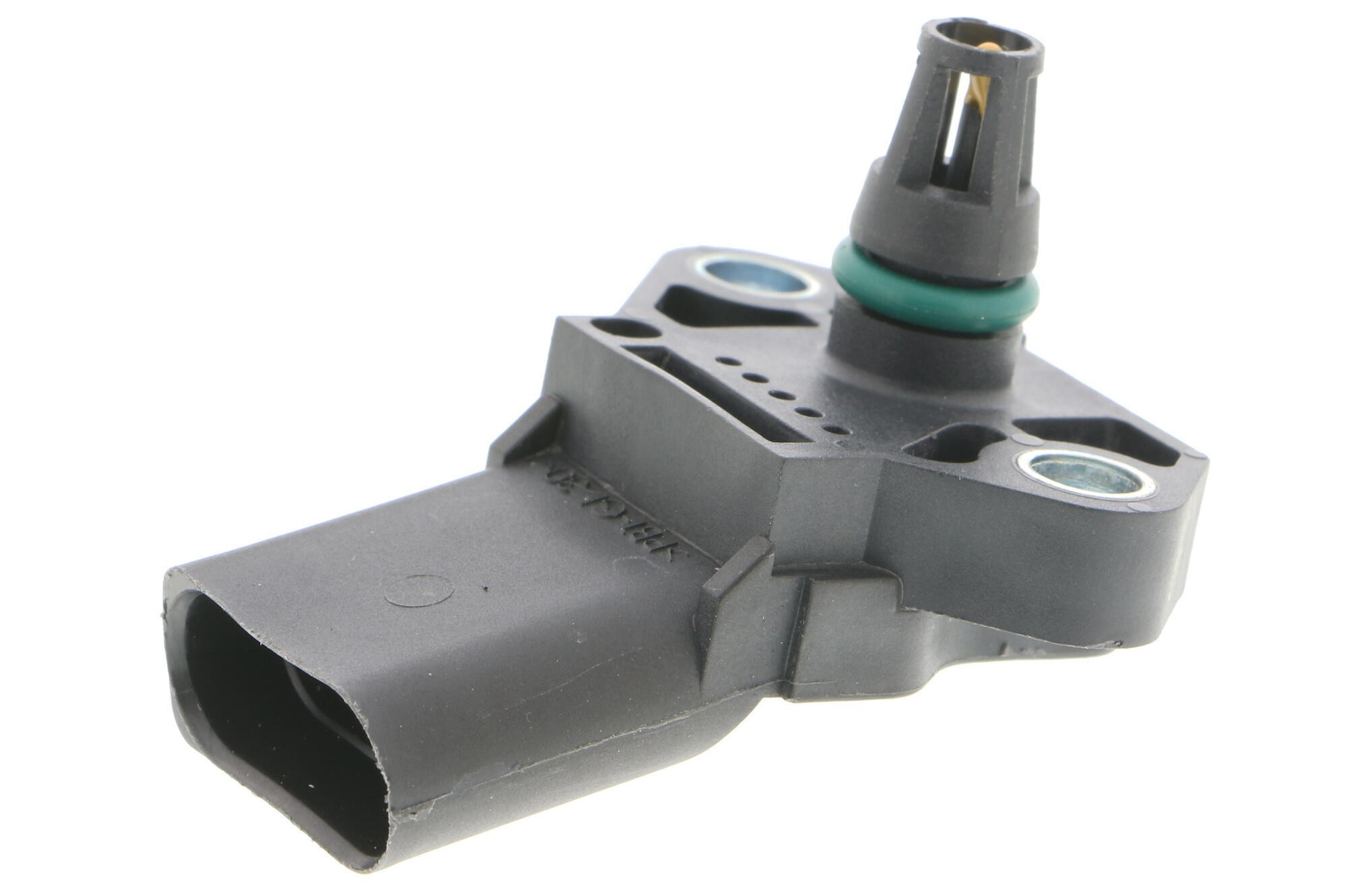
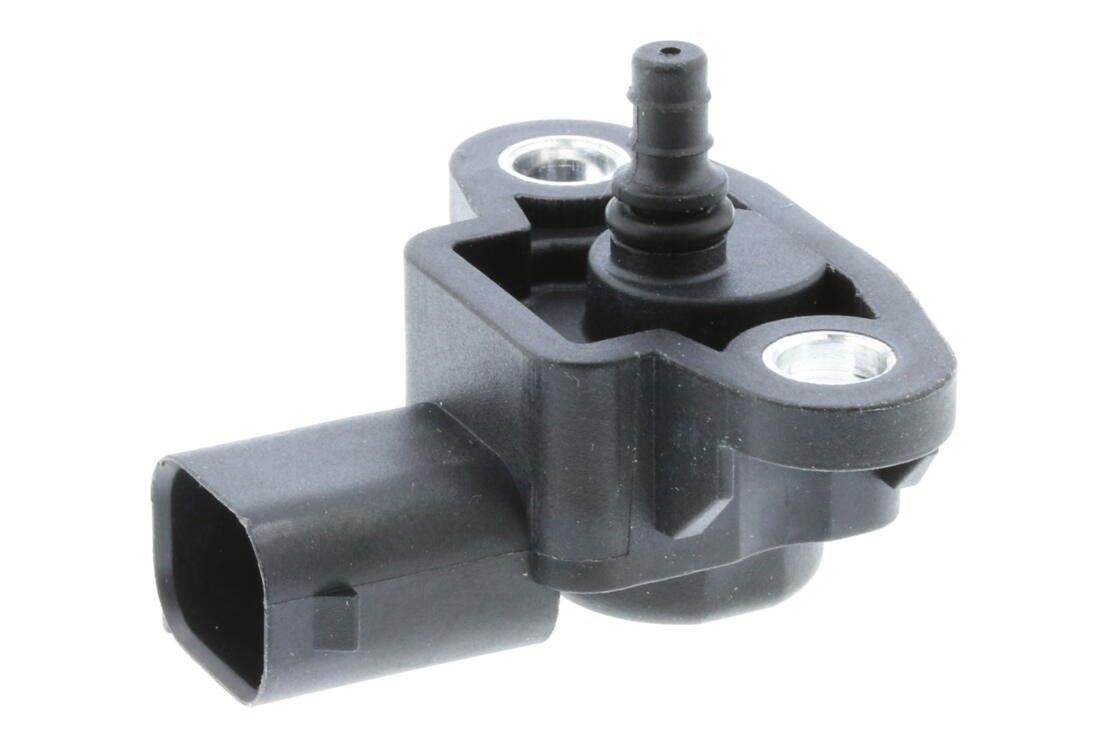
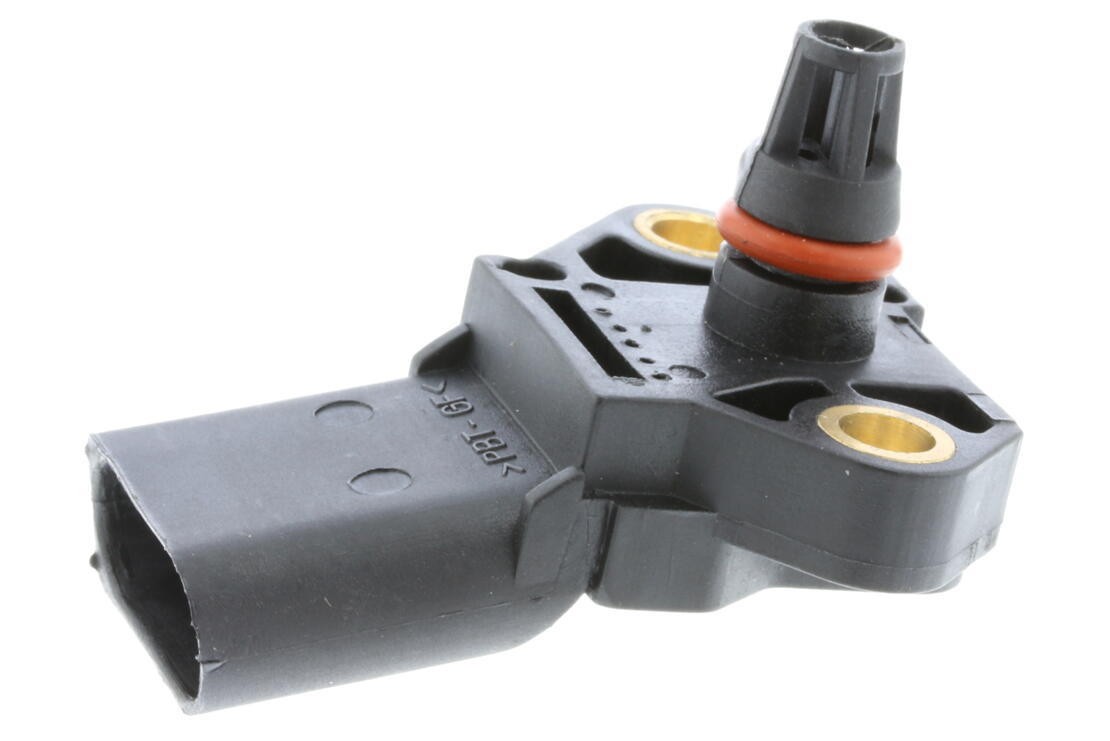
The sensor itself has failed internally, sending an abnormally high voltage signal to the engine computer.
70% of P0238 cases are fixed by replacing this part
A short to voltage in the sensor's wiring harness or a corroded/damaged connector is sending an abnormally high signal.
25% of P0238 cases are fixed by repairing this part
The engine computer has an internal fault, misinterpreting the sensor signal or sending incorrect reference voltage.
5% of P0238 cases are fixed by replacing this part
Check These First (Before Buying Parts)
- Visually inspect the boost pressure sensor's electrical connector for corrosion, bent pins, or loose connections.
- Check the wiring harness leading to the sensor for any visible damage, chafing, or signs of a short.
How to Diagnose P0238
- 1Visually inspect the boost pressure sensor and its electrical connector for damage, corrosion, or loose connections.
- 2Check the wiring harness leading to the boost pressure sensor for any signs of chafing, cuts, or shorts to power.
- 3Use a scan tool to monitor the boost pressure sensor's live data. Look for readings that are stuck high or inconsistent with engine conditions (e.g., high boost reading at idle).
- 4With a multimeter, test the voltage at the boost pressure sensor connector. Check for proper reference voltage (usually 5V) and signal voltage. A 'circuit high' code indicates the signal wire is receiving too much voltage.
- 5If the wiring and voltage checks are good, replace the boost pressure sensor.
How Do I Fix P0238 on My Vehicle?
Ford F-150
2011-2024The boost pressure sensor (often called a MAP sensor) on Ecoboost engines is a common failure point. It can lead to reduced power and rough idling.
75% fixed by replacing the boost pressure sensor
Shop for Ford F-150Chevrolet Silverado
2007-2024Similar to Ford, the boost pressure sensor on turbocharged Silverado models can fail, causing P0238. Wiring issues are also slightly more common due to engine bay heat.
65% fixed by replacing the boost pressure sensor
Shop for Chevrolet SilveradoHonda Civic
2016-2024The boost pressure sensor on 1.5L turbo Civics can sometimes trigger P0238. It's often a direct sensor replacement.
70% fixed by replacing the boost pressure sensor
Shop for Honda CivicFrequently Asked Questions
What does P0238 mean?
P0238 indicates that the engine computer is receiving an abnormally high voltage signal from the turbocharger or supercharger boost pressure sensor 'A'. This means the sensor is reporting boost pressure that is too high or there's an electrical fault in its circuit.
Can I drive with P0238?
Limit driving, fix within a few days. Driving with P0238 can cause reduced engine power, poor fuel economy, and potentially lead to further engine or turbocharger damage if the engine's air-fuel mixture is incorrect due to false boost readings.
Will P0238 clear itself?
No, P0238 will not clear itself. The engine computer will store this code until the underlying electrical or sensor fault is repaired and the code is manually cleared with a scan tool, or after several drive cycles without the fault recurring.
How do I fix P0238 myself?
Start by visually inspecting the boost pressure sensor and its wiring for damage. If no obvious issues, use a multimeter to check voltage at the sensor connector. If the sensor is faulty, replacing the boost pressure sensor is a common DIY fix.
How much does it cost to fix P0238?
A DIY fix for P0238 typically costs $50-$150 for a new boost pressure sensor. Professional repair at a shop will cost $150-$400, which includes parts and labor.
P0238 keeps coming back - why?
If P0238 keeps returning, it indicates the root cause was not fully addressed. This could be due to a persistent wiring short, a faulty connector, an intermittent sensor issue, or a rare problem with the engine control module.
Will P0238 fail emissions/smog test?
Yes, P0238 will cause your vehicle to fail an emissions or smog test. The Check Engine Light being on is an automatic failure in most states, and the underlying issue can affect exhaust emissions.
What's the difference between P0238 and P0237?
P0238 indicates a 'circuit high' condition, meaning the boost sensor is sending a voltage signal that is too high. P0237 indicates a 'circuit low' condition, meaning the sensor is sending a voltage signal that is too low. Both point to a problem with the sensor or its circuit, but in opposite directions.
P0238 on Ford F-150 Ecoboost?
On Ford F-150 Ecoboost models, P0238 is often caused by a failing boost pressure sensor (MAP sensor) located on the intake manifold. These sensors can degrade over time, leading to inaccurate readings.
Questions to Ask Your Mechanic
Did you check the live data from the boost pressure sensor with a scan tool, specifically looking for high voltage readings at idle or under no-boost conditions?
Good answer: A good answer confirms they saw the sensor reading abnormally high and compared it to expected values for your engine at idle and under load.
What were the voltage readings at the boost pressure sensor connector for the reference, ground, and signal wires?
Good answer: A good answer provides specific voltage numbers for each wire, confirming they tested the circuit's integrity and identified where the high voltage signal originates.
Repair Cost Estimate
DIY Repair
Parts only
$50-$150
Shop Repair
Parts + labor
$150-$400
Save $100-$250 by doing it yourself
Difficulty
intermediate
Time
1-2 hours
Intermediate - requires a scan tool to confirm the sensor reading and a multimeter for electrical diagnosis, but the physical replacement is often straightforward.
Cost of Waiting
Ignoring P0238 can lead to your engine running with an incorrect air-fuel mixture, causing reduced fuel economy, poor performance, and potentially damaging your turbocharger or engine components over time. A $100 sensor fix now prevents a $1,500-$3,000 turbo replacement later.
While You're In There...
If the boost pressure sensor is located on the intake manifold and requires its removal, replacing the intake manifold gasket prevents vacuum leaks and ensures a proper seal upon reassembly.
Tools You'll Need
- OBD-II Scan Tool
- Multimeter
- Socket Set
- Screwdriver Set
Related Codes
The engine computer detects an issue with the signal from the turbocharger/supercharger boost sensor, indicating it's outside its expected operating range or not performing correctly.
The engine computer detects a voltage signal from the turbocharger/supercharger boost pressure sensor that is too low.
Your engine's computer detects a low voltage signal from the 'B' boost pressure sensor circuit, which monitors the pressure created by your turbocharger or supercharger.
Your engine computer is getting a Manifold Absolute Pressure (MAP) sensor signal that doesn't make sense compared to other engine data.
P0238 is a common sensor-related code for turbocharged or supercharged vehicles. Most repairs involve replacing an affordable sensor and will restore your engine's full power and efficiency.
- Family-owned since 1957
- 990,000+ happy customers
- Fast nationwide shipping
- Easy returns
Your Next Steps
Step 1: Check the wiring and connector to your boost pressure sensor for any visible damage or loose connections.
Step 2: If the wiring looks good, use an OBD-II scan tool to monitor the boost pressure sensor's live data. Look for readings that are stuck high or don't change with engine RPM.
Step 3: If the sensor readings are abnormal, you'll likely need a new boost pressure sensor.