P0321 Code
Fix within a few daysIgnition/Distributor Engine Speed Input Circuit Range/Performance
What Does P0321 Mean?
Code P0321 means your engine's computer is getting an inconsistent signal from the crankshaft position sensor. Common causes: Bad crankshaft position sensor (70%), wiring issues (20%). Drivability: No, stop driving. Repair cost: $30-$150 DIY, $130-$600 professional.
Can I Drive With P0321?
No, stop driving
Immediate repair needed
Stop driving immediately if: Flashing CEL, engine stalls, engine will not start, significant power loss.
What Are the Symptoms of P0321?
- 1Check Engine Light is on
- 2Engine stalls unexpectedly
- 3Engine cranks but does not start
- 4Rough idle or misfires
- 5Reduced engine power
- 6Engine hesitates during acceleration
What Causes P0321?
Parts most likely causing this code, ranked by probability
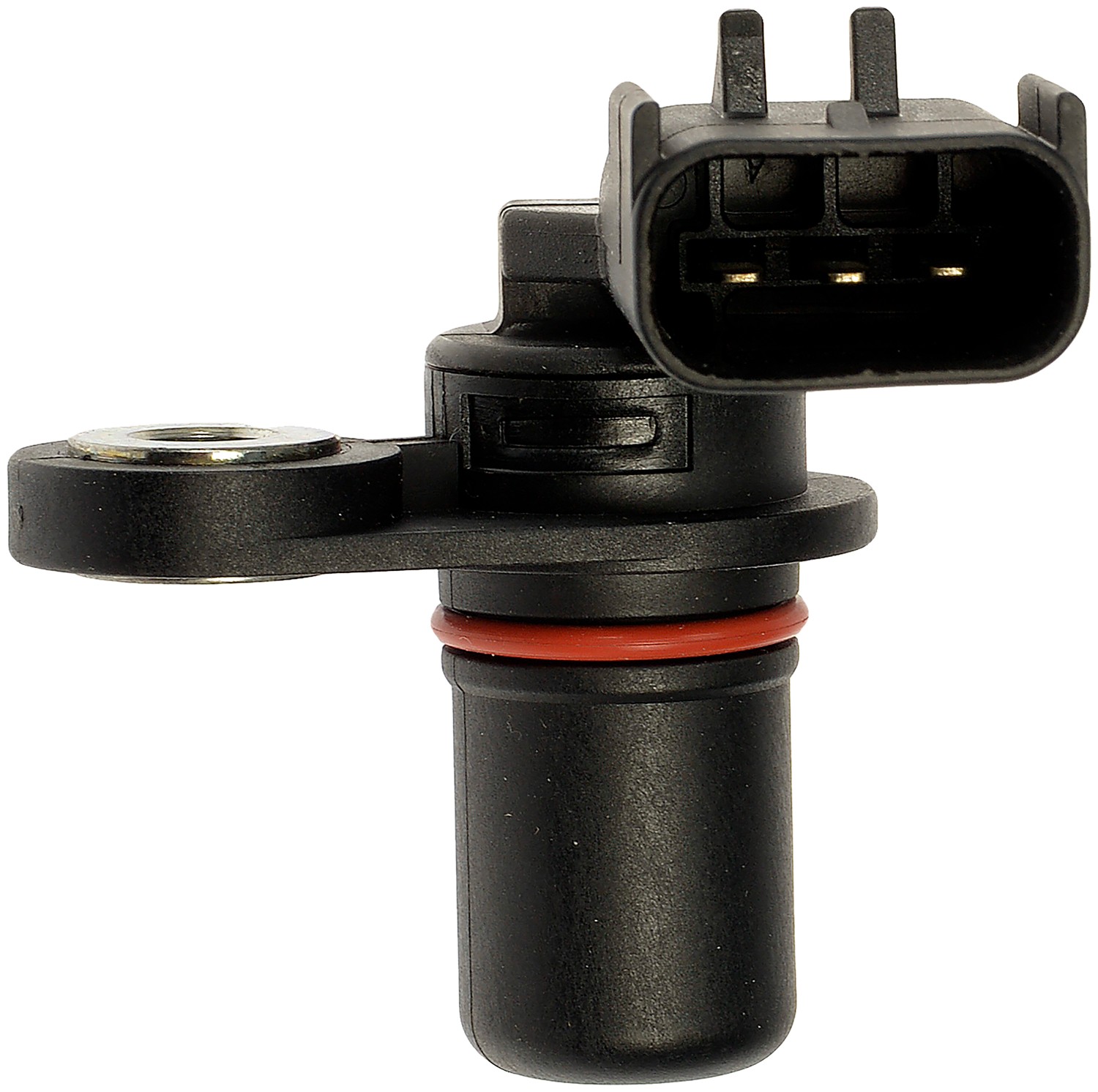
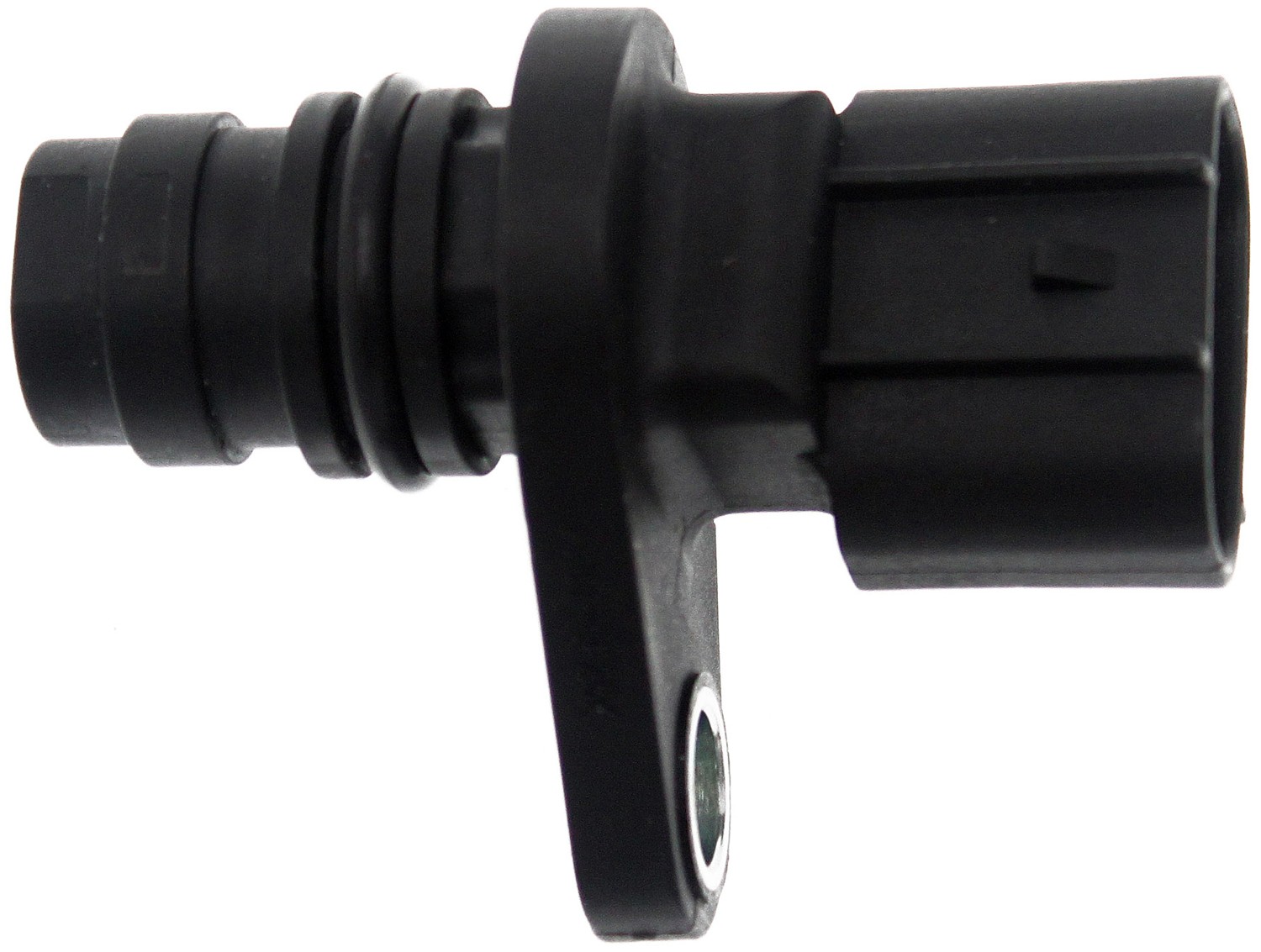
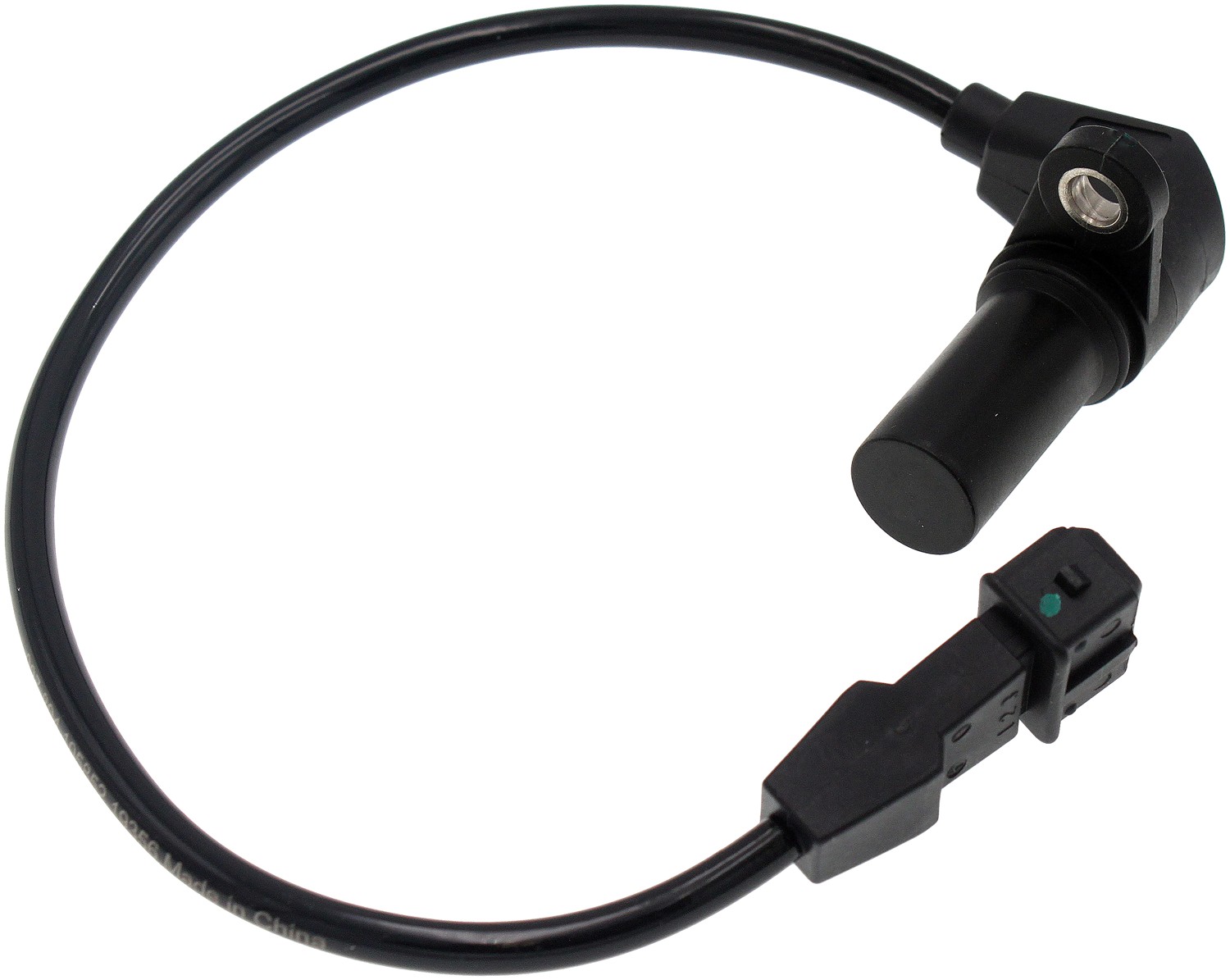
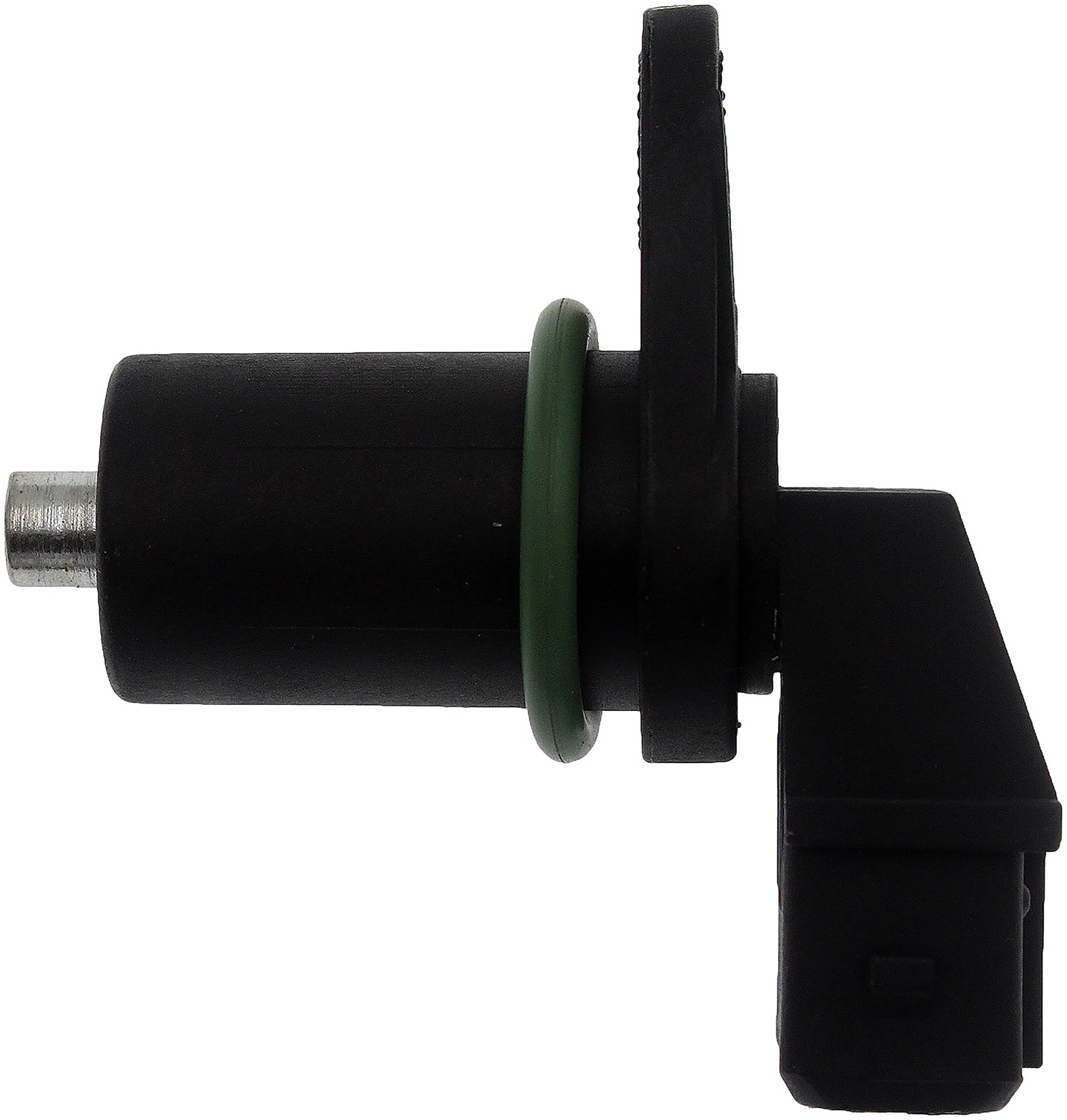
A faulty crankshaft position sensor sends an incorrect or intermittent signal to the engine computer, causing timing issues.
70% of P0321 cases are fixed by replacing this part
Damaged, corroded, or loose wiring and connectors to the CKP sensor can disrupt the signal.
20% of P0321 cases are fixed by repairing wiring
Damage to the reluctor wheel (tone ring) on the crankshaft can cause an erratic signal for the CKP sensor.
5% of P0321 cases are fixed by repairing the reluctor wheel
A rare but possible cause is an internal fault within the engine's computer that processes the CKP signal.
5% of P0321 cases are fixed by replacing the PCM
Check These First (Before Buying Parts)
- Visually inspect the crankshaft position sensor and its wiring for any obvious damage, fraying, or loose connections.
- Ensure the CKP sensor connector is fully seated and free of corrosion.
How to Diagnose P0321
- 1Connect an OBD-II scanner to confirm P0321 and check for other related codes.
- 2Visually inspect the crankshaft position sensor and its wiring harness for any obvious damage, fraying, or loose connections.
- 3Check the CKP sensor connector for corrosion or bent pins.
- 4Using a multimeter, test the CKP sensor's resistance and voltage output according to your vehicle's service manual specifications.
- 5Inspect the crankshaft reluctor wheel for any signs of damage or debris (this often requires removing the sensor or other components).
How Do I Fix P0321 on My Vehicle?
Honda Accord
2003-2012P0321 is a common code on these models, often pointing directly to a failing crankshaft position sensor. Wiring issues are less frequent but should still be inspected.
75% fixed by replacing the CKP sensor
Shop for Honda AccordToyota Camry
2007-2017While less common than on some other makes, P0321 on a Camry often indicates a crankshaft position sensor that is starting to fail. Wiring integrity is crucial to check due to sensor location.
65% fixed by replacing the CKP sensor
Shop for Toyota CamryFord F-150
2004-2014For Ford F-150s, P0321 can be caused by a faulty CKP sensor or, in some cases, issues with the reluctor wheel, especially if the engine has experienced internal wear or damage.
70% fixed by replacing the CKP sensor
Shop for Ford F-150Frequently Asked Questions
What does P0321 mean?
P0321 indicates that the Powertrain Control Module (PCM) has detected an erratic or incorrect signal from the Ignition/Distributor Engine Speed Input circuit, which is typically the crankshaft position sensor.
Can I drive with P0321?
No, stop driving. This code directly impacts engine timing and operation. Driving with P0321 can lead to unexpected engine stalling, misfires, or a complete no-start condition, which is unsafe and can leave you stranded.
Will P0321 clear itself?
No, P0321 will not clear itself. The underlying issue causing the erratic signal needs to be diagnosed and repaired. Once the repair is complete, you will need to clear the code with an OBD-II scanner.
How do I fix P0321 myself?
Start by visually inspecting the crankshaft position sensor and its wiring. If no obvious damage is found, test the sensor with a multimeter. If the sensor tests bad, replace it. Ensure all connections are clean and secure.
How much does it cost to fix P0321?
DIY repair costs for P0321 are typically $30-$150 for a new crankshaft position sensor. Professional repair at a shop will cost $130-$600, covering parts and 1-3 hours of labor.
P0321 keeps coming back - why?
If P0321 keeps returning, the initial diagnosis might have missed something. Common reasons include a faulty wiring harness that was not fully repaired, a damaged reluctor wheel, or a rare PCM issue. Always re-verify the sensor's signal and wiring integrity.
Will P0321 fail emissions/smog test?
Yes, P0321 will cause your vehicle to fail an emissions or smog test. The Check Engine Light being on is an automatic failure in most jurisdictions, and an engine speed input issue directly affects engine performance and emissions.
What's the difference between P0321 and P0320?
P0321 indicates a 'Range/Performance' issue with the engine speed input circuit, meaning the signal is present but inconsistent or incorrect. P0320 indicates a 'Malfunction' in the circuit, often meaning no signal is detected at all.
P0321 on Honda Accord?
On many Honda Accord models, P0321 is frequently caused by a failing crankshaft position sensor. The sensor can degrade over time, leading to intermittent signals. Always check the wiring for rodent damage or corrosion first, then test or replace the sensor.
Questions to Ask Your Mechanic
Did you test the crankshaft position sensor's signal output with an oscilloscope?
Good answer: Yes, the waveform was erratic/intermittent, confirming the sensor is faulty. Or, the waveform was clean, so we're checking wiring continuity next.
What did you find when inspecting the wiring harness to the CKP sensor?
Good answer: We found no visible damage, corrosion, or loose connections. We also performed a continuity test on the circuit and it passed.
Repair Cost Estimate
DIY Repair
Parts only
$30-$150
Shop Repair
Parts + labor
$130-$600
Save $100-$450 by doing it yourself
Difficulty
intermediate
Time
1-3 hours
Intermediate - requires basic diagnostic tools like a multimeter and an understanding of electrical testing, but the sensor replacement itself is often accessible.
Cost of Waiting
Ignoring P0321 can lead to your engine stalling at high speeds, a complete no-start condition, or severe misfires that send unburned fuel into your catalytic converter. A $50-$150 sensor replacement now prevents a $1,200-$2,500 catalytic converter replacement later.
While You're In There...
Apply to electrical connectors to prevent corrosion and ensure a good connection, especially when replacing sensors.
If you find damaged wiring, having a repair kit on hand allows for immediate and proper repair of the circuit.
Tools You'll Need
- OBD-II scanner
- Basic socket set
- Wrench set
- Multimeter
- Wire brush (for cleaning connectors)
- Dielectric grease
Related Codes
The engine computer isn't getting a proper signal from the crankshaft position sensor, which tells it how fast the engine is spinning.
The engine computer isn't getting a signal from the crankshaft position sensor, which tells it how fast the engine is spinning.
The engine computer isn't getting a consistent or reliable signal from the crankshaft position sensor, which tells it how fast the engine is spinning.
P0321 is a common engine code that directly points to a critical sensor. While it can be concerning, replacing the crankshaft position sensor is a straightforward repair that will restore your engine's reliable operation.
- Family-owned since 1957
- 990,000+ happy customers
- Fast nationwide shipping
- Easy returns
Your Next Steps
Step 1: Visually inspect the crankshaft position sensor and its wiring for any signs of damage, corrosion, or loose connections. Clean any dirty connectors.
Step 2: If the visual inspection doesn't reveal the issue, use a multimeter to test the CKP sensor's resistance and voltage output. Compare readings to your vehicle's service manual specifications.
Step 3: If the sensor tests faulty, replace the crankshaft position sensor. If the sensor tests good, carefully inspect the wiring harness for continuity and shorts. If wiring is good, consider a professional diagnosis for the reluctor wheel or PCM.