P0337 Code
Stop drivingThe engine computer is not receiving a strong enough signal from the crankshaft position sensor, or no signal at all.
What Does P0337 Mean?
Code P0337 means the engine computer detects a low signal from the crankshaft position sensor. Common causes: Crankshaft sensor (70%), wiring (25%). Drivability: No, stop driving. Repair cost: $30-$150 DIY, $130-$600 professional.
Can I Drive With P0337?
No, stop driving
Immediate repair needed
Stop driving immediately if: Engine stalls, engine does not start, Check Engine Light is flashing.
What Are the Symptoms of P0337?
- 1Engine cranks but does not start
- 2Engine stalls unexpectedly while driving
- 3Rough idle or engine misfires
- 4Reduced engine power
- 5Check Engine Light is on or flashing
What Causes P0337?
Parts most likely causing this code, ranked by probability
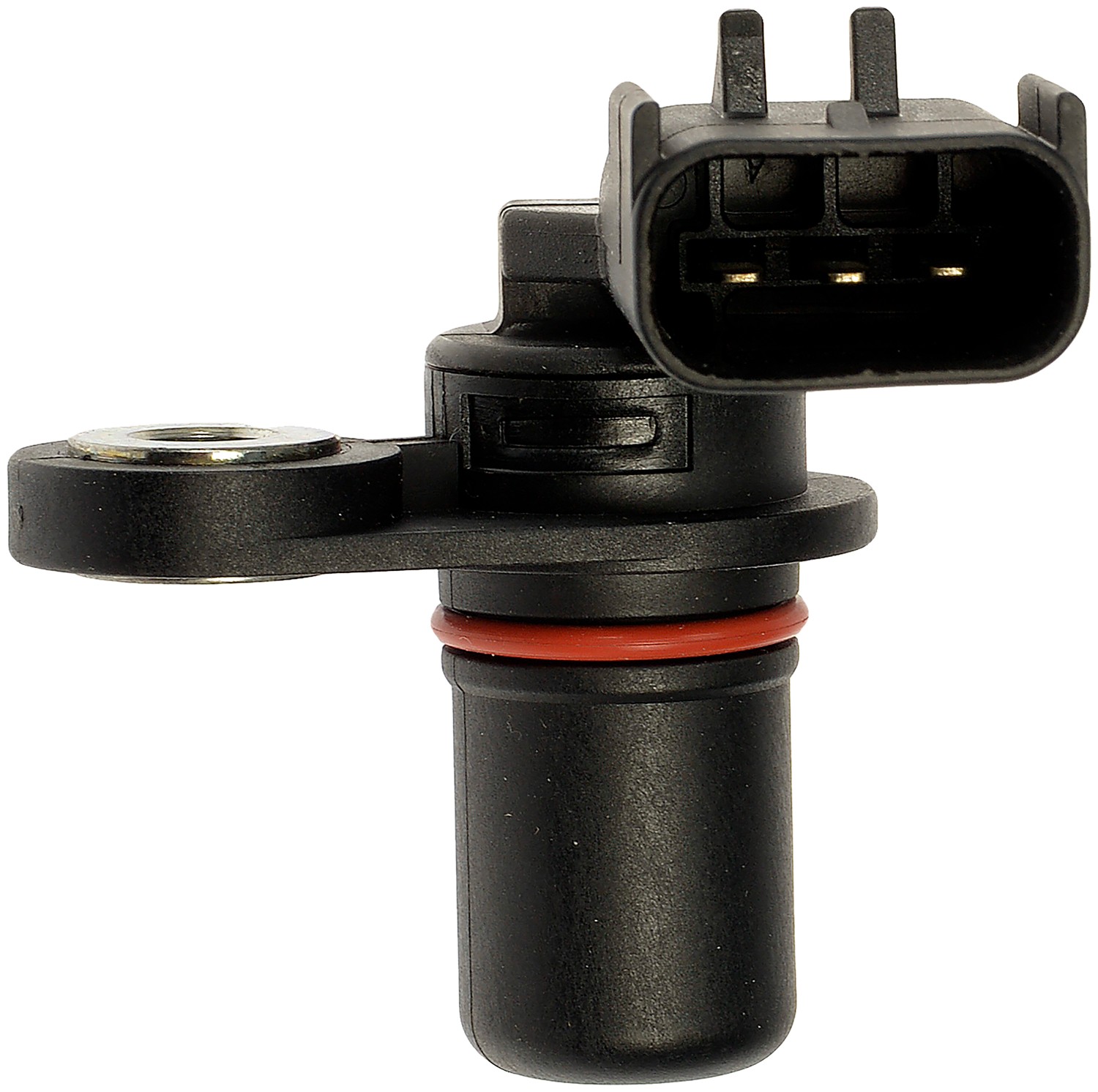
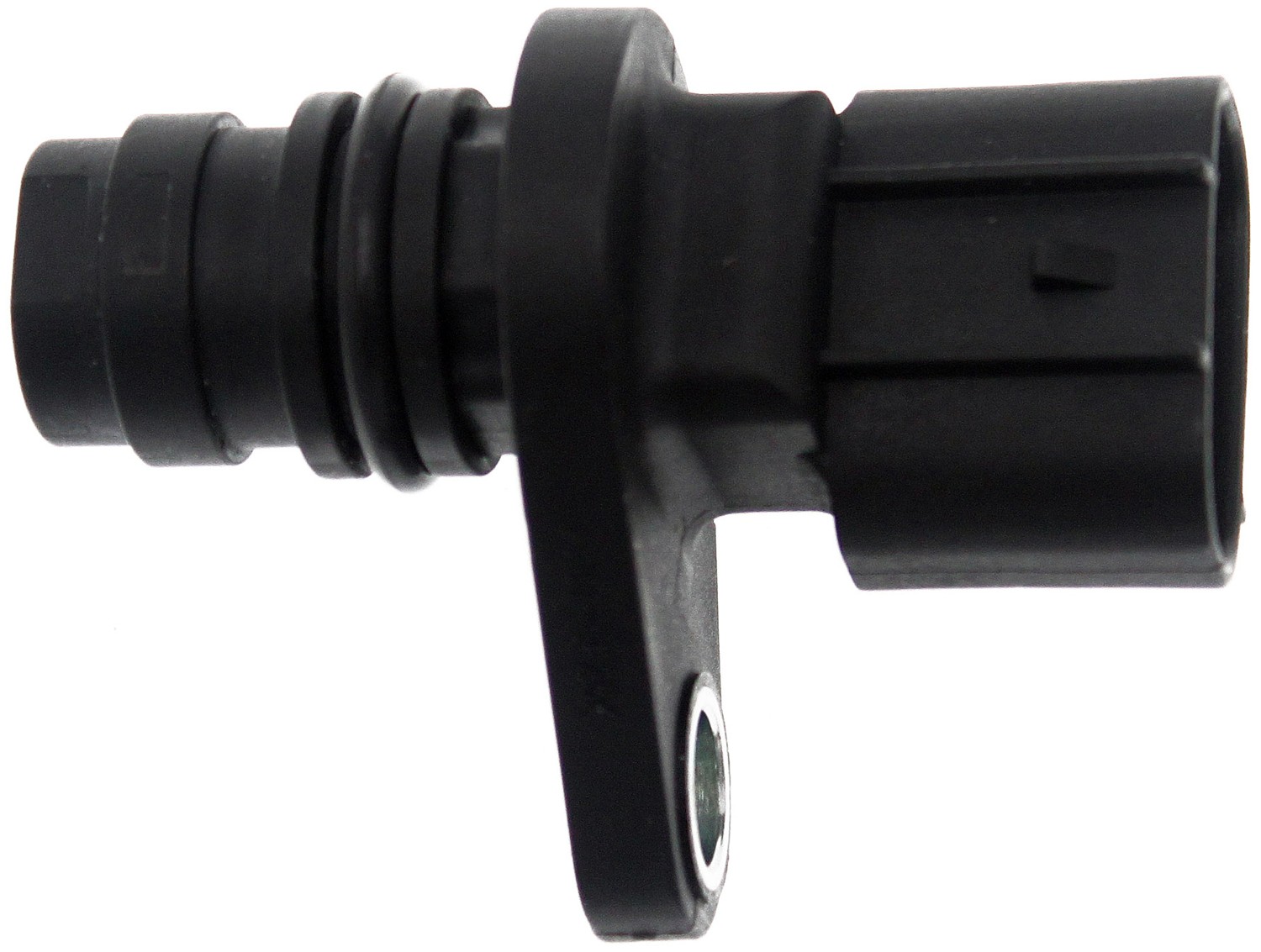
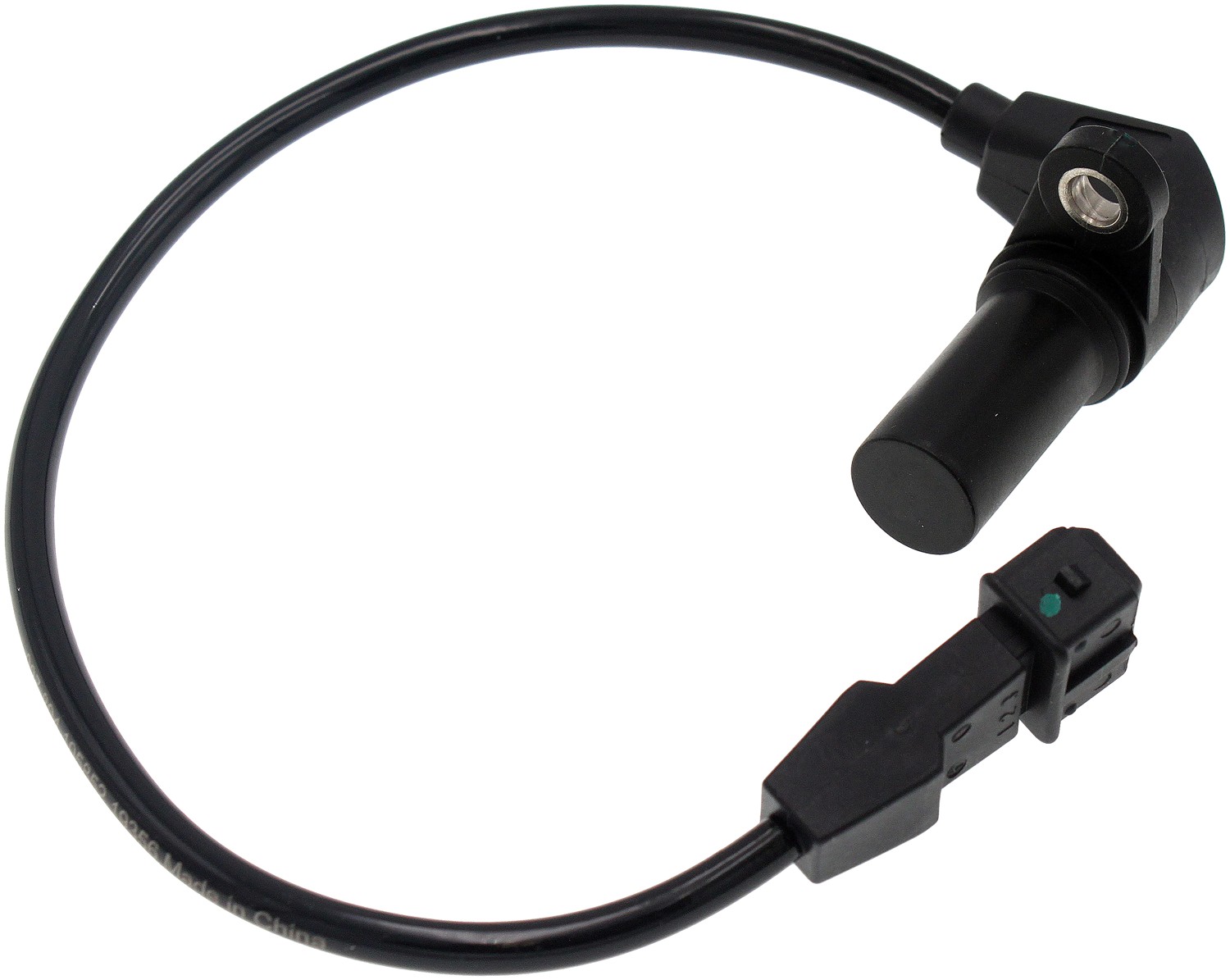
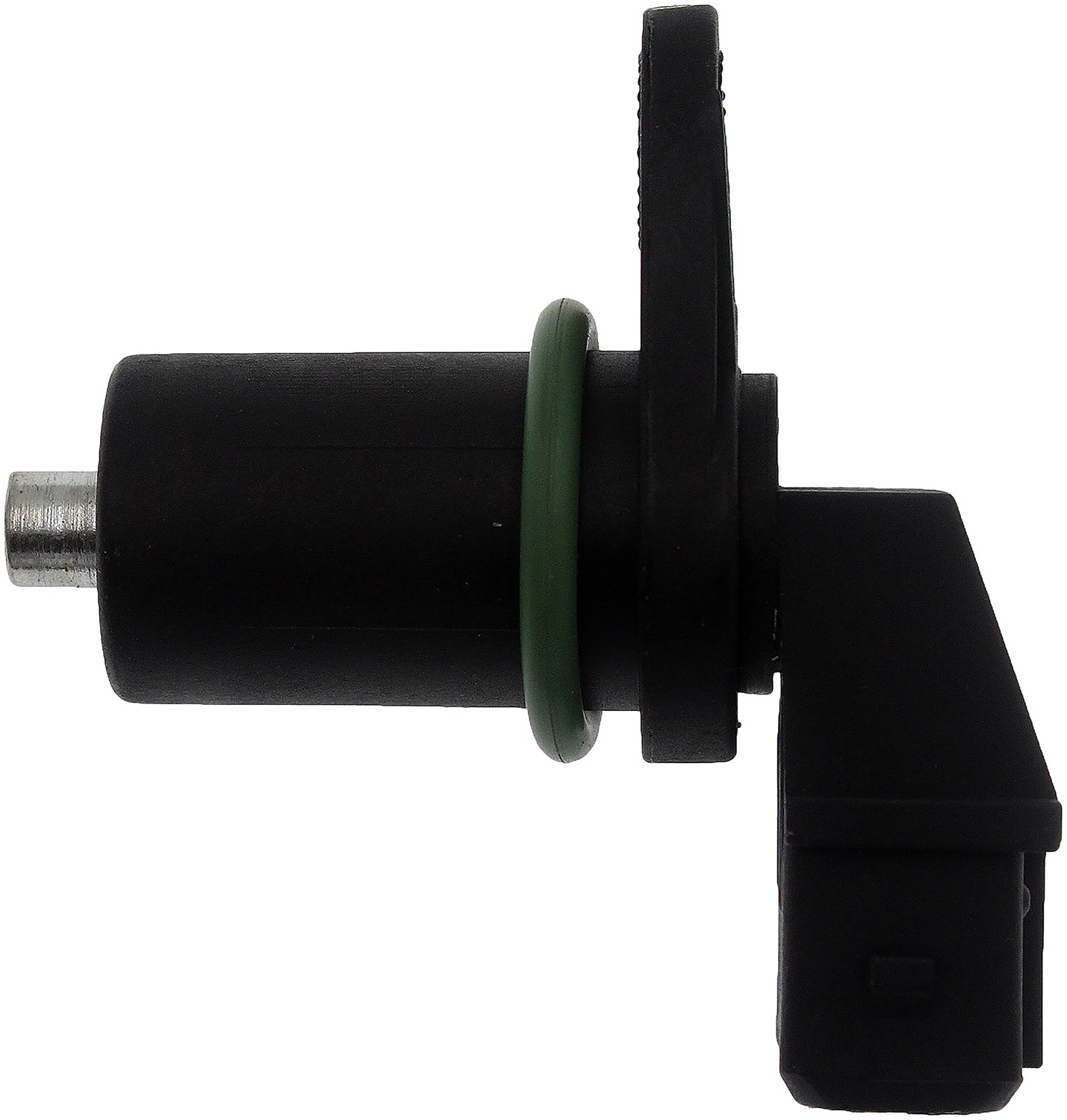
The sensor itself has failed internally and is no longer sending a proper signal to the engine computer.
70% of P0337 cases are fixed by replacing this part
Damaged, corroded, or loose wiring and connectors prevent the sensor's signal from reaching the engine computer correctly.
25% of P0337 cases are fixed by repairing wiring or connector issues
A rare internal fault within the engine computer's input circuit can incorrectly interpret the sensor's signal as low.
5% of P0337 cases are fixed by replacing or reprogramming the ECM/PCM
Check These First (Before Buying Parts)
- Visually inspect the crankshaft position sensor's electrical connector for corrosion, bent pins, or a loose fit.
- Examine the wiring harness leading to the sensor for any signs of chafing, cuts, or heat damage.
How to Diagnose P0337
- 1Visually inspect the crankshaft position sensor and its wiring harness for any obvious damage, fraying, or corrosion.
- 2Check the sensor's electrical connector for bent pins, corrosion, or a loose connection.
- 3Using a multimeter, test the crankshaft position sensor's resistance and voltage output according to your vehicle's service manual specifications.
- 4If possible, use a scan tool to monitor live data from the crankshaft position sensor while cranking the engine to verify signal presence and quality.
- 5If the sensor and wiring check out, test for proper voltage supply to the sensor from the ECM/PCM.
How Do I Fix P0337 on My Vehicle?
Honda Accord
2003-2012Crankshaft position sensor failures are common. The sensor is often located behind the crankshaft pulley, which can make replacement challenging due to limited space. Oil leaks can sometimes contaminate the sensor or wiring.
75% fixed by replacing the crankshaft position sensor
Shop for Honda AccordToyota Camry
2002-2011Crankshaft position sensor failures are a known issue. The sensor is typically located on the engine block near the crankshaft. Replacement is usually straightforward, but ensure the new sensor is properly seated and the connector is secure.
70% fixed by replacing the crankshaft position sensor
Shop for Toyota CamryFord F-150
2004-2014Access to the crankshaft position sensor can vary significantly depending on the engine (e.g., 4.6L, 5.4L, 3.5L EcoBoost). On some V8 engines, it's located on the passenger side of the engine block near the front, requiring some maneuvering to reach. Wiring damage from road debris is also a possibility.
65% fixed by replacing the crankshaft position sensor
Shop for Ford F-150Frequently Asked Questions
What does P0337 mean?
P0337 indicates that your vehicle's engine computer is receiving a low voltage signal, or no signal at all, from the crankshaft position sensor. This sensor is crucial for telling the computer the engine's speed and position.
Can I drive with P0337?
No, stop driving. A P0337 code means your engine could stall unexpectedly at any time, or it might not start at all. This is a significant safety hazard and can lead to further engine damage.
Will P0337 clear itself?
No, P0337 will not clear itself. This code points to a hard fault with a critical sensor or its circuit. The underlying issue must be diagnosed and repaired before the code will clear, either automatically after several drive cycles or by using a scan tool.
How do I fix P0337 myself?
Start by inspecting the crankshaft position sensor's wiring and connector for damage or corrosion. If they look good, replace the crankshaft position sensor. This often involves removing a bolt and unplugging a connector, but access can vary by vehicle.
How much does it cost to fix P0337?
DIY repair costs for P0337 are typically $30-$150 for a new crankshaft position sensor. Professional repair at a shop will cost $130-$600, covering parts and 1-3 hours of labor.
P0337 keeps coming back - why?
If P0337 keeps returning, it's likely due to an overlooked wiring issue (chafed wires, poor connection), a faulty replacement sensor, or a rare problem with the engine computer itself. Ensure all connections are clean and secure, and consider testing the wiring harness thoroughly.
Will P0337 fail emissions/smog test?
Yes, P0337 will cause your vehicle to fail an emissions or smog test. The Check Engine Light will be on, and the engine's critical monitoring systems will not be ready, which are automatic failures in most inspection programs.
What's the difference between P0337 and P0335?
P0337 specifically indicates a 'low input' signal from the crankshaft position sensor, meaning the voltage is too low or absent. P0335 is a more general 'circuit malfunction' code, which could mean a low signal, high signal, or an intermittent problem with the sensor circuit.
P0337 on Honda Accord?
On many Honda Accord models, the crankshaft position sensor is located near the crankshaft pulley. Failures are common with age and heat. Access can be tight, sometimes requiring removal of the serpentine belt or other components for easier replacement.
Questions to Ask Your Mechanic
Did you test the voltage signal from the crankshaft position sensor while cranking the engine?
Good answer: Yes, I used a scope/scan tool and saw a low or intermittent signal, confirming the sensor or its circuit is faulty.
Have you checked the wiring harness for continuity and shorts between the sensor and the ECM?
Good answer: Yes, I performed a full circuit test and found no breaks or shorts in the wiring, which points to the sensor itself.
Repair Cost Estimate
DIY Repair
Parts only
$30-$150
Shop Repair
Parts + labor
$130-$600
Save $100-$450 by doing it yourself
Difficulty
intermediate
Time
1-3 hours
Intermediate - requires basic hand tools and a multimeter for proper diagnosis, and access to the sensor can be challenging on some vehicles.
Cost of Waiting
Ignoring P0337 means your engine can stall at any speed, creating a dangerous situation. Continued attempts to drive with a faulty sensor can also lead to misfires, sending unburned fuel into your catalytic converter. A $50-$150 sensor replacement now prevents a $1,200-$2,500 catalytic converter replacement later.
While You're In There...
If the crankshaft position sensor is difficult to access and requires removing the serpentine belt, it's a good time to replace the belt if it's nearing its service interval or shows signs of wear.
Apply dielectric grease to the new sensor's electrical connector to prevent corrosion and ensure a good electrical connection, protecting against future issues.
Tools You'll Need
- Basic wrench set
- Socket set
- Multimeter
- Wire brush (for cleaning connectors)
- Scan tool (optional, but helpful for live data)
Related Codes
Your engine computer isn't getting a proper signal from the crankshaft position sensor.
The engine computer isn't getting a correct or consistent signal from the crankshaft position sensor.
The engine computer detects a voltage signal from the crankshaft position sensor that is too high, indicating an electrical problem with the sensor or its circuit.
The engine computer is intermittently losing signal from the crankshaft position sensor 'B'. This sensor tells the computer the exact position and speed of the crankshaft.
Your engine is experiencing misfires on multiple or random cylinders.
P0337 is a common code that points to a critical but usually straightforward sensor replacement. Once fixed, your engine will run reliably again, and you'll avoid serious safety risks and costly secondary damage.
- Family-owned since 1957
- 990,000+ happy customers
- Fast nationwide shipping
- Easy returns
Your Next Steps
Step 1: Inspect the crankshaft position sensor's wiring and connector. Look for any visible damage, corrosion, or loose connections. Clean any corrosion and ensure the connector is fully seated.
Step 2: If the wiring and connector appear fine, replace the crankshaft position sensor. This is the most common fix for P0337.
Step 3: After replacement, clear the code with a scan tool and test drive the vehicle to confirm the repair. If the code returns, further electrical diagnosis of the wiring harness or ECM may be necessary.