P0365 Code
Fix within a few daysCamshaft Position Sensor 'B' Circuit Range/Performance (Bank 1)
What Does P0365 Mean?
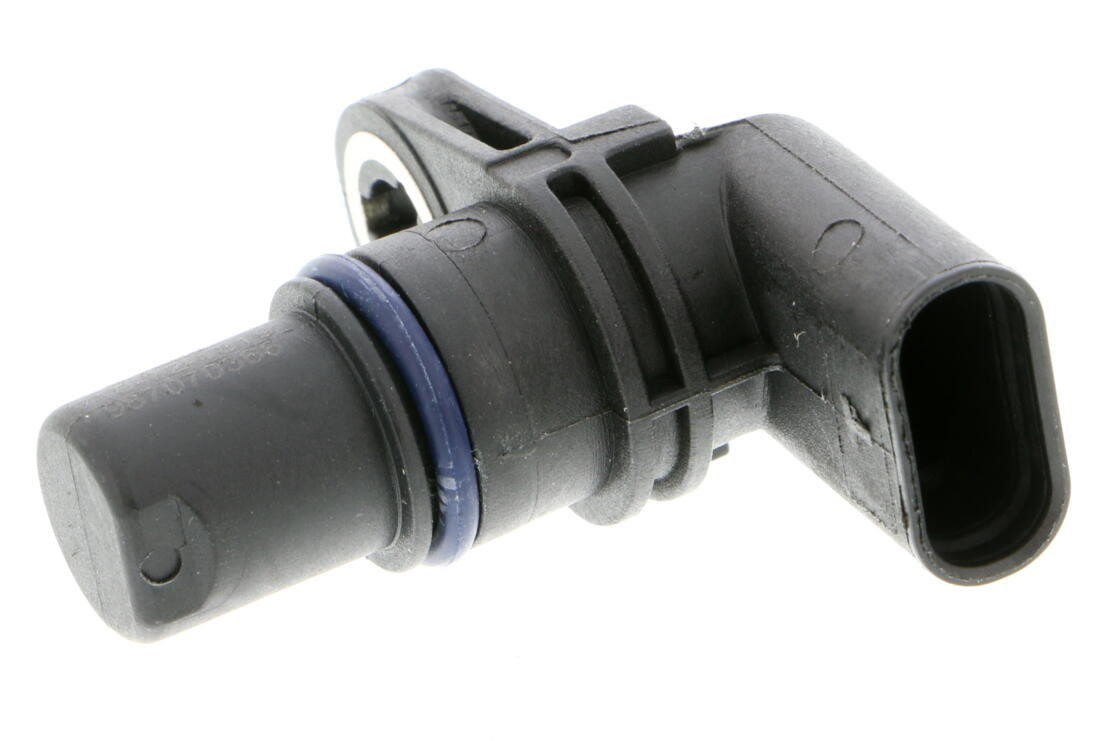
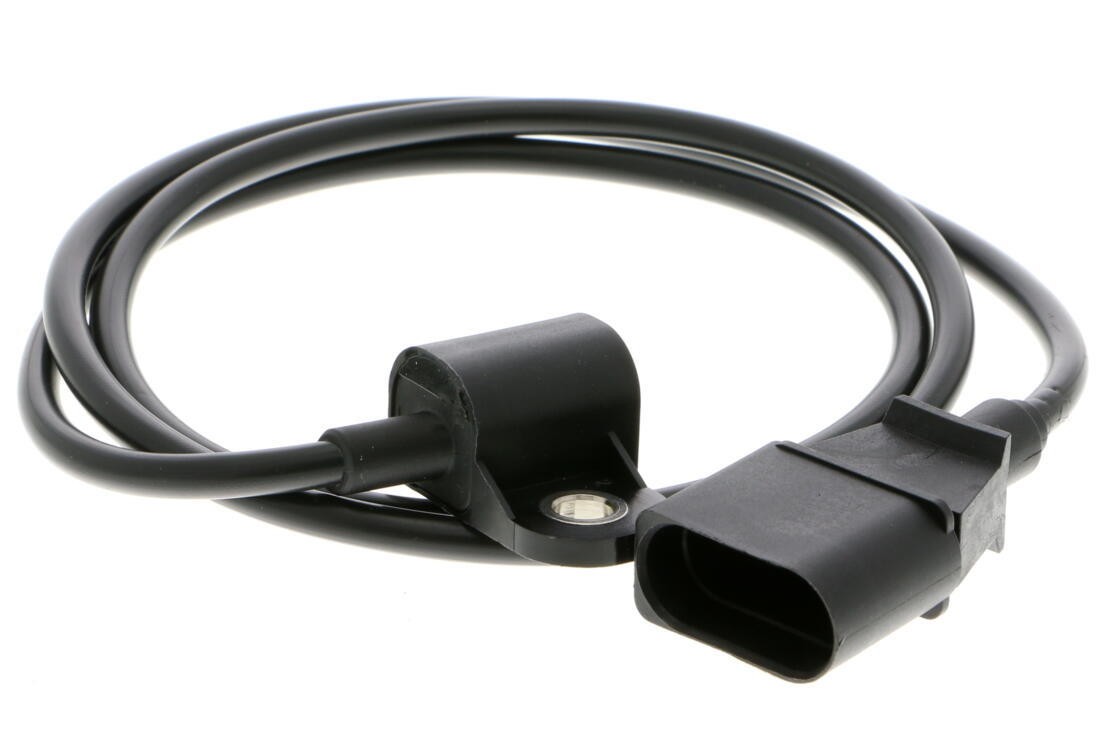
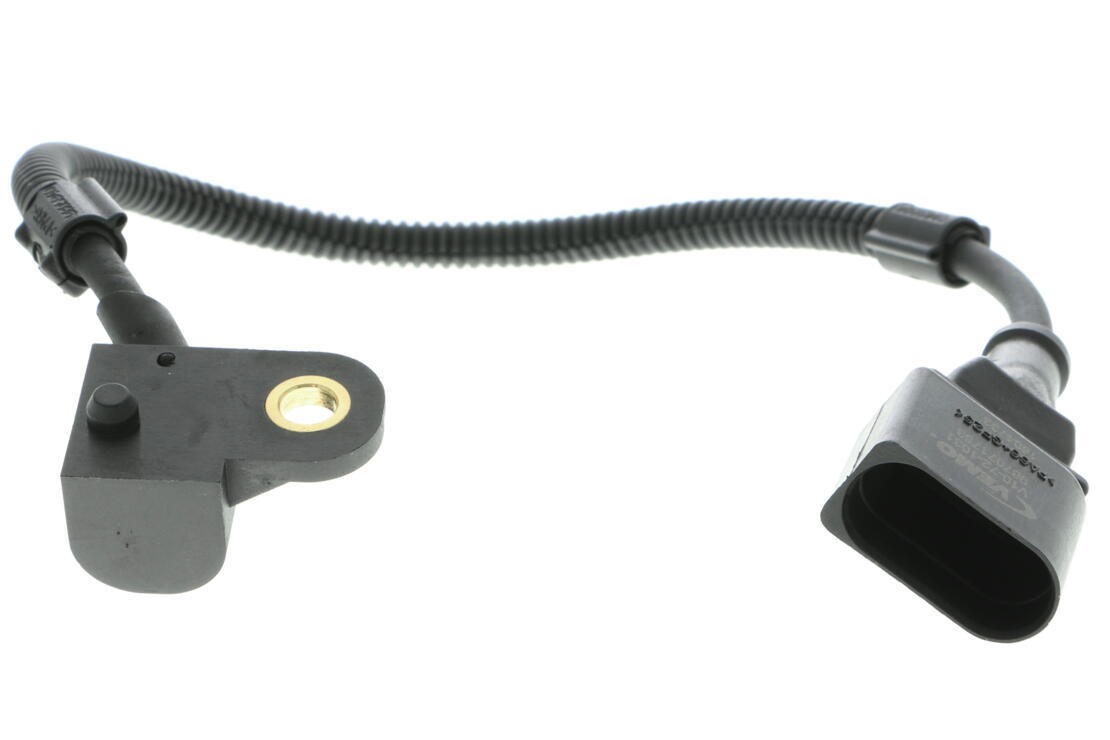
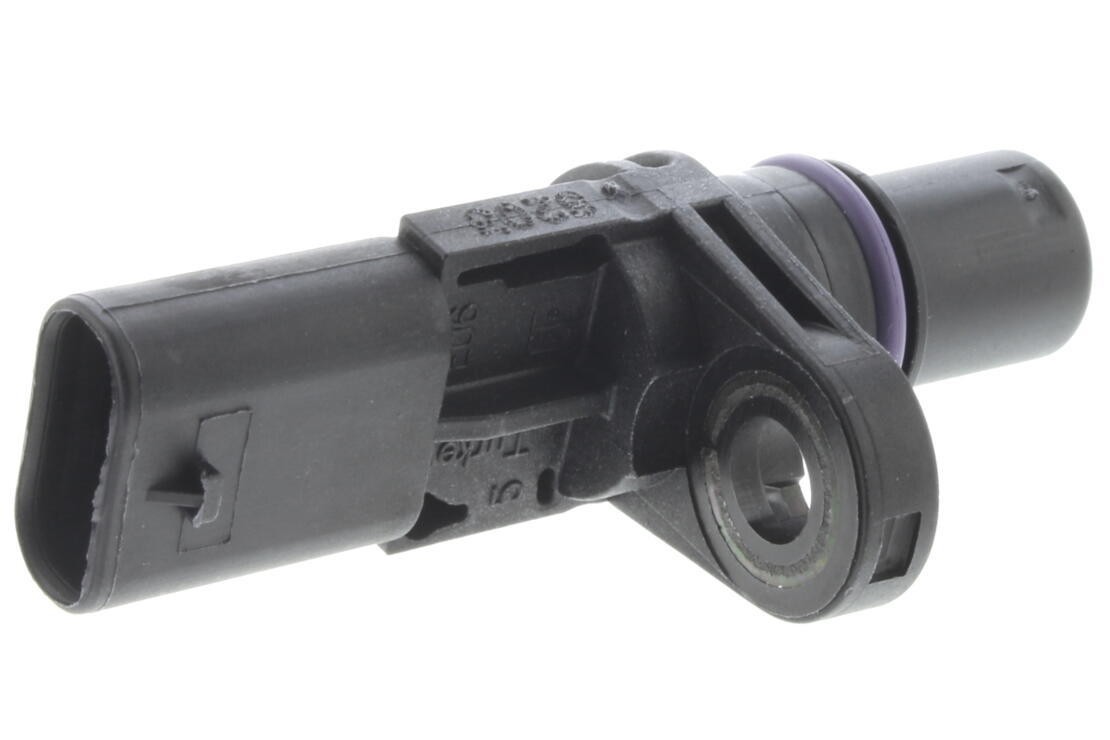
Code P0365 means your engine's camshaft position sensor 'B' (Bank 1) has a circuit issue. Common causes: Bad cam sensor (60%), wiring (20%), crank sensor (10%). Drivability: Limit driving, fix within days. Repair cost: $100-$300 DIY, $200-$700 professional.
Can I Drive With P0365?
Limit driving, fix within a few days
Essential trips under 10 miles, avoid highways and heavy acceleration. Be prepared for potential stalling.
Stop driving immediately if: Flashing Check Engine Light, engine stalls repeatedly, significant loss of power, loud engine noises, or burning smell.
What Are the Symptoms of P0365?
- 1Engine cranks but won't start
- 2Engine stalls frequently
- 3Rough idle
- 4Reduced engine power
- 5Poor fuel economy
- 6Engine misfires
- 7Check Engine Light illuminated
What Causes P0365?
Parts most likely causing this code, ranked by probability
The sensor itself has failed, sending incorrect or no signal to the engine computer.
60% of P0365 cases are fixed by replacing this part
Damaged wires, corroded terminals, or a loose connection prevent the sensor signal from reaching the engine computer.
20% of P0365 cases are fixed by repairing wiring or connectors
A faulty crankshaft position sensor can cause the engine computer to misinterpret camshaft position due to incorrect correlation data.
10% of P0365 cases are fixed by replacing this part
A stretched timing chain or a jumped timing belt tooth causes the camshaft to be out of sync, leading to an 'out of range' signal from the sensor.
8% of P0365 cases are fixed by repairing timing components
A malfunctioning VVT component can cause the camshaft to be in an incorrect position, triggering the sensor code.
2% of P0365 cases are fixed by repairing VVT components
Check These First (Before Buying Parts)
- Visually inspect the camshaft position sensor's electrical connector for looseness, corrosion, or damage.
- Check the wiring leading to the sensor for any signs of fraying, cuts, or rodent damage.
- Ensure your engine oil is at the correct level and is clean, as dirty oil can affect VVT systems.
How to Diagnose P0365
- 1Visually inspect the camshaft position sensor and its wiring harness for any obvious damage, fraying, or loose connections.
- 2Check the electrical connector for corrosion or bent pins. Clean or repair as needed.
- 3Use a multimeter to test the camshaft position sensor's resistance and voltage output according to your vehicle's service manual specifications.
- 4Use an OBD-II scan tool to monitor live data for camshaft and crankshaft position sensor readings. Look for erratic signals or discrepancies.
- 5If sensor and wiring test good, inspect the timing chain/belt for proper tension and alignment. This often requires removing covers.
- 6Check engine oil level and condition, as low or dirty oil can affect VVT system operation.
How Do I Fix P0365 on My Vehicle?
Honda Accord
2003-2024Honda engines with VTEC can sometimes trigger cam sensor codes if the VTEC oil pressure switch or VTEC solenoid is faulty, affecting cam phasing. Always check these components if the sensor replacement doesn't fix it.
65% fixed by Camshaft Position Sensor
Shop for Honda AccordToyota Camry
2007-2024Toyota's VVTi system can be sensitive to oil quality and level. Sludged oil or a failing VVTi actuator can cause the camshaft to be out of position, leading to P0365. Check oil condition and VVTi components.
60% fixed by Camshaft Position Sensor
Shop for Toyota CamryFord F-150
2004-2024Some Ford F-150 engines, particularly the 5.4L 3V, are known for timing chain stretch and failing VCT (Variable Cam Timing) solenoids, which can directly cause camshaft position errors and trigger P0365.
55% fixed by Camshaft Position Sensor
Shop for Ford F-150Frequently Asked Questions
What does P0365 mean?
P0365 indicates a problem with the circuit for the Camshaft Position Sensor 'B' on Bank 1 of your engine. This sensor tells the engine computer the exact position of the camshaft, which is critical for engine timing.
Can I drive with P0365?
Limit driving, fix within a few days. While your car might still run, ignoring this code can lead to stalling, misfires, and reduced power. Continued driving can cause further engine damage or catalytic converter failure.
Will P0365 clear itself?
No, P0365 will not clear itself. This code indicates a hard fault with a sensor or related circuit that requires diagnosis and repair. The Check Engine Light will remain on until the underlying issue is resolved.
How do I fix P0365 myself?
Start by inspecting the sensor's wiring and connector for damage. If they look good, replace the Camshaft Position Sensor 'B' (Bank 1). If the code persists, you'll need to test the crankshaft position sensor and potentially inspect your engine's timing components.
How much does it cost to fix P0365?
DIY repair costs range from $100-$300, primarily for a new camshaft position sensor. Professional repair costs typically run $200-$700, depending on labor rates and if additional diagnosis or parts like a crankshaft sensor or timing components are needed.
P0365 keeps coming back - why?
If P0365 keeps returning, it means the initial repair didn't address the root cause. Common reasons include a faulty crankshaft position sensor, underlying timing chain/belt issues, or a problem with the VVT system that was overlooked.
Will P0365 fail emissions/smog test?
Yes, P0365 will cause your vehicle to fail an emissions or smog test. The Check Engine Light being on is an automatic failure in most jurisdictions, and issues with engine timing directly impact emissions.
What's the difference between P0365 and P0340?
P0365 specifically refers to Camshaft Position Sensor 'B' on Bank 1, indicating a circuit range or performance issue. P0340 is a more general code for Camshaft Position Sensor 'A' Circuit (Bank 1 or single sensor), meaning it doesn't specify 'range/performance' and refers to a different sensor or circuit.
P0365 on Honda Accord - what's common?
On Honda Accords, P0365 is often caused by a failing camshaft position sensor itself. However, issues with the VTEC oil pressure switch or VTEC solenoid can sometimes indirectly trigger cam sensor codes due to incorrect oil pressure affecting cam phasing.
Questions to Ask Your Mechanic
Did you check the wiring harness and connector for the Bank 1, Sensor B camshaft position sensor for damage or corrosion?
Good answer: Yes, I visually inspected the harness and connector, and performed continuity and voltage drop tests. Everything checked out.
What were the live data readings for the camshaft and crankshaft position sensors? Were they correlating correctly?
Good answer: I monitored both sensor signals on the scan tool. The cam sensor 'B' signal was erratic/missing, or it was out of sync with the crank sensor, indicating a timing issue or a bad sensor.
Repair Cost Estimate
DIY Repair
Parts only
$100-$300
Shop Repair
Parts + labor
$200-$700
Save $100-$400 by doing it yourself
Difficulty
intermediate
Time
1-3 hours
Intermediate - requires basic hand tools, a multimeter for testing, and an OBD-II scan tool with live data capability for proper diagnosis.
Cost of Waiting
Ignoring P0365 can lead to severe engine damage due to incorrect timing, including bent valves or piston damage. Misfires caused by incorrect timing will also send unburned fuel into your catalytic converter, causing it to overheat and fail. A $100 sensor job now prevents a $2,000-$3,000 engine or converter replacement later.
While You're In There...
The camshaft and crankshaft sensors work together for engine timing. If one is faulty, the other might be stressed or could fail soon, and replacing both at once can save diagnostic time if the code returns.
Clean engine oil is critical for the proper operation of VVT systems, which directly impact camshaft position. Fresh oil can prevent future timing-related issues.
Tools You'll Need
- Basic hand tools (sockets, wrenches)
- Multimeter
- OBD-II scan tool with live data capability
- Torque wrench (if specified for sensor installation)
Related Codes
The engine computer isn't getting a proper signal from the camshaft position sensor on Bank 1.
Your engine computer isn't getting a proper signal from the camshaft position sensor on Bank 2. Bank 2 is the side of your engine that does not contain cylinder #1.
Ignition Coil 'C' (Cylinder 3) Electrical Circuit Malfunction
The engine computer isn't getting the correct signal from the exhaust camshaft position sensor on the side of the engine with cylinder #1.
Your engine's computer detected that the camshaft on Bank 1 (the side with cylinder #1) is too far advanced, or not moving correctly, affecting valve timing.
The engine's computer detected that the intake camshaft on Bank 1 is not advancing or retarding its timing as commanded, specifically it's stuck too far in the 'retarded' position. This means the engine isn't getting the right valve timing for optimal performance and efficiency.
P0365 is a common engine code related to timing. Most repairs involve replacing a sensor and are straightforward. Your engine will run smoothly and efficiently once fixed.
- Family-owned since 1957
- 990,000+ happy customers
- Fast nationwide shipping
- Easy returns
Your Next Steps
Step 1: Visually inspect the wiring and connector for the Bank 1, Sensor B camshaft position sensor. Look for any damage, corrosion, or loose connections.
Step 2: If the wiring looks good, replace the Camshaft Position Sensor 'B' (Bank 1). Clear the code and test drive the vehicle.
Step 3: If the code returns, use an OBD-II scan tool to monitor live data for both camshaft and crankshaft position sensors. If signals are erratic or out of sync, consider replacing the crankshaft position sensor or investigating timing chain/belt issues.