P0391 Code
Fix within a few daysYour engine's computer isn't getting the right signal from the Camshaft Position Sensor 'B' on Bank 2. This sensor tells the computer where the camshaft is, which is critical for engine timing.
What Does P0391 Mean?
Code P0391 means your engine's computer isn't getting the right signal from the Bank 2 Camshaft Position Sensor 'B'. Common causes: Faulty cam sensor (70%), wiring issues (20%). Drivability: Yes, for short trips, but fix quickly. Repair cost: $30-$150 DIY, $100-$400 professional.
Can I Drive With P0391?
Yes, for short trips only
Essential trips under 10 miles, avoid highways and heavy acceleration. Monitor for worsening symptoms.
Stop driving immediately if: Engine stalls frequently, significant power loss, or the Check Engine Light starts flashing.
What Are the Symptoms of P0391?
- 1Check Engine Light is on
- 2Engine cranks longer than usual before starting
- 3Engine runs rough or idles poorly
- 4Engine stalls unexpectedly
- 5Reduced engine power or acceleration
- 6Engine misfires
What Causes P0391?
Parts most likely causing this code, ranked by probability
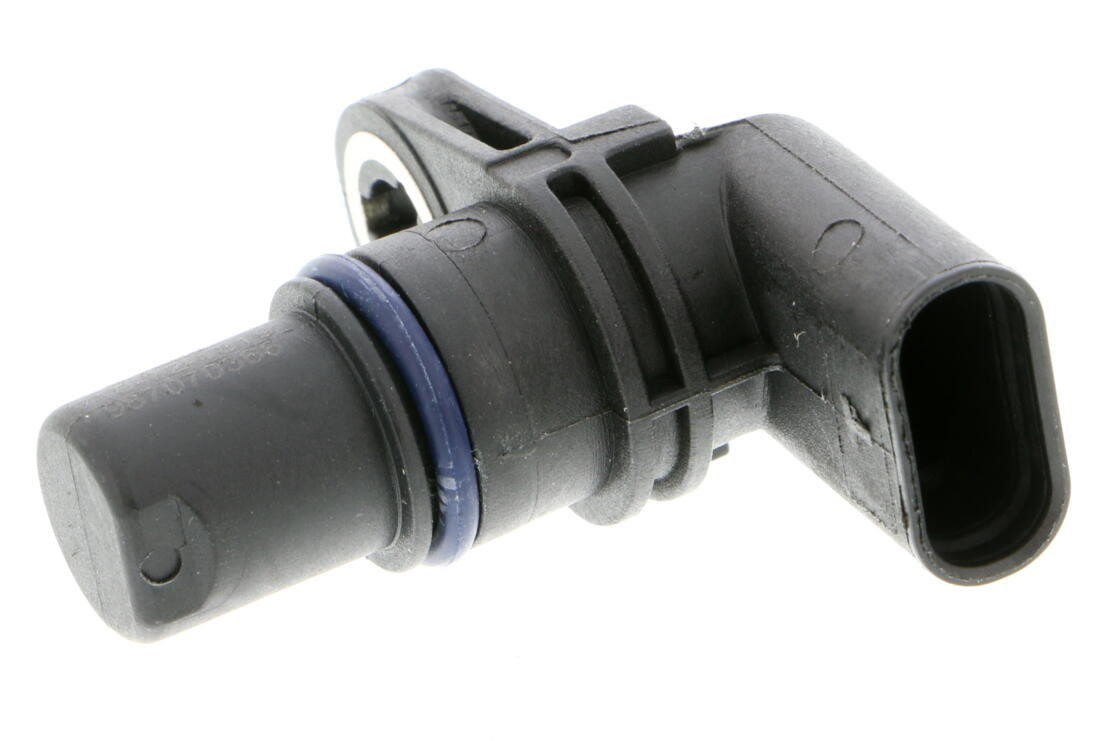
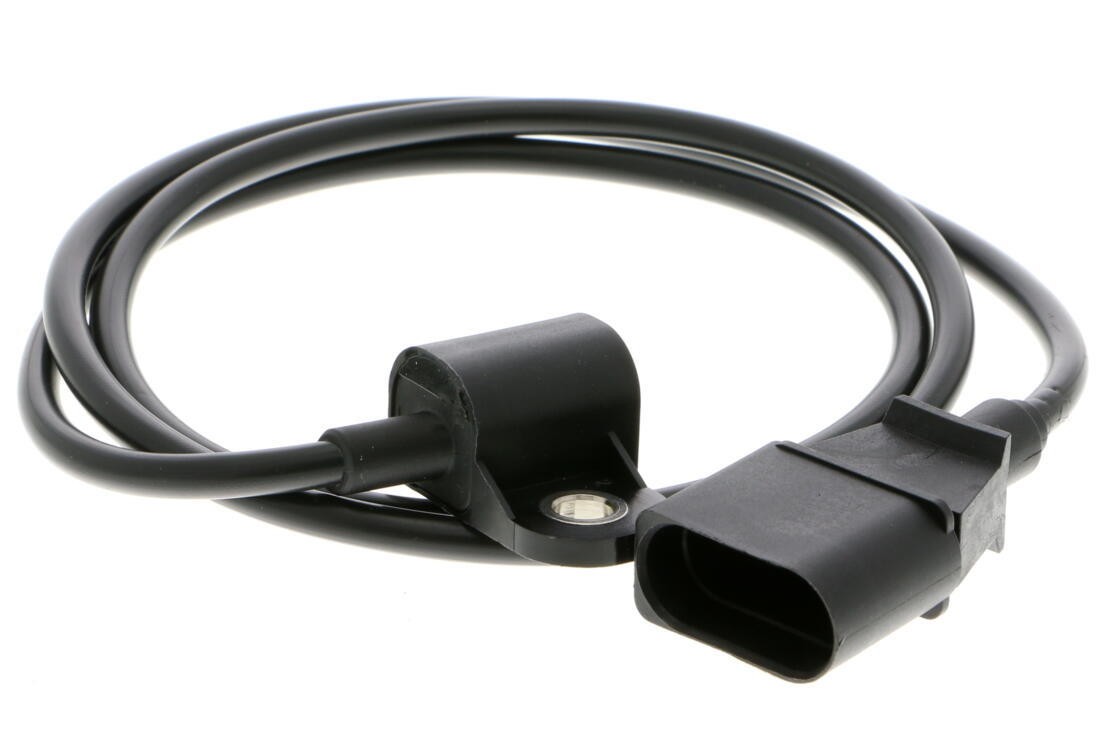
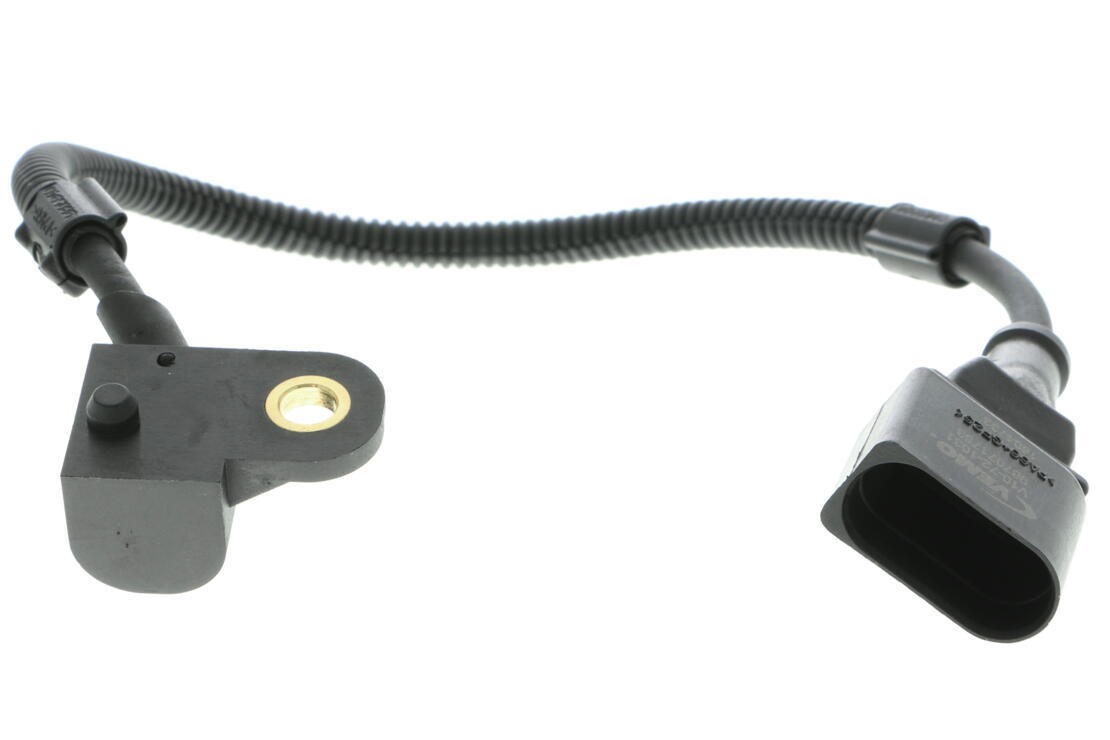
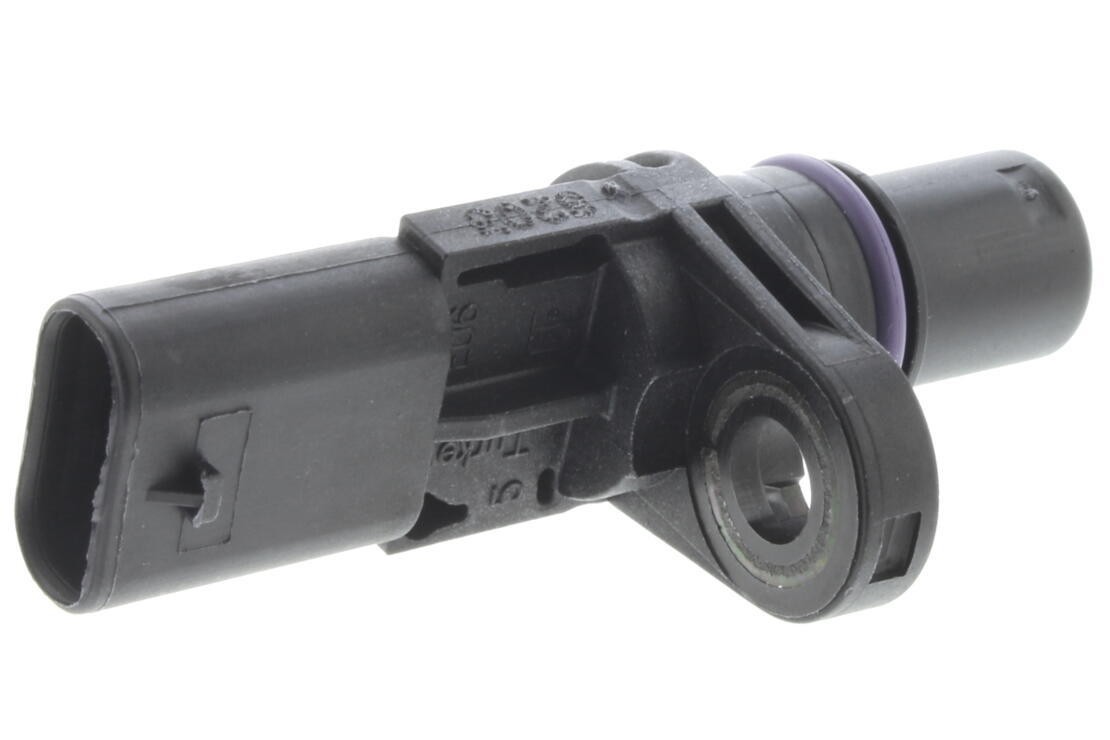
A faulty camshaft position sensor sends incorrect or no signal to the engine computer, causing timing issues.
70% of P0391 cases are fixed by replacing this part
Damaged, corroded, or loose wiring and connectors prevent the sensor's signal from reaching the engine computer correctly.
20% of P0391 cases are fixed by repairing wiring or connectors
While less common, a failing crankshaft position sensor can sometimes send conflicting signals, confusing the engine computer's timing calculations.
5% of P0391 cases are fixed by replacing this part
Actual mechanical timing issues, like a stretched timing chain or a stuck VVT actuator, can cause the camshaft position to be out of its expected range.
5% of P0391 cases are fixed by addressing timing components
Check These First (Before Buying Parts)
- Visually inspect the Camshaft Position Sensor 'B' on Bank 2 and its electrical connector for any visible damage, corrosion, or loose connections. Make sure the connector is fully seated.
- Clear the code with an OBD-II scan tool and see if it immediately returns. Sometimes, a temporary glitch can trigger the code.
How to Diagnose P0391
- 1Visually inspect the Camshaft Position Sensor 'B' on Bank 2 and its wiring for any obvious damage, fraying, or loose connections.
- 2Check for any Technical Service Bulletins (TSBs) related to P0391 for your specific vehicle year, make, and model.
- 3Use a scan tool to view live data for the camshaft position sensor and crankshaft position sensor; compare their readings.
- 4Test the resistance and voltage of the camshaft position sensor using a multimeter according to your vehicle's service manual.
- 5Check for continuity in the wiring harness between the sensor and the engine computer.
How Do I Fix P0391 on My Vehicle?
Toyota Camry
2007-2024Camshaft position sensors on Toyota Camry models are generally reliable, but when P0391 appears, it's often a direct sensor failure. Access can vary by engine (4-cylinder vs. V6), but they are typically straightforward to replace.
75% fixed by replacing the Camshaft Position Sensor
Shop for Toyota CamryHonda Accord
2003-2024Honda Accords are known for occasional camshaft position sensor failures. P0391 on an Accord often points to the sensor itself or a corroded connector. Inspect the wiring harness carefully, especially where it might rub against other engine components.
70% fixed by replacing the Camshaft Position Sensor
Shop for Honda AccordFord F-150
2004-2024On Ford F-150 trucks, especially those with V8 engines, camshaft position sensors can be a common failure point. The 'B' sensor on Bank 2 might be more challenging to access depending on the engine configuration. Always check for oil in the connector, which can cause signal issues.
65% fixed by replacing the Camshaft Position Sensor
Shop for Ford F-150Frequently Asked Questions
What does P0391 mean?
P0391 indicates that your engine's computer has detected an issue with the signal from the Camshaft Position Sensor 'B' on Bank 2. This sensor is crucial for telling the computer the exact position of the camshaft, which is used to control fuel injection and ignition timing.
Can I drive with P0391?
Yes, you can drive for short, essential trips, but you need to fix this quickly. If your engine is stalling, misfiring, or has significantly reduced power, stop driving immediately to prevent further damage.
Will P0391 clear itself?
No, P0391 will not clear itself. The engine computer stores this code because it detects a persistent problem with the camshaft position sensor signal. You will need to diagnose and repair the underlying issue, then clear the code with a scan tool.
How do I fix P0391 myself?
Start by visually inspecting the Camshaft Position Sensor 'B' and its wiring for damage. If the wiring looks good, the most common fix is replacing the camshaft position sensor itself. You'll need basic hand tools and possibly a multimeter to test the sensor and wiring.
How much does it cost to fix P0391?
If you do it yourself, expect to pay $30-$150 for a new camshaft position sensor. If you take it to a shop, the repair will cost $100-$400, including parts and labor.
P0391 keeps coming back - why?
If P0391 keeps returning, it means the root cause wasn't fully addressed. This often happens if you only replaced the sensor but the issue was actually in the wiring, the connector, or a more complex engine timing problem. Always thoroughly inspect wiring and test components before replacing parts.
Will P0391 fail emissions/smog test?
Yes, P0391 will cause your vehicle to fail an emissions or smog test. A Check Engine Light (CEL) illuminated for any reason is an automatic failure in states with emissions inspections.
What's the difference between P0391 and P0341?
P0391 refers to a circuit range/performance issue with Camshaft Position Sensor 'B' on Bank 2. P0341 refers to a circuit range/performance issue with Camshaft Position Sensor 'A' on Bank 1. They point to similar problems but on different sensors or engine banks.
P0391 on Honda Accord
On many Honda Accord models, the camshaft position sensors are relatively accessible. Common causes for P0391 on an Accord are a failing sensor or a damaged sensor connector. Always check for oil leaks around the sensor as oil can sometimes contaminate the electrical connection.
Questions to Ask Your Mechanic
Did you check the live data from both the camshaft and crankshaft position sensors?
Good answer: Yes, I compared the readings and saw a discrepancy with the Bank 2 Sensor B signal, indicating it's out of range or intermittent.
What did you find when you inspected the wiring and connector for the Bank 2 Sensor B camshaft position sensor?
Good answer: I checked for continuity, resistance, and any signs of corrosion or damage. The wiring tested good, so the issue is internal to the sensor.
Repair Cost Estimate
DIY Repair
Parts only
$30-$150
Shop Repair
Parts + labor
$100-$400
Save $70-$250 by doing it yourself
Difficulty
intermediate
Time
0.5-2 hours
Intermediate - requires an OBD-II scan tool for diagnosis and potentially a multimeter, but the physical replacement of the sensor is often simple.
Cost of Waiting
Ignoring P0391 can lead to increasingly difficult starting, engine stalling, and reduced fuel economy. If the engine's timing becomes too erratic, it can cause misfires that send unburned fuel to your catalytic converter. A $50-$150 sensor replacement now prevents a $1,200-$2,500 catalytic converter replacement later.
While You're In There...
Applying dielectric grease to the electrical connector helps prevent corrosion and ensures a good electrical connection, which is crucial for sensor signals.
Some camshaft position sensors can be affected by dirty engine oil or low oil levels, as they rely on oil pressure for VVT systems. If your oil change is due, it's a good time to address it.
Tools You'll Need
- Basic socket set
- Wrench set
- Screwdriver set
- Multimeter
- OBD-II scan tool
Related Codes
The engine computer isn't getting a proper signal from the camshaft position sensor on Bank 1.
The engine computer is receiving an inconsistent or incorrect signal from the camshaft position sensor 'A' on Bank 1.
Your engine computer isn't getting a proper signal from the camshaft position sensor on Bank 2. Bank 2 is the side of your engine that does not contain cylinder #1.
The engine computer is not receiving the correct signal from the camshaft position sensor on Bank 2, which is critical for engine timing.
The engine computer isn't getting a proper signal from the Bank 2, Sensor B camshaft position sensor.
Camshaft Position Sensor 'B' Circuit Low (Bank 2)
Camshaft Position Sensor 'B' Circuit High (Bank 2)
P0391 is a common engine code related to a sensor. Most repairs are straightforward, and once fixed, your engine's timing and performance will be restored.
- Family-owned since 1957
- 990,000+ happy customers
- Fast nationwide shipping
- Easy returns
Your Next Steps
Step 1: Visually inspect the sensor and its wiring. Look for frayed wires, oil contamination, or a loose connector. Clean any corrosion.
Step 2: If the visual inspection doesn't reveal the problem, use an OBD-II scan tool to monitor live data from the camshaft and crankshaft position sensors. Compare their readings to identify inconsistencies.
Step 3: If the sensor appears faulty based on live data or testing, replace the Camshaft Position Sensor 'B' on Bank 2. Parts you'll likely need: one Camshaft Position Sensor.