P0402 Code
Fix within a few daysExcessive Exhaust Gas Recirculation (EGR) Flow Detected
What Does P0402 Mean?
Code P0402 means your engine's Exhaust Gas Recirculation (EGR) system is flowing too much exhaust gas. Common causes: Stuck open EGR valve (60%), faulty EGR solenoid (25%), bad EGR pressure sensor (15%). Drivability: Yes, for short trips, but fix within a few days. Repair cost: $50-$200 DIY, $150-$500 professional.
Can I Drive With P0402?
Yes, for short trips only
Essential trips under 10 miles, avoid highways and heavy traffic where stalling could be dangerous.
Stop driving immediately if: Engine stalls frequently, significant power loss, or loud knocking/pinging sounds.
What Are the Symptoms of P0402?
- 1Rough or unstable idle
- 2Engine stalling, especially at idle or low speeds
- 3Reduced engine power or acceleration
- 4Engine knocking or pinging (detonation)
- 5Increased fuel consumption
- 6Check Engine Light is on
What Causes P0402?
Parts most likely causing this code, ranked by probability
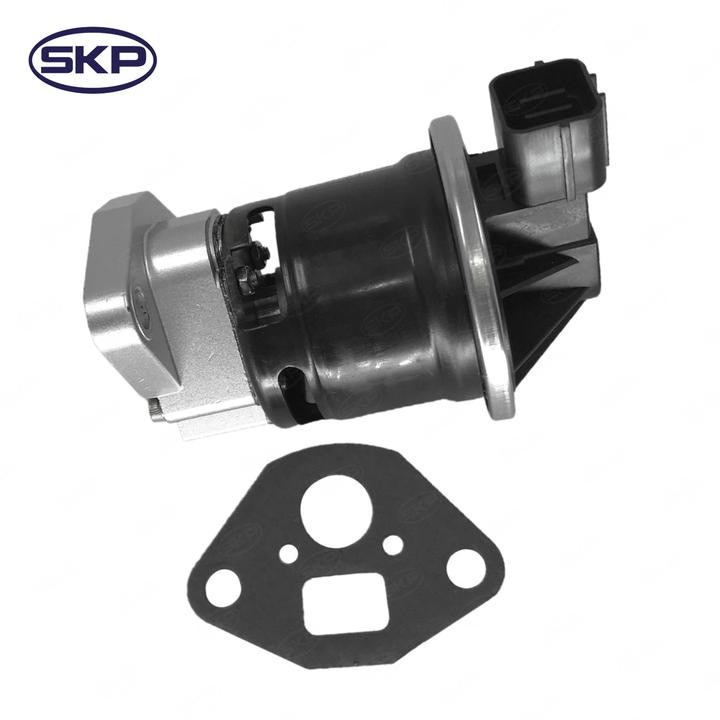
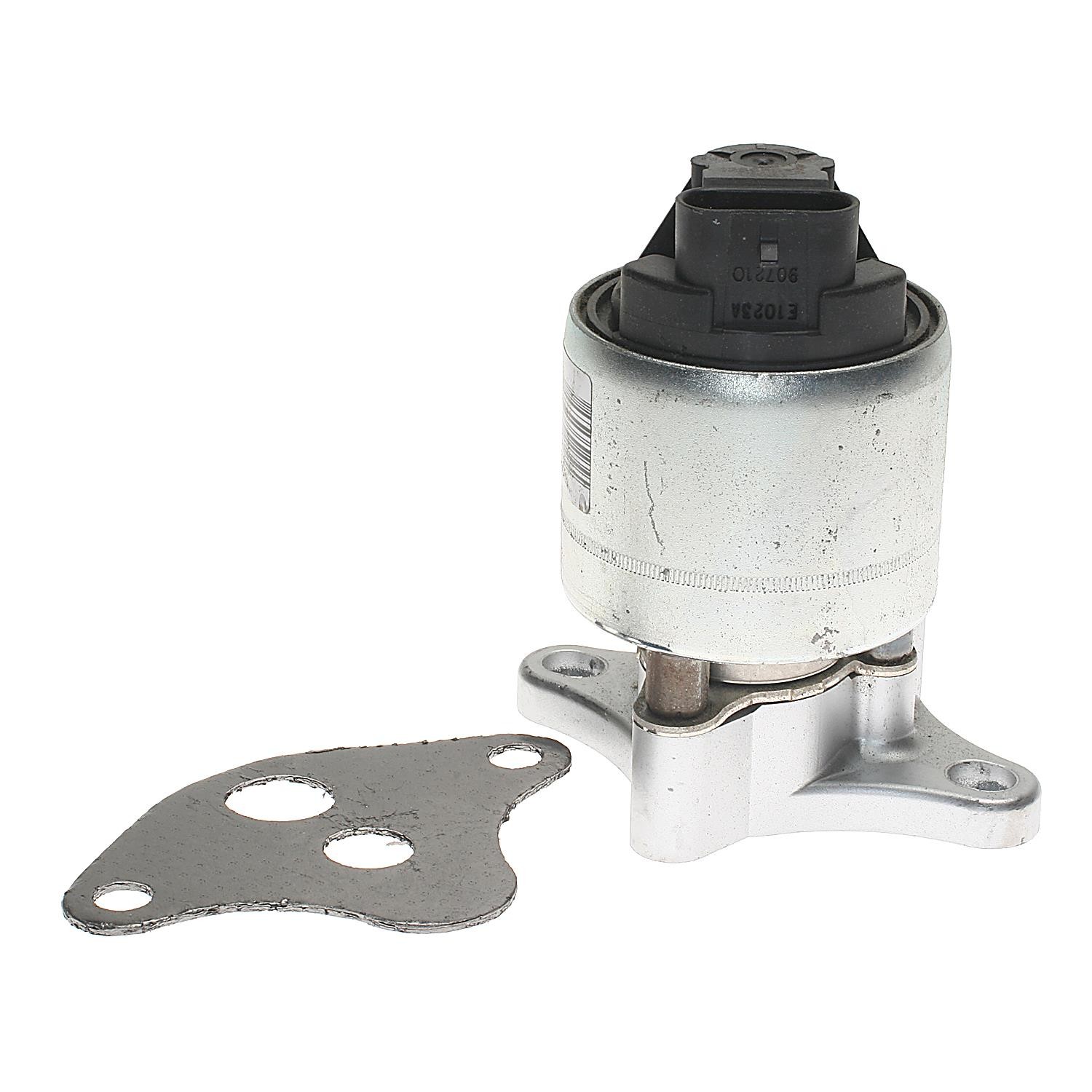
Carbon buildup causes the EGR valve to stick open, allowing too much exhaust gas into the intake manifold at inappropriate times.
60% of P0402 cases are fixed by replacing or cleaning the EGR valve
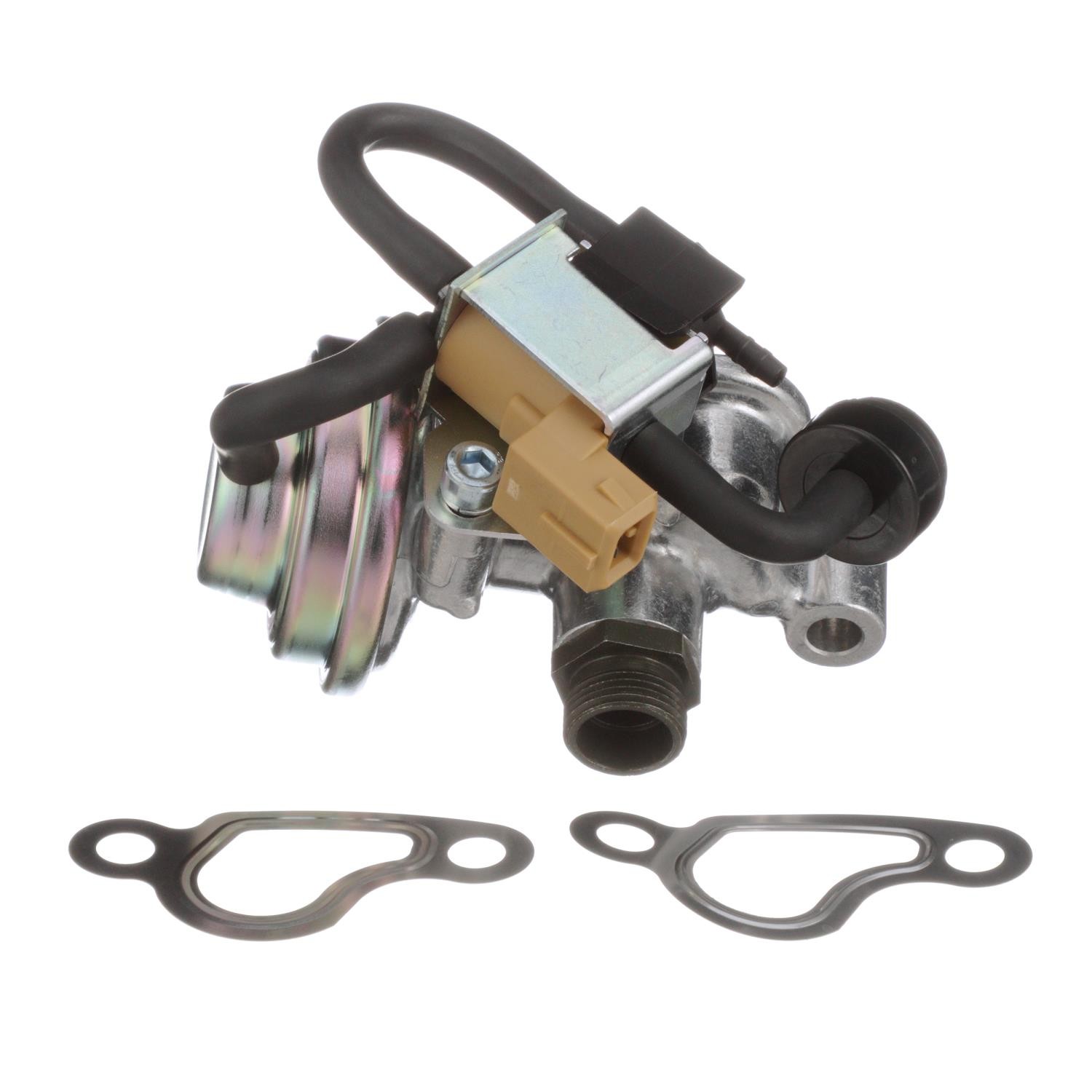
A faulty solenoid can apply too much vacuum to the EGR valve, forcing it open excessively or at the wrong time.
25% of P0402 cases are fixed by replacing the EGR vacuum solenoid
A faulty DPFE sensor can incorrectly report excessive EGR flow to the engine computer, even if the actual flow is normal.
15% of P0402 cases are fixed by replacing the DPFE sensor
Check These First (Before Buying Parts)
- Inspect all vacuum lines connected to the EGR valve and solenoid for cracks, disconnections, or leaks.
- Visually check the EGR valve for obvious signs of carbon buildup around the pintle or if it appears stuck open.
- Listen for any hissing sounds around the EGR valve or intake manifold, indicating a vacuum leak.
How to Diagnose P0402
- 1Visually inspect the EGR valve and its vacuum lines for damage or disconnections.
- 2Check for carbon buildup around the EGR valve pintle and in the EGR passages; clean if necessary.
- 3Test the EGR valve operation using a vacuum pump to see if it holds vacuum and opens/closes smoothly.
- 4Test the EGR vacuum solenoid for proper operation using a multimeter and a vacuum gauge.
- 5Monitor EGR sensor readings with a scan tool to check for erratic or out-of-range values.
How Do I Fix P0402 on My Vehicle?
Ford F-150
1997-2010Ford F-150s are particularly prone to P0402 due to failures of the DPFE sensor or carbon buildup causing the EGR valve to stick open. The DPFE sensor often fails due to moisture or corrosion.
70% fixed by replacing DPFE sensor or EGR valve
Shop for Ford F-150Honda Accord
1998-2007Honda Accords commonly experience P0402 from a stuck open EGR valve due to carbon accumulation. Cleaning the valve and its passages is often effective, but replacement may be necessary.
65% fixed by cleaning or replacing EGR valve
Shop for Honda AccordToyota Camry
1997-2006Toyota Camrys can trigger P0402 due to a faulty EGR valve or a malfunctioning EGR vacuum switching valve (VSV) which controls vacuum to the EGR valve. Carbon buildup is a primary factor.
60% fixed by replacing EGR valve or VSV
Shop for Toyota CamryFrequently Asked Questions
What does P0402 mean?
P0402 indicates that the engine's computer has detected an excessive amount of exhaust gas flowing through the Exhaust Gas Recirculation (EGR) system into the engine's intake manifold.
Can I drive with P0402?
Yes, you can drive for short trips, but you need to fix this within a few days. Excessive EGR flow can cause rough idling, stalling, and reduced engine performance, making driving unpleasant and potentially unsafe.
Will P0402 clear itself?
No, P0402 will not clear itself. The underlying mechanical or electrical issue causing the excessive EGR flow must be diagnosed and repaired. Once fixed, you will need to clear the code with a scan tool or by driving several complete drive cycles.
How do I fix P0402 myself?
You can fix P0402 yourself by first inspecting and cleaning the EGR valve and its passages for carbon buildup. If cleaning does not resolve the issue, you may need to replace the EGR valve, the EGR vacuum solenoid, or the EGR pressure sensor (DPFE sensor).
How much does it cost to fix P0402?
DIY repair costs for P0402 range from $50-$200 for parts like an EGR valve, solenoid, or sensor. Professional shop repairs typically cost $150-$500, including parts and labor.
P0402 keeps coming back - why?
P0402 keeps coming back because the root cause was not fully addressed. This often happens if only the EGR valve was cleaned but the passages remain clogged, or if a faulty EGR solenoid or DPFE sensor was overlooked during the initial repair.
Will P0402 fail emissions/smog test?
Yes, P0402 will cause your vehicle to fail an emissions or smog test. The Check Engine Light being on automatically results in a failure, and an excessive EGR flow condition directly impacts exhaust emissions.
What's the difference between P0402 and P0401?
P0402 indicates 'Excessive EGR Flow Detected,' meaning too much exhaust gas is entering the intake. P0401 indicates 'Insufficient EGR Flow Detected,' meaning not enough exhaust gas is entering the intake. Both point to an issue with the EGR system, but in opposite directions of flow.
P0402 on Ford F-150
On Ford F-150s, especially older models, P0402 is frequently caused by a stuck open EGR valve due to carbon buildup or a faulty DPFE (Differential Pressure Feedback EGR) sensor. The DPFE sensor is a common failure point on these trucks and can incorrectly report excessive flow.
Questions to Ask Your Mechanic
Did you test the EGR valve's operation with a vacuum pump and check for carbon buildup in the passages?
Good answer: Yes, I applied vacuum to the EGR valve and confirmed it opens and closes smoothly. I also inspected the passages and found some carbon, which I cleaned out. The valve itself was sticking slightly.
What were the live data readings for the EGR position sensor or DPFE sensor?
Good answer: I monitored the EGR position sensor (or DPFE sensor) readings with the scan tool. It was showing a consistently high flow reading even when the EGR valve should have been closed, indicating either a stuck valve or a faulty sensor.
Repair Cost Estimate
DIY Repair
Parts only
$50-$200
Shop Repair
Parts + labor
$150-$500
Save $100-$300 by doing it yourself
Difficulty
intermediate
Time
1-3 hours
Intermediate. Requires some mechanical aptitude, basic hand tools, and potentially a vacuum pump and scan tool for proper diagnosis and testing.
Cost of Waiting
Ignoring P0402 can lead to persistent rough idling, stalling, and poor fuel economy. Continued excessive EGR flow can cause the engine to run improperly, potentially leading to premature wear on engine components and increased emissions. A $100-$200 EGR valve repair now prevents ongoing performance issues and potential catalytic converter damage.
While You're In There...
It is necessary to remove the EGR valve to inspect or replace it, and a new gasket ensures a proper seal upon reinstallation, preventing exhaust leaks.
If you are cleaning the EGR passages, it's a good time to clean the throttle body as well, as carbon buildup in both areas can affect idle quality and engine performance.
Tools You'll Need
- Basic socket set and wrenches
- Screwdrivers
- Vacuum pump with gauge
- Multimeter
- Scan tool (to read live data and clear codes)
- Carb cleaner or throttle body cleaner
- Wire brush or pipe cleaners (for passages)
Related Codes
Your engine's Exhaust Gas Recirculation (EGR) system has a flow malfunction.
Your engine's Exhaust Gas Recirculation (EGR) system isn't flowing enough exhaust gas.
The engine computer detected an electrical problem in the Exhaust Gas Recirculation (EGR) valve circuit.
Your engine's computer detected that the Exhaust Gas Recirculation (EGR) valve is not opening or closing as expected, or its position is outside the normal operating range.
P0402 is a common emissions system code. Most repairs involve cleaning or replacing a relatively inexpensive part, and your engine will run much smoother afterward.
- Family-owned since 1957
- 990,000+ happy customers
- Fast nationwide shipping
- Easy returns
Your Next Steps
Step 1: Inspect vacuum lines and electrical connectors to the EGR valve and solenoid for any obvious damage or disconnections.
Step 2: Remove the EGR valve and visually inspect it for carbon buildup. Clean the valve and its mounting passages thoroughly with carb cleaner and a brush. Test the valve with a vacuum pump to ensure it opens and closes freely.
Step 3: If cleaning doesn't resolve the issue, or if the valve is faulty, replace the EGR valve. If the valve tests good, consider testing and potentially replacing the EGR vacuum solenoid or the DPFE sensor based on your diagnostic findings.