P0420 Code
Fix within 1-2 weeksYour catalytic converter on Bank 1 isn't cleaning exhaust gases as effectively as it should be.
What Does P0420 Mean?
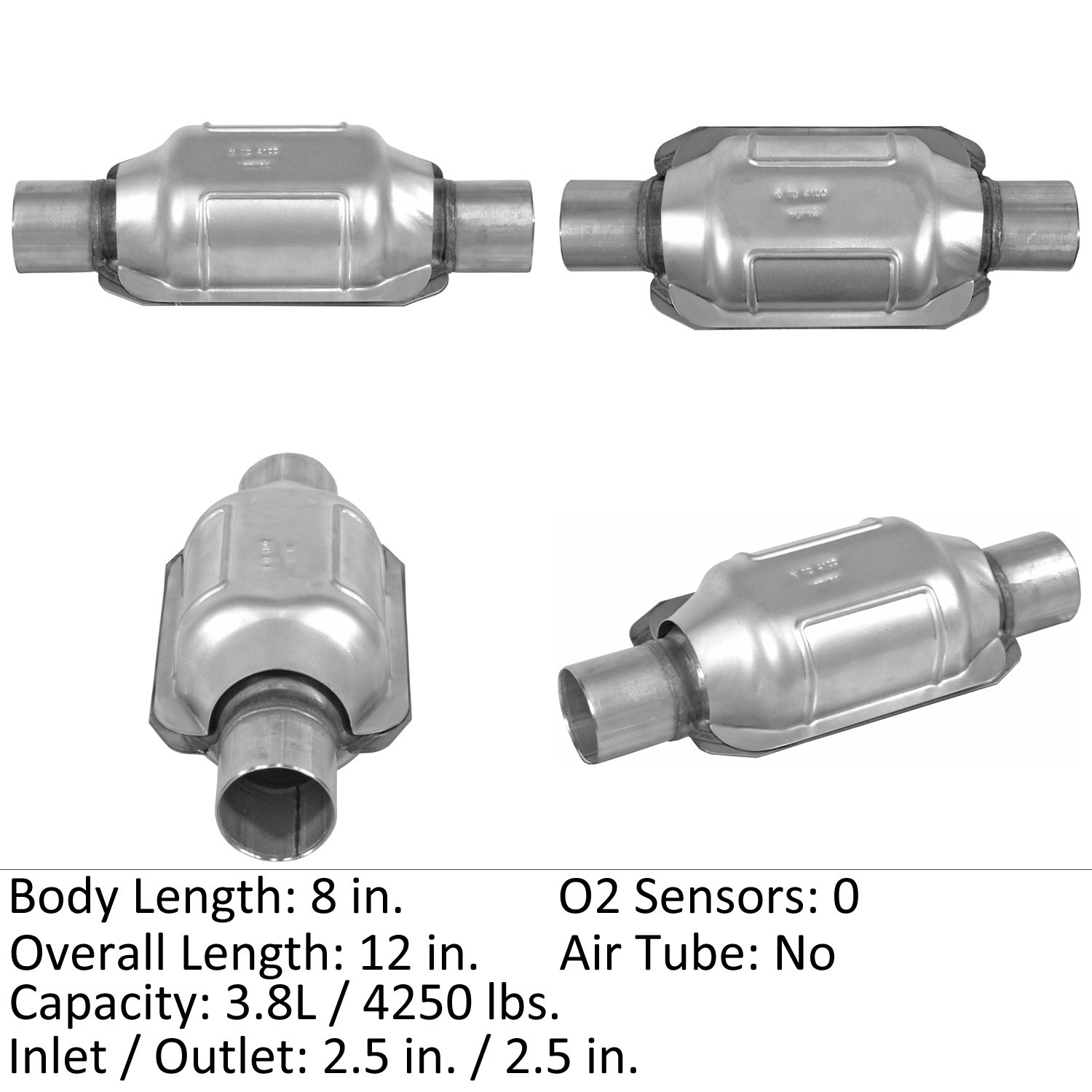
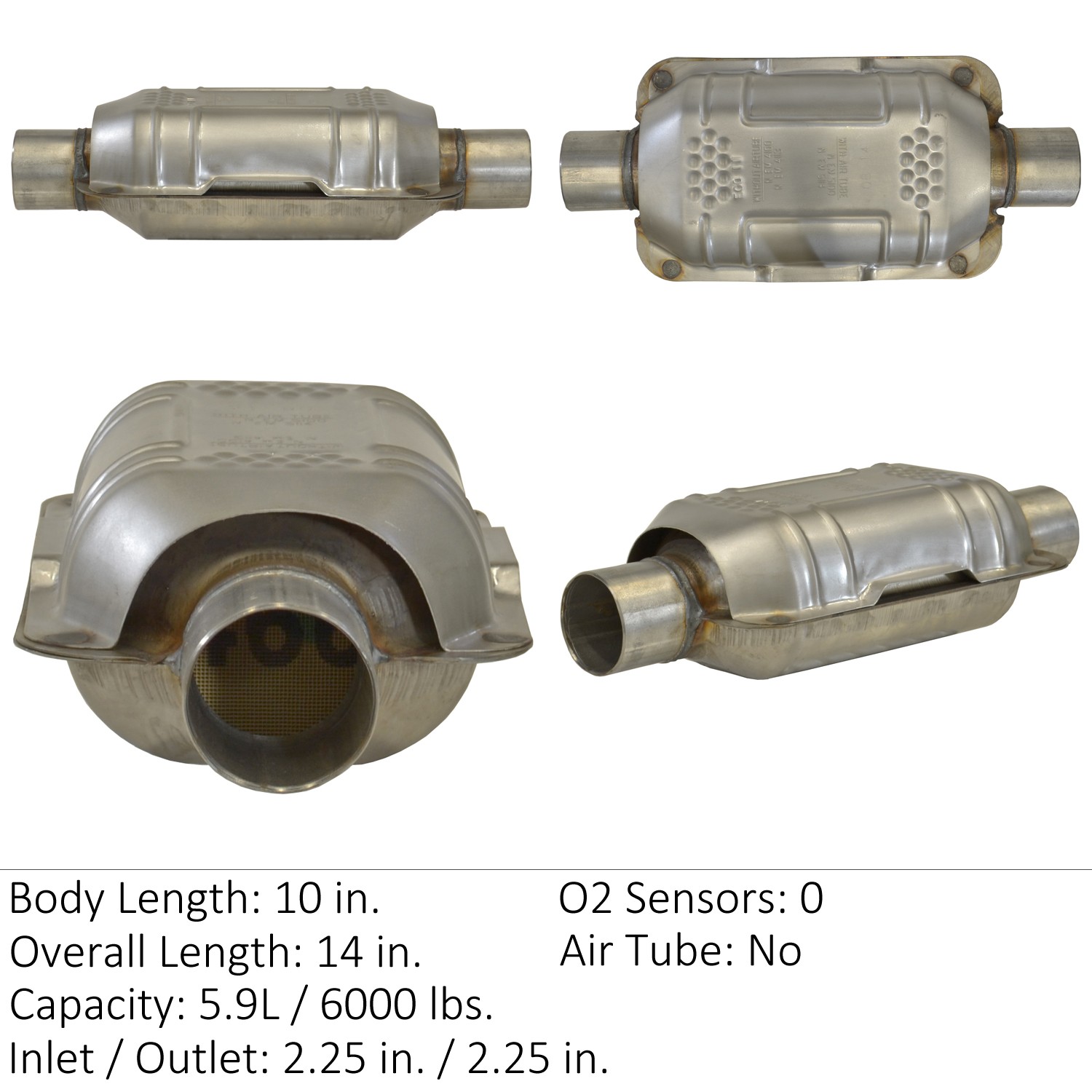
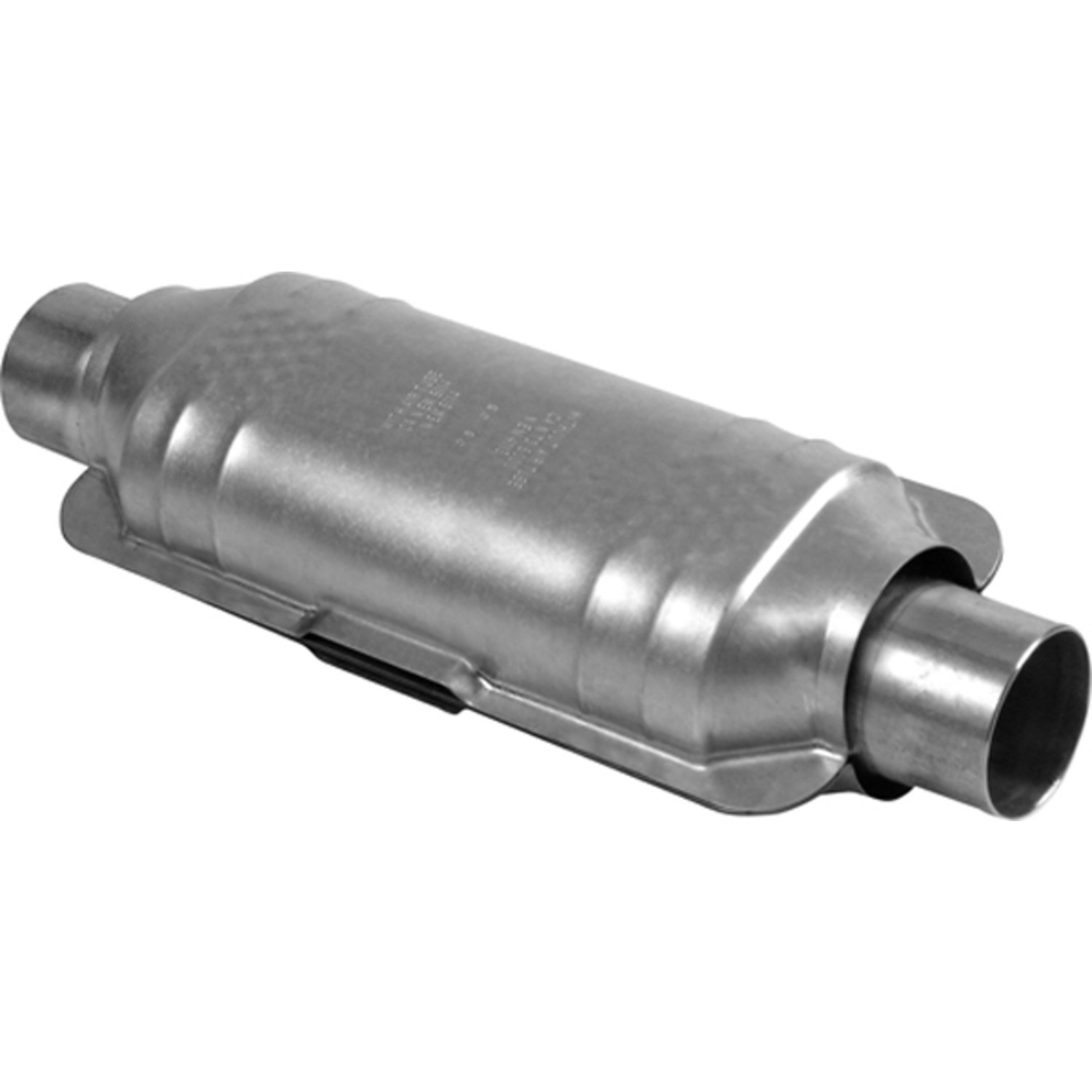
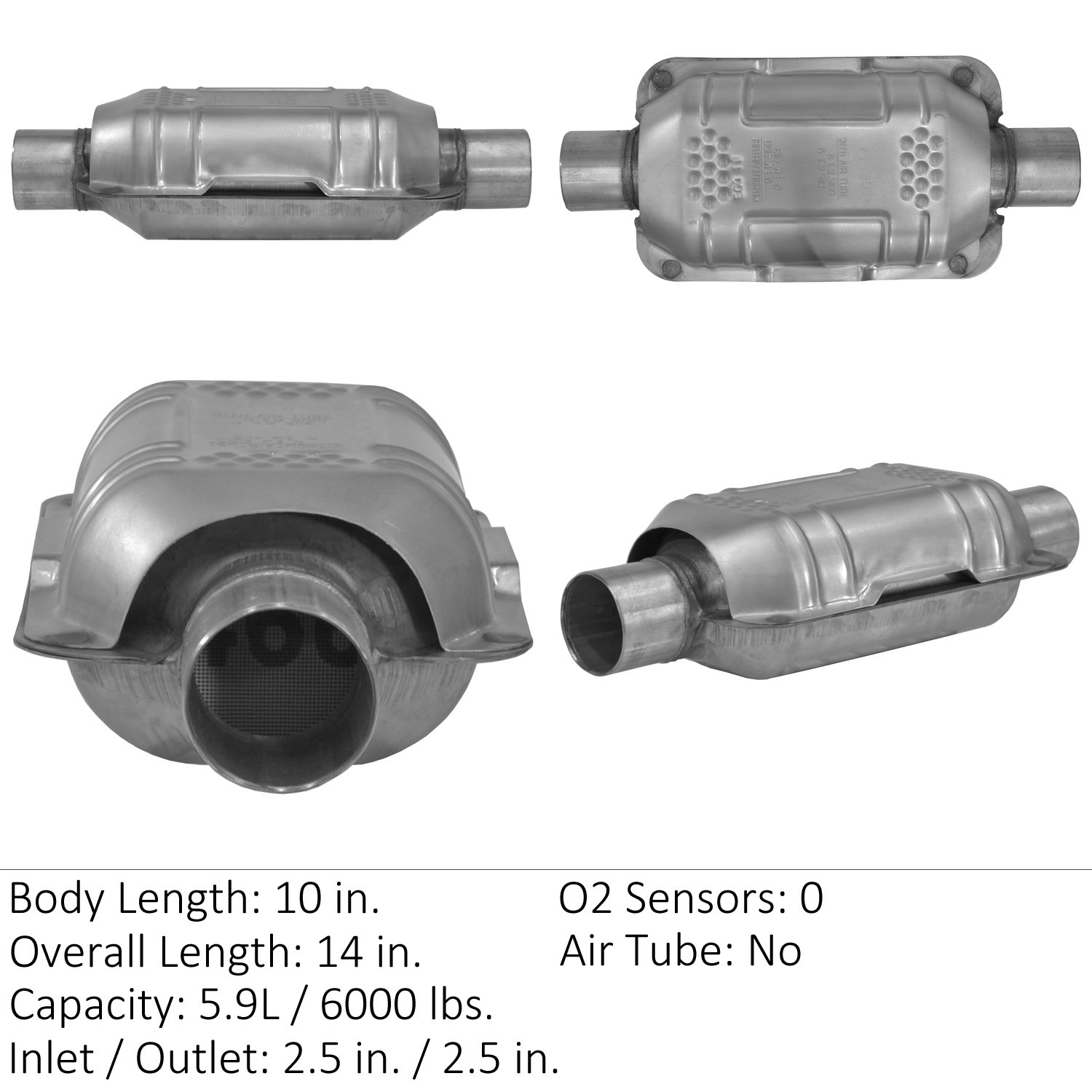
Code P0420 means your catalytic converter isn't working efficiently. Common causes: Failing catalytic converter (80%), faulty downstream O2 sensor (15%), exhaust leak (5%). Drivability: Yes, for short trips, fix within 1-2 weeks. Repair cost: $100-$600 DIY, $300-$2000 professional.
Can I Drive With P0420?
Yes, for short trips only
Essential trips under 10 miles, avoid highways and heavy acceleration. Monitor for worsening symptoms.
Stop driving immediately if: Significant power loss, engine overheating, loud rattling from exhaust, or a strong rotten egg smell.
What Are the Symptoms of P0420?
- 1Check Engine Light is on
- 2Reduced fuel economy (sometimes)
- 3Engine may feel sluggish (if converter is clogged)
- 4Rotten egg smell from exhaust (rare, but indicates severe converter failure)
What Causes P0420?
Parts most likely causing this code, ranked by probability
The internal catalyst material has degraded and can no longer efficiently convert harmful exhaust gases.
80% of P0420 cases are fixed by replacing the catalytic converter
A faulty oxygen sensor after the catalytic converter can send incorrect efficiency readings to the engine computer.
15% of P0420 cases are fixed by replacing the downstream oxygen sensor
An exhaust leak can allow outside air into the exhaust stream, skewing oxygen sensor readings and falsely indicating a converter issue.
5% of P0420 cases are fixed by repairing an exhaust leak
Check These First (Before Buying Parts)
- Check for exhaust leaks: Listen for hissing or puffing sounds, especially when the engine is cold. Visually inspect exhaust pipes and manifold for cracks or rust holes.
- Check for other engine codes: Use an OBD-II scanner to see if there are any misfire codes (P030X), fuel trim codes (P0171, P0172), or O2 sensor heater circuit codes (P0135, P0141) that could be causing the P0420.
How to Diagnose P0420
- 1Scan for any other active or pending diagnostic trouble codes (DTCs) to rule out underlying engine issues.
- 2Visually inspect the exhaust system for any leaks, especially around the catalytic converter and oxygen sensors.
- 3Monitor live data from the upstream and downstream oxygen sensors using a scan tool to compare their waveforms and identify abnormal patterns.
- 4Perform an exhaust backpressure test to check for a clogged catalytic converter.
- 5Inspect the catalytic converter for physical damage, rattling, or discoloration.
How Do I Fix P0420 on My Vehicle?
Toyota Camry
2007-2024P0420 is very common on these models, especially after 100,000 miles. The catalytic converter is the most frequent culprit. Ensure no underlying misfires or oil consumption issues are present.
85% fixed by replacing catalytic converter or O2 sensor
Shop for Toyota CamryHonda Accord
2003-2024Honda Accords are prone to P0420, often due to converter degradation. Sometimes, a failing downstream O2 sensor can trigger it. Check for exhaust manifold cracks which can mimic a converter issue.
80% fixed by replacing catalytic converter or O2 sensor
Shop for Honda AccordFord F-150
2004-2024P0420 on F-150s can be caused by converter failure, but exhaust leaks (especially at the manifold or flange gaskets) are also a significant factor. Always inspect for leaks thoroughly before replacing parts.
75% fixed by replacing catalytic converter, O2 sensor, or repairing exhaust leak
Shop for Ford F-150Frequently Asked Questions
What does P0420 mean?
P0420 indicates that the catalytic converter on Bank 1 (the side of the engine with cylinder #1) is not operating at its required efficiency threshold.
Can I drive with P0420?
Yes, you can drive with P0420, but you should fix it within 1-2 weeks. Ignoring it can lead to reduced fuel economy and potentially more expensive repairs if the converter becomes completely clogged or if an underlying engine issue caused the converter failure.
Will P0420 clear itself?
No, P0420 will not clear itself. The engine computer monitors catalytic converter efficiency continuously. If the problem persists, the code will remain, and your Check Engine Light will stay on.
How do I fix P0420 myself?
Start by checking for exhaust leaks. If no leaks are found, you can try replacing the downstream oxygen sensor on Bank 1. If the code returns, the catalytic converter itself likely needs replacement.
How much does it cost to fix P0420?
DIY repair costs range from $100-$600, primarily for an oxygen sensor or an aftermarket catalytic converter. Professional shop costs range from $300-$2000, depending on whether it's an O2 sensor or a catalytic converter replacement, and if an OEM converter is used.
P0420 keeps coming back - why?
P0420 often returns because the underlying cause was not addressed. This means either the catalytic converter was truly bad and was not replaced, or a new converter was installed but an engine issue (like misfires or running rich/lean) quickly damaged the new converter.
Will P0420 fail emissions/smog test?
Yes, P0420 will cause your vehicle to fail an emissions or smog test. The Check Engine Light being on for this code indicates a fault in the emissions control system.
What's the difference between P0420 and P0430?
P0420 indicates a catalytic converter efficiency issue on Bank 1, while P0430 indicates the same issue but on Bank 2. Bank 1 is the side of the engine containing cylinder #1, and Bank 2 is the opposite side on V-type engines.
P0420 on Toyota Camry
P0420 is a common code on Toyota Camry models, particularly those with higher mileage. It most often points to a failing catalytic converter, but a faulty downstream O2 sensor is also a possibility. Always check for exhaust leaks first.
Questions to Ask Your Mechanic
Did you check for exhaust leaks before recommending a catalytic converter replacement?
Good answer: Yes, I performed a smoke test/visual inspection and confirmed there are no leaks in the exhaust system that could be causing this code.
What were the live data readings for the upstream and downstream O2 sensors?
Good answer: The upstream sensor was cycling normally, but the downstream sensor was mirroring the upstream, indicating the converter is not storing oxygen effectively.
Repair Cost Estimate
DIY Repair
Parts only
$100-$600
Shop Repair
Parts + labor
$300-$2000
Save $200-$1400 by doing it yourself
Difficulty
intermediate
Time
1-4 hours
Intermediate - requires basic mechanical skills, an OBD-II scanner for diagnosis, and potentially specialized tools like an O2 sensor socket. Accessing the converter can be challenging.
Cost of Waiting
Ignoring P0420 can lead to reduced fuel economy and, if the converter is truly failing, it can eventually become clogged. A clogged catalytic converter restricts exhaust flow, causing significant power loss and potentially overheating the engine, leading to more expensive engine damage. A $100-$600 repair now prevents a $1,000-$3,000 engine repair later.
While You're In There...
If you're replacing the catalytic converter or an O2 sensor, you'll be disconnecting exhaust components. Replacing old gaskets prevents future leaks and ensures a proper seal.
While less likely to cause P0420 directly, if you're replacing the downstream O2 sensor, the upstream sensor is often the same age and can also be nearing the end of its service life. Replacing both can prevent a repeat repair.
Tools You'll Need
- OBD-II Scan Tool
- Jack and Jack Stands
- Socket Set
- Wrenches
- Oxygen Sensor Socket (if replacing O2 sensor)
- Torque Wrench
- Safety Glasses
- Gloves
Related Codes
Your vehicle's Bank 2 catalytic converter isn't cleaning exhaust gases efficiently enough.
Your engine's upstream oxygen sensor (Bank 1 Sensor 1) is responding too slowly to changes in the exhaust gas.
Your downstream oxygen sensor (Bank 1, Sensor 2) is responding too slowly to changes in the exhaust gas.
The engine's computer detects that the air-fuel mixture in Bank 1 is too lean, meaning there's too much air or not enough fuel.
Your engine's computer detects that the fuel system on Bank 1 is running too rich, meaning there's too much fuel and not enough air in the exhaust.
Your engine is experiencing misfires on multiple or random cylinders.
P0420 is a very common emissions code. While a catalytic converter replacement can be costly, it's a fixable problem, and addressing it promptly prevents more serious engine issues down the road.
- Family-owned since 1957
- 990,000+ happy customers
- Fast nationwide shipping
- Easy returns
Your Next Steps
Step 1: Use an OBD-II scanner to check for any other codes. Address any misfire or fuel system codes first, as these can damage the catalytic converter.
Step 2: Visually inspect your exhaust system for any leaks. Listen for unusual noises and feel for exhaust gas escaping around joints or pipes.
Step 3: If no leaks or other codes are present, monitor live data from your O2 sensors. If the downstream sensor mirrors the upstream, your catalytic converter is likely failing. Parts you'll likely need: a new downstream oxygen sensor or a replacement catalytic converter for Bank 1.