P0088 Code
Stop drivingYour engine's computer detected that the fuel pressure in the fuel rail is too high.
What Does P0088 Mean?
Code P0088 means your fuel system pressure is too high. Common causes: Fuel Pressure Regulator (50%), clogged fuel return line (25%), faulty fuel pressure sensor (15%). Drivability: No, stop driving. Repair cost: $150-$600 DIY, $300-$1500 professional.
Can I Drive With P0088?
No, stop driving
Immediate repair needed
Stop driving immediately if: Flashing CEL, strong fuel smell, engine stalling, significant power loss, any sign of fuel leakage.
What Are the Symptoms of P0088?
- 1Check Engine Light is on
- 2Engine stalling
- 3Engine running rough or misfiring
- 4Reduced engine power or limp mode
- 5Difficulty starting the engine
- 6Strong fuel smell (potentially)
- 7Engine may shut off unexpectedly
What Causes P0088?
Parts most likely causing this code, ranked by probability
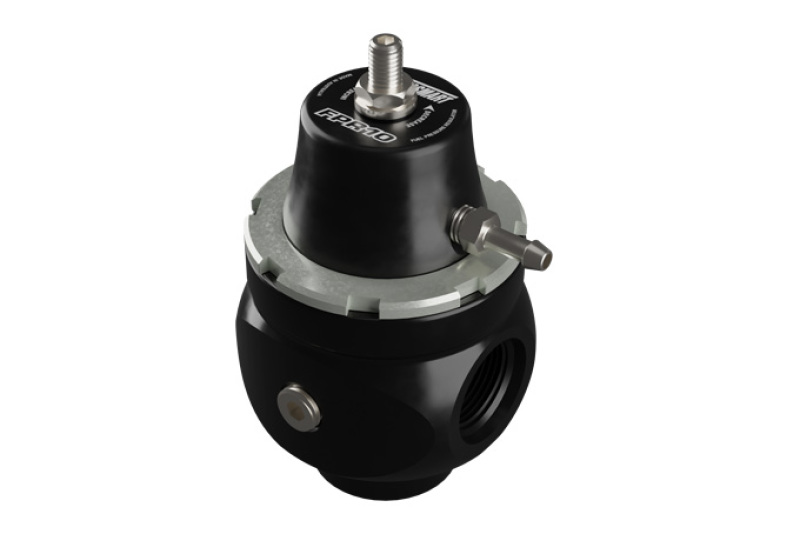
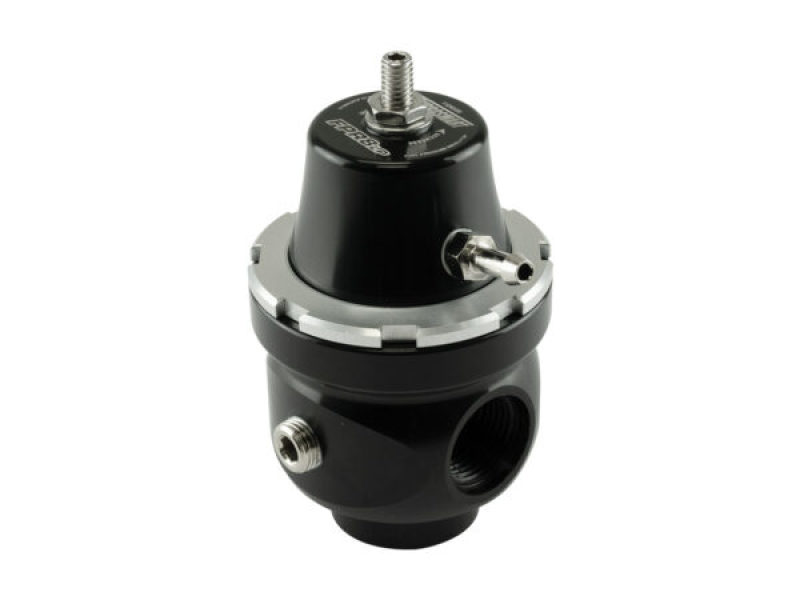
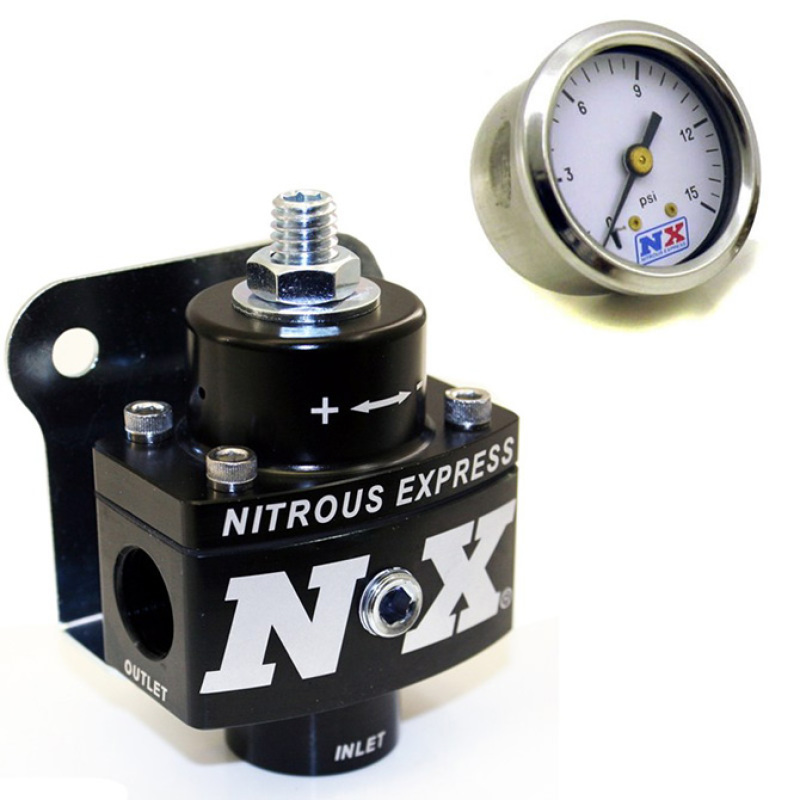
A faulty fuel pressure regulator, often stuck closed, prevents excess fuel from returning to the tank, causing pressure to build up in the fuel rail.
50% of P0088 cases are fixed by replacing this part
A blockage in the fuel return line prevents excess fuel from relieving pressure back to the fuel tank, leading to an over-pressurized fuel system.
25% of P0088 cases are fixed by clearing or replacing this line
A malfunctioning fuel rail pressure sensor can send incorrect high pressure readings to the engine computer, even if the actual pressure is normal.
15% of P0088 cases are fixed by replacing this sensor
On direct injection engines, a failing high-pressure fuel pump can over-pressurize the fuel system if its internal regulation fails.
10% of P0088 cases are fixed by replacing this pump
Check These First (Before Buying Parts)
- Visually inspect all accessible fuel lines for kinks, damage, or signs of leakage, especially the fuel return line.
- Use an OBD-II scan tool to view live fuel rail pressure data and compare it to manufacturer specifications. This helps determine if the sensor is reporting accurately or if the pressure is genuinely high.
How to Diagnose P0088
- 1Connect an OBD-II scan tool to check for pending codes and view live fuel rail pressure data.
- 2Visually inspect all fuel lines, especially the return line, for kinks, damage, or obstructions.
- 3Perform a manual fuel pressure test using a specialized fuel pressure gauge to verify the sensor's reading.
- 4Test the fuel pressure regulator's operation, often by checking vacuum lines or electrical signals.
- 5If applicable, test the high-pressure fuel pump's output and regulation capabilities.
How Do I Fix P0088 on My Vehicle?
Ford F-150
2011-2024EcoBoost engines are prone to high-pressure fuel pump (HPFP) failures or issues with the fuel rail pressure sensor, leading to P0088.
60% fixed by HPFP or sensor replacement
Shop for Ford F-150Chevrolet Silverado
2007-2024Duramax diesel engines can experience P0088 due to issues with the fuel pressure regulator (FPR) on the high-pressure pump or a clogged fuel return line.
70% fixed by FPR or return line service
Shop for Chevrolet SilveradoBMW
2007-2024Many direct-injection BMW models are known for high-pressure fuel pump (HPFP) failures, which can cause P0088 if the pump over-pressurizes the system.
80% fixed by HPFP replacement
Shop for BMWFrequently Asked Questions
What does P0088 mean?
P0088 indicates that your vehicle's engine computer has detected that the fuel pressure in the fuel rail is exceeding its specified limits, meaning it's too high.
Can I drive with P0088?
No, stop driving. High fuel pressure is a serious safety concern that can lead to engine damage, fuel leaks, and a fire hazard. Driving with this code risks severe consequences.
Will P0088 clear itself?
No, P0088 will not clear itself. This code points to a critical issue in the fuel system that requires diagnosis and repair. The underlying problem must be fixed before the code will clear, either automatically after several drive cycles or by using a scan tool.
How do I fix P0088 myself?
To fix P0088 yourself, you'll need to diagnose the root cause. Start by checking fuel pressure sensor readings with a scan tool and visually inspecting fuel lines. If those check out, you might need to replace the fuel pressure regulator, clear a clogged fuel return line, or, less commonly, replace the fuel rail pressure sensor or high-pressure fuel pump.
How much does it cost to fix P0088?
The cost to fix P0088 varies significantly depending on the cause. DIY costs range from $150 for a fuel pressure regulator or sensor to $600 for a high-pressure fuel pump. Professional repair costs typically range from $300 to $1500, including parts and labor.
P0088 keeps coming back - why?
If P0088 keeps coming back, it means the underlying issue was not fully resolved. This often happens if a faulty sensor was replaced but the actual mechanical problem (like a stuck regulator or clogged line) remains, or if a new part is also faulty. A thorough diagnostic process is essential to pinpoint the true cause.
Will P0088 fail emissions/smog test?
Yes, P0088 will cause your vehicle to fail an emissions or smog test. A Check Engine Light illuminated for any reason, especially a critical fuel system code like P0088, is an automatic failure.
What's the difference between P0088 and P0087?
P0088 indicates that the fuel rail pressure is too high, meaning there's an over-pressurization issue. P0087 indicates that the fuel rail pressure is too low, meaning there's an under-pressurization issue. They point to opposite problems within the fuel delivery system.
P0088 on Ford F-150 EcoBoost
On Ford F-150 EcoBoost engines, P0088 is often linked to issues with the high-pressure fuel pump (HPFP) or the fuel pressure sensor. These direct injection systems operate at very high pressures, and component failures can lead to over-pressurization.
Questions to Ask Your Mechanic
Did you check the actual fuel pressure with a mechanical gauge, not just the sensor reading?
Good answer: Yes, I verified the sensor's reading with a mechanical gauge and confirmed the pressure is indeed too high.
What did you find when inspecting the fuel return line for obstructions?
Good answer: I checked the return line for kinks or blockages and confirmed it's clear, or I found a blockage and cleared it.
How did you test the fuel pressure regulator?
Good answer: I tested the regulator's electrical signal and its mechanical operation to ensure it's properly relieving excess pressure.
Repair Cost Estimate
DIY Repair
Parts only
$150-$600
Shop Repair
Parts + labor
$300-$1500
Save $150-$900 by doing it yourself
Difficulty
intermediate
Time
1-3 hours
Professional recommended - Working with high-pressure fuel systems is dangerous and requires specialized tools and knowledge. Incorrect repairs can lead to fuel leaks, fire, or severe engine damage.
Cost of Waiting
Ignoring P0088 can lead to catastrophic engine damage, including injector failure, piston damage, and potential fuel leaks that pose a severe fire hazard. A $200 fuel pressure regulator fix now prevents a $5,000+ engine replacement or a dangerous vehicle fire.
While You're In There...
If accessible and due for replacement, a new fuel filter ensures optimal fuel flow and prevents future fuel system issues.
When disconnecting fuel lines for diagnosis or repair, replacing old seals prevents leaks and ensures a proper, safe connection.
Tools You'll Need
- OBD-II Scan Tool
- Fuel Pressure Gauge (specialized kit)
- Basic Hand Tools (sockets, wrenches)
- Safety Glasses
- Gloves
- Fire Extinguisher (for safety)
Related Codes
The engine computer detects that the fuel pressure in the high-pressure fuel system is too low.
The engine computer isn't getting a correct signal from the fuel rail pressure sensor.
The engine computer detects that the fuel rail pressure sensor's signal is out of its expected range or performing incorrectly, indicating an issue with fuel pressure delivery.
Your engine's computer is seeing a voltage signal from the fuel rail pressure sensor that is too low. This means the sensor or its wiring is faulty, not necessarily that your fuel pressure is actually low.
Fuel Rail Pressure Sensor Circuit High Input
The engine computer detects an intermittent or erratic signal from the fuel rail pressure sensor.
P0088 is a serious code that requires immediate attention, but it is a fixable problem. Addressing it quickly prevents more expensive damage and ensures your vehicle's safety.
- Family-owned since 1957
- 990,000+ happy customers
- Fast nationwide shipping
- Easy returns
Your Next Steps
Step 1: Connect a scan tool to verify the fuel rail pressure reading. If the reading is extremely high or erratic, the fuel rail pressure sensor might be faulty. If the reading is consistently high, proceed to mechanical checks.
Step 2: Perform a manual fuel pressure test with a dedicated gauge. This confirms if the high pressure is real or if the sensor is misreporting. If the manual gauge also shows high pressure, inspect the fuel pressure regulator and fuel return line for issues.
Step 3: Based on your findings, you'll likely need to replace the fuel pressure regulator, clear a clogged fuel return line, or, in direct injection systems, replace the high-pressure fuel pump. Always replace the fuel rail pressure sensor if it's confirmed faulty.