P0191 Code
Fix within a few daysFuel Rail Pressure Sensor Range/Performance
In plain English: The engine computer detects that the fuel rail pressure sensor's signal is out of its expected range or performing incorrectly, indicating an issue with fuel pressure delivery.
What Does P0191 Mean?
Fuel Rail Pressure Sensor Range/Performance
Code P0191 means your fuel rail pressure sensor signal is out of range. Common causes: Faulty fuel rail pressure sensor (50%), weak fuel pump (30%). Drivability: Limit driving, fix within a few days. Repair cost: $50-$200 DIY, $250-$800 professional.
Can I Drive With P0191?
Limit driving, fix within a few days
Essential trips under 10 miles, avoid highways, and monitor engine behavior closely. Do not drive if the engine is stalling or misfiring severely.
Stop driving immediately if: Flashing Check Engine Light, significant power loss, engine stalling, loud engine noises, or a strong fuel smell.
Save $50-$750 by fixing it yourself
What Are the Symptoms of P0191?
- 1Hard starting or no start
- 2Engine stalling
- 3Reduced engine power or acceleration
- 4Engine hesitation or misfires
- 5Poor fuel economy
- 6Check Engine Light illuminated
What Causes P0191?
Parts most likely causing this code, ranked by probability
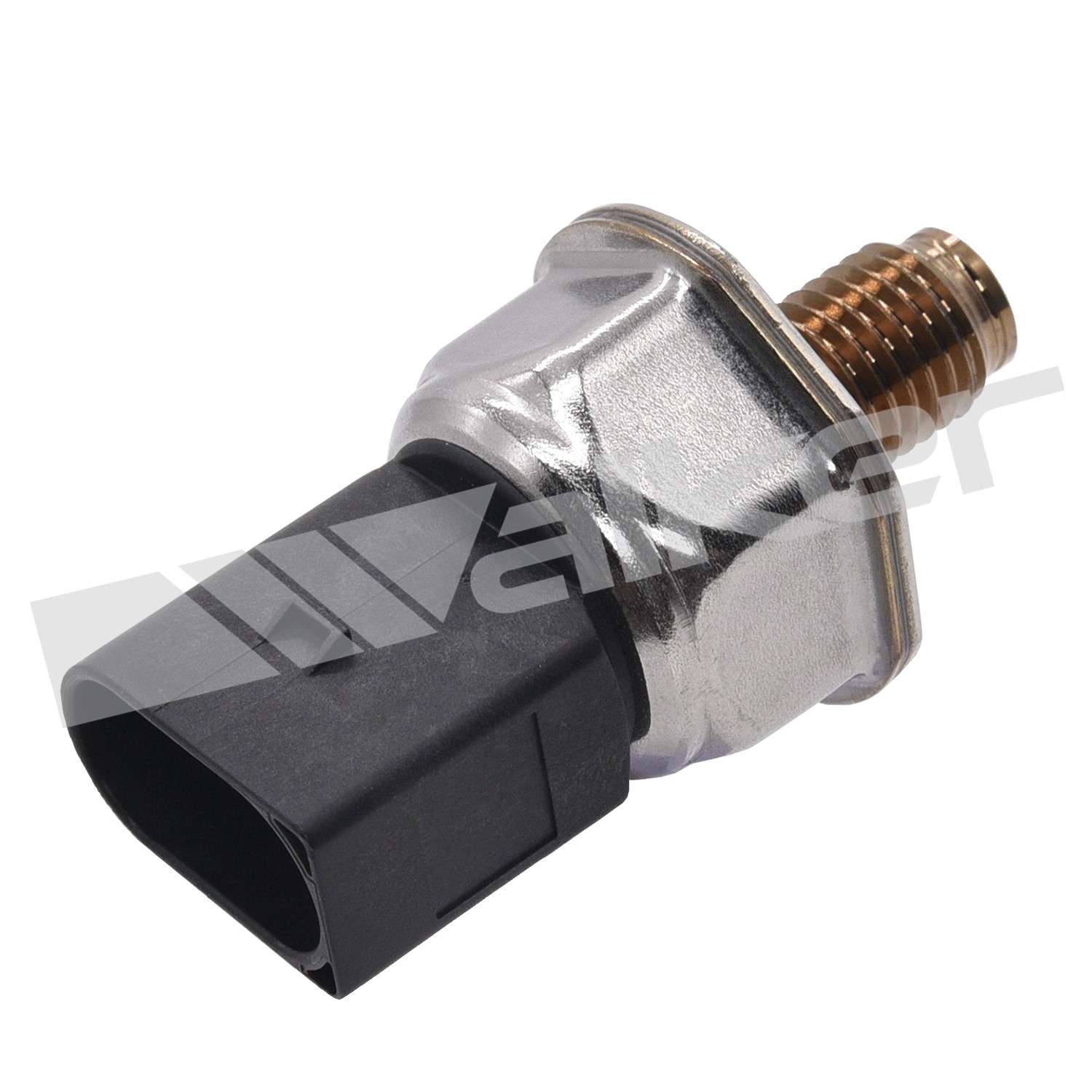
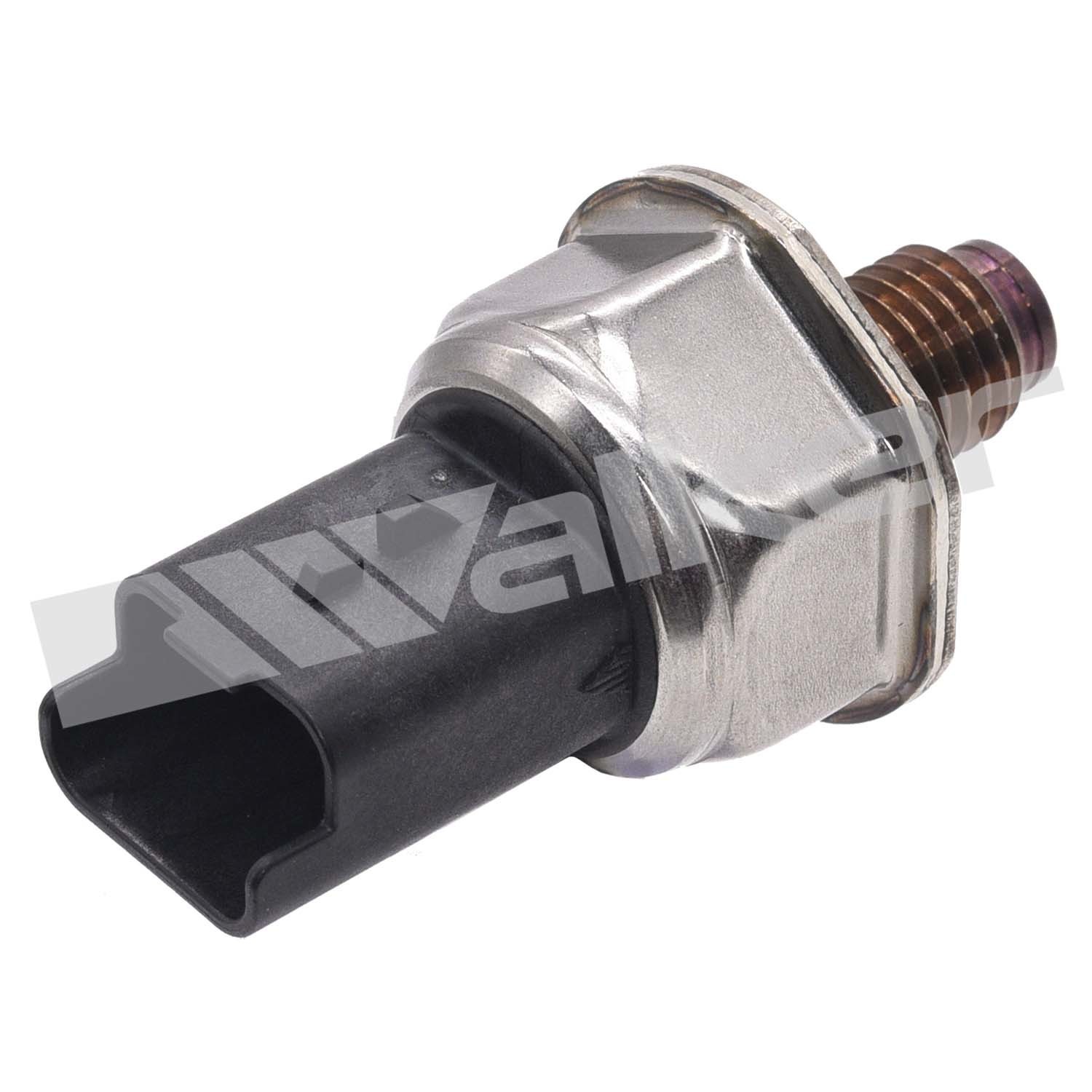
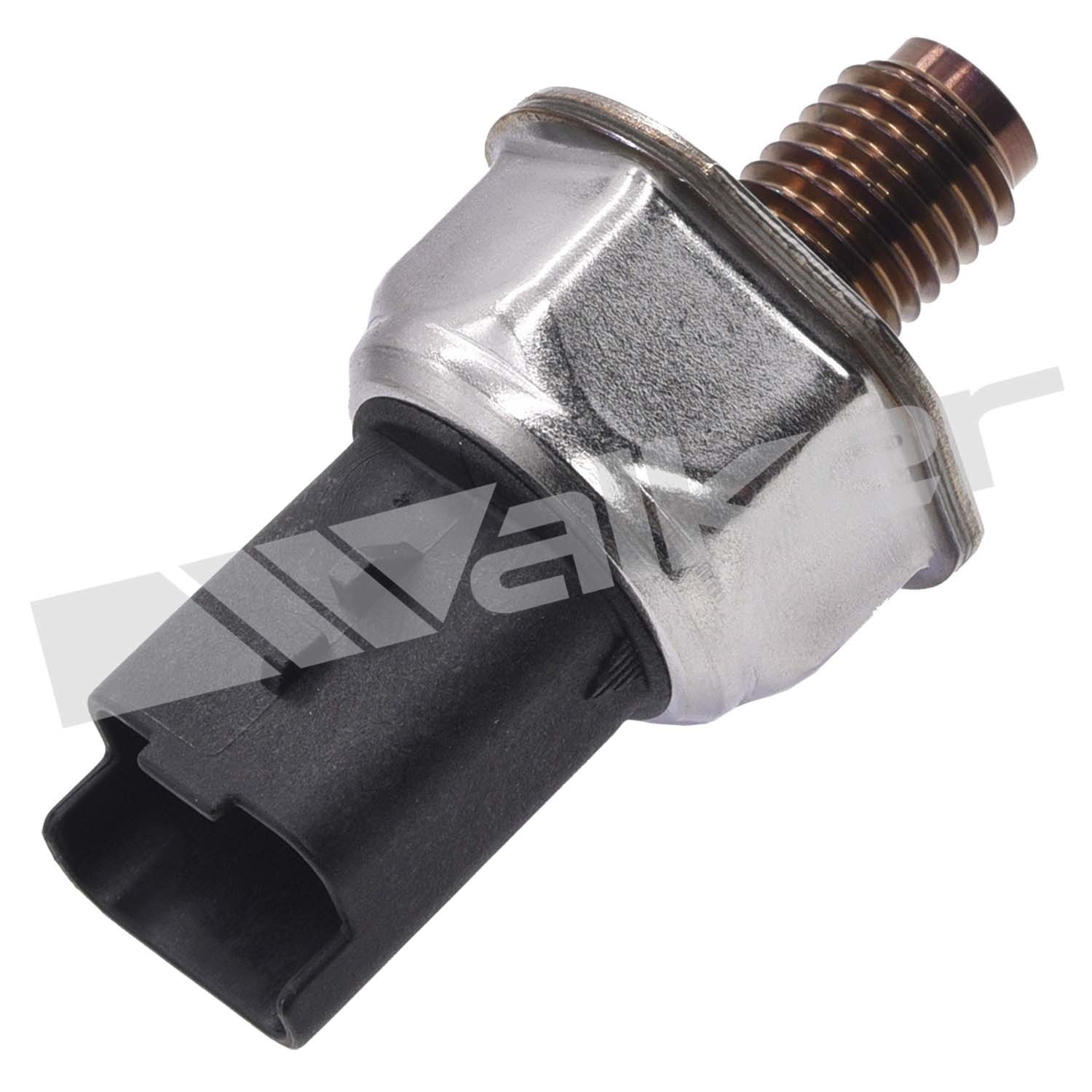
The sensor itself is faulty, sending incorrect or erratic readings to the engine computer.
50% of P0191 cases are fixed by replacing this part
The fuel pump is weak or failing, not delivering the correct pressure to the fuel rail.
30% of P0191 cases are fixed by replacing this part
A faulty fuel pressure regulator can cause the fuel pressure to be too high or too low.
10% of P0191 cases are fixed by replacing this part
Damaged wires or a corroded connector to the fuel rail pressure sensor can disrupt its signal.
5% of P0191 cases are fixed by repairing this issue
A restricted fuel filter can limit fuel flow, leading to insufficient fuel pressure.
5% of P0191 cases are fixed by replacing this part
Check These First (Before Buying Parts)
- Check the fuel level in your tank; running very low can sometimes cause pressure issues.
- Visually inspect the wiring harness and electrical connector to the fuel rail pressure sensor for any signs of damage, fraying, or corrosion.
- Listen for the fuel pump priming sound (a low hum from the rear of the vehicle) when you turn the key to the 'on' position (before starting the engine).
How to Diagnose P0191
- 1Inspect the wiring and connector to the fuel rail pressure sensor for any visible damage or corrosion.
- 2Use a scan tool to monitor live fuel rail pressure data and compare it to the desired pressure.
- 3Perform a mechanical fuel pressure test to verify the actual fuel pressure and compare it to the sensor's reading.
- 4Check the fuel filter for signs of clogging or restriction.
- 5Test the fuel pump's output pressure and volume to ensure it meets specifications.
How Do I Fix P0191 on My Vehicle?
Ford F-150
2011-2024Commonly seen on EcoBoost engines due to issues with the high-pressure fuel pump or the fuel rail pressure sensor itself. Diagnosis often requires careful monitoring of both low and high-pressure fuel systems.
60% fixed by replacing the fuel rail pressure sensor or high-pressure fuel pump
Shop for Ford F-150Chevrolet Silverado
2007-2024Can be caused by a failing fuel pressure sensor or a weak in-tank fuel pump. Wiring harness issues to the sensor are also observed.
55% fixed by replacing the fuel rail pressure sensor or fuel pump
Shop for Chevrolet SilveradoHonda Accord
2003-2024Less common, but when P0191 appears, it often points to a faulty fuel pressure sensor or a failing main fuel pump. Always check for proper voltage and ground at the sensor.
50% fixed by replacing the fuel rail pressure sensor or fuel pump
Shop for Honda AccordFrequently Asked Questions
What does P0191 mean?
P0191 indicates that your engine's computer has detected an issue with the fuel rail pressure sensor's signal, meaning the fuel pressure is not within the expected range for the engine's operating conditions.
Can I drive with P0191?
Limit driving, fix within a few days. This code points to a critical fuel system issue that can lead to stalling, reduced power, or engine damage if ignored. Avoid long trips or heavy loads.
Will P0191 clear itself?
No, P0191 will not clear itself. The underlying fuel pressure issue needs to be diagnosed and repaired. The Check Engine Light will remain on until the problem is resolved and the code is cleared.
How do I fix P0191 myself?
Start by inspecting the fuel rail pressure sensor's wiring and connector. If they look good, use a scan tool to monitor live fuel pressure data. If the sensor reading is erratic or incorrect, you might need to replace the fuel rail pressure sensor or the fuel filter. A mechanical fuel pressure gauge is essential for accurate diagnosis.
How much does it cost to fix P0191?
DIY costs typically range from $50-$200 for a new fuel rail pressure sensor or fuel filter. Professional repair costs can range from $250-$800, depending on whether it's a sensor, regulator, or fuel pump replacement.
P0191 keeps coming back - why?
If P0191 keeps returning, it means the root cause was not fully addressed. This often happens if only the sensor was replaced, but the actual problem is a weak fuel pump, a faulty fuel pressure regulator, or a persistent wiring issue that was overlooked.
Will P0191 fail emissions/smog test?
Yes, P0191 will cause your vehicle to fail an emissions or smog test. This code indicates a problem with the fuel system, which directly impacts exhaust emissions.
What's the difference between P0191 and P0087?
P0191 indicates a general range or performance problem with the fuel rail pressure sensor's signal. P0087 is more specific, indicating that the fuel rail/system pressure is consistently too low.
P0191 on Ford F-150?
On Ford F-150s, especially EcoBoost engines, P0191 is commonly linked to a failing fuel rail pressure sensor or, in some cases, a high-pressure fuel pump issue. Always verify with a mechanical fuel pressure gauge.
Questions to Ask Your Mechanic
Did you check the actual fuel pressure with a mechanical gauge, not just relying on the sensor's reading?
Good answer: Yes, I hooked up a mechanical gauge and compared its reading to what the scan tool showed from the sensor. They were significantly different, confirming the sensor was bad.
What were the live fuel rail pressure readings at idle and under load?
Good answer: At idle, the pressure was erratic, jumping between 40 and 70 PSI when it should be a steady 55 PSI. Under acceleration, it dropped significantly below specification.
Repair Cost Estimate
DIY Repair
Parts only
$50-$200
Shop Repair
Parts + labor
$250-$800
Save $200-$600 by doing it yourself
Difficulty
intermediate
Time
1-3 hours
Intermediate - requires specific diagnostic tools like a scan tool with live data and potentially a mechanical fuel pressure gauge, along with an understanding of fuel system safety.
Cost of Waiting
Ignoring P0191 can lead to severe engine damage from running too lean or too rich, potentially destroying your catalytic converter ($800-$2,500 repair) or causing internal engine wear. A $50-$200 sensor or filter fix now prevents a much larger bill later.
While You're In There...
If accessible, replacing the fuel filter is a low-cost maintenance item that can prevent future fuel delivery issues and is often overlooked.
An inexpensive part that can cause intermittent fuel pump operation and is easy to swap for diagnostic purposes or preventative maintenance.
Tools You'll Need
- OBD-II Scan Tool with live data capability
- Fuel pressure gauge
- Basic hand tools (sockets, wrenches)
- Fuel line disconnect tools (if replacing fuel filter or pump)
Related Codes
The engine computer isn't getting a correct signal from the fuel rail pressure sensor.
Your engine's computer is seeing a voltage signal from the fuel rail pressure sensor that is too low. This means the sensor or its wiring is faulty, not necessarily that your fuel pressure is actually low.
Fuel Rail Pressure Sensor Circuit High Input
The engine computer detects that the fuel pressure in the high-pressure fuel system is too low.
Your engine's computer detected that the fuel pressure in the fuel rail is too high.
Your engine is experiencing misfires on multiple or random cylinders.
P0191 points to a critical fuel system issue, but it's a common problem with clear diagnostic paths. Fixing it promptly prevents more expensive engine damage and restores your vehicle's performance.
- Family-owned since 1957
- 990,000+ happy customers
- Fast nationwide shipping
- Easy returns
Your Next Steps
Step 1: Carefully inspect the wiring harness and electrical connector for the fuel rail pressure sensor. Look for any frayed wires, corrosion, or loose connections. Repair as needed.
Step 2: Connect an OBD-II scan tool and monitor the live data for 'Fuel Rail Pressure' and 'Desired Fuel Rail Pressure'. If the actual pressure is erratic or significantly different from the desired pressure, proceed to test with a mechanical fuel pressure gauge.
Step 3: If the mechanical gauge confirms incorrect fuel pressure, consider replacing the fuel rail pressure sensor first (most common cause). If the problem persists, then investigate the fuel pump and fuel pressure regulator.