P0199 Code
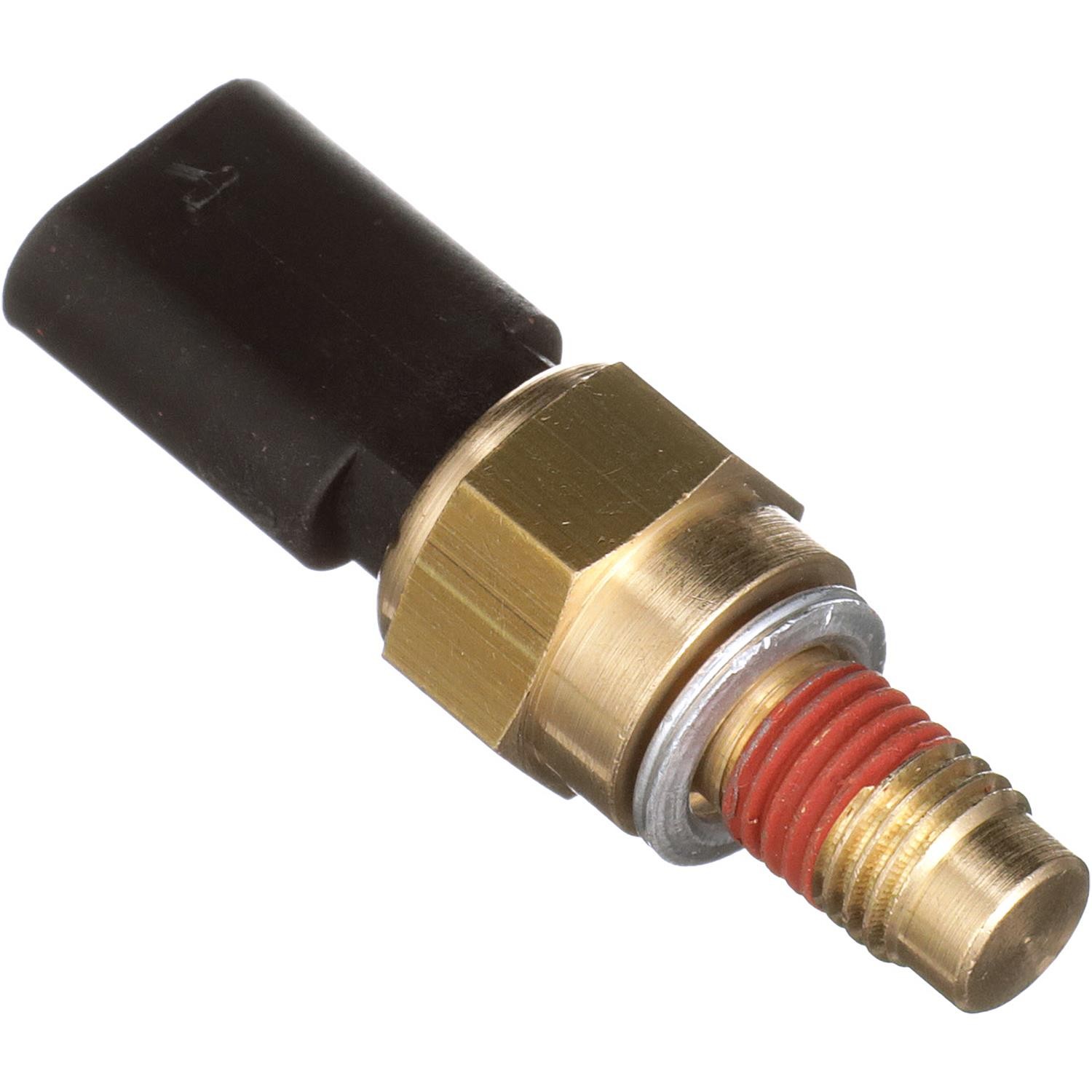
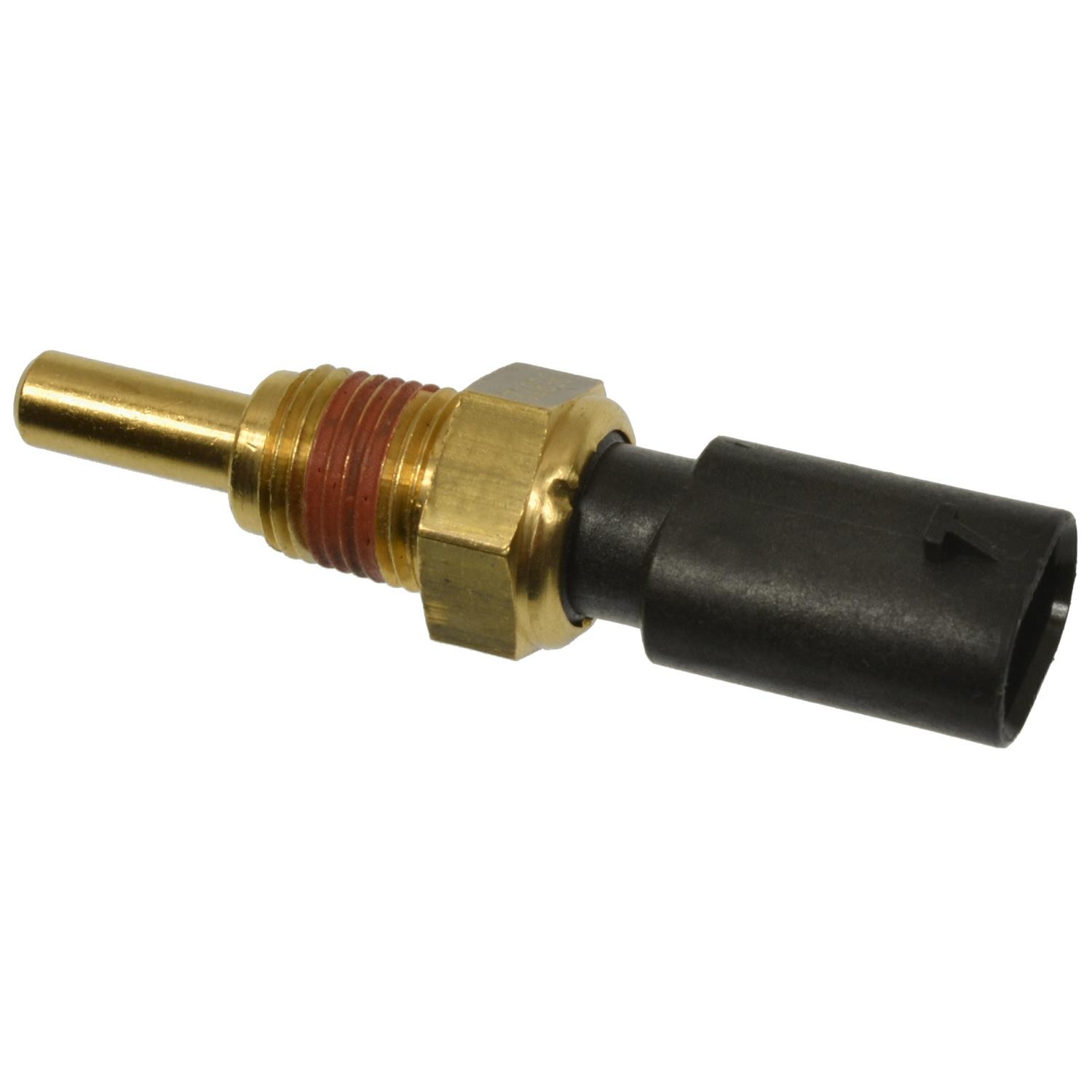
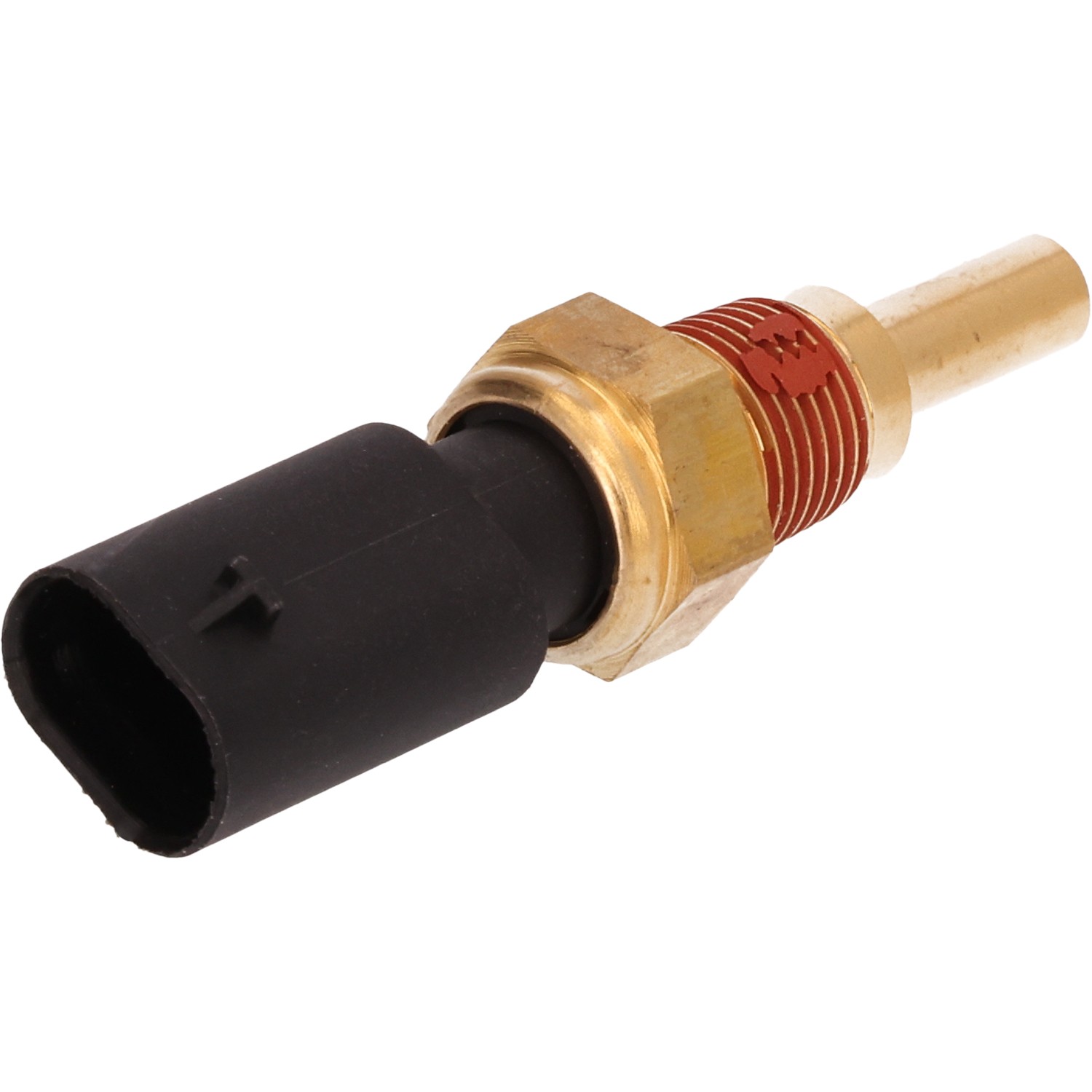
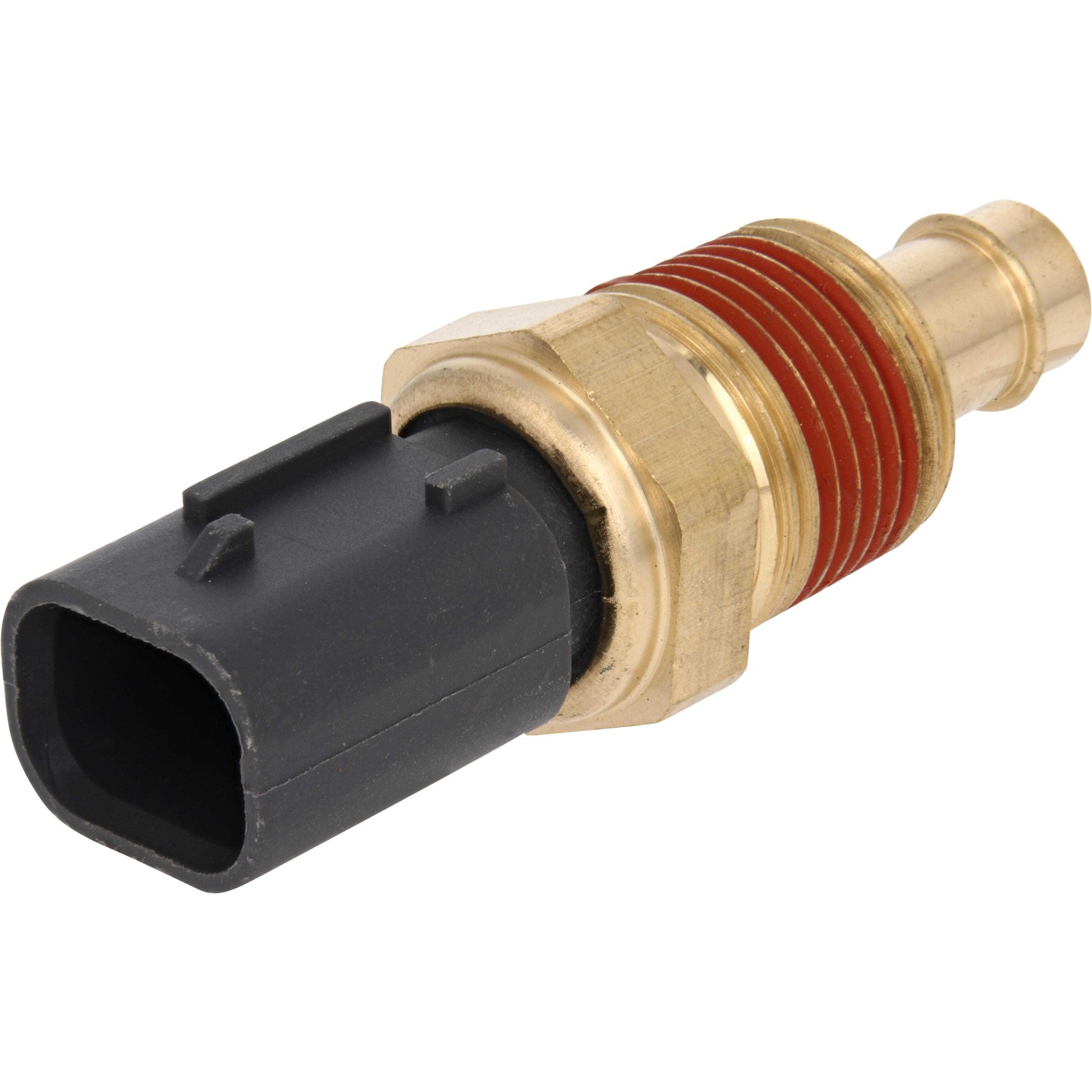
Fix within a few daysEngine Oil Temperature Sensor Intermittent/Erratic. This means your engine computer is getting inconsistent or unreliable readings from the sensor that measures your engine's oil temperature.
What Does P0199 Mean?
Code P0199 means your engine oil temperature sensor is sending intermittent or erratic readings. Common causes: faulty oil temperature sensor (80%), wiring issues (15%). Drivability: Yes, safe to drive, but fix within a few days. Repair cost: $50-$150 DIY, $150-$350 professional.
Can I Drive With P0199?
Yes, safe to drive
No restrictions
Stop driving immediately if: Engine overheating, significant power loss, or other new warning lights appear.
What Are the Symptoms of P0199?
- 1Inaccurate or erratic oil temperature gauge readings
- 2Check Engine Light is on
- 3Engine cooling fan running constantly or not at all (if controlled by oil temp)
- 4Engine running rough or poor fuel economy (less common, but possible if ECM uses this for fuel strategy)
- 5Engine may enter "limp mode" in severe cases (rare for this code)
What Causes P0199?
Parts most likely causing this code, ranked by probability
The sensor's internal components wear out or fail, causing it to send erratic voltage signals.
80% of P0199 cases are fixed by replacing this part
Poor electrical contact or a short/open circuit prevents a consistent signal from reaching the engine computer.
15% of P0199 cases are fixed by repairing wiring or connectors
An internal fault in the ECM prevents it from correctly processing the oil temperature sensor's input.
5% of P0199 cases are fixed by replacing or reprogramming the ECM
Check These First (Before Buying Parts)
- Visually inspect the engine oil temperature sensor's electrical connector for any signs of corrosion, damage, or a loose fit.
- Ensure the wiring leading to the sensor is not frayed, pinched, or melted.
How to Diagnose P0199
- 1Visually inspect the engine oil temperature sensor and its electrical connector for damage, corrosion, or loose connections.
- 2Disconnect the sensor and inspect the terminals for bent pins or corrosion. Clean if necessary.
- 3Using a multimeter, test the resistance of the oil temperature sensor at different engine temperatures (if accessible and safe). Compare readings to factory specifications.
- 4Check for continuity and proper voltage at the sensor's wiring harness connector.
- 5If the sensor and wiring check out, consider a professional diagnosis for ECM issues.
How Do I Fix P0199 on My Vehicle?
Ford F-150
2004-2024The oil temperature sensor on these trucks is a common failure point, often leading to erratic gauge readings or cooling fan issues. It's typically located in the oil pan or near the oil filter.
85% fixed by replacing the sensor.
Shop for Ford F-150Chevrolet Silverado
2007-2024Similar to the F-150, the oil temperature sensor can fail, causing P0199. Access can vary, but it's usually in the lower engine block or oil pan.
80% fixed by replacing the sensor.
Shop for Chevrolet SilveradoHonda Accord
2003-2024While less common than on trucks, P0199 can occur. The sensor is often located near the oil filter or in the oil pan. Wiring integrity is crucial on these vehicles.
75% fixed by replacing the sensor.
Shop for Honda AccordFrequently Asked Questions
What does P0199 mean?
P0199 indicates that your vehicle's engine computer is receiving inconsistent or unreliable data from the engine oil temperature sensor.
Can I drive with P0199?
Yes, you can drive safely, but fix this within a few days. While it's not an immediate breakdown risk, an inaccurate oil temperature reading can affect engine performance and cooling fan operation.
Will P0199 clear itself?
No, P0199 will not clear itself. The engine computer stores this code until the underlying issue is resolved and the code is manually cleared with a scan tool, or after several drive cycles without the fault recurring.
How do I fix P0199 myself?
Start by visually inspecting the oil temperature sensor and its wiring for damage. If no obvious issues, replace the engine oil temperature sensor. This is often a straightforward repair.
How much does it cost to fix P0199?
A DIY fix for P0199 typically costs $50-$150 for the sensor. Professional repair at a shop ranges from $150-$350, including parts and labor.
P0199 keeps coming back - why?
If P0199 returns after replacing the sensor, the issue is likely in the wiring harness leading to the sensor, or less commonly, a problem with the engine computer itself.
Will P0199 fail emissions/smog test?
Yes, P0199 will cause your vehicle to fail an emissions or smog test. The Check Engine Light being on is an automatic failure in most testing jurisdictions.
What's the difference between P0199 and P0195?
P0199 specifically indicates an intermittent or erratic signal from the oil temperature sensor, meaning the signal is inconsistent. P0195 indicates a general malfunction of the engine oil temperature sensor circuit.
P0199 on Ford F-150?
On many Ford F-150 models, the oil temperature sensor is located in the oil pan or near the oil filter housing. It's a common failure point, and replacement is usually straightforward, often requiring an oil drain.
Questions to Ask Your Mechanic
Did you check the wiring harness and connector for corrosion or damage before condemning the sensor?
Good answer: Yes, I performed a visual inspection and tested for continuity and voltage at the connector. The wiring is solid, which points to the sensor itself.
Repair Cost Estimate
DIY Repair
Parts only
$50-$150
Shop Repair
Parts + labor
$150-$350
Save $100-$200 by doing it yourself
Difficulty
beginner
Time
0.5-1.5 hours
Beginner-friendly, as replacing the oil temperature sensor often requires basic hand tools and minimal mechanical experience.
Cost of Waiting
Ignoring P0199 can lead to the engine computer making incorrect decisions about fuel delivery or cooling fan operation, potentially causing reduced fuel economy, overheating, or premature engine wear over time.
While You're In There...
You're already draining the oil, so replacing it and the filter is minimal extra effort and good preventative maintenance.
Tools You'll Need
- Basic hand tools (wrenches/sockets)
- Multimeter
- Scan tool (to clear code)
- Oil drain pan (if sensor is in oil pan)
- New engine oil (if draining oil)
Related Codes
Engine Oil Temperature Sensor Malfunction
The engine computer (PCM) is receiving an abnormal signal from the engine oil temperature sensor, indicating a problem with the sensor's reading or its circuit.
The engine computer detects that the engine oil temperature sensor is reporting an extremely low temperature, indicating a problem with the sensor or its circuit.
Your engine's computer is getting a signal from the engine oil temperature sensor that is too high, indicating an issue with the sensor or its circuit.
P0199 is a common sensor code, and the fix is usually straightforward and affordable. Your engine will be back to providing accurate temperature readings quickly.
- Family-owned since 1957
- 990,000+ happy customers
- Fast nationwide shipping
- Easy returns
Your Next Steps
Step 1: Visually inspect the engine oil temperature sensor and its wiring harness for any obvious damage, corrosion, or loose connections.
Step 2: If the visual inspection doesn't reveal the problem, use a multimeter to test the resistance of the sensor and check for proper voltage at the connector. Compare readings to your vehicle's service manual.
Step 3: If the sensor tests faulty or the wiring is good, replace the engine oil temperature sensor. You'll likely need a new sensor and potentially some fresh engine oil if you have to drain it.