P0235 Code
Fix within a few daysThe engine computer detects a problem with the turbocharger or supercharger boost sensor 'A' circuit, meaning the signal it's receiving is outside the expected range.
What Does P0235 Mean?
Code P0235 means your engine computer detects an issue with the turbo/supercharger boost sensor circuit. Common causes: Faulty boost sensor (50%), wiring issues (25%), boost leaks (15%). Drivability: Limit driving, fix within a few days. Repair cost: $50-$250 DIY, $150-$600 professional.
Can I Drive With P0235?
Limit driving, fix within a few days
Essential trips under 10 miles, avoid highways and heavy acceleration. Expect reduced power.
Stop driving immediately if: Flashing CEL, loud whistling/hissing, significant power loss, black smoke, or any burning smell.
What Are the Symptoms of P0235?
- 1Reduced engine power or 'limp mode'
- 2Check Engine Light is on
- 3Engine hesitation during acceleration
- 4Black smoke from the exhaust (diesel engines)
- 5Unusual whistling or hissing noises from the engine bay
What Causes P0235?
Parts most likely causing this code, ranked by probability
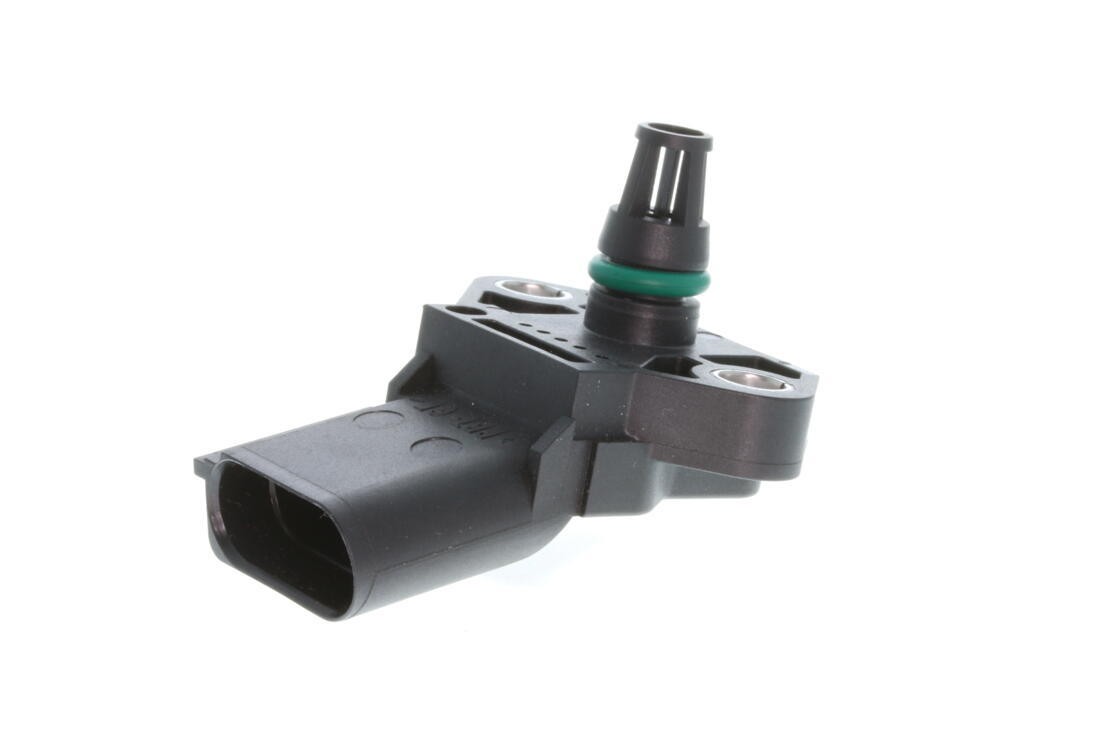
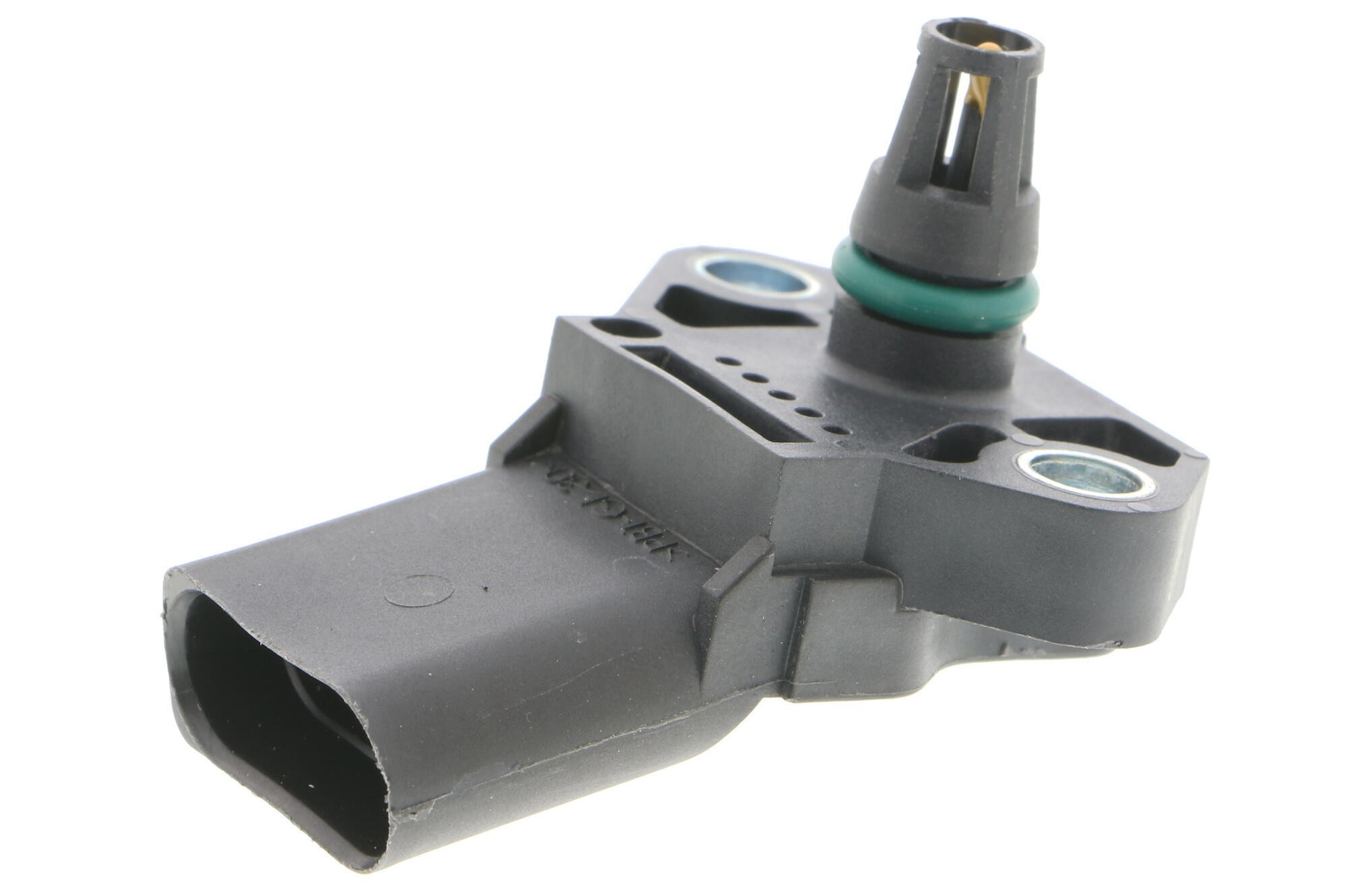
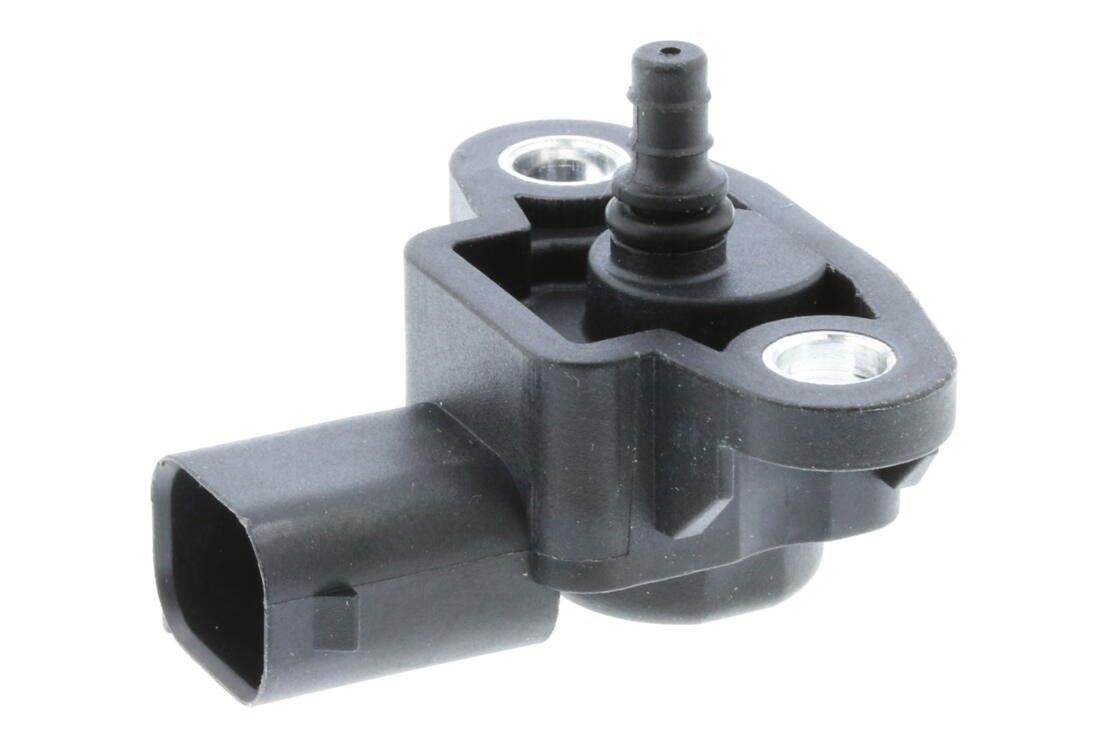
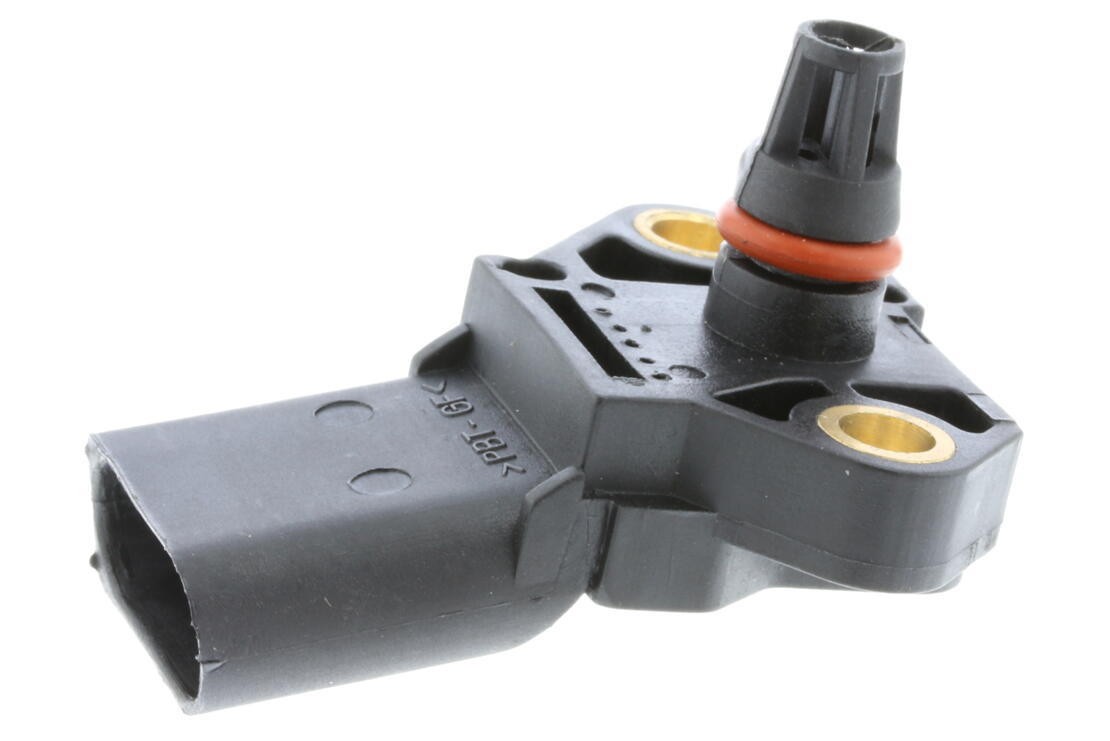
The sensor itself is faulty, sending incorrect or no signal to the engine computer.
50% of P0235 cases are fixed by replacing this part
Damaged, corroded, or loose wiring or a faulty connector prevents the correct signal from reaching the engine computer.
25% of P0235 cases are fixed by repairing wiring or connector
A leak in the turbocharger's boost system means the sensor reads lower pressure than expected, triggering the code.
15% of P0235 cases are fixed by repairing a boost leak
A stuck wastegate, faulty actuator, or internal turbocharger failure can cause incorrect boost pressure, leading the sensor to report an out-of-range condition.
8% of P0235 cases are fixed by addressing a turbocharger issue
A rare internal fault within the engine computer can incorrectly interpret the boost sensor signal or fail to process it correctly.
2% of P0235 cases are fixed by replacing the ECM/PCM
Check These First (Before Buying Parts)
- Inspect the boost pressure sensor's electrical connector for corrosion or looseness.
- Visually check all turbocharger boost hoses and clamps for any signs of cracks, tears, or loose connections.
- Listen for any obvious hissing or whooshing sounds from the engine bay when accelerating, indicating a boost leak.
How to Diagnose P0235
- 1Visually inspect the boost pressure sensor's wiring and connector for damage or corrosion.
- 2Check all turbocharger/supercharger boost hoses, intercooler, and clamps for cracks, loose connections, or leaks.
- 3Use a scan tool to monitor live data from the boost pressure sensor (MAP sensor) at idle and under load.
- 4Test the boost pressure sensor's voltage signal with a multimeter, comparing it to manufacturer specifications.
- 5Inspect the turbocharger's wastegate actuator and linkage for proper movement and ensure it's not stuck.
How Do I Fix P0235 on My Vehicle?
Ford F-150
2011-2024EcoBoost engines are prone to boost sensor failures and boost leaks, especially from charge pipes or the intercooler. Check for oil residue around intercooler connections.
65% fixed by replacing boost sensor or repairing boost leak
Shop for Ford F-150Chevrolet Silverado
2007-2024On Duramax diesel and EcoTec3 turbo gasoline engines, P0235 often points to a faulty boost pressure sensor or a cracked intercooler pipe. Inspect the sensor and all boost plumbing thoroughly.
60% fixed by replacing boost sensor or repairing boost leak
Shop for Chevrolet SilveradoRam (Cummins/EcoDiesel)
2007-2024Cummins and EcoDiesel engines can trigger P0235 due to a failing boost pressure sensor or issues with the turbocharger's variable geometry actuator. Check for proper wastegate/actuator movement.
55% fixed by replacing boost sensor or addressing turbo actuator
Shop for Ram (Cummins/EcoDiesel)Frequently Asked Questions
What does P0235 mean?
P0235 indicates that your vehicle's engine computer has detected a problem with the electrical circuit for the turbocharger or supercharger boost sensor 'A'. This means the signal from the sensor is not within the expected operating range.
Can I drive with P0235?
Limit driving, fix within a few days. Driving with P0235 can lead to reduced engine power, poor fuel economy, and potentially more severe engine or turbocharger damage if the underlying issue is not addressed promptly.
Will P0235 clear itself?
No, P0235 will not clear itself. The engine computer stores this code until the underlying problem is fixed and the system passes its self-test, or until the code is manually cleared with a scan tool.
How do I fix P0235 myself?
Start by inspecting the boost pressure sensor's wiring and connector for damage. Check all boost hoses and the intercooler for leaks. If those are good, replacing the boost pressure sensor (MAP sensor) is the next step. You'll need a scan tool to confirm proper operation afterward.
How much does it cost to fix P0235?
DIY repair costs for P0235 typically range from $50 to $250, mainly for a new boost pressure sensor or boost hose. Professional repair at a shop can cost between $150 and $600, depending on the diagnosis and parts needed, excluding major turbocharger replacement.
P0235 keeps coming back - why?
If P0235 keeps returning, it means the root cause was not fully resolved. This often happens if a boost leak was missed, the wiring issue is intermittent, or the problem is actually with the turbocharger's wastegate or actuator, not just the sensor.
Will P0235 fail emissions/smog test?
Yes, P0235 will cause your vehicle to fail an emissions or smog test. The Check Engine Light being on is an automatic failure in most jurisdictions, and the underlying boost issue can also affect exhaust emissions.
What's the difference between P0235 and P0236?
P0235 indicates a general circuit malfunction for the boost sensor 'A', meaning the signal is completely out of expected range or missing. P0236 indicates a 'range/performance' problem, meaning the sensor signal is present but inconsistent or not correlating correctly with other engine data.
P0235 on Ford F-150?
On Ford F-150 EcoBoost models, P0235 is often caused by a faulty boost pressure sensor or a boost leak, particularly around the intercooler or charge pipes. Sometimes, condensation buildup in the intercooler can also affect sensor readings.
Questions to Ask Your Mechanic
Did you check the live data from the boost pressure sensor with a scan tool, and what were the readings at idle and under load?
Good answer: Yes, I monitored the MAP sensor. At idle, it read X psi, and under acceleration, it only reached Y psi, which is below spec. This confirms the sensor or boost system is not performing correctly.
Have you performed a smoke test or pressure test on the entire boost system to check for leaks?
Good answer: Yes, I pressure tested the intake and boost pipes. I found a small crack in the intercooler hose near the throttle body, which was causing the pressure drop.
Repair Cost Estimate
DIY Repair
Parts only
$50-$250
Shop Repair
Parts + labor
$150-$600
Save $100-$350 by doing it yourself
Difficulty
intermediate
Time
1-3 hours
Intermediate - requires a scan tool for proper diagnosis and monitoring, and some mechanical aptitude to access and replace components.
Cost of Waiting
Ignoring P0235 can lead to severe engine damage, including turbocharger failure, piston damage from incorrect air-fuel mixtures, and significantly reduced engine lifespan. A $100 sensor replacement now prevents a $1,500-$3,000 turbo replacement later.
While You're In There...
A clogged air filter can restrict airflow, potentially affecting boost pressure readings, and it's often easily accessible when working near intake components.
If the boost pressure sensor requires removal of intake components, replacing these gaskets prevents future vacuum or boost leaks and saves on labor.
Tools You'll Need
- OBD-II Scan Tool
- Multimeter
- Socket Set
- Screwdriver Set
- Pliers
- Flashlight
- Boost Leak Detector (optional but recommended)
Related Codes
The engine computer detects an issue with the signal from the turbocharger/supercharger boost sensor, indicating it's outside its expected operating range or not performing correctly.
The engine computer detects a voltage signal from the turbocharger/supercharger boost pressure sensor that is too low.
Turbocharger/Supercharger Boost Sensor "A" Circuit High
Your engine's turbocharger or supercharger is not producing enough boost pressure.
Engine Overboost Condition
P0235 is a common code on turbocharged or supercharged vehicles. Most repairs involve replacing a relatively inexpensive sensor or fixing a boost leak, and your engine will regain its full power afterward.
- Family-owned since 1957
- 990,000+ happy customers
- Fast nationwide shipping
- Easy returns
Your Next Steps
Step 1: Perform a thorough visual inspection of the boost pressure sensor's wiring and connector. Look for frayed wires, bent pins, or corrosion. Also, check all boost hoses and clamps for any leaks or damage.
Step 2: If no obvious issues are found, use an OBD-II scan tool to monitor the live data from the boost pressure sensor (MAP sensor). Compare the readings to expected values at idle and under light acceleration. If the sensor reads abnormally low or high, or doesn't change, it's likely faulty.
Step 3: If the sensor appears to be reading correctly but the code persists, consider performing a boost leak test to rule out any hidden leaks in the turbo system. Parts you'll likely need: A new boost pressure sensor, or replacement boost hoses/clamps if leaks are found.