P0406 Code
Fix within a few daysThe engine computer detects a high voltage signal from the Exhaust Gas Recirculation (EGR) valve position sensor, indicating the valve might be stuck open or there's an electrical issue.
What Does P0406 Mean?
Code P0406 means your EGR valve position sensor signal is too high. Common causes: Faulty EGR valve (70%), damaged wiring (25%). Drivability: Limit driving, fix within a few days. Repair cost: $100-$350 DIY, $250-$800 professional.
Can I Drive With P0406?
Limit driving, fix within a few days
Essential trips under 10 miles, avoid highways and heavy traffic where stalling could be dangerous.
Stop driving immediately if: Frequent stalling, significant power loss, or the engine is running extremely rough.
What Are the Symptoms of P0406?
- 1Rough idle
- 2Engine stalling, especially at stops
- 3Hesitation or surging during acceleration
- 4Reduced engine power
- 5Increased fuel consumption
- 6Check Engine Light is on
What Causes P0406?
Parts most likely causing this code, ranked by probability
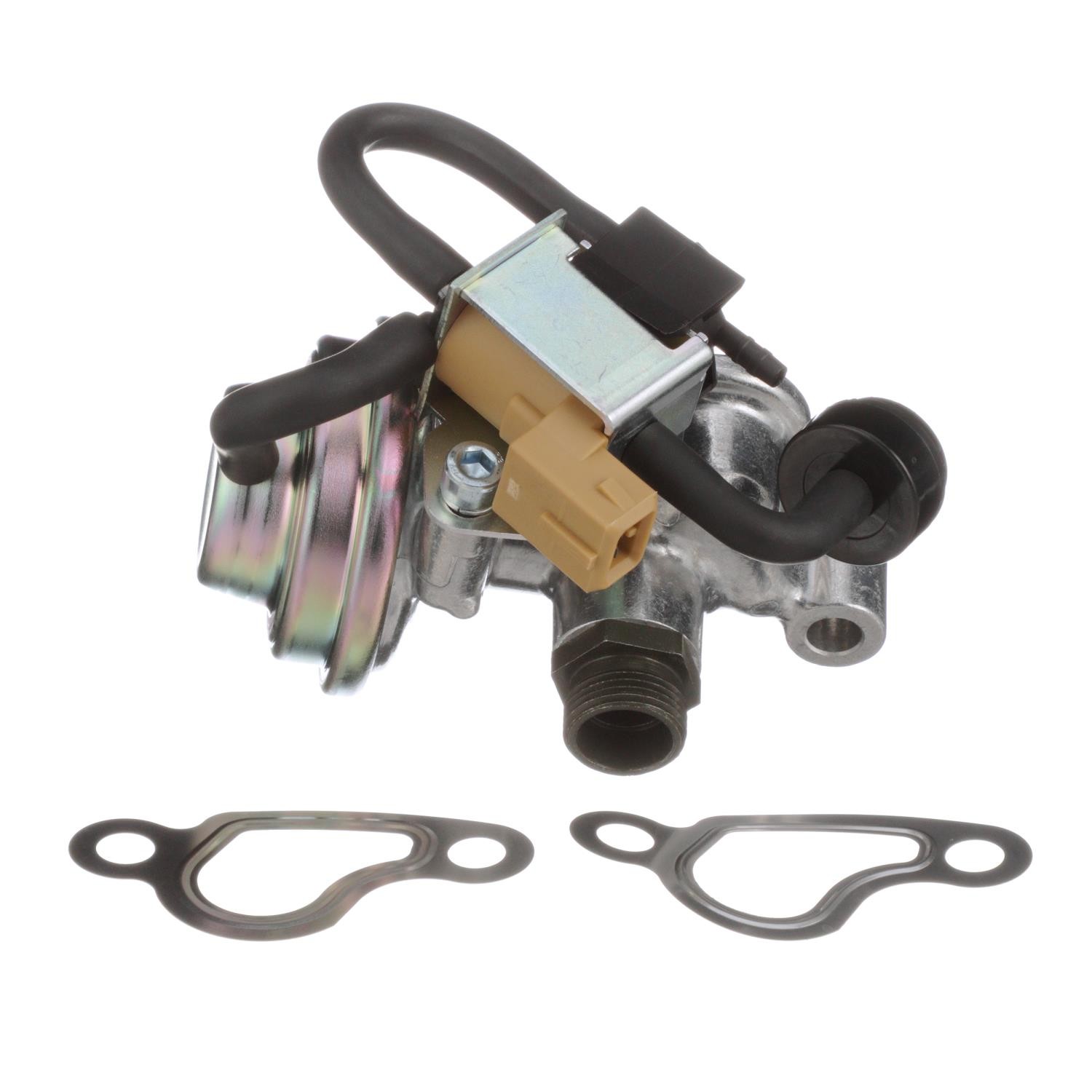
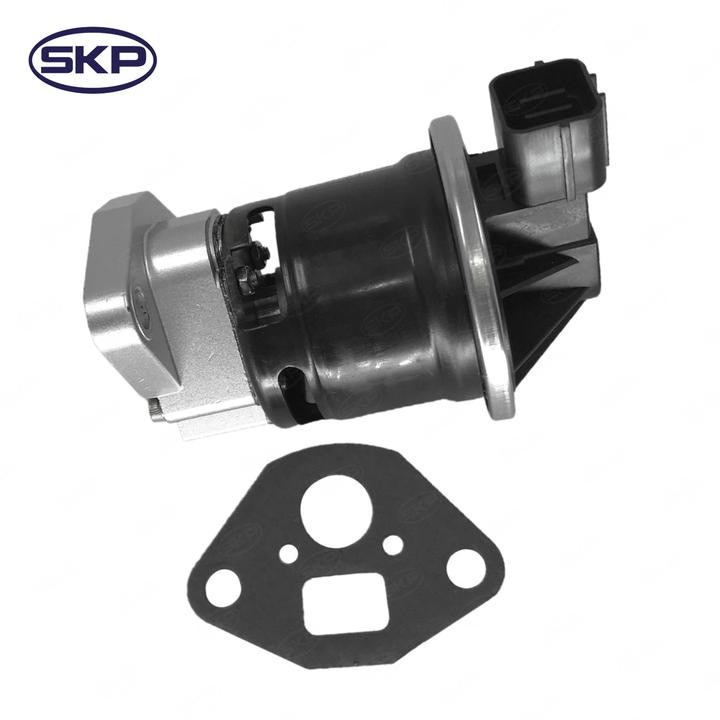
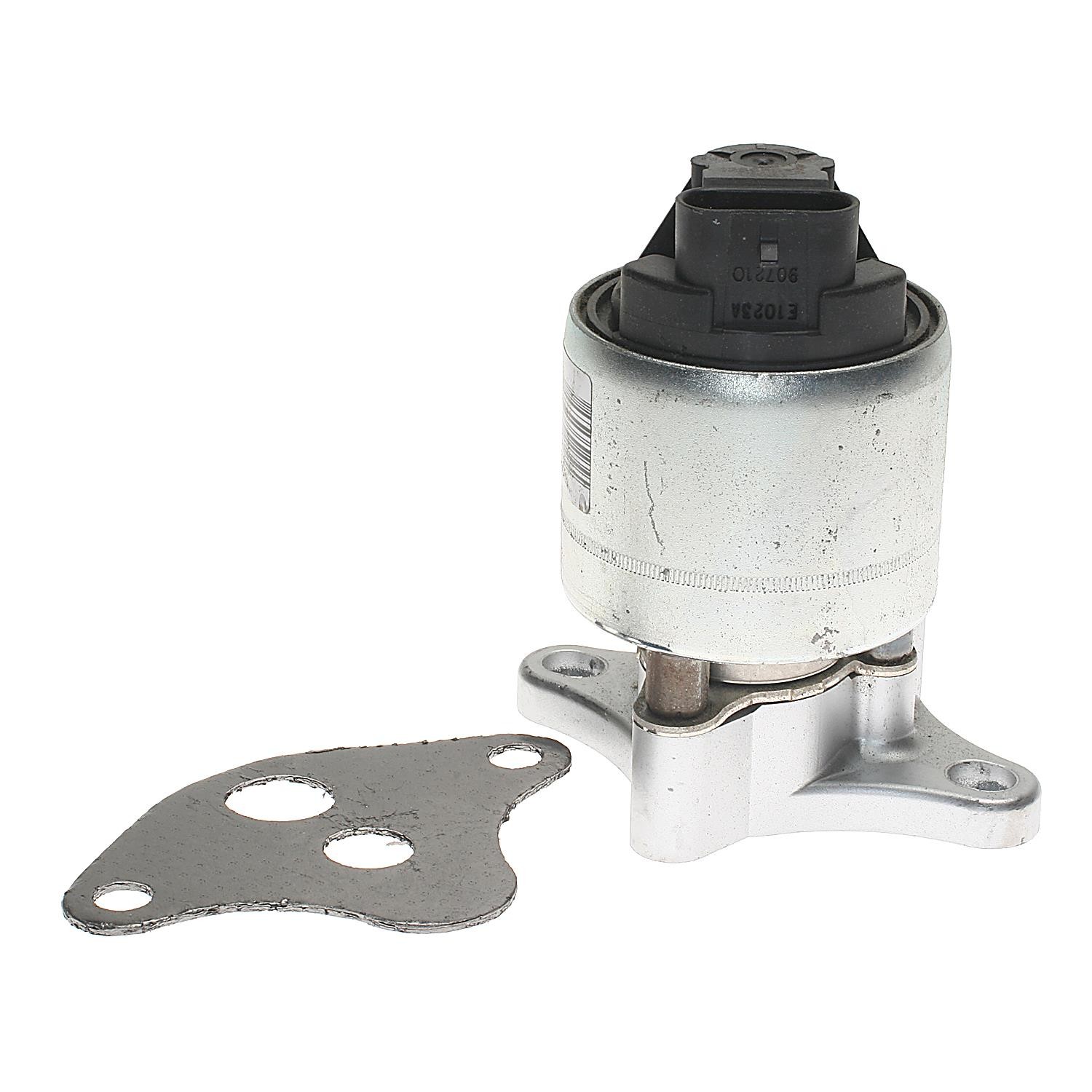
The EGR valve is stuck open due to carbon buildup or its internal position sensor is faulty, sending a high voltage signal to the engine computer.
70% of P0406 cases are fixed by replacing the EGR valve
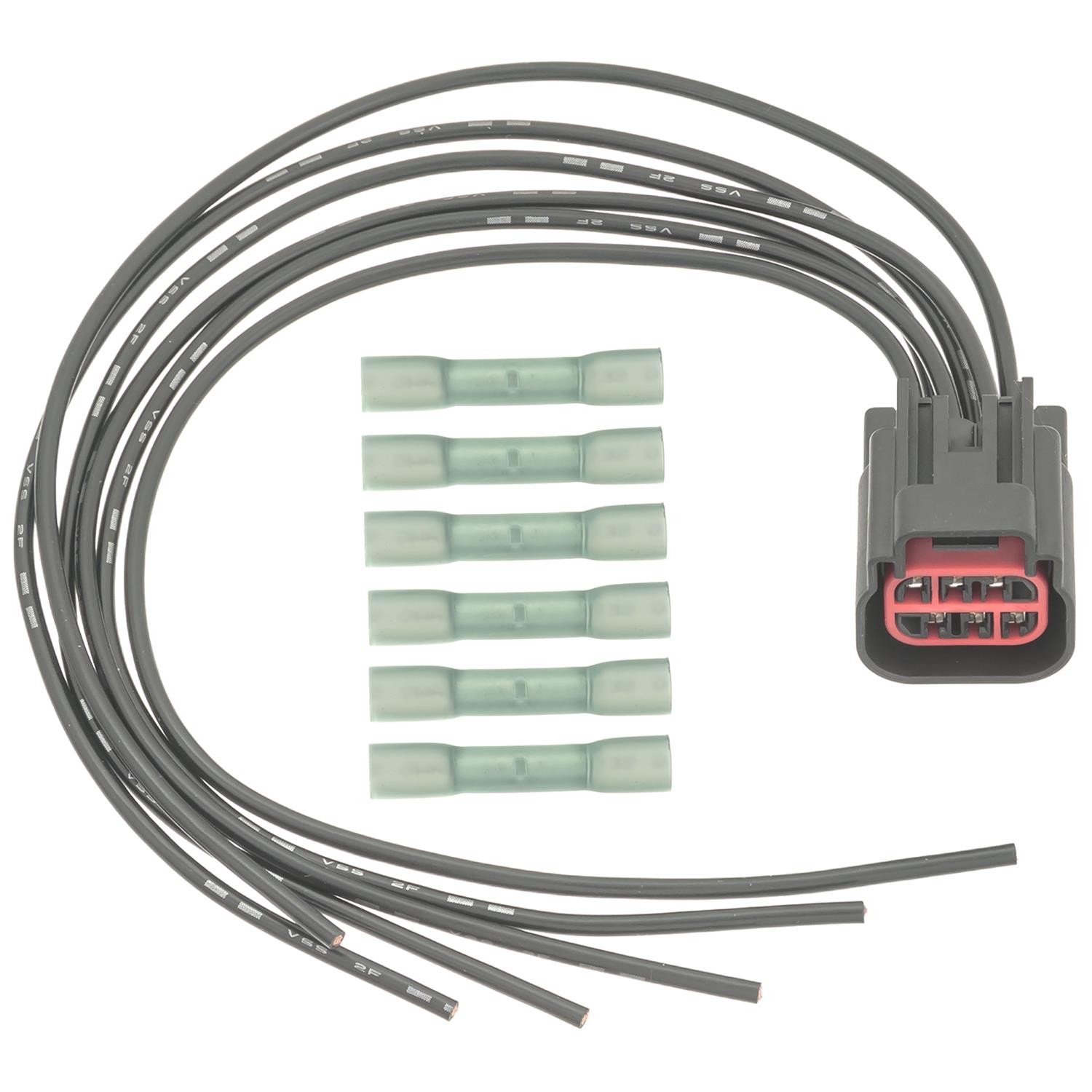
Damaged wiring, a short to voltage in the EGR sensor circuit, or a corroded/loose connector can cause an abnormally high voltage signal.
25% of P0406 cases are fixed by repairing wiring or connectors
A rare internal fault within the engine computer can cause it to misinterpret the EGR sensor signal or send an incorrect reference voltage.
5% of P0406 cases are fixed by replacing the PCM
Check These First (Before Buying Parts)
- Visually inspect the EGR valve and its electrical connector for any obvious damage, corrosion, or loose wires.
- Listen for any hissing sounds around the EGR valve, which could indicate a vacuum leak (if applicable to your system).
- Check for excessive carbon buildup around the EGR valve's mounting surface or in the intake manifold passages.
How to Diagnose P0406
- 1Visually inspect the EGR valve and its electrical connector for damage, corrosion, or loose connections.
- 2Check for vacuum leaks around the EGR valve (if vacuum-operated) or listen for unusual noises from the valve.
- 3Use a scan tool to monitor the EGR valve position sensor voltage and command the EGR valve open and closed.
- 4With the ignition on and engine off, use a multimeter to test the voltage at the EGR sensor's signal wire.
- 5Test the continuity of the EGR sensor wiring harness from the sensor to the PCM, checking for shorts to power or ground.
How Do I Fix P0406 on My Vehicle?
Toyota Camry
2002-2006P0406 on these models, particularly with the 2.4L engine, is often linked to carbon buildup causing the EGR valve to stick open or its internal sensor to malfunction.
75% fixed by replacing the EGR valve
Shop for Toyota CamryHonda Accord
2003-2007EGR valve failures are common on these Accords, especially V6 models. The internal position sensor or carbon fouling of the valve itself frequently triggers P0406.
70% fixed by replacing the EGR valve
Shop for Honda AccordFord F-150
2004-2010For F-150s, especially with the 5.4L engine, P0406 is a common code. It's almost always the EGR valve itself, either stuck open from carbon or an electrical fault in its sensor.
80% fixed by replacing the EGR valve
Shop for Ford F-150Frequently Asked Questions
What does P0406 mean?
P0406 indicates that your vehicle's engine computer has detected a voltage signal from the EGR valve position sensor that is higher than expected. This often means the EGR valve is stuck open or there's an electrical problem in its circuit.
Can I drive with P0406?
Yes, you can drive for short trips, but limit driving and fix this within a few days. A stuck-open EGR valve can cause rough idling, stalling, and poor engine performance, making driving unpleasant and potentially unsafe.
Will P0406 clear itself?
No, P0406 will not clear itself. This code indicates a persistent electrical or mechanical fault with the EGR system that requires diagnosis and repair. The Check Engine Light will remain on until the underlying issue is resolved.
How do I fix P0406 myself?
Start by inspecting the EGR valve and its wiring for visible damage or corrosion. If the wiring looks good, you'll likely need to replace the EGR valve itself, as its internal sensor is often the culprit. You may also need to clean carbon buildup from the EGR passages.
How much does it cost to fix P0406?
A DIY fix for P0406 typically costs $100-$350 for a new EGR valve. If you take it to a shop, expect to pay $250-$800, which includes parts and labor.
P0406 keeps coming back - why?
If P0406 keeps returning, it often means the initial repair didn't address the root cause. This could be due to persistent carbon buildup in the EGR passages, a wiring issue that wasn't fully resolved, or a rare PCM fault that was overlooked.
Will P0406 fail emissions/smog test?
Yes, P0406 will cause your vehicle to fail an emissions or smog test. The Check Engine Light being on, combined with a fault in the emissions control system, is an automatic failure in states with such inspections.
What's the difference between P0406 and P0405?
P0406 indicates an 'EGR Sensor A Circuit High' condition, meaning the voltage signal from the EGR position sensor is too high. P0405 indicates an 'EGR Sensor A Circuit Low' condition, meaning the voltage signal is too low. Both point to an electrical issue with the EGR sensor or its circuit, but in opposite directions.
P0406 on Ford F-150?
On many Ford F-150 models, especially those with the 5.4L engine, P0406 is commonly caused by a faulty EGR valve. Carbon buildup can cause the valve to stick, or the integrated position sensor can fail, leading to the high circuit voltage reading.
Questions to Ask Your Mechanic
Did you check the actual voltage output of the EGR position sensor with a multimeter?
Good answer: Yes, I measured the voltage at the sensor's signal wire and confirmed it was consistently above the specified range, even when the valve should be closed.
Did you inspect the EGR valve's electrical connector and wiring for any signs of corrosion or damage?
Good answer: Absolutely, I checked the connector pins for corrosion and performed a wiggle test on the harness to rule out intermittent shorts or open circuits.
Repair Cost Estimate
DIY Repair
Parts only
$100-$350
Shop Repair
Parts + labor
$250-$800
Save $150-$450 by doing it yourself
Difficulty
intermediate
Time
1-3 hours
Intermediate - requires basic hand tools, a multimeter for electrical testing, and potentially a scan tool for proper diagnosis. Access to the EGR valve can vary by vehicle.
Cost of Waiting
Ignoring P0406 can lead to persistent rough idling, stalling, and poor engine performance, making your vehicle unreliable. Continued operation with a stuck-open EGR valve can also increase NOx emissions and potentially lead to premature wear on other engine components due to improper combustion.
While You're In There...
Always replace the EGR gasket when removing or replacing the EGR valve to ensure a proper seal and prevent exhaust leaks.
If you're removing the EGR valve, it's a good time to clean the throttle body and intake manifold passages, as carbon buildup in these areas can contribute to EGR issues.
Tools You'll Need
- Basic hand tools (sockets, wrenches)
- Multimeter
- Scan tool (optional, but highly recommended for diagnosis)
- Wire brush (for carbon cleanup)
- Gasket scraper
Related Codes
Your engine's Exhaust Gas Recirculation (EGR) system has a flow malfunction.
Your engine's Exhaust Gas Recirculation (EGR) system isn't flowing enough exhaust gas.
Excessive Exhaust Gas Recirculation (EGR) Flow Detected
The engine computer detected an electrical problem in the Exhaust Gas Recirculation (EGR) valve circuit.
Your engine's computer detected that the Exhaust Gas Recirculation (EGR) valve is not opening or closing as expected, or its position is outside the normal operating range.
The engine computer detects a low voltage signal from the Exhaust Gas Recirculation (EGR) sensor, indicating a problem with the EGR system's feedback.
P0406 is a common emissions code. While it can cause drivability issues, replacing the EGR valve is a straightforward repair for most vehicles, and your engine will run smoothly again.
- Family-owned since 1957
- 990,000+ happy customers
- Fast nationwide shipping
- Easy returns
Your Next Steps
Step 1: Perform a thorough visual inspection of the EGR valve, its electrical connector, and the wiring harness for any signs of damage, corrosion, or loose connections. Clean any visible carbon buildup around the valve.
Step 2: If the visual inspection doesn't reveal the issue, use a scan tool to monitor the EGR valve position sensor voltage. If the voltage is consistently high, even when the valve should be closed, proceed to electrical testing.
Step 3: Use a multimeter to test the voltage at the EGR sensor's signal wire. If the voltage is out of specification, test the continuity of the wiring harness for shorts to power. If the wiring is good, the EGR valve itself (with its integrated sensor) is the most likely culprit and needs replacement.