P0440 Code
Fix within 1-2 weeksYour vehicle's evaporative emission control system has a general malfunction, indicating a leak or integrity issue.
What Does P0440 Mean?
Code P0440 means there's a leak in your evaporative emissions system. Common causes: Loose gas cap (40%), purge valve (25%), vent valve (20%). Drivability: Yes, safe to drive. Repair cost: $15-$150 DIY, $150-$500 professional.
Can I Drive With P0440?
Yes, safe to drive
No restrictions
Stop driving immediately if: Flashing CEL, loud noises, burning smell, rotten egg smell, significant power loss
What Are the Symptoms of P0440?
- 1Check Engine Light is on
- 2Faint smell of fuel around the vehicle (sometimes)
What Causes P0440?
Parts most likely causing this code, ranked by probability
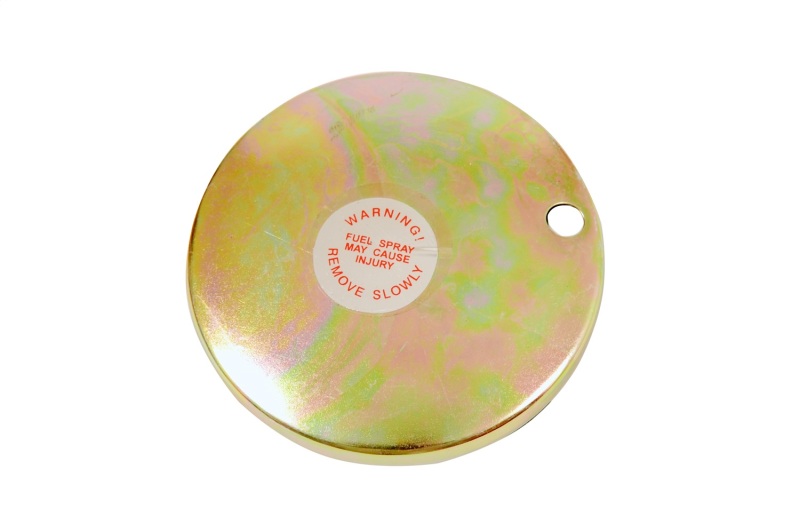
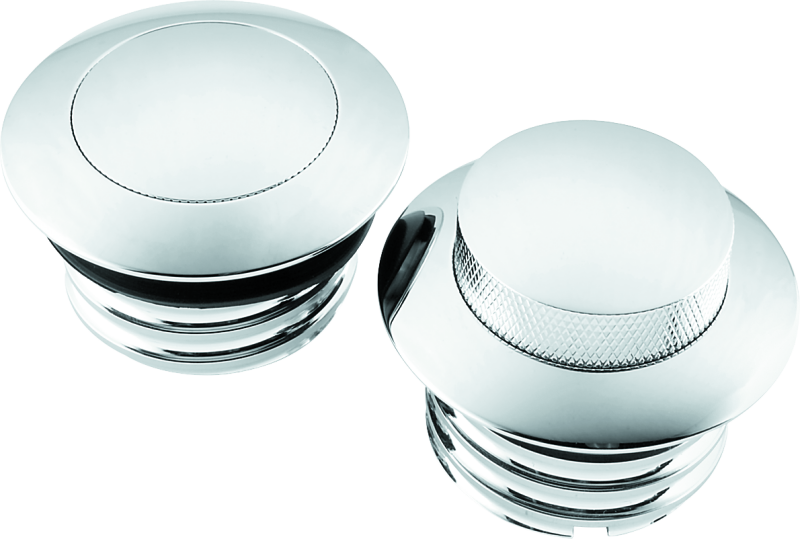
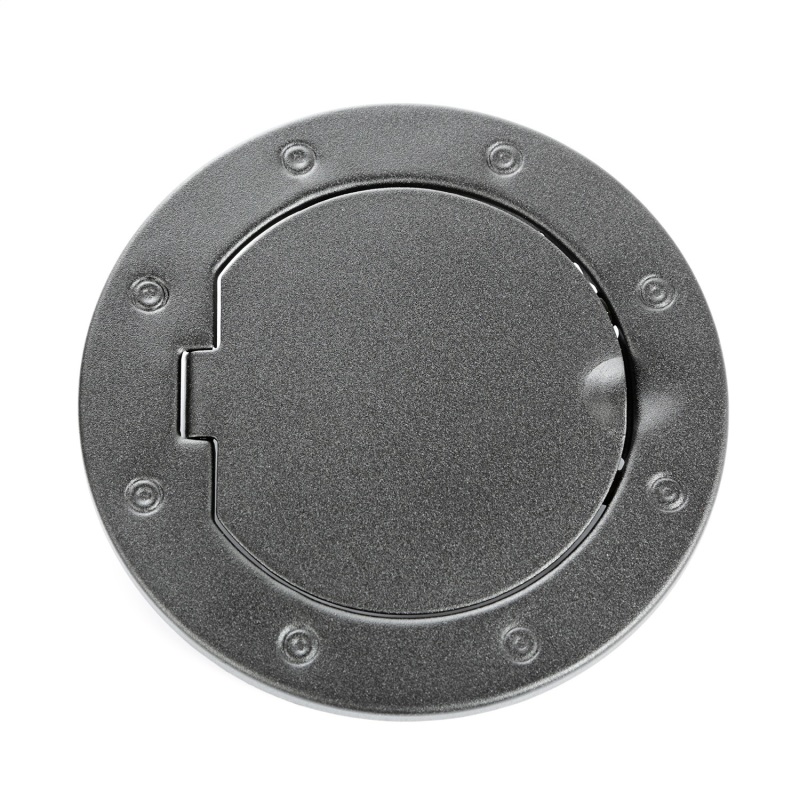
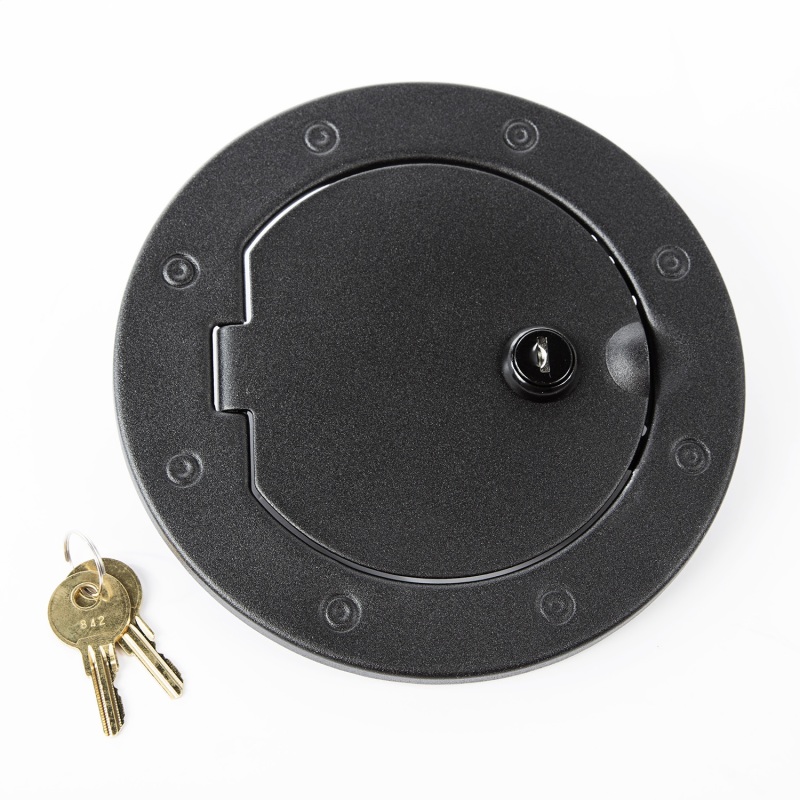
A loose, damaged, or missing gas cap is the most common cause of EVAP system leaks.
40% of P0440 cases are fixed by replacing the gas cap
A purge valve stuck open or leaking prevents the EVAP system from holding pressure during self-tests.
25% of P0440 cases are fixed by replacing this part
A vent valve stuck open or leaking prevents the EVAP system from sealing properly for its diagnostic tests.
20% of P0440 cases are fixed by replacing this part
Physical damage to a vacuum or vapor hose in the EVAP system creates a leak.
10% of P0440 cases are fixed by replacing this part
A deteriorated or improperly sealed gasket around the fuel sending unit can allow fuel vapor to escape.
5% of P0440 cases are fixed by replacing this part
Check These First (Before Buying Parts)
- Ensure your gas cap is tightly secured. Drive for a few cycles to see if the light clears.
- Visually inspect the gas cap for any cracks or damage to the rubber seal.
- Look for any obvious disconnected, cracked, or damaged vacuum or vapor hoses under the hood and near the fuel tank.
How to Diagnose P0440
- 1Tighten or replace your gas cap.
- 2Visually inspect all accessible EVAP hoses for cracks, disconnections, or damage.
- 3Use a scan tool to command the EVAP purge and vent valves open and closed, listening for clicks and checking for proper operation.
- 4Perform a smoke test on the EVAP system to pinpoint any leaks in hoses, valves, or the fuel tank.
- 5Check the fuel tank sending unit seal for signs of leakage or damage.
How Do I Fix P0440 on My Vehicle?
Toyota Camry
2002-2011Commonly triggered by a loose or faulty gas cap. If not the cap, the EVAP purge valve or vent valve are frequent failures.
65% fixed by gas cap or one of the valves
Shop for Toyota CamryHonda Accord
2003-2012Often related to a failing EVAP purge valve or vent valve. Gas cap issues are also common.
60% fixed by gas cap or one of the valves
Shop for Honda AccordFord F-150
2004-2014The EVAP vent valve (often located near the charcoal canister) is a frequent cause of P0440 on these trucks, along with cracked hoses.
55% fixed by vent valve or hose repair
Shop for Ford F-150Frequently Asked Questions
What does P0440 mean?
P0440 indicates a general malfunction in your vehicle's evaporative emission control (EVAP) system, meaning there's a leak or an integrity issue preventing the system from sealing properly.
Can I drive with P0440?
Yes, you can drive safely with a P0440 code. This code does not indicate an immediate safety hazard or risk of breakdown. However, you should fix it within 1-2 weeks to prevent emissions issues and potential future problems.
Will P0440 clear itself?
No, P0440 will not clear itself. While tightening a loose gas cap might resolve the underlying issue, the Check Engine Light will remain on until the vehicle completes several drive cycles without detecting the fault, or until the code is manually cleared with a scan tool.
How do I fix P0440 myself?
Start by tightening or replacing your gas cap. If that doesn't work, visually inspect all EVAP hoses for cracks or disconnections. You can also test the EVAP purge and vent valves using a scan tool to see if they are operating correctly. Replacing these valves is a common DIY fix.
How much does it cost to fix P0440?
DIY repair costs for P0440 range from $15 (for a new gas cap) to $150 (for a new purge or vent valve). Professional repair at a shop typically costs $150 to $500, including diagnosis and parts replacement.
P0440 keeps coming back - why?
If P0440 keeps returning, it means the underlying leak or malfunction has not been fully resolved. This often happens if only the gas cap was replaced, but the actual issue is a faulty purge valve, vent valve, or a hidden crack in an EVAP hose that requires a smoke test to locate.
Will P0440 fail emissions/smog test?
Yes, P0440 will cause your vehicle to fail an emissions or smog test. The EVAP system is a critical component of your vehicle's emissions control, and a fault code indicates it is not functioning correctly.
What's the difference between P0440 and P0455?
P0440 is a general 'Evaporative Emission Control System Malfunction' code, indicating a problem with the system's integrity. P0455 specifically means 'Evaporative Emission Control System Leak Detected (Large Leak)'. P0440 often implies a large leak, but P0455 is more specific about the size of the detected leak.
P0440 on Toyota Camry?
On Toyota Camry models, P0440 is frequently caused by a loose or faulty gas cap. If the gas cap is not the issue, the next most common culprits are a failing EVAP purge valve or a stuck-open EVAP vent valve, particularly on models from 2002-2011.
Questions to Ask Your Mechanic
Did you perform a smoke test on the EVAP system to pinpoint the exact leak location?
Good answer: Yes, we smoke tested the system and found the leak at [specific component, e.g., a cracked hose near the charcoal canister] or [the EVAP purge valve was leaking internally].
What were the readings for the EVAP purge and vent valves during the diagnostic test?
Good answer: The purge valve was stuck open, showing [specific vacuum reading] when it should have been closed, or the vent valve was not sealing completely during the pressure test.
Repair Cost Estimate
DIY Repair
Parts only
$15-$150
Shop Repair
Parts + labor
$150-$500
Save $135-$350 by doing it yourself
Difficulty
beginner
Time
0.1-2 hours
Beginner-friendly - Many P0440 causes are simple to diagnose and fix with basic tools, like replacing a gas cap or an accessible EVAP valve.
Cost of Waiting
Ignoring P0440 means your vehicle is releasing excess fuel vapors into the atmosphere, which is bad for the environment and will cause you to fail emissions inspections. While not immediately damaging to the engine, a persistent fuel smell can be unpleasant, and the underlying leak could worsen over time.
While You're In There...
If the EVAP system has been repeatedly overfilled with fuel, the charcoal canister can become saturated and fail, which might contribute to P0440.
Check the electrical connector for corrosion or damage when inspecting the purge valve, as a poor connection can mimic a faulty valve.
Tools You'll Need
- Basic hand tools (screwdrivers, pliers)
- OBD-II scan tool (optional, for clearing codes and testing valves)
- Flashlight
Related Codes
Your vehicle's computer detected a small leak in the evaporative emissions (EVAP) system. This system prevents fuel vapors from escaping into the atmosphere.
Evaporative Emission System Large Leak Detected
Evaporative Emission System Leak Detected (Very Small Leak)
Your vehicle's evaporative emissions system has a problem with the vent control circuit, meaning it can't properly release or control fuel tank pressure.
The evaporative emission control system (EVAP) vent valve circuit has an electrical malfunction. This means the engine computer detected an issue with the wiring or the vent valve itself, which controls the flow of air into and out of the EVAP system.
P0440 is a very common emissions code. Most repairs are straightforward, often just a gas cap or a valve, and your vehicle will be back to normal quickly.
- Family-owned since 1957
- 990,000+ happy customers
- Fast nationwide shipping
- Easy returns
Your Next Steps
Step 1: Tighten your gas cap. If the light doesn't clear after a few drive cycles, replace the gas cap with a new, OEM-quality one.
Step 2: If the gas cap doesn't fix it, visually inspect all accessible EVAP hoses for cracks, breaks, or disconnections. Pay close attention to hoses near the fuel tank and under the hood.
Step 3: If no obvious hose issues are found, the next likely culprits are the EVAP purge valve or the EVAP vent valve. You can test these with a scan tool or replace them based on common failure patterns for your vehicle. Parts you'll likely need: new gas cap, EVAP purge valve, or EVAP vent valve.