P0455 Code
Fix within 1-2 weeksEvaporative Emission System Large Leak Detected
What Does P0455 Mean?
Code P0455 means a large leak is detected in your vehicle's evaporative emissions system. Common causes: Loose gas cap (60%), faulty purge valve (15%), or vent valve (15%). Drivability: Yes, safe to drive. Repair cost: $0-$200 DIY, $150-$500 professional.
Can I Drive With P0455?
Yes, safe to drive
No restrictions
Stop driving immediately if: You notice a strong fuel smell inside the cabin or a flashing Check Engine Light (which is unlikely with P0455).
What Are the Symptoms of P0455?
- 1Check Engine Light is on.
- 2You might smell fuel around the vehicle, especially after fueling.
- 3No noticeable change in vehicle performance or drivability.
What Causes P0455?
Parts most likely causing this code, ranked by probability
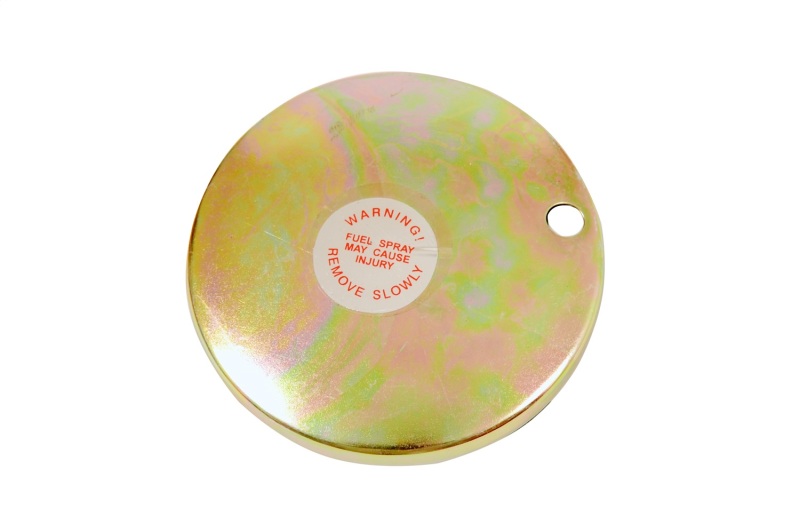
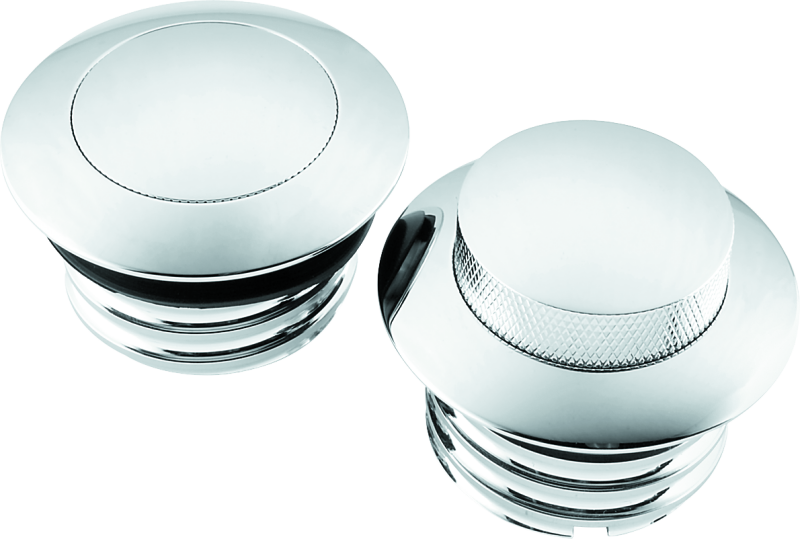
A loose, missing, or faulty gas cap is the most common cause of a large EVAP system leak.
60% of P0455 cases are fixed by replacing or tightening the gas cap
If the purge valve is stuck open, it creates a large vacuum leak in the EVAP system, triggering the code.
15% of P0455 cases are fixed by replacing the EVAP purge valve
A vent valve stuck open or failing to seal properly allows a large amount of air to enter or exit the EVAP system, causing a leak.
15% of P0455 cases are fixed by replacing the EVAP vent valve
A visible crack in a rubber EVAP hose or a damaged charcoal canister creates a direct path for fuel vapor to escape.
5% of P0455 cases are fixed by repairing or replacing a damaged EVAP hose or canister
A deteriorated or improperly sealed gasket around the fuel tank sending unit can allow a large leak from the top of the fuel tank.
5% of P0455 cases are fixed by replacing the fuel tank sending unit gasket
Check These First (Before Buying Parts)
- Ensure your gas cap is fully tightened. Remove it, then reinstall it, turning until it clicks several times.
- Visually inspect the gas cap for any cracks or damage to the rubber seal.
- Look under your vehicle for any obvious disconnected or cracked rubber hoses, especially around the fuel tank and charcoal canister.
How to Diagnose P0455
- 1Tighten or replace your gas cap.
- 2Visually inspect all accessible EVAP hoses for cracks, disconnections, or damage, especially near the fuel tank and engine bay.
- 3Listen for a hissing sound around the fuel tank or engine bay, indicating a leak.
- 4Test the EVAP purge valve and vent valve for proper operation using a scan tool or by applying power and vacuum.
- 5Perform an EVAP smoke test to pinpoint the exact location of the leak.
How Do I Fix P0455 on My Vehicle?
Ford F-150
2004-2024Ford F-150s are known for P0455 codes caused by a failing EVAP canister vent valve, often located near the spare tire. Cracked EVAP hoses, especially those exposed to road debris, are also common.
30% fixed by EVAP Vent Valve
Shop for Ford F-150Honda Accord
2003-2024For Honda Accords, a loose or faulty gas cap is the most frequent cause of P0455. If the gas cap is ruled out, the EVAP purge valve, located on the engine, is the next most common failure point.
65% fixed by Gas Cap
Shop for Honda AccordToyota Camry
2007-2024Toyota Camrys often trigger P0455 due to a failing EVAP canister vent valve or a deteriorated fuel filler neck hose. Always check the gas cap first, but if the code persists, inspect the vent valve and filler neck area.
40% fixed by EVAP Vent Valve
Shop for Toyota CamryFrequently Asked Questions
What does P0455 mean?
P0455 indicates that your vehicle's computer has detected a large leak in the Evaporative Emission (EVAP) system, which is designed to capture fuel vapors and prevent them from escaping into the atmosphere.
Can I drive with P0455?
Yes, you can drive safely with a P0455 code. This code does not affect your vehicle's performance or safety, but it does mean your vehicle is releasing fuel vapors into the air, which is bad for the environment and will cause an emissions test failure.
Will P0455 clear itself?
Usually no, P0455 will not clear itself. If the cause was a loose gas cap, tightening it might allow the code to clear after several drive cycles, but for other component failures, the code will remain until the repair is made and the system passes its self-test.
How do I fix P0455 myself?
Start by tightening or replacing your gas cap. If that doesn't work, visually inspect all rubber EVAP hoses for cracks or disconnections. You can also try replacing the EVAP purge valve or vent valve, which are often accessible. A smoke test is the most effective way to find the exact leak location.
How much does it cost to fix P0455?
DIY costs range from $0 (tightening gas cap) to $200 (for a new gas cap, purge valve, or vent valve). Professional repair costs typically range from $150 to $500, depending on the shop and the specific component needing replacement.
P0455 keeps coming back - why?
If P0455 keeps returning, it means the underlying leak has not been fully resolved. This often happens if the gas cap was replaced but the actual leak is elsewhere, such as a cracked hose, a faulty purge or vent valve, or a leak at the fuel tank sending unit gasket that was missed during initial inspection. A smoke test is essential for finding persistent leaks.
Will P0455 fail emissions/smog test?
Yes, P0455 will cause your vehicle to fail an emissions or smog test. The EVAP system is a critical part of emissions control, and a large leak indicates the system is not functioning as designed.
What's the difference between P0455 and P0456?
P0455 indicates a 'large leak' in the EVAP system, meaning a significant amount of fuel vapor is escaping. P0456 indicates a 'very small leak,' which is harder to detect and often points to a tiny crack in a hose or a minor seal issue.
P0455 on Ford F-150
On Ford F-150s, P0455 is frequently caused by a faulty EVAP canister vent valve (solenoid) or a cracked hose leading to or from the canister. The gas cap is also a common culprit, but if that doesn't fix it, focus on the vent valve located near the spare tire.
Questions to Ask Your Mechanic
Did you perform an EVAP smoke test to pinpoint the exact leak location?
Good answer: Yes, we smoke tested the entire EVAP system and found the leak at [specific component, e.g., a cracked hose near the canister / the vent valve].
Have you checked the operation of both the EVAP purge valve and vent valve?
Good answer: Yes, we tested both valves. The purge valve is cycling correctly, but the vent valve is stuck open, causing the large leak.
Repair Cost Estimate
DIY Repair
Parts only
$0-$200
Shop Repair
Parts + labor
$150-$500
Save $150-$300 by doing it yourself
Difficulty
beginner
Time
0.1-2 hours
Beginner-friendly. Checking and replacing the gas cap is very easy. Replacing EVAP purge or vent valves is typically an intermediate task, requiring basic hand tools. A smoke test usually requires specialized equipment or professional help.
Cost of Waiting
Ignoring P0455 means your vehicle is releasing harmful fuel vapors into the atmosphere, contributing to air pollution. It will also cause your vehicle to fail any required emissions or smog tests. While it won't damage your engine, it's an environmental and compliance issue.
While You're In There...
If you're inspecting the EVAP system around the fuel tank, the filler neck hose can also crack and cause leaks, and it's in the same general area.
If you find a damaged vent valve or a major leak near the canister, inspect the canister itself for cracks or damage, as it's a common failure point.
Tools You'll Need
- Basic hand tools
- OBD-II scan tool (to clear code)
- Flashlight
Related Codes
Your vehicle's evaporative emission control system has a general malfunction, indicating a leak or integrity issue.
Your vehicle's computer detected a small leak in the evaporative emissions (EVAP) system. This system prevents fuel vapors from escaping into the atmosphere.
Evaporative Emission System Leak Detected (Very Small Leak)
P0455 is a very common code and often indicates a simple, inexpensive fix like a loose gas cap. Even if it's a component, the repair is usually straightforward and doesn't affect your car's performance.
- Family-owned since 1957
- 990,000+ happy customers
- Fast nationwide shipping
- Easy returns
Your Next Steps
Step 1: Tighten your gas cap. Drive for a few days to see if the Check Engine Light clears. If not, replace the gas cap with a new, OEM-quality one.
Step 2: If a new gas cap doesn't fix it, perform a thorough visual inspection of all EVAP hoses and components, especially around the charcoal canister and under the hood. Look for obvious cracks, disconnections, or signs of rodent damage.
Step 3: If no visual leaks are found, consider testing or replacing the EVAP purge valve (usually under the hood) and the EVAP vent valve (usually near the fuel tank/canister). A professional smoke test is the most reliable way to find hidden leaks.