P0163 Code
Fix within 1-2 weeksOxygen Sensor Circuit Slow Response (Bank 2 Sensor 3)
What Does P0163 Mean?
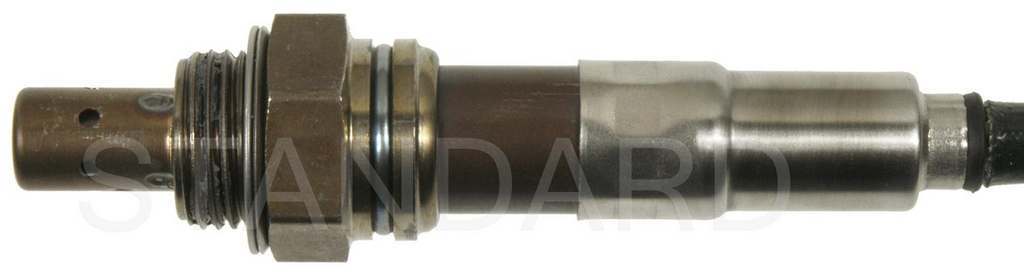
Code P0163 means your Bank 2 Sensor 3 oxygen sensor is responding slowly. Common causes: Faulty O2 sensor (85%), exhaust leak (10%). Drivability: Yes, safe to drive. Repair cost: $50-$200 DIY, $150-$500 professional.
Can I Drive With P0163?
Yes, safe to drive
No restrictions
Stop driving immediately if: Flashing CEL, loud noises, burning smell, rotten egg smell, significant power loss
What Are the Symptoms of P0163?
- 1Check Engine Light is on
- 2Reduced fuel economy
- 3Engine may run rough or hesitate (less common for this sensor)
- 4Failed emissions test
What Causes P0163?
Parts most likely causing this code, ranked by probability
This sensor monitors the exhaust after the catalytic converter; if it's slow to respond to changes in exhaust gas, the PCM flags it.
85% of P0163 cases are fixed by replacing this part
A leak near the Bank 2 Sensor 3 can allow outside air in, confusing the sensor and causing a slow response.
10% of P0163 cases are fixed by repairing an exhaust leak
Frayed wires, corrosion, or a loose connection to the Bank 2 Sensor 3 can disrupt its signal.
4% of P0163 cases are fixed by repairing wiring or connectors
A rare issue where the PCM itself incorrectly interprets the sensor signal or has an internal fault.
1% of P0163 cases are fixed by addressing a PCM fault
Check These First (Before Buying Parts)
- Visually inspect the Bank 2 Sensor 3 wiring and connector for any damage, corrosion, or loose connections.
- Check for any obvious exhaust leaks near the sensor; listen for hissing or look for soot.
How to Diagnose P0163
- 1Connect an OBD-II scan tool to confirm the P0163 code and check for other related codes.
- 2Visually inspect the Bank 2 Sensor 3 and its wiring harness for any signs of damage, fraying, or corrosion.
- 3Check for exhaust leaks near the Bank 2 Sensor 3. Listen for hissing sounds or look for soot stains.
- 4Use a scan tool to monitor live data for Bank 2 Sensor 3. Observe its voltage readings and response time; it should fluctuate within a specific range and respond quickly to engine RPM changes.
- 5Disconnect the sensor and test its resistance with a multimeter, comparing to manufacturer specifications.
- 6Test the sensor's heater circuit for proper voltage and ground.
How Do I Fix P0163 on My Vehicle?
Toyota Camry
2007-2024P0163 on these models is almost always a direct O2 sensor failure; the sensor simply wears out.
88% fixed by replacing the O2 sensor
Shop for Toyota CamryHonda Accord
2003-2024For Accords, P0163 is commonly resolved by replacing the Bank 2 Sensor 3; exhaust leaks are less common but should still be checked.
85% fixed by replacing the O2 sensor
Shop for Honda AccordFord F-150
2004-2024F-150s can experience this code due to sensor degradation; it's a straightforward replacement.
87% fixed by replacing the O2 sensor
Shop for Ford F-150Frequently Asked Questions
What does P0163 mean?
P0163 indicates that your vehicle's computer has detected a slow response from the oxygen sensor located after the catalytic converter on Bank 2.
Can I drive with P0163?
Yes, you can drive safely. However, fix this within 1-2 weeks to prevent potential damage to your catalytic converter and avoid reduced fuel economy.
Will P0163 clear itself?
No, P0163 will not clear itself. The vehicle's computer requires the fault to be resolved and then for the system to pass its self-test before the light will turn off.
How do I fix P0163 myself?
Start by checking for exhaust leaks and inspecting the sensor's wiring. If those are good, replacing the Bank 2 Sensor 3 oxygen sensor is the most common fix.
How much does it cost to fix P0163?
A DIY fix for P0163 typically costs $50-$200 for a new oxygen sensor. Professional repair at a shop costs $150-$500, including parts and labor.
P0163 keeps coming back - why?
If P0163 returns, it often means the underlying issue wasn't fully resolved. This could be a persistent exhaust leak, a wiring problem, or a faulty new sensor.
Will P0163 fail emissions/smog test?
Yes, P0163 will cause your vehicle to fail an emissions or smog test because the Check Engine Light is on, indicating an emissions system fault.
What's the difference between P0163 and P0430?
P0163 specifically points to a slow response from the post-catalytic converter oxygen sensor on Bank 2. P0430 indicates that the Bank 2 catalytic converter itself is not working efficiently enough. A slow O2 sensor can sometimes trigger P0430, but they are distinct issues.
P0163 on Ford F-150?
On Ford F-150s, P0163 is almost always a faulty Bank 2 Sensor 3 oxygen sensor. These sensors can degrade over time, especially in high-mileage vehicles.
Questions to Ask Your Mechanic
Did you check for exhaust leaks around the Bank 2 Sensor 3 before recommending a sensor replacement?
Good answer: Yes, I visually inspected the exhaust and used a smoke machine to confirm there are no leaks. The sensor's live data showed a clear slow response, confirming it's the sensor itself.
Repair Cost Estimate
DIY Repair
Parts only
$50-$200
Shop Repair
Parts + labor
$150-$500
Save $100-$300 by doing it yourself
Difficulty
intermediate
Time
1-2 hours
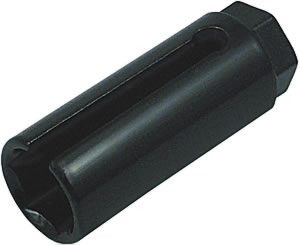
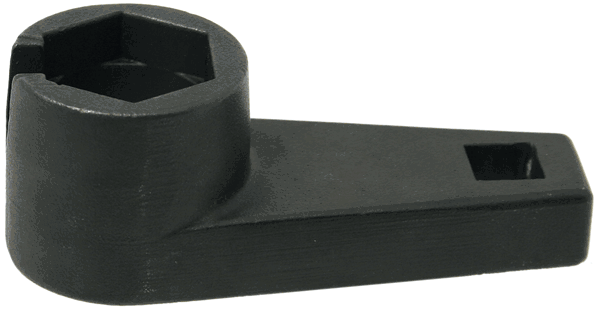
Intermediate - requires specific tools like an O2 sensor socket and potentially a scan tool for live data, but the physical replacement is manageable for someone with basic mechanical skills.
Cost of Waiting
Continued driving with a P0163 code can lead to reduced fuel economy and, more critically, can cause premature failure of your catalytic converter. A $100 oxygen sensor replacement now prevents a $1,000-$2,500 catalytic converter replacement later.
While You're In There...
If you find an exhaust leak or need to remove exhaust components to access the sensor, replacing old gaskets prevents future leaks and ensures a proper seal.
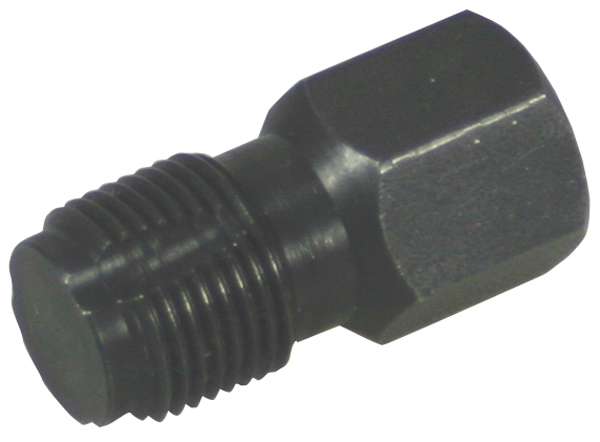
Applying anti-seize to the new O2 sensor threads prevents it from seizing in the exhaust pipe, making future removal much easier.
Tools You'll Need
- OBD-II scan tool
- O2 sensor socket
- Ratchet
- Torque wrench
- Wire brush
- Anti-seize compound
- Multimeter (optional)
Related Codes
Oxygen Sensor Heater Circuit Malfunction (Bank 2 Sensor 2)
Your engine's computer detects a consistently low voltage signal from the oxygen sensor located after the catalytic converter on Bank 2. This sensor monitors the exhaust gases after they've passed through the catalyst.
The oxygen sensor after the catalytic converter on Bank 2 is sending a voltage signal that is too high.
Your catalytic converter on Bank 1 isn't cleaning exhaust gases as effectively as it should be.
Your vehicle's Bank 2 catalytic converter isn't cleaning exhaust gases efficiently enough.
P0163 is a common emissions code. Most repairs involve replacing a single oxygen sensor, which is a straightforward job that will restore your vehicle's fuel efficiency and clear the check engine light.
- Family-owned since 1957
- 990,000+ happy customers
- Fast nationwide shipping
- Easy returns
Your Next Steps
Step 1: Check for exhaust leaks around the Bank 2 Sensor 3 and inspect the sensor's wiring for damage.
Step 2: If no leaks or wiring issues are found, replace the Bank 2 Sensor 3 oxygen sensor.
Step 3: Clear the code with an OBD-II scan tool and drive the vehicle to confirm the fix.