P0326 Code
Fix within a few daysYour engine's knock sensor isn't reporting correctly, meaning it's sending a signal that's outside its normal operating range.
What Does P0326 Mean?
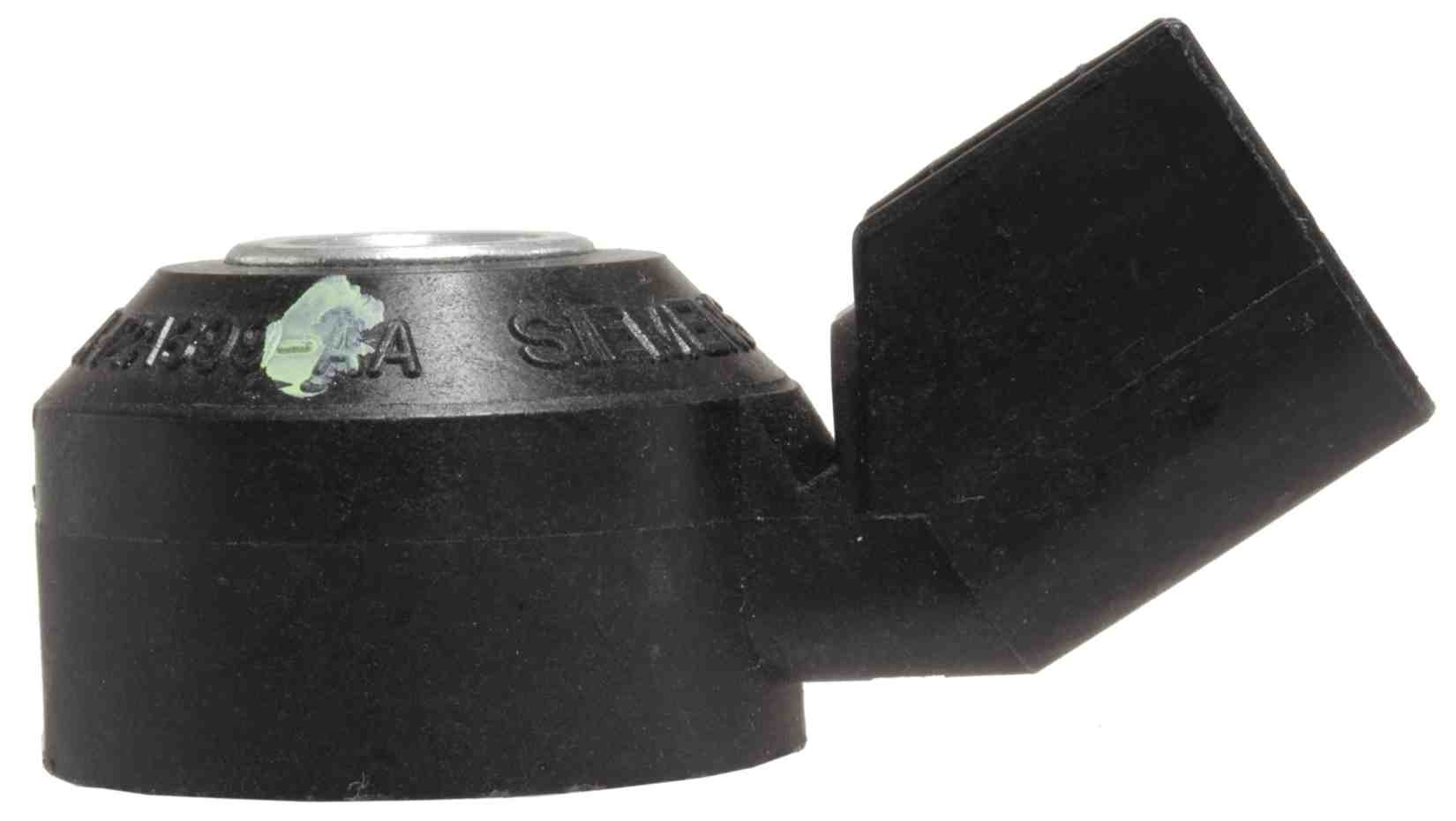
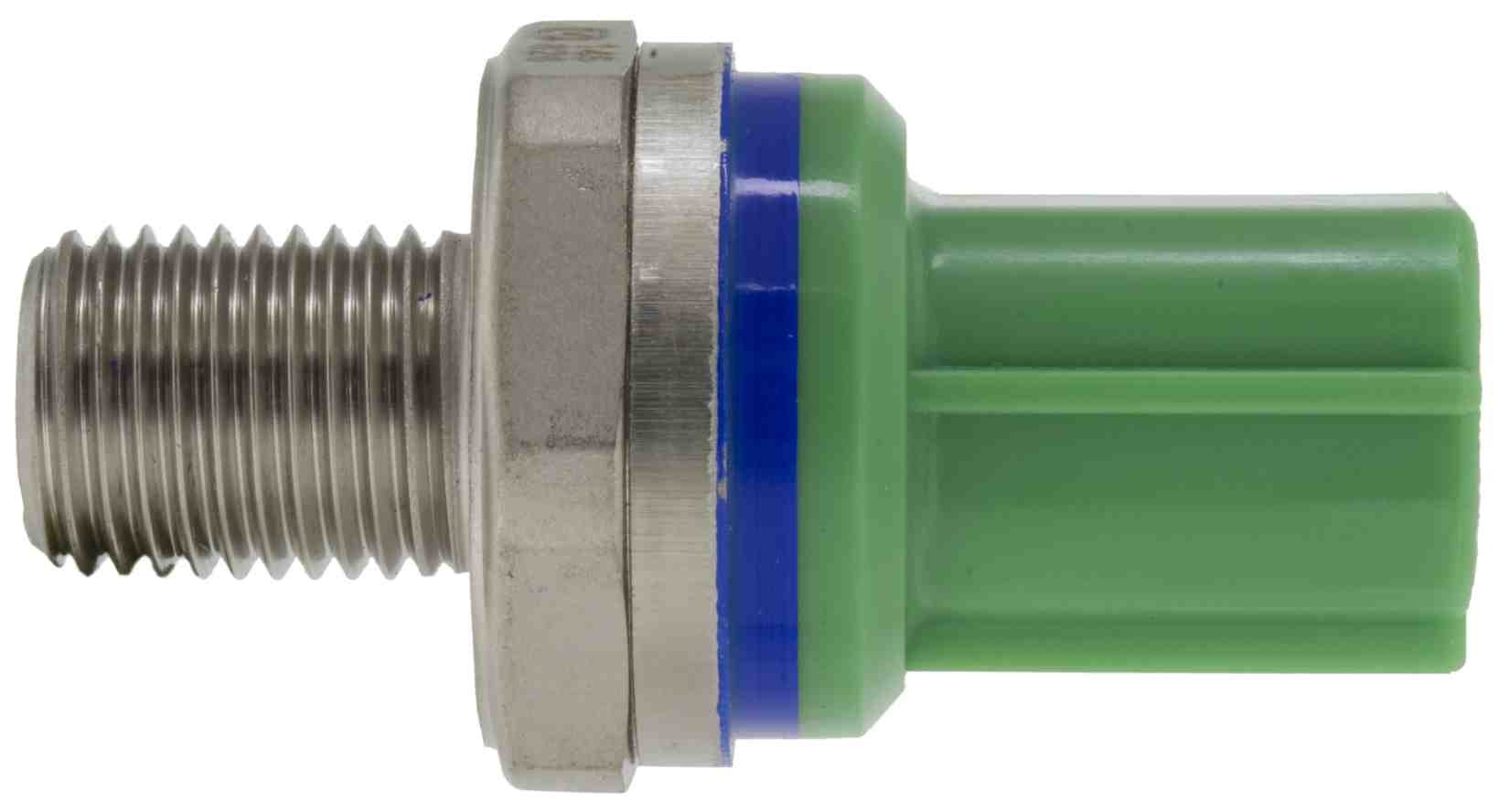
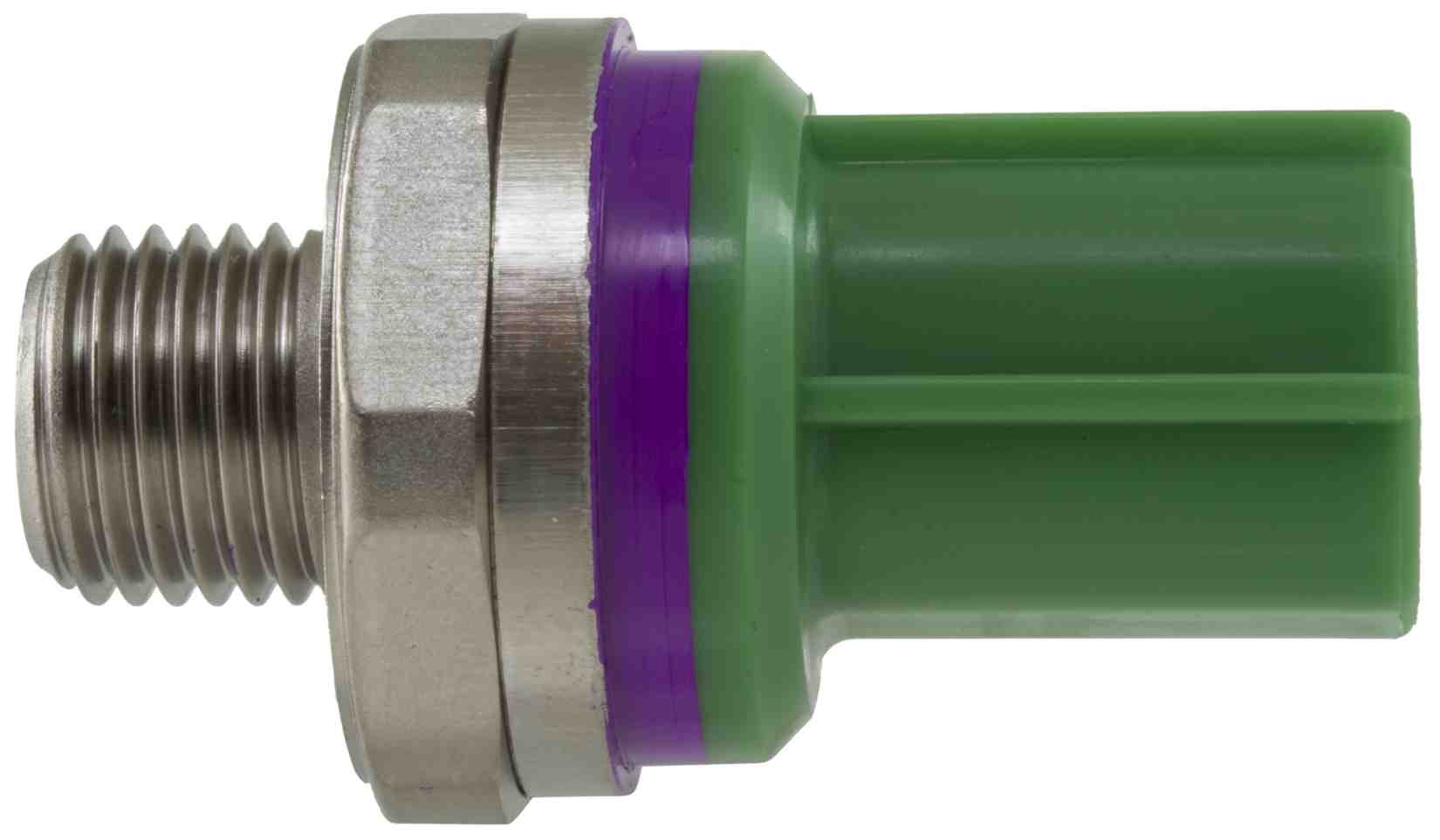
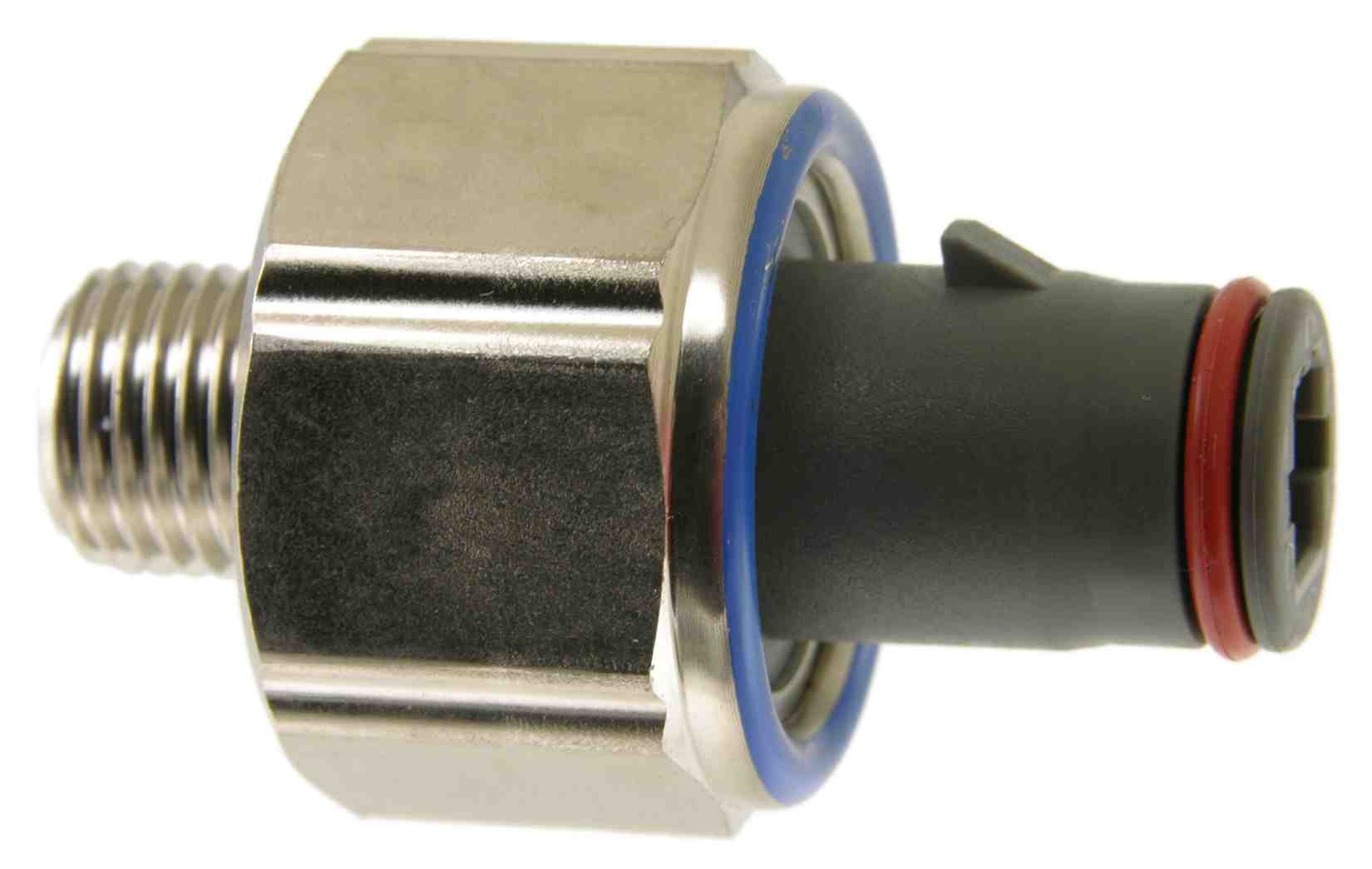
Code P0326 means your engine's knock sensor is reporting an out-of-range signal. Common causes: Faulty knock sensor (70%), wiring issues (20%). Drivability: Yes, for short trips only. Repair cost: $50-$200 DIY, $150-$500 professional.
Can I Drive With P0326?
Yes, for short trips only
Essential trips under 10 miles, avoid highways and heavy acceleration. Drive gently.
Stop driving immediately if: Loud knocking or pinging noises from the engine, significant power loss, or a flashing Check Engine Light.
What Are the Symptoms of P0326?
- 1Check Engine Light is on
- 2Engine feels sluggish or lacks power
- 3Reduced fuel economy
- 4Engine pings or knocks (audible noise)
- 5Engine hesitation during acceleration
What Causes P0326?
Parts most likely causing this code, ranked by probability
The knock sensor itself has failed internally, sending an incorrect or out-of-range signal to the engine computer.
70% of P0326 cases are fixed by replacing the knock sensor
Damaged, corroded, or loose wiring and connectors to the knock sensor can disrupt the signal.
20% of P0326 cases are fixed by repairing wiring or connectors
While the code indicates a sensor issue, constant actual engine knock (due to low-octane fuel, carbon buildup, or timing issues) can cause the sensor to report out-of-range values.
8% of P0326 cases are fixed by addressing underlying engine knock
A faulty engine computer can misinterpret the knock sensor signal, though this is a very rare cause.
2% of P0326 cases are fixed by replacing the ECM/PCM
Check These First (Before Buying Parts)
- Inspect the knock sensor's electrical connector for corrosion, bent pins, or a loose connection.
- Trace the knock sensor wiring harness as far as you can, looking for any signs of fraying, cuts, or rodent damage.
- Ensure you are using the correct octane fuel recommended for your vehicle. Using lower octane can cause actual knock.
How to Diagnose P0326
- 1Visually inspect the knock sensor wiring and connector for damage, corrosion, or loose connections.
- 2Check for any signs of actual engine knock, such as pinging or rattling noises, especially under acceleration.
- 3Use an OBD-II scanner to monitor live data from the knock sensor while the engine is running.
- 4Test the knock sensor's resistance and voltage output according to your vehicle's service manual.
- 5If accessible, remove the knock sensor and inspect it for physical damage.
How Do I Fix P0326 on My Vehicle?
Toyota Camry
2002-2017Knock sensors on these models are often located under the intake manifold, requiring significant disassembly for access. This increases labor time for replacement.
75% fixed by replacing the knock sensor
Shop for Toyota CamryHonda Accord
2003-2012Similar to Toyota, many Honda Accord engines place the knock sensor in a difficult-to-reach location, often beneath the intake manifold or in the valley of V6 engines.
70% fixed by replacing the knock sensor
Shop for Honda AccordFord F-150
2004-2014Some F-150 engines (especially V8s) have multiple knock sensors. Access can vary, with some being more exposed on the engine block while others are under the intake.
65% fixed by replacing the knock sensor
Shop for Ford F-150Frequently Asked Questions
What does P0326 mean?
P0326 indicates that the engine's computer has detected an issue with the knock sensor's signal, meaning it's reporting values outside its expected operating range.
Can I drive with P0326?
Yes, for short trips only. Your engine's computer will likely reduce engine power and fuel efficiency to protect the engine, but prolonged driving with an actual knock issue can cause serious damage.
Will P0326 clear itself?
No, P0326 will not clear itself. The underlying issue needs to be diagnosed and repaired. Once fixed, you can clear the code with an OBD-II scanner, or it will clear after several drive cycles if the problem is resolved.
How do I fix P0326 myself?
Start by inspecting the knock sensor's wiring and connector for damage. If they look good, you'll likely need to replace the knock sensor itself. This often involves removing the intake manifold on many vehicles.
How much does it cost to fix P0326?
DIY costs range from $50 to $200 for the knock sensor part. Professional repair costs typically range from $150 to $500, including parts and labor.
P0326 keeps coming back - why?
If P0326 keeps returning, it means the root cause wasn't fully addressed. This could be due to a faulty replacement sensor, persistent wiring issues, or an underlying engine problem causing actual knock that needs to be diagnosed.
Will P0326 fail emissions/smog test?
Yes, P0326 will cause your vehicle to fail an emissions or smog test. A Check Engine Light indicates an active fault in the emissions system, preventing a pass.
What's the difference between P0326 and P0325?
P0325 indicates a general malfunction in the knock sensor circuit, meaning the computer isn't seeing any signal or a completely incorrect one. P0326 specifically means the sensor's signal is out of its expected range or performance, suggesting it's working but not correctly.
P0326 on Toyota Camry
On many Toyota Camry models, the knock sensor is located under the intake manifold, making replacement a more involved job. It's important to use an OEM-quality sensor for reliable performance.
Questions to Ask Your Mechanic
Did you check the knock sensor's live data readings and compare them to factory specifications?
Good answer: Yes, the readings were X mV at idle and Y mV under load, which is outside the normal range of Z mV. This confirms the sensor is faulty.
What did you find when inspecting the wiring harness to the knock sensor?
Good answer: I found no visible damage or corrosion on the wiring or connector. I also performed a continuity test, and the circuit is intact.
Repair Cost Estimate
DIY Repair
Parts only
$50-$200
Shop Repair
Parts + labor
$150-$500
Save $100-$300 by doing it yourself
Difficulty
intermediate
Time
1-3 hours
Intermediate - Accessing the knock sensor can be challenging on many vehicles, often requiring removal of the intake manifold and other components. Basic mechanical skills and specific tools are necessary.
Cost of Waiting
Ignoring P0326 means your engine's ability to detect and prevent harmful pre-ignition (knock) is compromised. This can lead to the engine computer constantly pulling timing, resulting in reduced power and fuel economy. If actual engine knock is occurring and not addressed, it can cause severe internal engine damage, such as piston or connecting rod failure, turning a $100 sensor fix into a multi-thousand dollar engine replacement.
While You're In There...
If the knock sensor is located under the intake manifold, you will need to remove it. Replacing the gaskets prevents vacuum leaks and ensures a proper seal when reinstalling.
If you're already accessing the engine's top end, especially if the intake manifold is off, replacing spark plugs is a smart preventative measure as worn plugs can contribute to knock.
Tools You'll Need
- OBD-II scanner
- Socket set (metric/SAE depending on vehicle)
- Ratchet and extensions
- Torque wrench
- Multimeter (for testing wiring)
- Pliers
- Screwdrivers
- Gasket scraper (if intake manifold removal is needed)
Related Codes
Your engine's computer detected a problem with the knock sensor circuit on Bank 1 (or the single knock sensor if your engine only has one). The knock sensor detects engine knocking or pinging and tells the computer to adjust ignition timing to prevent damage.
The engine computer detects a voltage signal from the knock sensor that is too low, indicating a problem with the sensor or its circuit.
Knock Sensor 1 Circuit High Input (Bank 1 or Single Sensor) means your engine's computer is receiving a voltage signal from the knock sensor that is too high, indicating a problem with the sensor or its circuit. The knock sensor listens for engine 'pinging' or 'knocking' (detonation) and tells the computer to adjust timing to prevent damage.
Knock Sensor 2 Circuit Intermittent (Bank 1 or Single Sensor)
P0326 is a common sensor code. While it can be tricky to access on some vehicles, replacing the knock sensor usually resolves the issue and restores your engine's performance and protection.
- Family-owned since 1957
- 990,000+ happy customers
- Fast nationwide shipping
- Easy returns
Your Next Steps
Step 1: Visually inspect the knock sensor's wiring and connector for any obvious damage or looseness. Clean any corrosion you find.
Step 2: If the wiring looks good, use an OBD-II scanner to check for any other related codes and monitor live data from the knock sensor. Look for erratic or out-of-range voltage readings.
Step 3: If the sensor is confirmed faulty and accessible, replace the knock sensor. Be prepared to remove other components like the intake manifold if necessary. You'll likely need a new knock sensor and potentially intake manifold gaskets.