P0328 Code
Fix within a few daysKnock Sensor 1 Circuit High Input (Bank 1 or Single Sensor) means your engine's computer is receiving a voltage signal from the knock sensor that is too high, indicating a problem with the sensor or its circuit. The knock sensor listens for engine 'pinging' or 'knocking' (detonation) and tells the computer to adjust timing to prevent damage.
What Does P0328 Mean?
Code P0328 means your engine's knock sensor circuit has a high voltage input. Common causes: faulty knock sensor (70%), wiring damage (25%). Drivability: Yes, but fix within a few days. Repair cost: $50-$200 DIY, $150-$500 professional.
Can I Drive With P0328?
Yes, for short trips only
Essential trips under 10 miles, avoid highways and heavy acceleration
Stop driving immediately if: Flashing CEL, loud knocking/pinging noises, significant power loss, or burning smell.
What Are the Symptoms of P0328?
- 1Check Engine Light is on
- 2Reduced engine power or acceleration
- 3Decreased fuel economy
- 4Engine may run rough or hesitate
- 5Audible engine knocking or pinging (less common, as PCM retards timing)
What Causes P0328?
Parts most likely causing this code, ranked by probability
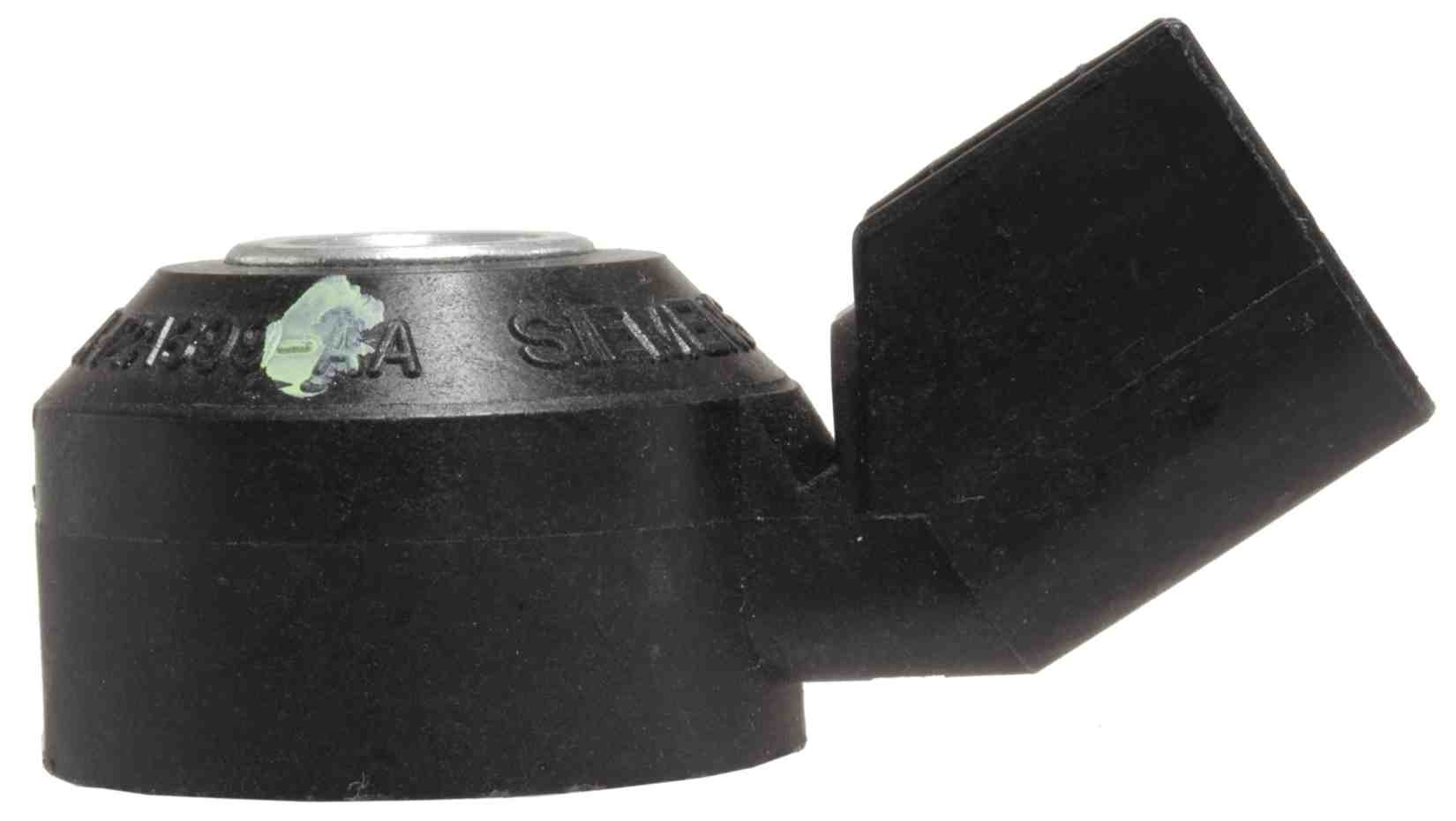
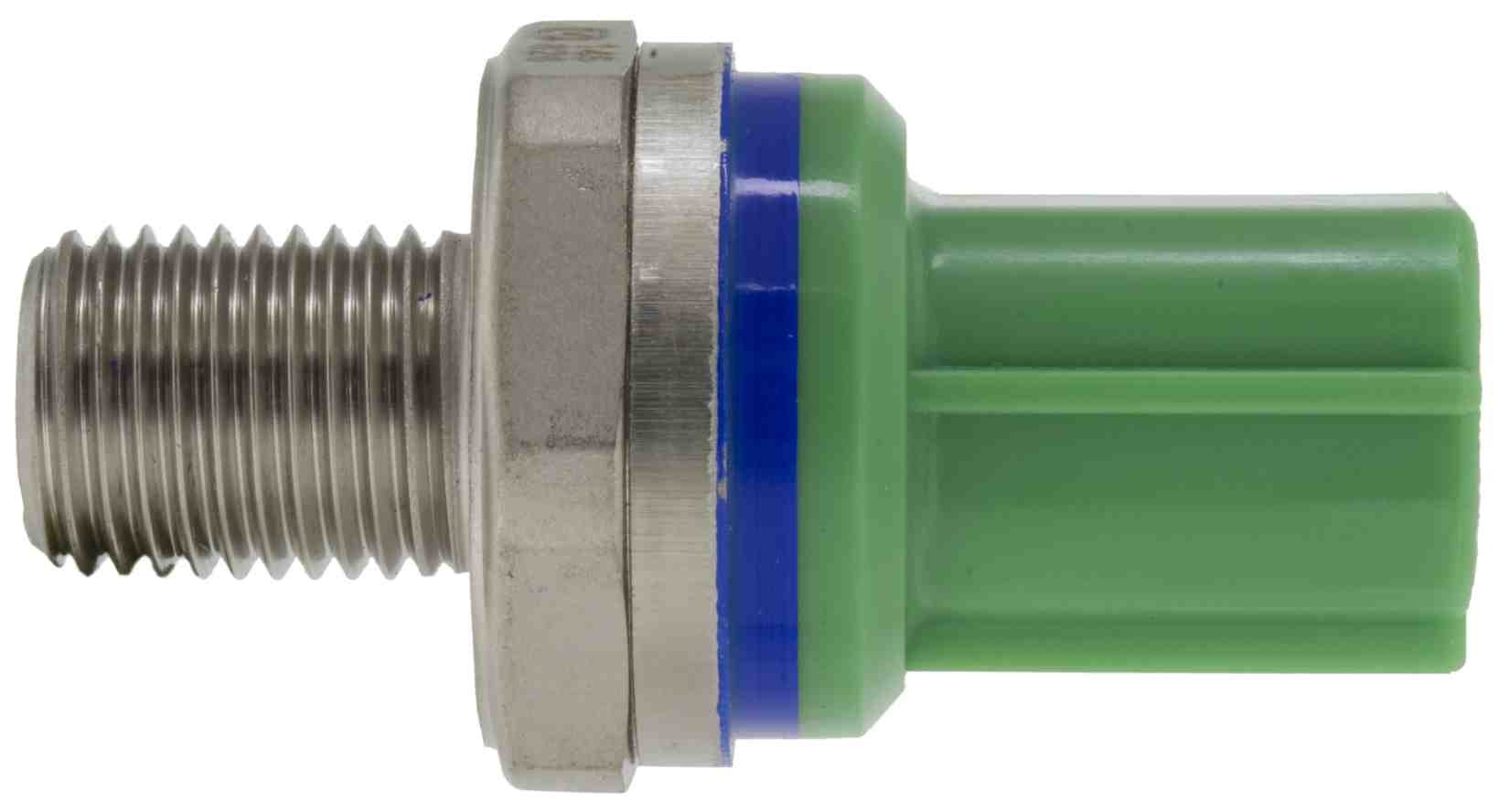
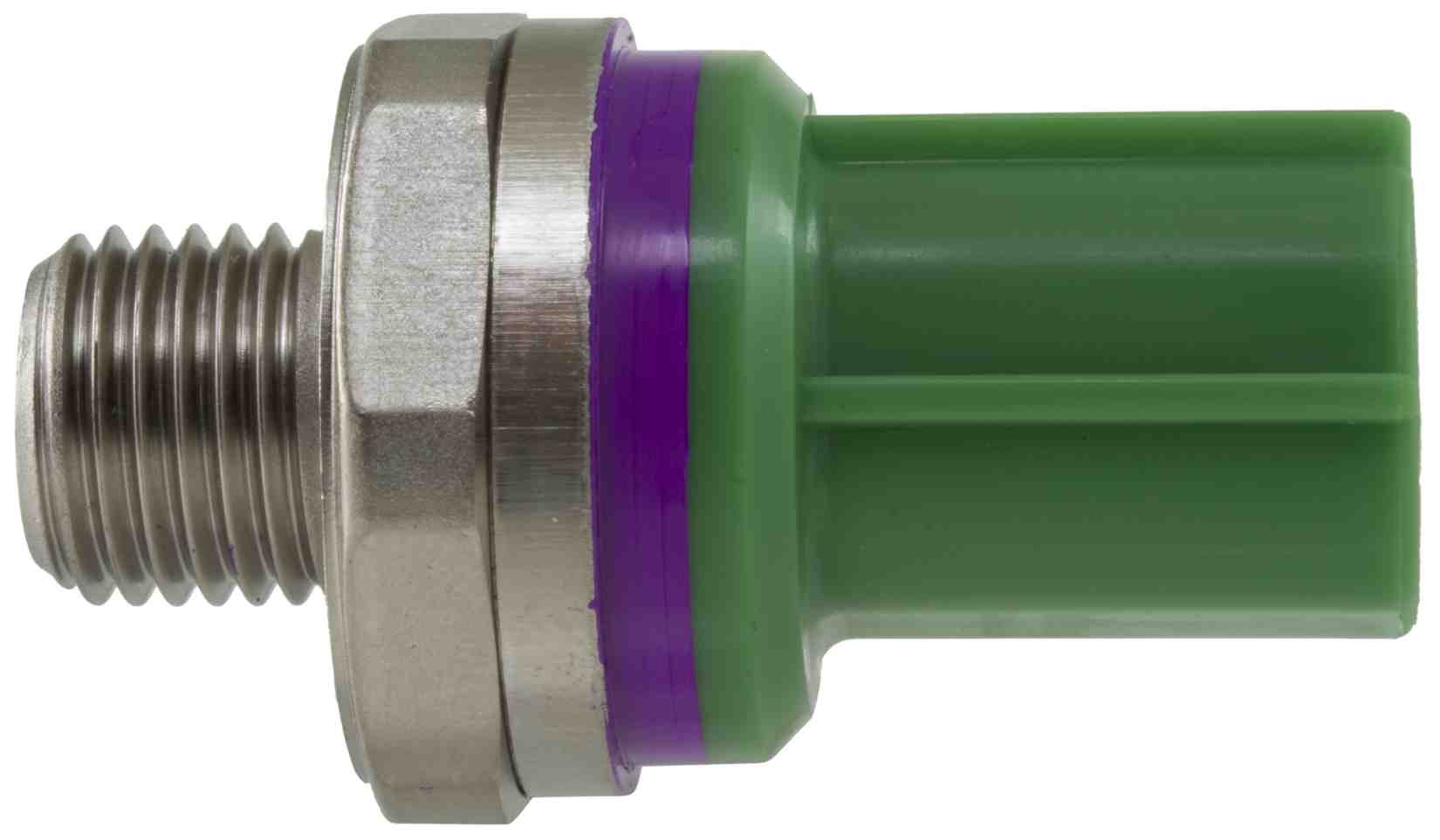
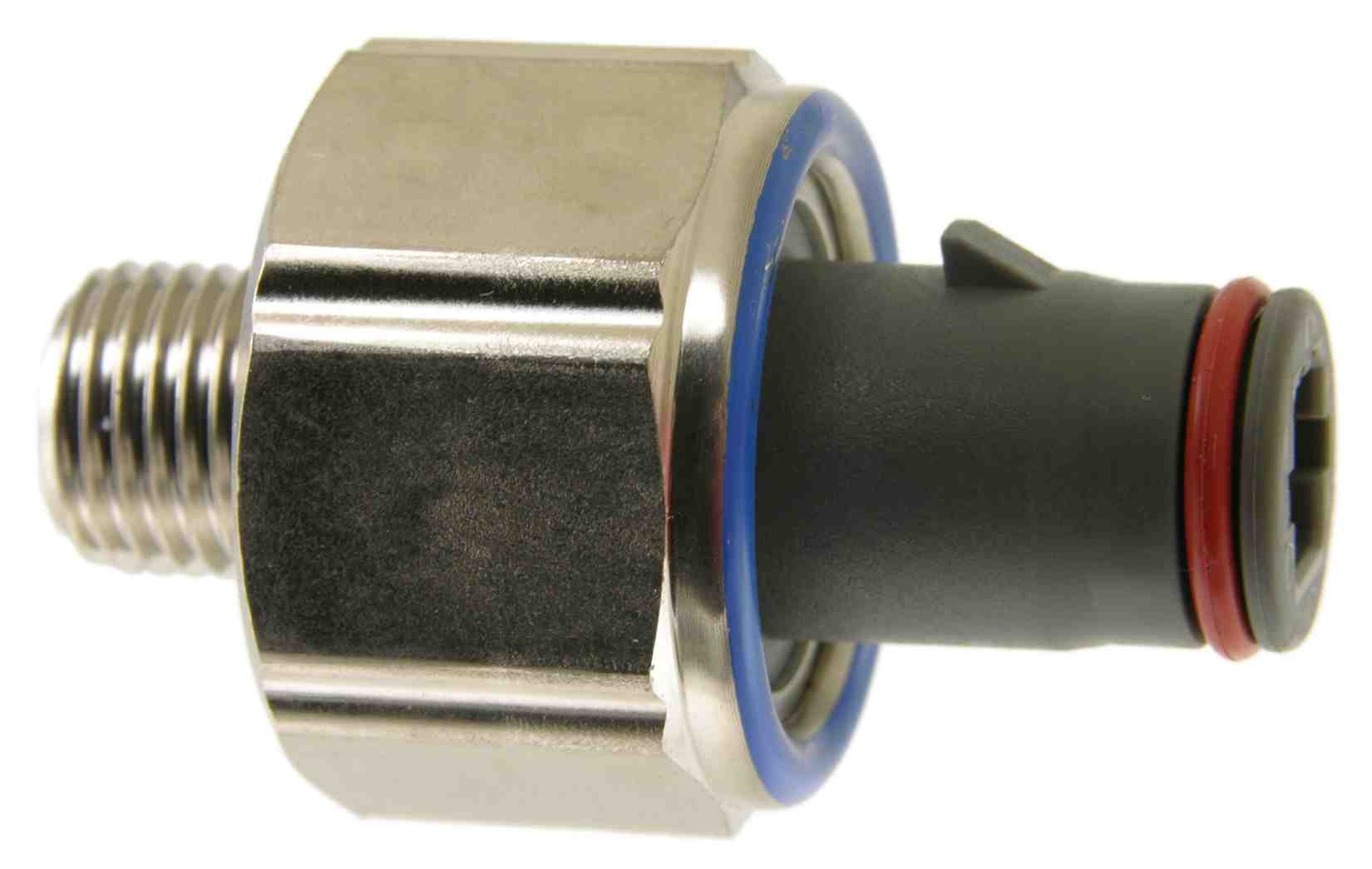
The knock sensor's internal components degrade over time, causing it to send an out-of-range high voltage signal to the engine computer.
70% of P0328 cases are fixed by replacing the knock sensor
Frayed, corroded, or broken wires in the knock sensor circuit, or a damaged/loose connector, prevent the sensor from sending an accurate signal.
25% of P0328 cases are fixed by repairing wiring or replacing the connector
A rare internal fault in the engine computer can cause it to misinterpret the knock sensor's signal, triggering the code.
5% of P0328 cases are fixed by replacing the engine control module
Check These First (Before Buying Parts)
- Visually inspect the knock sensor's electrical connector for looseness, corrosion, or damage.
- Follow the wiring harness from the knock sensor as far as you can, looking for any signs of fraying, cuts, or rodent damage.
How to Diagnose P0328
- 1Visually inspect the knock sensor wiring harness and connector for any signs of damage, corrosion, or loose connections.
- 2Use a multimeter to check the resistance of the knock sensor (if accessible) and compare it to factory specifications.
- 3Check for any Technical Service Bulletins (TSBs) related to P0328 for your specific vehicle make and model.
- 4If wiring and sensor test good, consider testing the signal at the PCM connector, though this is less common.
- 5If all other checks pass, replace the knock sensor.
How Do I Fix P0328 on My Vehicle?
Toyota Camry
2002-2017Knock sensors are often located under the intake manifold, making replacement a more involved job. The wiring harness to the sensor can also become brittle or corroded over time.
75% fixed by replacing knock sensor and/or harness
Shop for Toyota CamryHonda Accord
2003-2012Similar to Toyota, some Honda V6 engines have knock sensors under the intake manifold. The sensor itself can fail, or the connector can become corroded.
70% fixed by replacing knock sensor
Shop for Honda AccordFord F-150
2004-2014While less common than on some imports, P0328 can occur. Access to the knock sensor varies significantly by engine type (V6 vs. V8). Wiring integrity is a key factor.
65% fixed by replacing knock sensor
Shop for Ford F-150Frequently Asked Questions
What does P0328 mean?
P0328 indicates that the engine's computer is receiving a voltage signal from the knock sensor that is too high, suggesting a fault in the sensor or its circuit. The knock sensor detects engine knocking or pinging.
Can I drive with P0328?
Yes, for short trips only. Your engine's computer will likely retard ignition timing to prevent damage, which means reduced power and fuel economy. Continued driving with a faulty knock sensor can lead to engine damage if actual knocking occurs and is not detected.
Will P0328 clear itself?
No, P0328 will not clear itself. The engine computer stores this code until the underlying issue is resolved and the code is manually cleared with a scan tool, or after several drive cycles without the fault present.
How do I fix P0328 myself?
Start by inspecting the knock sensor's wiring and connector for damage. If they look good, you'll likely need to replace the knock sensor itself. This often involves removing the intake manifold, depending on your vehicle.
How much does it cost to fix P0328?
A DIY fix for P0328 typically costs $50-$200 for the knock sensor and possibly new intake manifold gaskets. Professional repair at a shop will cost $150-$500, primarily due to labor involved in accessing the sensor.
P0328 keeps coming back - why?
If P0328 keeps returning, it's often due to an overlooked wiring issue, a faulty replacement sensor, or a deeper problem like a failing engine control module (ECM/PCM). Ensure all connections are secure and corrosion-free.
Will P0328 fail emissions/smog test?
Yes, P0328 will cause your vehicle to fail an emissions or smog test. The Check Engine Light being on is an automatic failure in most states, and the code indicates a fault in a critical engine management system.
What's the difference between P0328 and P0327?
P0328 indicates a 'high input' from the knock sensor circuit, meaning the voltage signal is too high. P0327 indicates a 'low input,' meaning the voltage signal is too low. Both point to a circuit malfunction but in opposite directions.
P0328 on Toyota Camry?
P0328 is a common code on many Toyota and Lexus models, including the Camry, especially those with V6 engines where the knock sensors are located under the intake manifold. This makes replacement more labor-intensive.
Questions to Ask Your Mechanic
Did you check the knock sensor wiring and connector for corrosion or damage before condemning the sensor itself?
Good answer: Yes, I thoroughly inspected the wiring from the sensor to the PCM connector and found no visible damage or corrosion. I also tested the sensor's resistance and it was out of specification.
Repair Cost Estimate
DIY Repair
Parts only
$50-$200
Shop Repair
Parts + labor
$150-$500
Save $100-$300 by doing it yourself
Difficulty
intermediate
Time
2-4 hours
Intermediate - Requires some mechanical aptitude, basic tools, and potentially the ability to remove an intake manifold.
Cost of Waiting
Ignoring P0328 can lead to your engine running with retarded ignition timing, which reduces power and fuel efficiency. More critically, if the knock sensor is truly faulty, your engine's computer won't be able to detect and prevent damaging pre-ignition or detonation, which can cause severe internal engine damage over time, turning a $100 sensor job into a multi-thousand dollar engine rebuild.
While You're In There...
If the knock sensor is located under the intake manifold, you will need to remove the manifold for access. Replacing the gaskets at the same time prevents vacuum leaks and repeat labor.
If the intake manifold is off, spark plugs might be easily accessible, and replacing them can be good preventative maintenance, especially if they are due.
Tools You'll Need
- OBD-II scan tool
- Basic hand tools (sockets, wrenches, screwdrivers)
- Multimeter
- Torque wrench (if intake manifold is removed)
- Gasket scraper (if intake manifold is removed)
Related Codes
Your engine's computer detected a problem with the knock sensor circuit on Bank 1 (or the single knock sensor if your engine only has one). The knock sensor detects engine knocking or pinging and tells the computer to adjust ignition timing to prevent damage.
Your engine's knock sensor isn't reporting correctly, meaning it's sending a signal that's outside its normal operating range.
The engine computer detects a voltage signal from the knock sensor that is too low, indicating a problem with the sensor or its circuit.
Knock Sensor 2 Circuit Intermittent (Bank 1 or Single Sensor)
P0328 is a common sensor code. While it can be a bit tricky to access on some vehicles, replacing the knock sensor is a straightforward repair that will restore your engine's performance and protect it from damage.
- Family-owned since 1957
- 990,000+ happy customers
- Fast nationwide shipping
- Easy returns
Your Next Steps
Step 1: Check the knock sensor wiring and connector. Disconnect and reconnect the connector to ensure a good connection. Look for any signs of corrosion or damage.
Step 2: If the wiring and connector appear fine, use a multimeter to test the resistance of the knock sensor itself. Compare the reading to your vehicle's service manual specifications.
Step 3: If the sensor tests faulty or if you cannot test it, plan to replace the knock sensor. Be prepared for potential intake manifold removal depending on your vehicle's design. You'll likely need a new knock sensor and possibly new intake manifold gaskets.