P0327 Code
Fix within 1-2 weeksThe engine computer detects a voltage signal from the knock sensor that is too low, indicating a problem with the sensor or its circuit.
What Does P0327 Mean?
Code P0327 means your engine's knock sensor circuit has a low voltage input. Common causes: Faulty knock sensor (70%), wiring issues (25%). Drivability: Yes, safe to drive with reduced performance. Repair cost: $50-$200 DIY, $150-$500 professional.
Can I Drive With P0327?
Yes, safe to drive
No restrictions, but expect reduced performance and fuel economy
Stop driving immediately if: Flashing CEL, loud knocking noises, significant power loss, or burning smell
What Are the Symptoms of P0327?
- 1Reduced engine power
- 2Decreased fuel economy
- 3Engine pinging or knocking (less common, as the sensor is designed to detect this, but a faulty sensor might not report it correctly)
What Causes P0327?
Parts most likely causing this code, ranked by probability
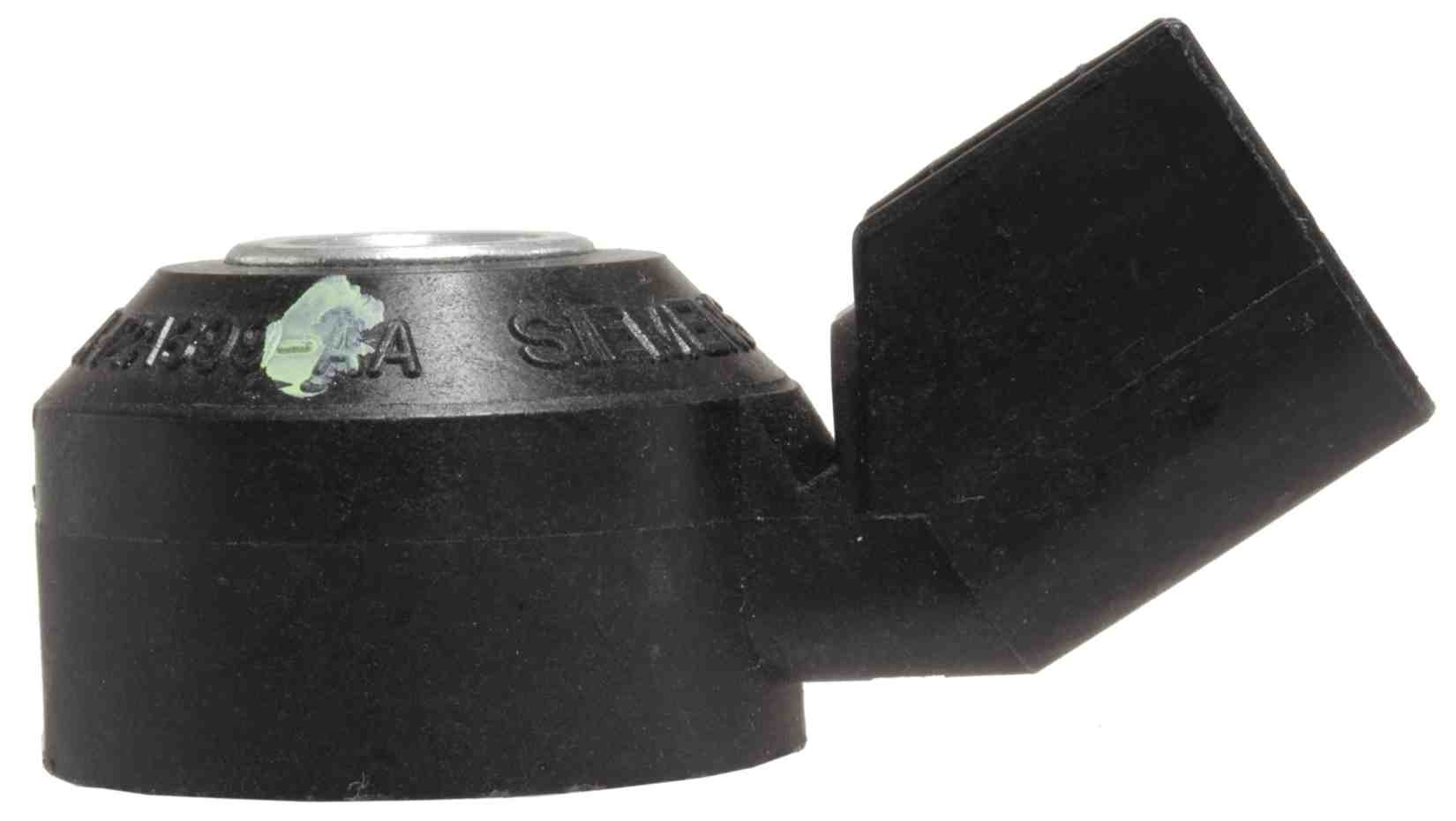
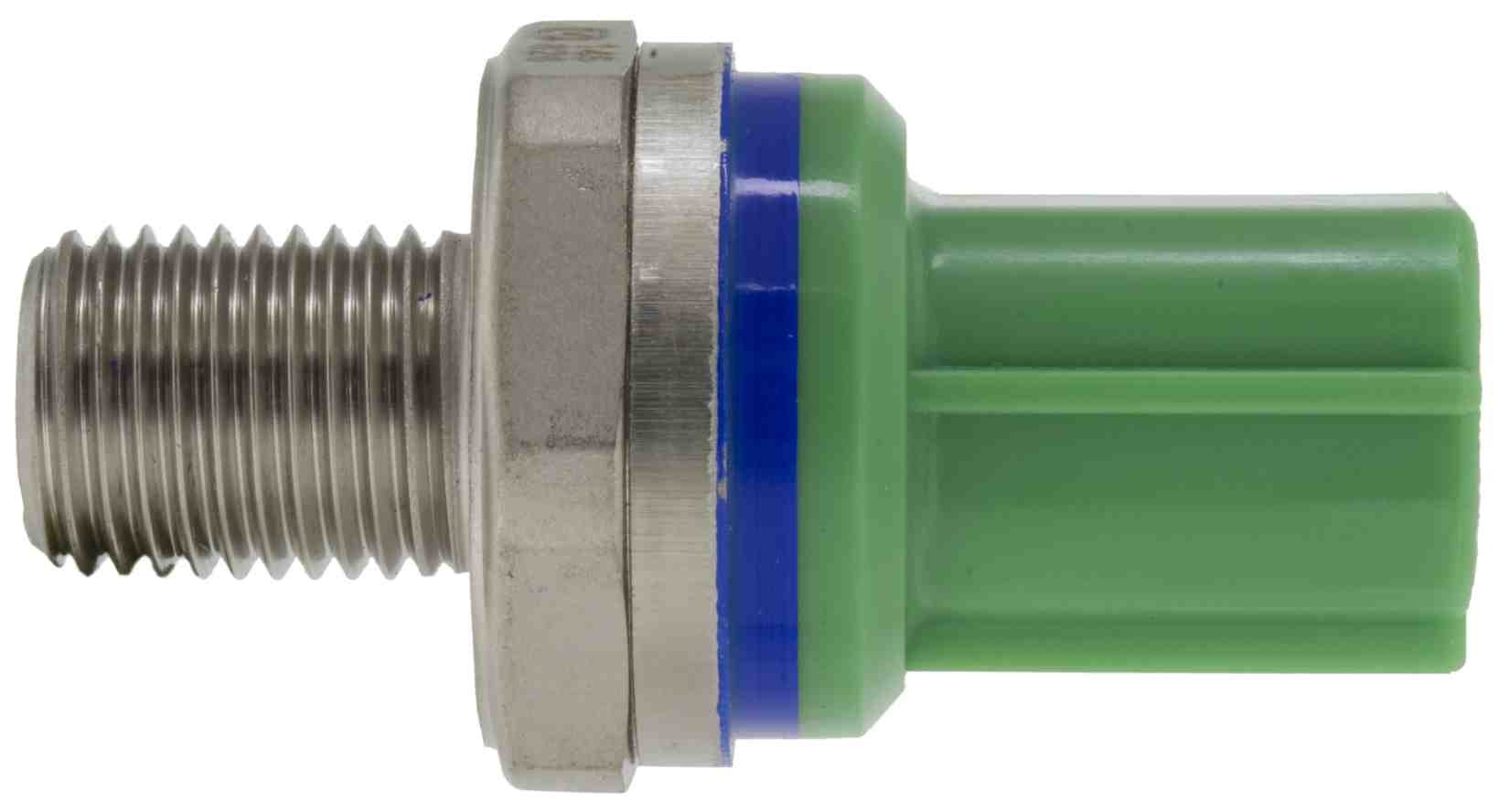
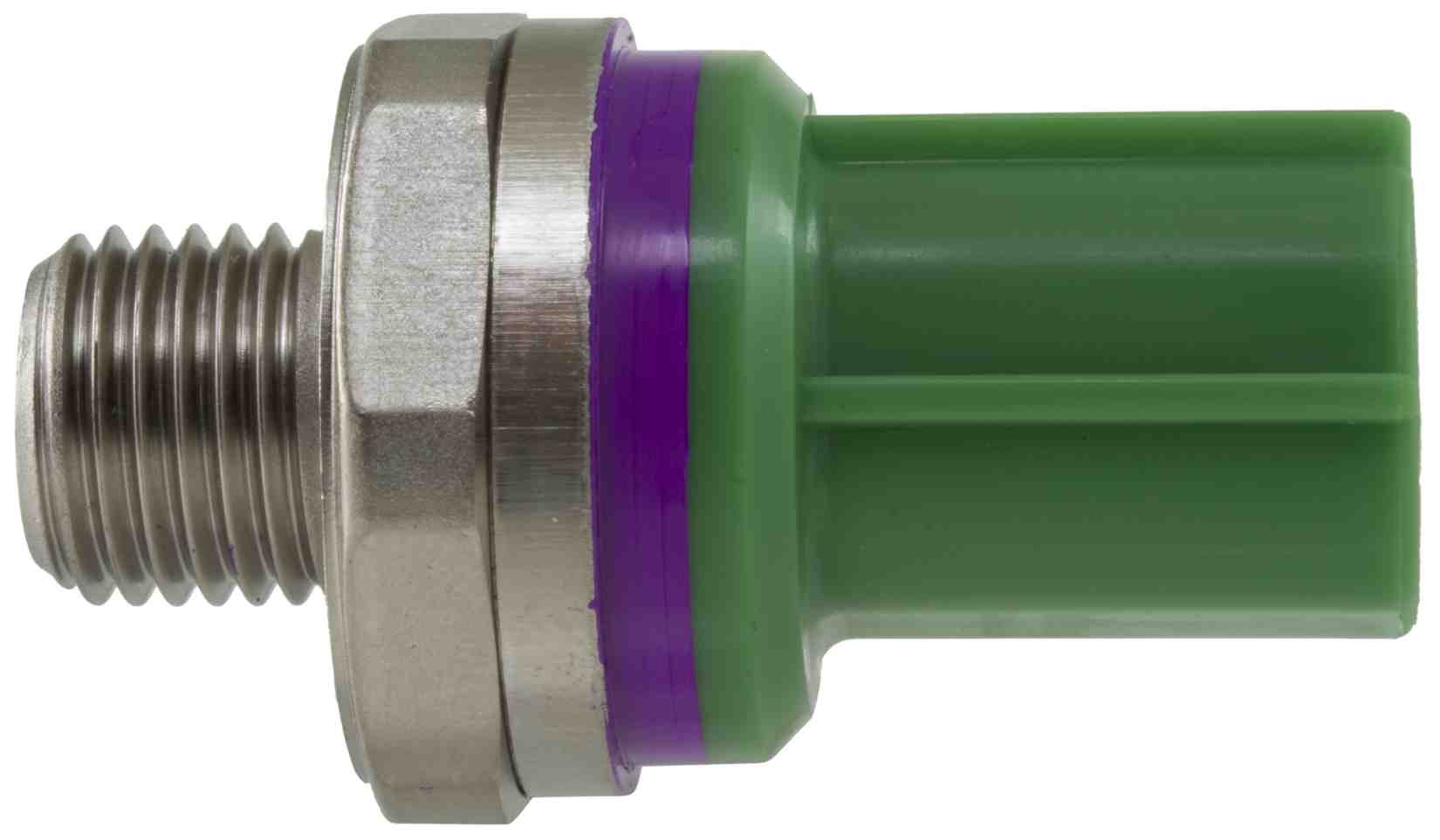
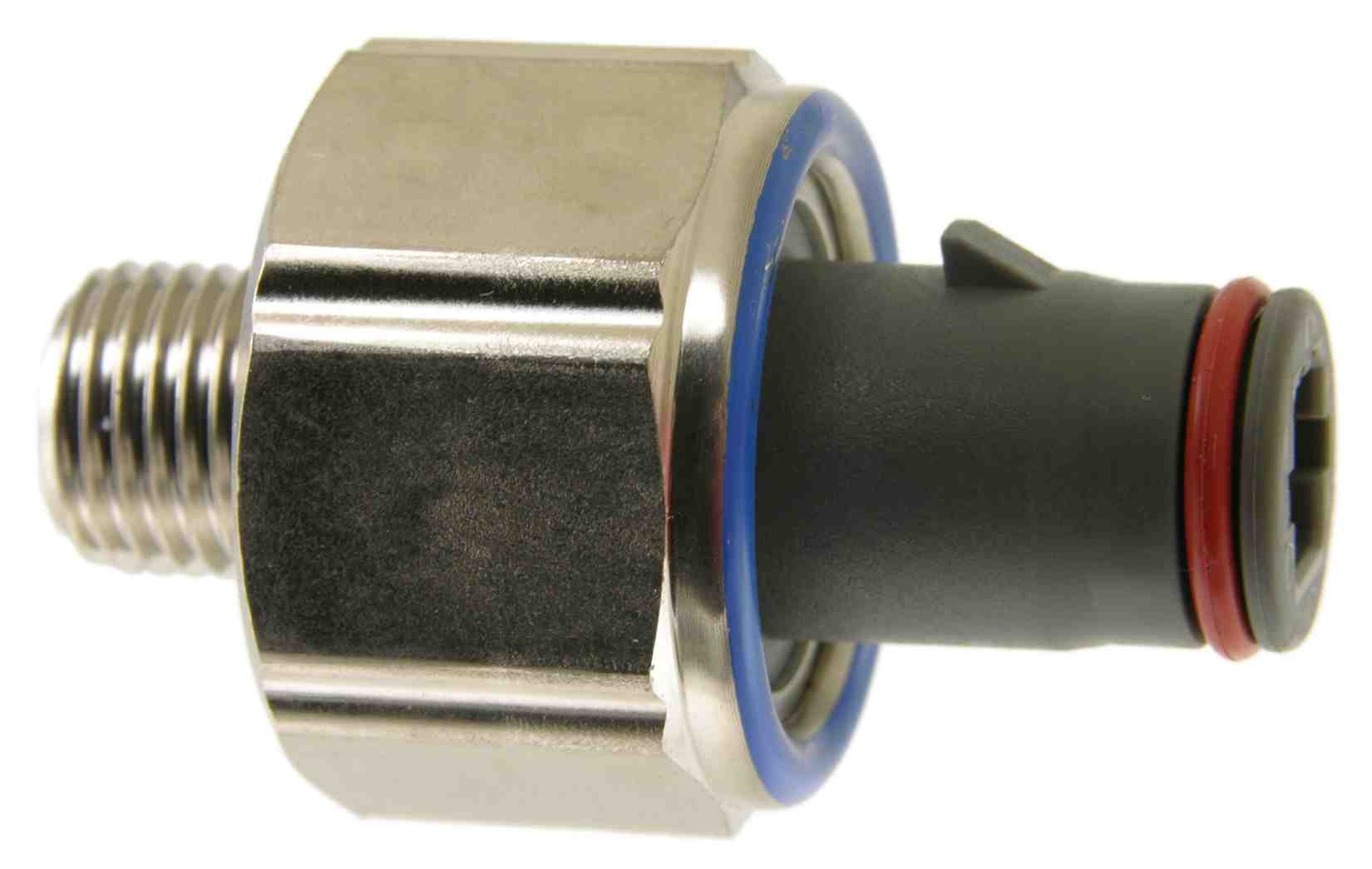
The knock sensor itself has failed internally, sending an incorrect low voltage signal to the engine computer.
70% of P0327 cases are fixed by replacing the knock sensor
Damaged, corroded, or shorted wiring or a loose connector in the knock sensor circuit causes the low voltage reading.
25% of P0327 cases are fixed by repairing the wiring or connector
The engine computer's internal circuit for the knock sensor input is faulty, misinterpreting the sensor's signal.
5% of P0327 cases are fixed by replacing the ECM/PCM
Check These First (Before Buying Parts)
- Visually inspect the knock sensor's electrical connector and wiring harness for any signs of damage, fraying, or corrosion.
- Ensure the knock sensor is securely mounted to the engine block.
How to Diagnose P0327
- 1Visually inspect the knock sensor and its wiring for any signs of damage, corrosion, or loose connections.
- 2Use a multimeter to check the resistance of the knock sensor (refer to your vehicle's service manual for specifications).
- 3Check for proper voltage at the knock sensor connector with the ignition on.
- 4Use a scan tool to monitor live data from the knock sensor while the engine is running; look for erratic or consistently low readings.
- 5If the sensor and wiring test good, consider testing the ECM/PCM, though this is a rare cause.
How Do I Fix P0327 on My Vehicle?
Toyota Camry
2002-2017On V6 engines, knock sensors are often located under the intake manifold, making replacement labor-intensive. It's a common failure point.
75% fixed by replacing the knock sensor
Shop for Toyota CamryHonda Accord
2003-2012Knock sensor failures are less common than on some Toyota models, but wiring issues to the sensor can occur due to age or rodent damage.
60% fixed by repairing wiring/connector
Shop for Honda AccordFord F-150
2004-2014Knock sensor failures can occur, sometimes accompanied by other engine performance codes. Access is generally easier than on V6 Toyota engines.
70% fixed by replacing the knock sensor
Shop for Ford F-150Frequently Asked Questions
What does P0327 mean?
P0327 indicates that your vehicle's engine computer has detected a low voltage signal from the knock sensor, specifically for Bank 1 or a single sensor system. This means the sensor or its wiring is not sending the expected signal.
Can I drive with P0327?
Yes, you can drive safely with P0327, but your engine will likely have reduced power and fuel economy. The engine computer will pull back ignition timing to prevent potential damage, which causes the performance drop. Fix this within 1-2 weeks.
Will P0327 clear itself?
No, P0327 will not clear itself. The engine computer stores this code until the underlying electrical issue with the knock sensor or its circuit is resolved. You will need to diagnose and repair the problem, then clear the code with a scan tool.
How do I fix P0327 myself?
Start by visually inspecting the knock sensor and its wiring for damage. If the wiring looks good, test the sensor's resistance with a multimeter. If the sensor tests faulty, replace it. Accessing the knock sensor can be challenging on some engines, often requiring intake manifold removal.
How much does it cost to fix P0327?
A DIY fix for P0327 typically costs $50-$200 for a new knock sensor. If you take it to a shop, expect to pay $150-$500, with the higher end for vehicles where the sensor is difficult to access, like under the intake manifold.
P0327 keeps coming back - why?
If P0327 keeps returning, it usually means the initial repair didn't address the root cause. This often points to a persistent wiring issue that wasn't fully resolved, a faulty replacement sensor, or a rare ECM problem. Re-inspect the entire circuit thoroughly.
Will P0327 fail emissions/smog test?
Yes, P0327 will cause your vehicle to fail an emissions or smog test. A check engine light illuminated for any reason, including P0327, is an automatic failure in states with inspection programs.
What's the difference between P0327 and P0328?
P0327 indicates a 'low input' from the knock sensor circuit, meaning the voltage signal is too low. P0328 indicates a 'high input' from the knock sensor circuit, meaning the voltage signal is too high. Both point to an electrical issue with the sensor or its wiring, but in opposite directions.
P0327 on Toyota Camry
On many Toyota Camry models, especially V6 engines, the knock sensors are located under the intake manifold. This makes replacement a more involved job, increasing labor time and cost. It's a common failure point for these vehicles.
Questions to Ask Your Mechanic
Did you visually inspect the knock sensor wiring for damage or corrosion?
Good answer: Yes, I checked the wiring harness from the sensor all the way back to the ECM connector. It looks clean and intact.
What were the live data readings from the knock sensor on your scan tool?
Good answer: The knock sensor was consistently showing a very low voltage, around 0.1-0.2V, which is outside the normal operating range of 0.5-4.5V.
Repair Cost Estimate
DIY Repair
Parts only
$50-$200
Shop Repair
Parts + labor
$150-$500
Save $100-$300 by doing it yourself
Difficulty
intermediate
Time
1-4 hours
Intermediate - while the sensor itself is not complex, accessing it can be challenging on some vehicles, requiring specific tools and knowledge for intake manifold removal.
Cost of Waiting
Ignoring P0327 means your engine computer will continue to reduce ignition timing, leading to sustained poor fuel economy and reduced power. If the sensor is truly faulty and not reporting actual engine knock, you risk undetected pre-ignition or detonation, which can cause severe internal engine damage over time. A $100 sensor replacement now prevents a $3,000+ engine repair later.
While You're In There...
If the knock sensor is located under the intake manifold, you will need to remove the manifold for access. Replacing the gaskets at the same time prevents vacuum leaks and repeat labor.
If you are already accessing the top of the engine, especially if the intake manifold is off, it's a good time to inspect or replace spark plugs, as they are a common maintenance item.
Tools You'll Need
- Basic hand tools (sockets, wrenches)
- Multimeter
- OBD-II scan tool
- Torque wrench (if removing intake manifold)
- Gasket scraper (if removing intake manifold)
Related Codes
Your engine's computer detected a problem with the knock sensor circuit on Bank 1 (or the single knock sensor if your engine only has one). The knock sensor detects engine knocking or pinging and tells the computer to adjust ignition timing to prevent damage.
Your engine's knock sensor isn't reporting correctly, meaning it's sending a signal that's outside its normal operating range.
Knock Sensor 1 Circuit High Input (Bank 1 or Single Sensor) means your engine's computer is receiving a voltage signal from the knock sensor that is too high, indicating a problem with the sensor or its circuit. The knock sensor listens for engine 'pinging' or 'knocking' (detonation) and tells the computer to adjust timing to prevent damage.
Knock Sensor 2 Circuit Intermittent (Bank 1 or Single Sensor)
P0327 is a common sensor code. Most repairs are straightforward, often involving replacing the knock sensor, and your engine will regain its full power and efficiency afterward.
- Family-owned since 1957
- 990,000+ happy customers
- Fast nationwide shipping
- Easy returns
Your Next Steps
Step 1: Perform a thorough visual inspection of the knock sensor and its wiring. Look for any cuts, abrasions, or corrosion on the wires and connector.
Step 2: If the wiring appears intact, use a multimeter to test the knock sensor's resistance and voltage output. Compare your readings to your vehicle's service manual specifications.
Step 3: If the sensor tests faulty or the wiring is damaged, replace the knock sensor or repair the wiring. Parts you'll likely need: a new knock sensor, and potentially intake manifold gaskets if removal is required.