P0333 Code
Fix within a few daysKnock Sensor 2 Circuit High Input (Bank 2)
What Does P0333 Mean?
Code P0333 means your engine computer detects a high voltage signal from Knock Sensor 2 (Bank 2). Common causes: Faulty knock sensor (70%), wiring issues (25%). Drivability: Yes, but fix within a few days. Repair cost: $70-$350 DIY, $300-$800 professional.
Can I Drive With P0333?
Yes, for short trips only
Essential trips under 10 miles, avoid highways and heavy acceleration. Expect reduced power and fuel economy.
Stop driving immediately if: Loud engine knocking/pinging, significant power loss, or a flashing Check Engine Light.
What Are the Symptoms of P0333?
- 1Reduced engine power or acceleration
- 2Engine pinging or knocking sounds (especially under load)
- 3Poor fuel economy
- 4Check Engine Light illuminated
What Causes P0333?
Parts most likely causing this code, ranked by probability
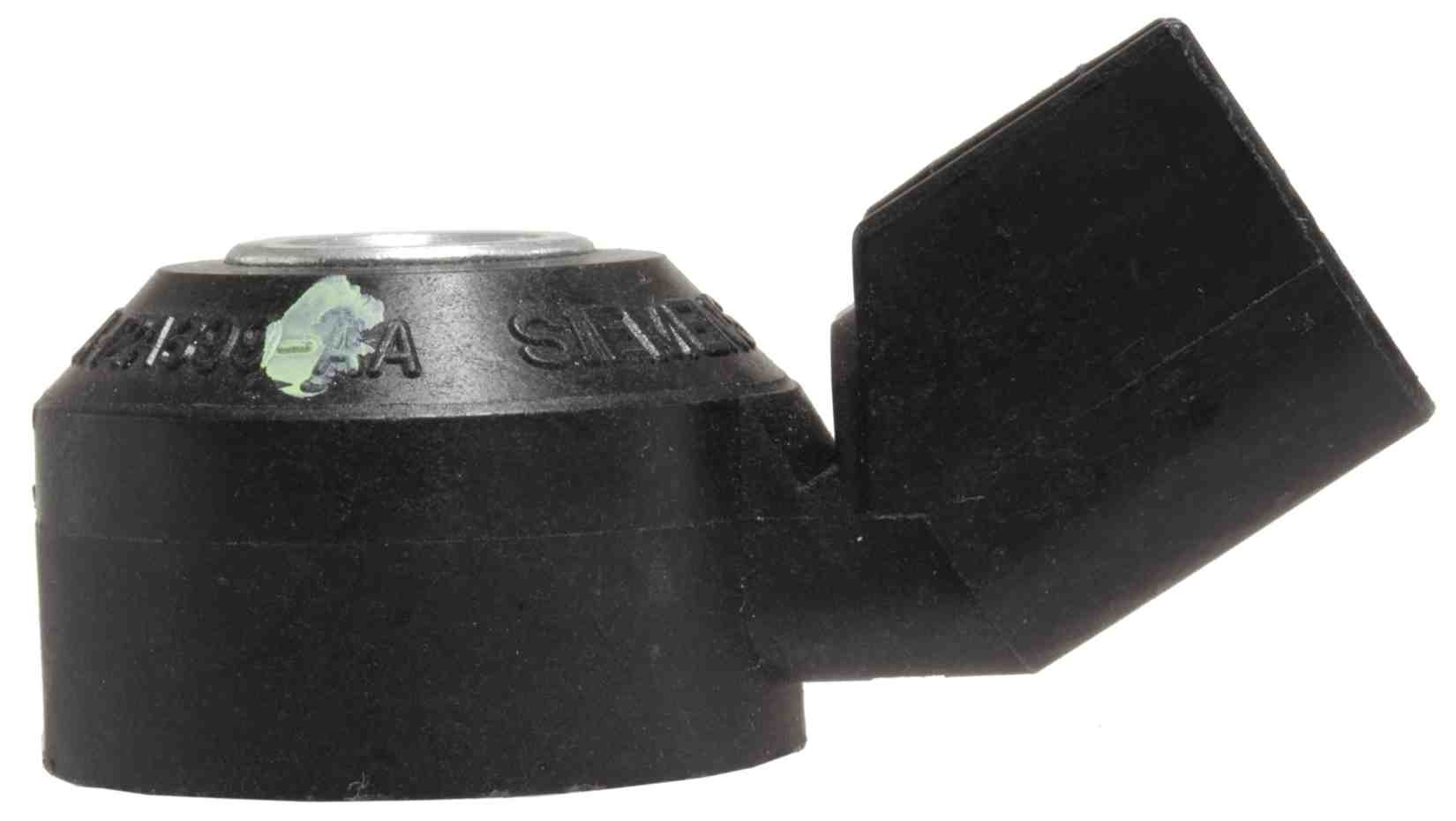
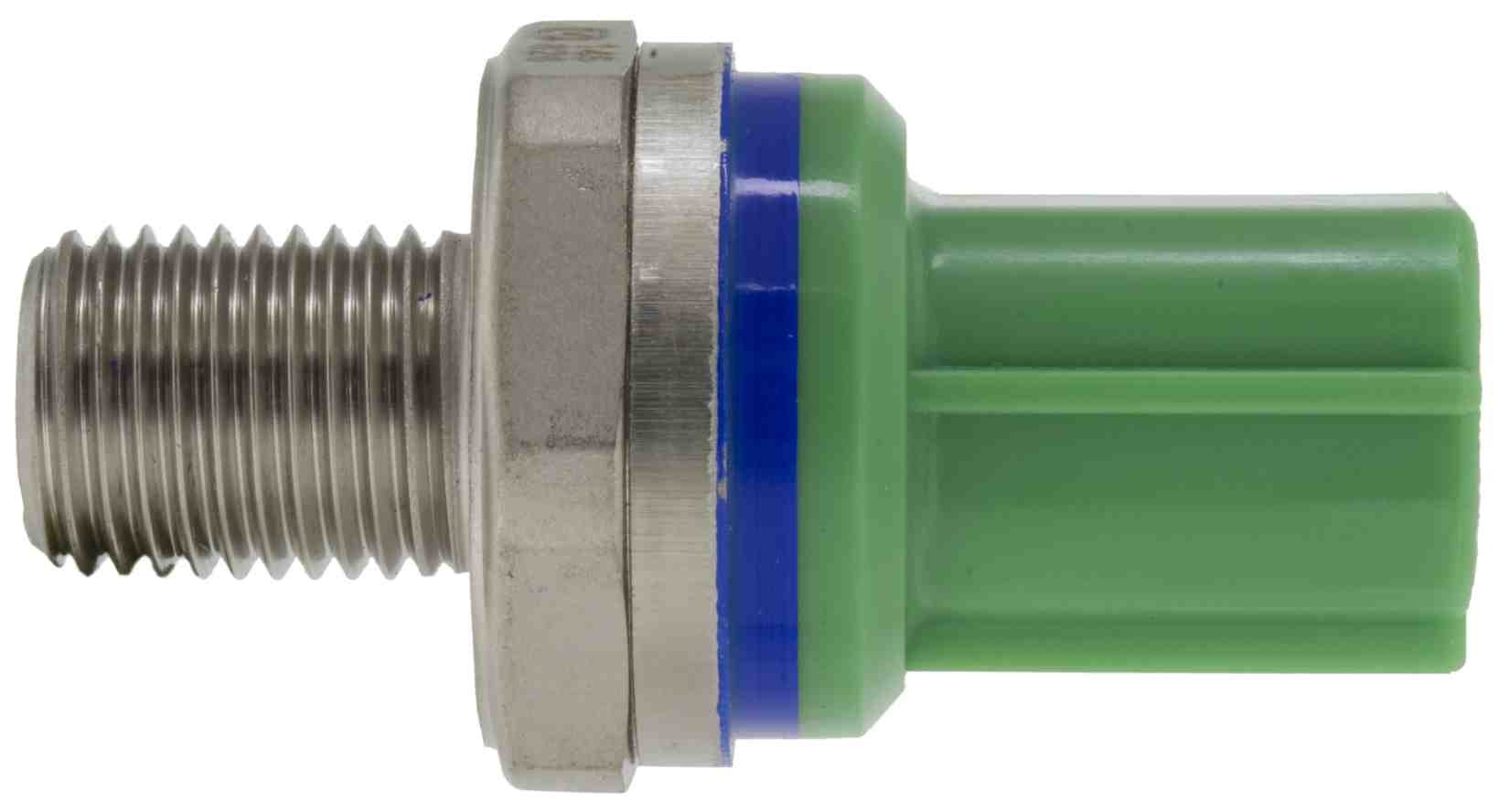
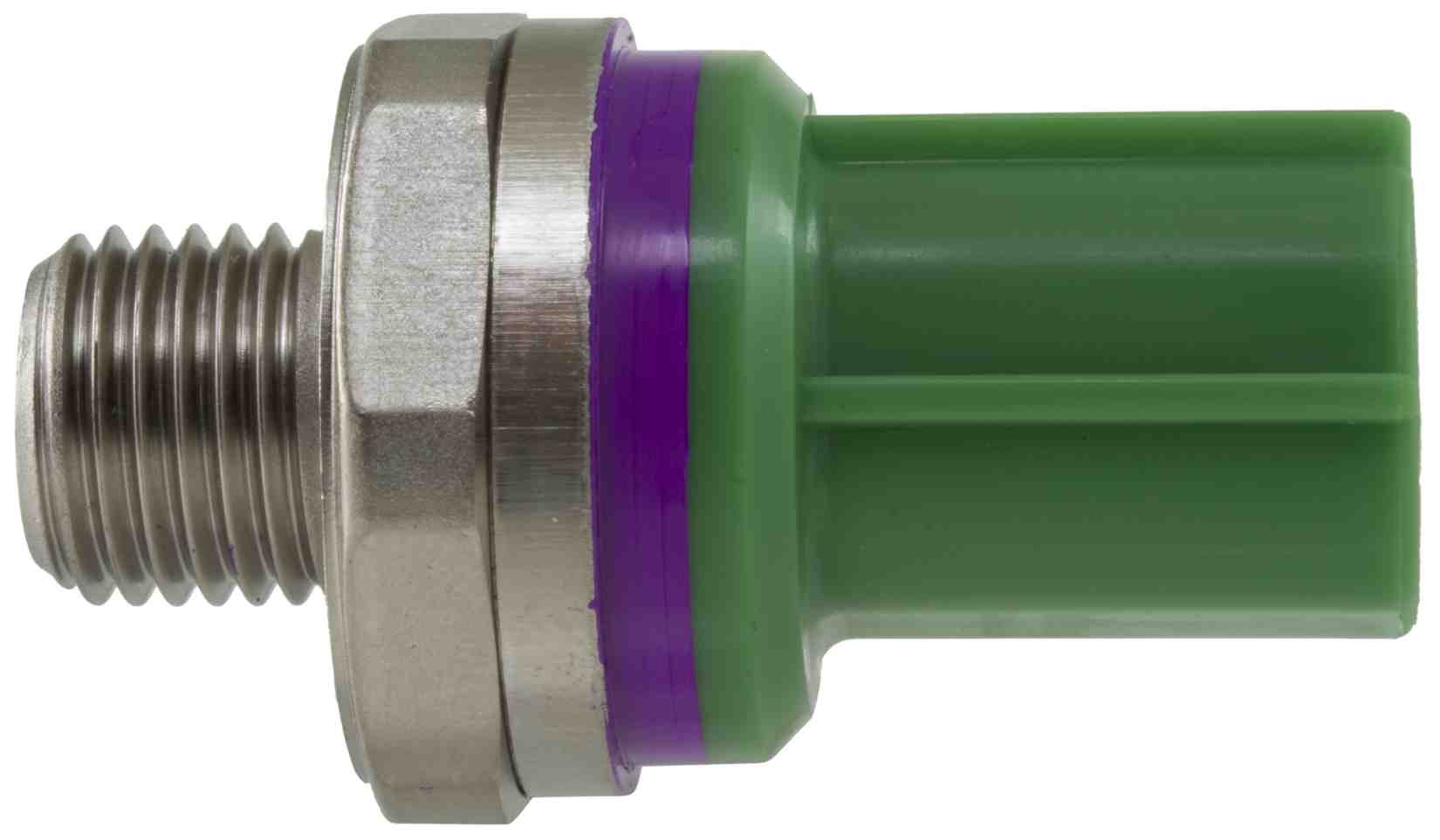
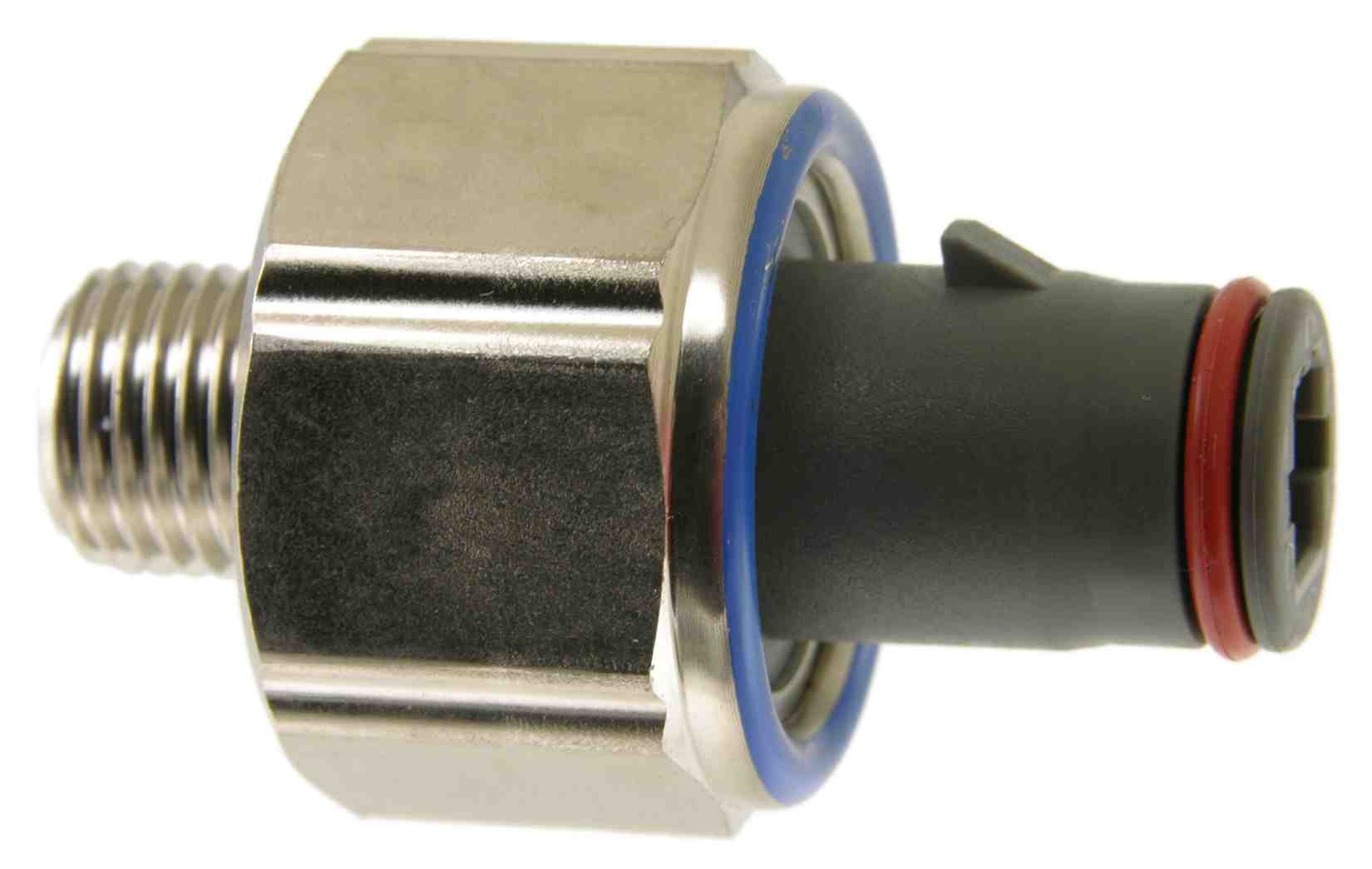
The knock sensor itself is faulty, sending a consistently high voltage signal to the engine computer, which the computer interprets as a circuit issue.
70% of P0333 cases are fixed by replacing this part
Damaged, corroded, or shorted wiring to the knock sensor on Bank 2 can cause an incorrect high voltage signal.
25% of P0333 cases are fixed by repairing or replacing the wiring
A rare internal fault within the engine computer can cause it to misinterpret the knock sensor signal or send an incorrect reference voltage.
5% of P0333 cases are fixed by replacing the ECM/PCM
Check These First (Before Buying Parts)
- Visually inspect the knock sensor and its wiring harness for any obvious damage, fraying, or corrosion.
- Ensure all electrical connectors related to the knock sensor are securely seated.
How to Diagnose P0333
- 1Visually inspect Knock Sensor 2 and its wiring harness for any obvious damage, corrosion, or loose connections.
- 2Use a multimeter to test the voltage at the knock sensor connector; look for a high voltage reading when the engine is off or running.
- 3Check the resistance of the knock sensor itself (if accessible) and compare it to factory specifications.
- 4Inspect the entire wiring harness from the knock sensor to the ECM for continuity and shorts to power or ground.
- 5If all sensor and wiring tests pass, consider a professional diagnosis of the ECM.
How Do I Fix P0333 on My Vehicle?
Toyota Camry
2007-2024Many Toyota V6 engines, including the Camry, place the knock sensors under the intake manifold. This significantly increases labor time for replacement. The wiring harness to these sensors is also known to degrade over time.
85% fixed by replacing sensor and/or wiring
Shop for Toyota CamryHonda Accord
2003-2024Similar to Toyota, some Honda V6 engines also have knock sensors located in difficult-to-access areas, often requiring intake manifold removal. Inspect wiring carefully as it can become brittle.
80% fixed by replacing sensor and/or wiring
Shop for Honda AccordFord F-150
2004-2024On Ford F-150s, especially V8 engines, knock sensor location can vary but is often under the intake manifold or in the valley. Wiring integrity is crucial, as rodent damage or heat exposure can cause issues.
75% fixed by replacing sensor and/or wiring
Shop for Ford F-150Frequently Asked Questions
What does P0333 mean?
P0333 indicates that your vehicle's engine computer is receiving an abnormally high voltage signal from the Knock Sensor 2, which monitors engine knocking or pinging on Bank 2 of the engine.
Can I drive with P0333?
Yes, you can drive with P0333, but you should fix it within a few days. Your engine's performance will be reduced, and it might pull timing to prevent damage, leading to less power and fuel economy.
Will P0333 clear itself?
No, P0333 will not clear itself. The engine computer detects a persistent circuit fault. You must diagnose and repair the underlying issue, then clear the code with an OBD-II scanner.
How do I fix P0333 myself?
Start by visually inspecting the knock sensor and its wiring. If no damage is found, test the sensor's voltage and resistance with a multimeter. If the sensor is faulty, replace Knock Sensor 2. If the wiring is damaged, repair it.
How much does it cost to fix P0333?
DIY repair costs for P0333 range from $70 to $350, primarily for a new knock sensor and possibly intake manifold gaskets. Professional repair costs typically range from $300 to $800, due to the labor involved in accessing the sensor.
P0333 keeps coming back - why?
P0333 keeps coming back because the root cause was not fully addressed. This often means the wiring harness was not thoroughly checked, there's a secondary issue like a poor connection at the ECM, or the replacement sensor itself is faulty.
Will P0333 fail emissions/smog test?
Yes, P0333 will cause your vehicle to fail an emissions or smog test. An illuminated Check Engine Light automatically results in a failed inspection in states that require them.
What's the difference between P0333 and P0330?
P0333 indicates a 'high input' signal from Knock Sensor 2, meaning the voltage is too high. P0330 simply indicates a 'malfunction' in the Knock Sensor 2 circuit, which could be high input, low input, or no signal at all.
P0333 on Toyota Camry V6?
P0333 on a Toyota Camry V6 (and many other Toyota/Lexus V6/V8 engines) often points to a faulty knock sensor or degraded wiring. The sensors are typically located under the intake manifold, making replacement a labor-intensive job requiring removal of the manifold.
Questions to Ask Your Mechanic
Did you test the voltage signal from Knock Sensor 2 and compare it to specifications?
Good answer: Yes, I used a multimeter and found the voltage was consistently above the normal operating range, confirming a high input condition.
What did you find when inspecting the wiring harness for Knock Sensor 2?
Good answer: I found signs of corrosion at the connector, or a section of the wiring insulation was chafed, causing a short to power.
Repair Cost Estimate
DIY Repair
Parts only
$70-$350
Shop Repair
Parts + labor
$300-$800
Save $230-$450 by doing it yourself
Difficulty
intermediate
Time
2-6 hours
Intermediate - Requires basic hand tools, a multimeter, and comfort with disassembling engine components like the intake manifold on some vehicles.
Cost of Waiting
Ignoring P0333 means your engine's computer cannot accurately detect engine knocking. This forces the computer to run in a 'safe mode' with reduced power and fuel economy. If actual knocking occurs, the engine cannot compensate, leading to pre-ignition, detonation, and severe internal engine damage, potentially requiring a costly engine rebuild or replacement.
While You're In There...
If the knock sensor is located under the intake manifold, these gaskets must be replaced whenever the manifold is removed to prevent vacuum leaks.
Some intake manifold designs involve coolant passages; replacing coolant ensures proper system function after reassembly.
Tools You'll Need
- OBD-II scanner
- Socket set (metric and/or standard)
- Wrench set
- Torque wrench
- Multimeter
- Screwdrivers
- Pliers
- Gasket scraper
- Coolant drain pan (if coolant lines are disturbed)
Related Codes
Your engine's computer detected a problem with the knock sensor circuit on Bank 1 (or the single knock sensor if your engine only has one). The knock sensor detects engine knocking or pinging and tells the computer to adjust ignition timing to prevent damage.
Knock Sensor 1 Circuit High Input (Bank 1 or Single Sensor) means your engine's computer is receiving a voltage signal from the knock sensor that is too high, indicating a problem with the sensor or its circuit. The knock sensor listens for engine 'pinging' or 'knocking' (detonation) and tells the computer to adjust timing to prevent damage.
Knock Sensor 2 Circuit Malfunction (Bank 2)
P0333 is a common sensor code. While it can be labor-intensive to fix depending on the sensor's location, it's a straightforward repair that restores your engine's performance and protection.
- Family-owned since 1957
- 990,000+ happy customers
- Fast nationwide shipping
- Easy returns
Your Next Steps
Step 1: Visually inspect Knock Sensor 2 and its wiring for any damage or loose connections. Clean any corrosion you find.
Step 2: If the visual inspection doesn't reveal the issue, use a multimeter to test the voltage output of the knock sensor and check the continuity of its wiring harness. Compare readings to your vehicle's service manual.
Step 3: If the sensor or wiring tests faulty, you'll likely need a new Knock Sensor 2 and potentially an intake manifold gasket set if the sensor is under the manifold.