P0330 Code
Fix within 1-2 weeksKnock Sensor 2 Circuit Malfunction (Bank 2)
What Does P0330 Mean?
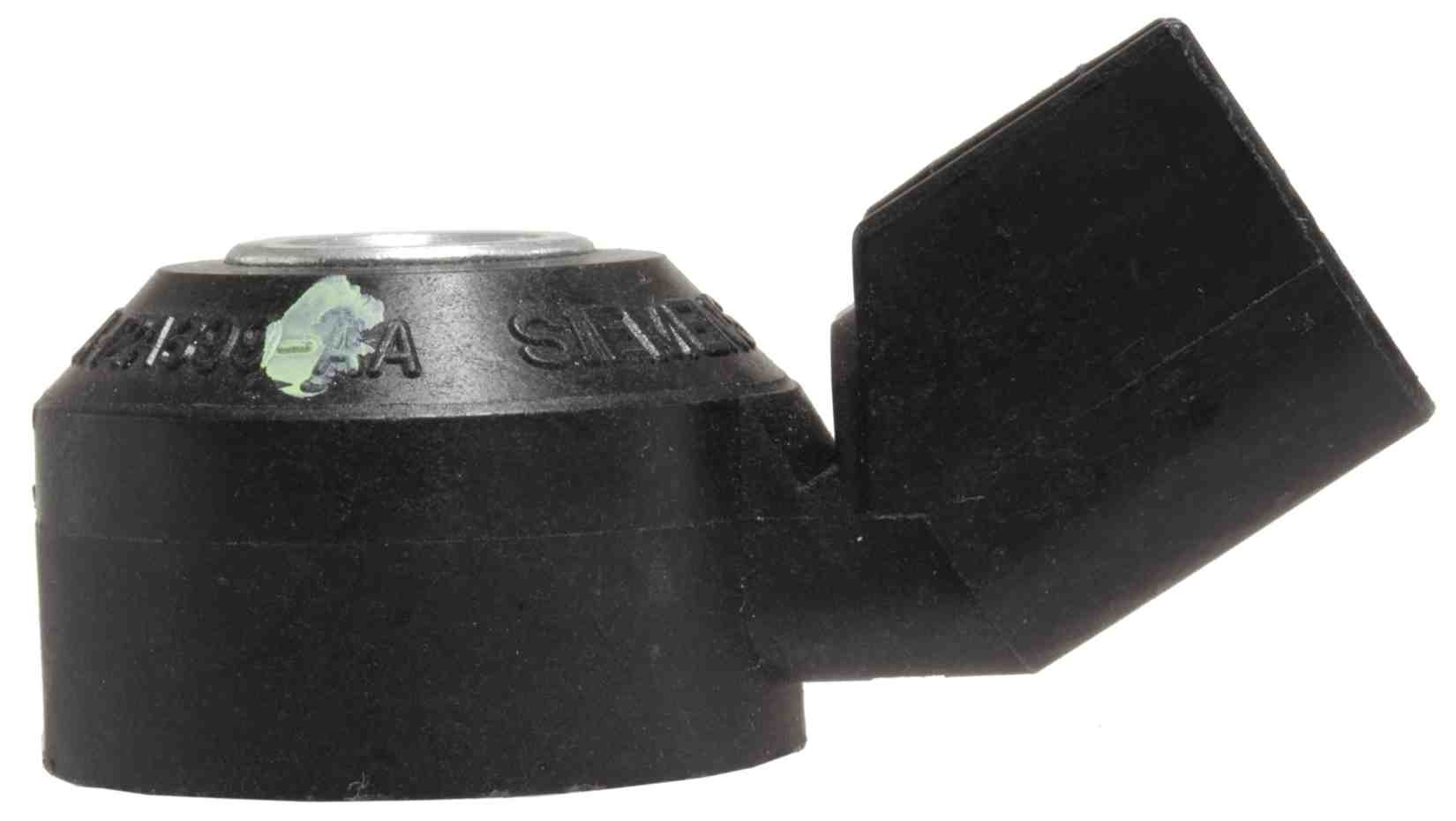
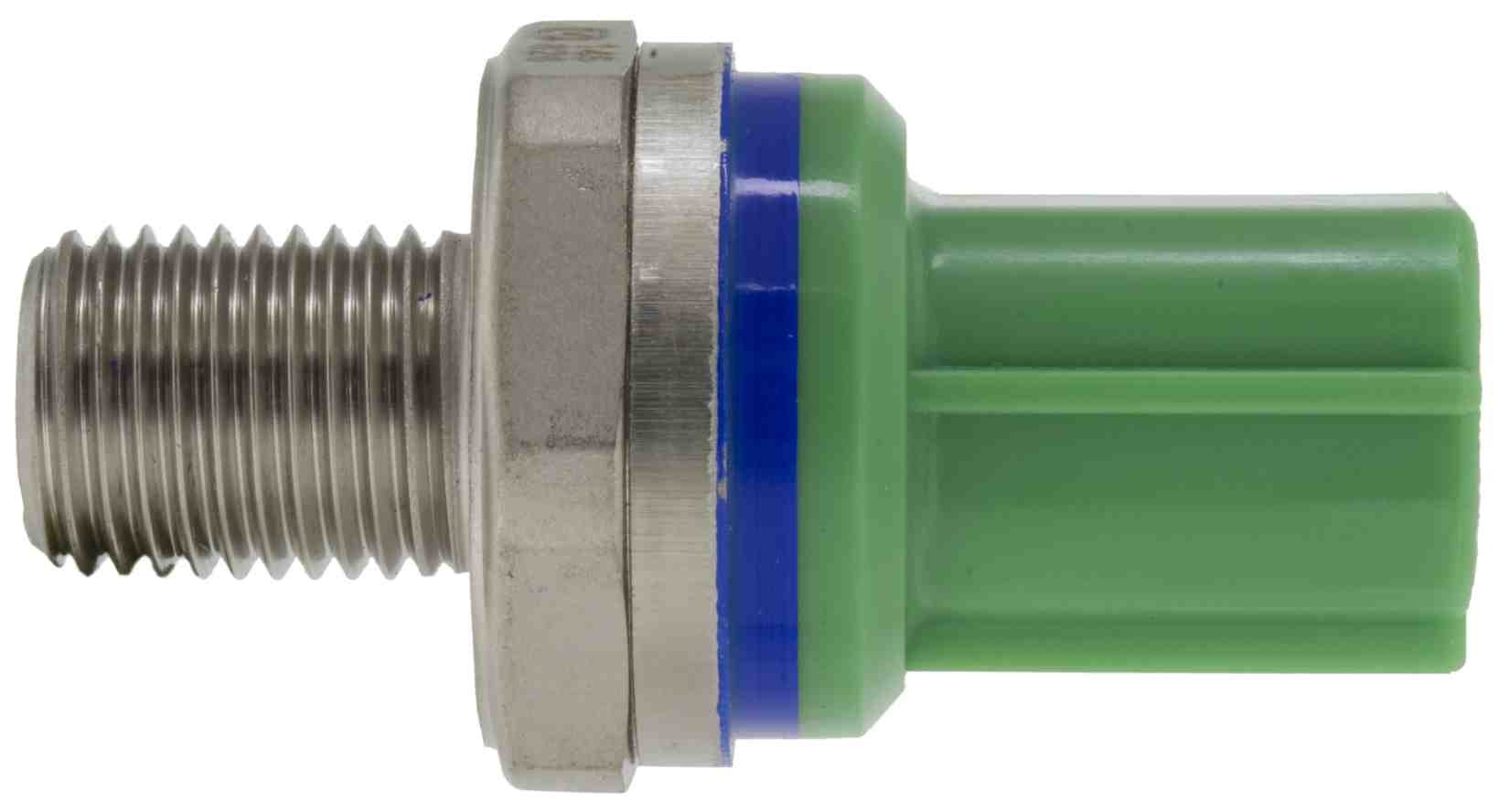
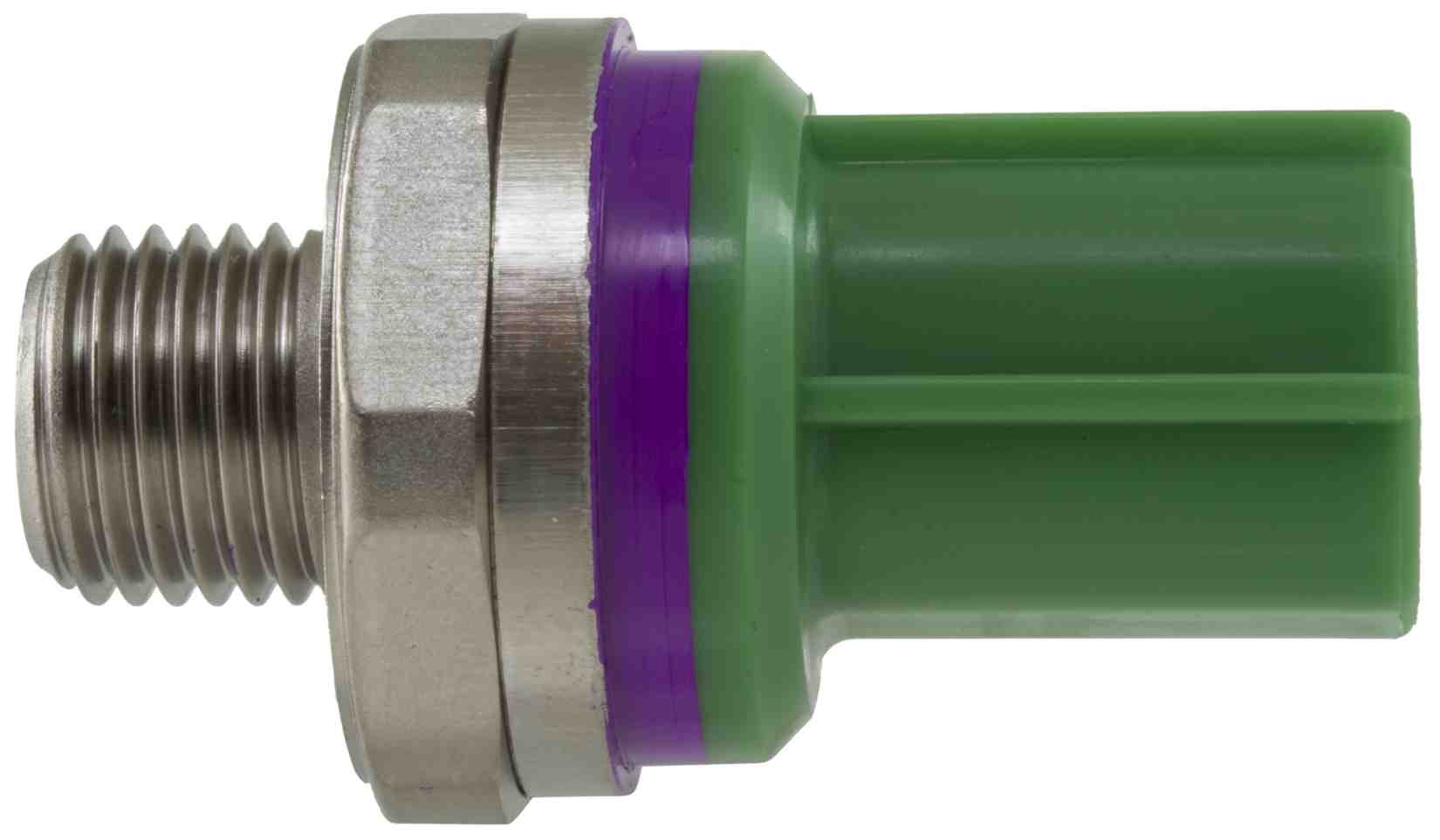
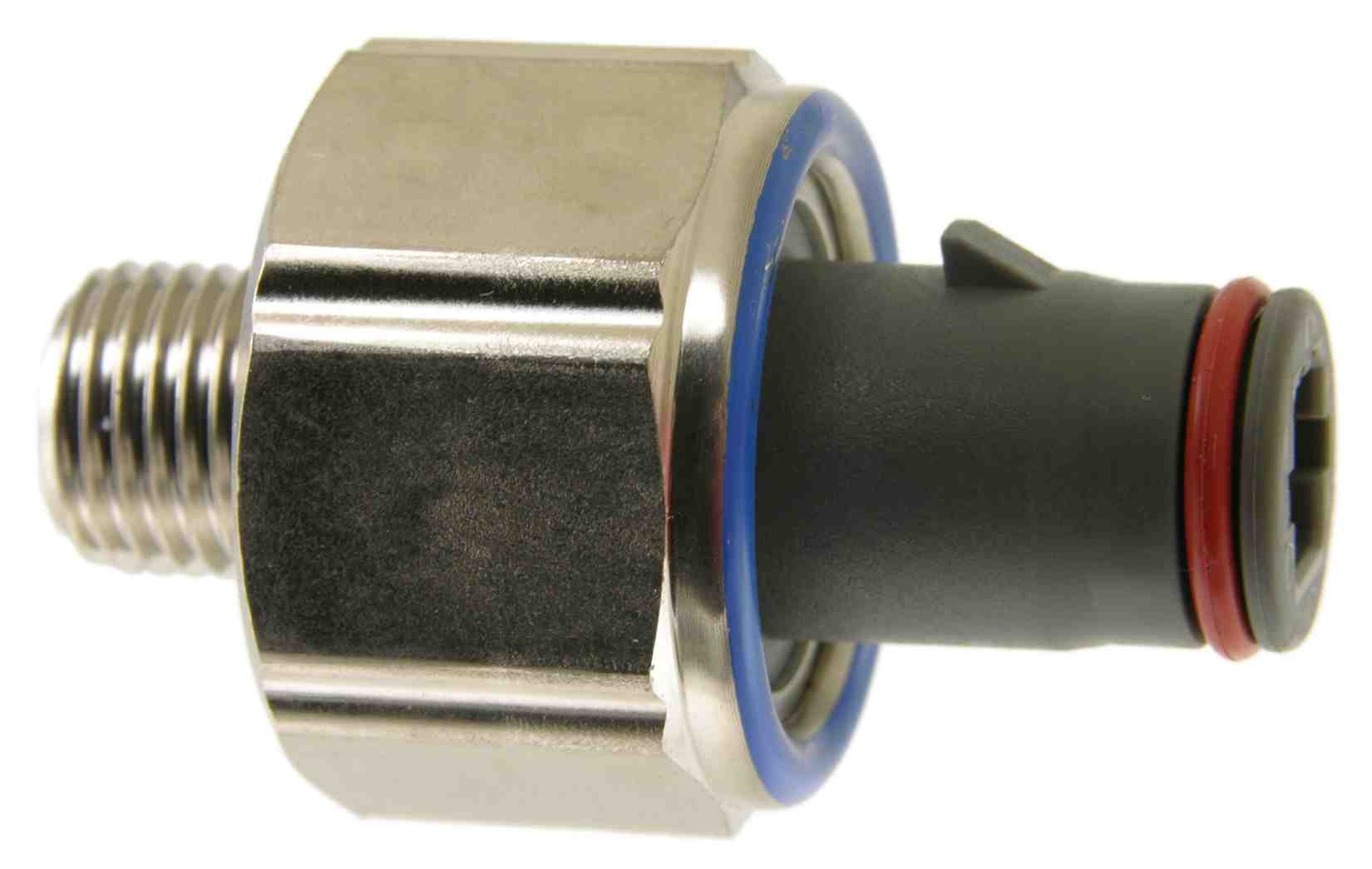
Code P0330 means your engine's computer isn't getting a signal from the Bank 2 knock sensor. Common causes: Faulty knock sensor (70%), wiring issues (25%). Drivability: Yes, but with reduced power. Repair cost: $100-$300 DIY, $250-$800 professional.
Can I Drive With P0330?
Yes, for short trips only
Essential trips under 10 miles, avoid highways and heavy acceleration.
Stop driving immediately if: Flashing CEL, loud knocking/pinging noises, significant power loss, engine overheating
What Are the Symptoms of P0330?
- 1Check Engine Light is on
- 2Reduced engine power or acceleration
- 3Poor fuel economy
- 4Engine knocking or pinging sounds (less common, as the sensor should prevent this)
- 5Engine runs rough
What Causes P0330?
Parts most likely causing this code, ranked by probability
The knock sensor itself has failed internally and is not sending a proper signal to the engine computer.
70% of P0330 cases are fixed by replacing this part
Damaged, corroded, or loose wiring or a faulty connector prevents the knock sensor signal from reaching the engine computer.
25% of P0330 cases are fixed by repairing this wiring
The engine's computer is not correctly processing the signal from the knock sensor, though this is a rare occurrence.
5% of P0330 cases are fixed by replacing this part
Check These First (Before Buying Parts)
- Visually inspect the wiring harness and connector for the Bank 2 knock sensor. Look for frayed wires, corrosion, or loose connections.
- Ensure you are using the correct octane fuel for your vehicle, as low octane can cause actual knocking.
How to Diagnose P0330
- 1Visually inspect the knock sensor wiring and connector on Bank 2 for any signs of damage, corrosion, or loose connections.
- 2Test the resistance of the Bank 2 knock sensor using a multimeter and compare it to your vehicle's service manual specifications.
- 3Check for proper voltage signals at the knock sensor connector with the engine running (requires a scope or advanced scan tool).
- 4Inspect for other engine issues that could cause actual knocking, such as low octane fuel, excessive carbon buildup, or incorrect spark plugs.
- 5If all other checks are inconclusive, consider a faulty Engine Control Module (ECM/PCM), though this is a rare cause.
How Do I Fix P0330 on My Vehicle?
Toyota Camry
1997-2006 (V6 models)On V6 engines (1MZ-FE, 3MZ-FE), the knock sensors are located under the intake manifold, making replacement labor-intensive. The wiring harness to the sensors also commonly becomes brittle and fails.
95% fixed by replacing sensor and/or harness
Shop for Toyota CamryHonda Accord
2003-2007 (V6 models)Knock sensor failures are common on these V6 engines. They are generally more accessible than on some Toyota V6s, but still require some disassembly.
80% fixed by replacing sensor
Shop for Honda AccordFord F-150
2004-2010 (V8 models)Knock sensor failures are less common than on some import V6s, but wiring issues or actual engine knocking can trigger P0330. Access can vary by engine type.
60% fixed by replacing sensor
Shop for Ford F-150Frequently Asked Questions
What does P0330 mean?
P0330 indicates a malfunction in the Knock Sensor 2 circuit, which is located on Bank 2 of your engine. This sensor detects engine knocking or pinging and signals the computer to adjust ignition timing.
Can I drive with P0330?
Yes, you can drive with P0330, but your engine's computer will reduce power and fuel efficiency to protect the engine from potential damage. Fix this within 1-2 weeks.
Will P0330 clear itself?
No, P0330 will not clear itself. The underlying issue causing the circuit malfunction must be repaired before the code will clear, either manually with a scan tool or after several drive cycles once the repair is complete.
How do I fix P0330 myself?
Start by inspecting the wiring and connector for the Bank 2 knock sensor. If they look good, test the sensor's resistance with a multimeter. If the sensor is faulty, replace it. Be aware that access to the sensor can be difficult on some engines.
How much does it cost to fix P0330?
DIY costs range from $100-$300 for the knock sensor and basic tools. Professional repair costs range from $250-$800, depending on labor time and sensor accessibility.
P0330 keeps coming back - why?
The code keeps returning because the root cause is not fully addressed. This could be due to a faulty replacement sensor, persistent wiring issues, or an underlying engine problem causing actual knocking that the sensor is correctly reporting.
Will P0330 fail emissions/smog test?
Yes, P0330 will cause your vehicle to fail an emissions or smog test. The Check Engine Light being on is an automatic failure in most jurisdictions.
What's the difference between P0330 and P0325?
P0330 refers to a circuit malfunction in Knock Sensor 2 (Bank 2), while P0325 refers to a circuit malfunction in Knock Sensor 1 (Bank 1). Bank 1 is the side of the engine with cylinder #1, and Bank 2 is the opposite side.
P0330 on Toyota Camry/Lexus ES300/RX300?
Many Toyota and Lexus V6 engines (like the 1MZ-FE and 3MZ-FE) commonly experience P0330. The knock sensors are often located under the intake manifold, making replacement a more involved job due to the labor required for access.
Questions to Ask Your Mechanic
Did you test the resistance of the knock sensor itself, or just check for voltage?
Good answer: A thorough mechanic will confirm they tested the sensor's internal resistance against factory specifications, not just checked for power at the connector.
What did you find when you inspected the wiring harness to the Bank 2 knock sensor?
Good answer: A good answer will detail the condition of the wiring, noting any signs of fraying, corrosion, or damage, especially if the sensor is located in a hard-to-reach area.
Repair Cost Estimate
DIY Repair
Parts only
$100-$300
Shop Repair
Parts + labor
$250-$800
Save $150-$500 by doing it yourself
Difficulty
intermediate
Time
2-6 hours
Intermediate. While the sensor replacement itself is straightforward, accessing it can require significant disassembly, such as removing the intake manifold, which adds complexity and requires specific torque values for reassembly.
Cost of Waiting
Ignoring P0330 means your engine is running with reduced power and fuel economy. More importantly, if there's actual engine knocking that the faulty sensor isn't reporting, it can lead to severe internal engine damage, such as piston or connecting rod failure, which is a multi-thousand dollar repair or engine replacement.
While You're In There...
If the knock sensor is located under the intake manifold, you will remove the manifold to access it. Replacing the gaskets prevents vacuum leaks and ensures a proper seal upon reassembly.
If your spark plugs are due for replacement and you're already removing the intake manifold, it's a good time to replace them as much of the labor to access them is already done.
The PCV valve is often accessible when the intake manifold is off, and it's an inexpensive maintenance item that can prevent future engine issues.
Tools You'll Need
- Basic hand tools (sockets, wrenches)
- Multimeter
- Torque wrench (if intake manifold is removed)
- Scan tool (to clear code)
Related Codes
Your engine's computer detected a problem with the knock sensor circuit on Bank 1 (or the single knock sensor if your engine only has one). The knock sensor detects engine knocking or pinging and tells the computer to adjust ignition timing to prevent damage.
Your engine's knock sensor isn't reporting correctly, meaning it's sending a signal that's outside its normal operating range.
The engine computer detects a voltage signal from the knock sensor that is too low, indicating a problem with the sensor or its circuit.
Knock Sensor 1 Circuit High Input (Bank 1 or Single Sensor) means your engine's computer is receiving a voltage signal from the knock sensor that is too high, indicating a problem with the sensor or its circuit. The knock sensor listens for engine 'pinging' or 'knocking' (detonation) and tells the computer to adjust timing to prevent damage.
Knock Sensor 2 Circuit Intermittent (Bank 1 or Single Sensor)
P0330 is a common code, especially on V6 and V8 engines. While the repair can be involved, replacing the knock sensor restores engine protection and performance, and your engine will run like new afterward.
- Family-owned since 1957
- 990,000+ happy customers
- Fast nationwide shipping
- Easy returns
Your Next Steps
Step 1: Check the wiring and connector for the Bank 2 knock sensor for any visible damage or corrosion. Clean any corrosion and ensure connections are tight.
Step 2: If the wiring looks good, use a multimeter to test the resistance of the knock sensor itself. Compare the reading to your vehicle's service manual specifications.
Step 3: If the sensor tests bad or you find damaged wiring, replace the faulty component. If the sensor is under the intake manifold, be prepared for a more involved repair.