P0408 Code
Fix within a few daysThe engine computer detects a higher than expected voltage signal from the Exhaust Gas Recirculation (EGR) sensor circuit.
What Does P0408 Mean?
Code P0408 means your EGR sensor circuit has a high voltage signal. Common causes: Faulty EGR valve (60%), wiring issues (25%), clogged EGR passages (10%). Drivability: Yes, for short trips only. Repair cost: $100-$300 DIY, $250-$600 professional.
Can I Drive With P0408?
Yes, for short trips only
Essential trips under 10 miles, avoid highways and heavy acceleration
Stop driving immediately if: Flashing Check Engine Light, loud engine knocking, significant power loss, or engine stalling.
What Are the Symptoms of P0408?
- 1Check Engine Light is on
- 2Rough or unstable engine idle
- 3Engine hesitation or stalling
- 4Reduced engine power or acceleration
- 5Engine knocking or pinging (detonation)
- 6Increased exhaust emissions
What Causes P0408?
Parts most likely causing this code, ranked by probability
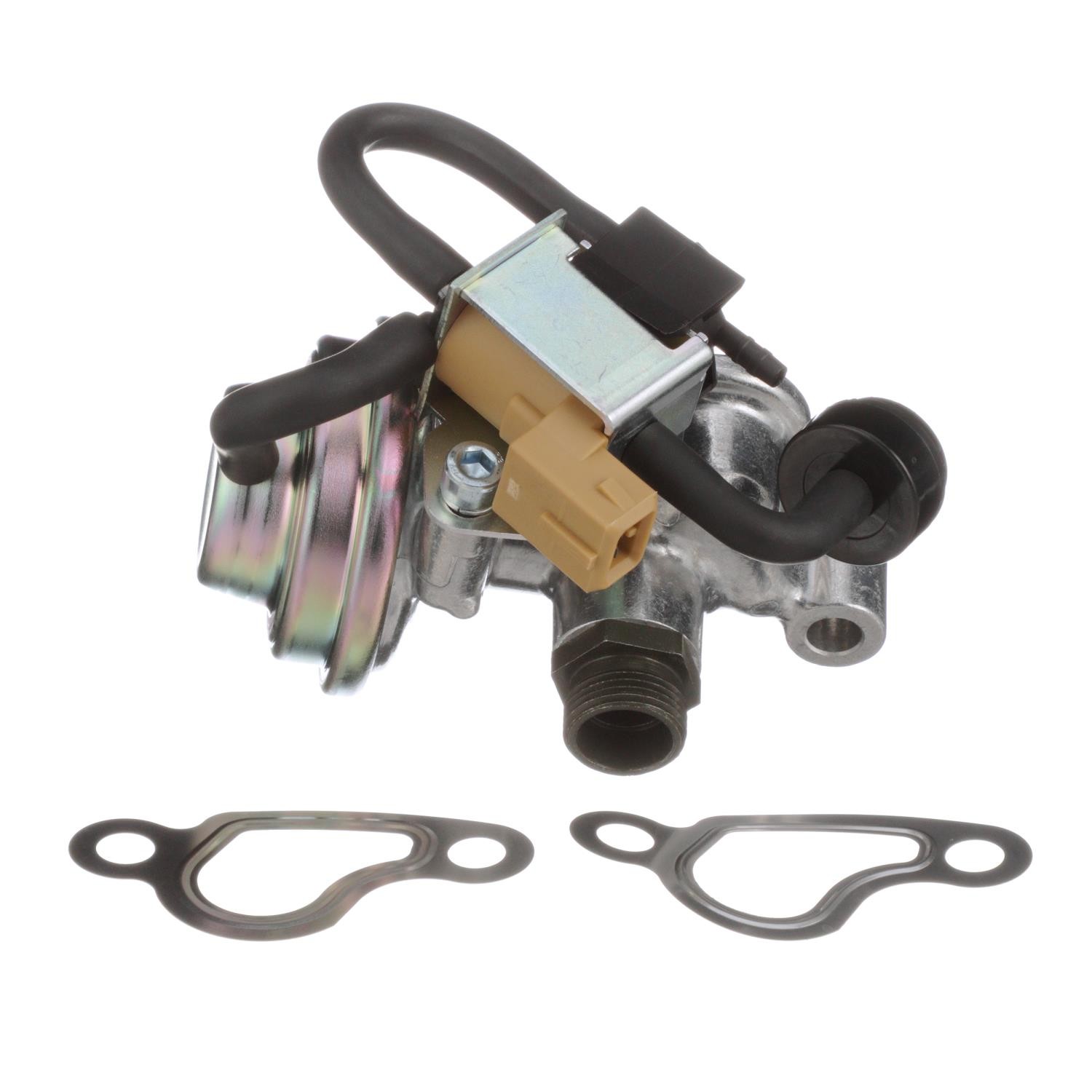
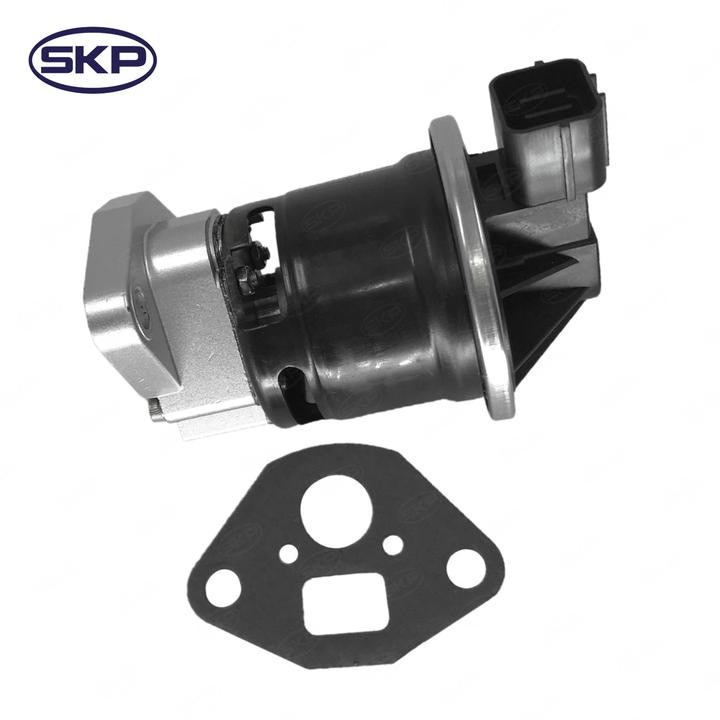
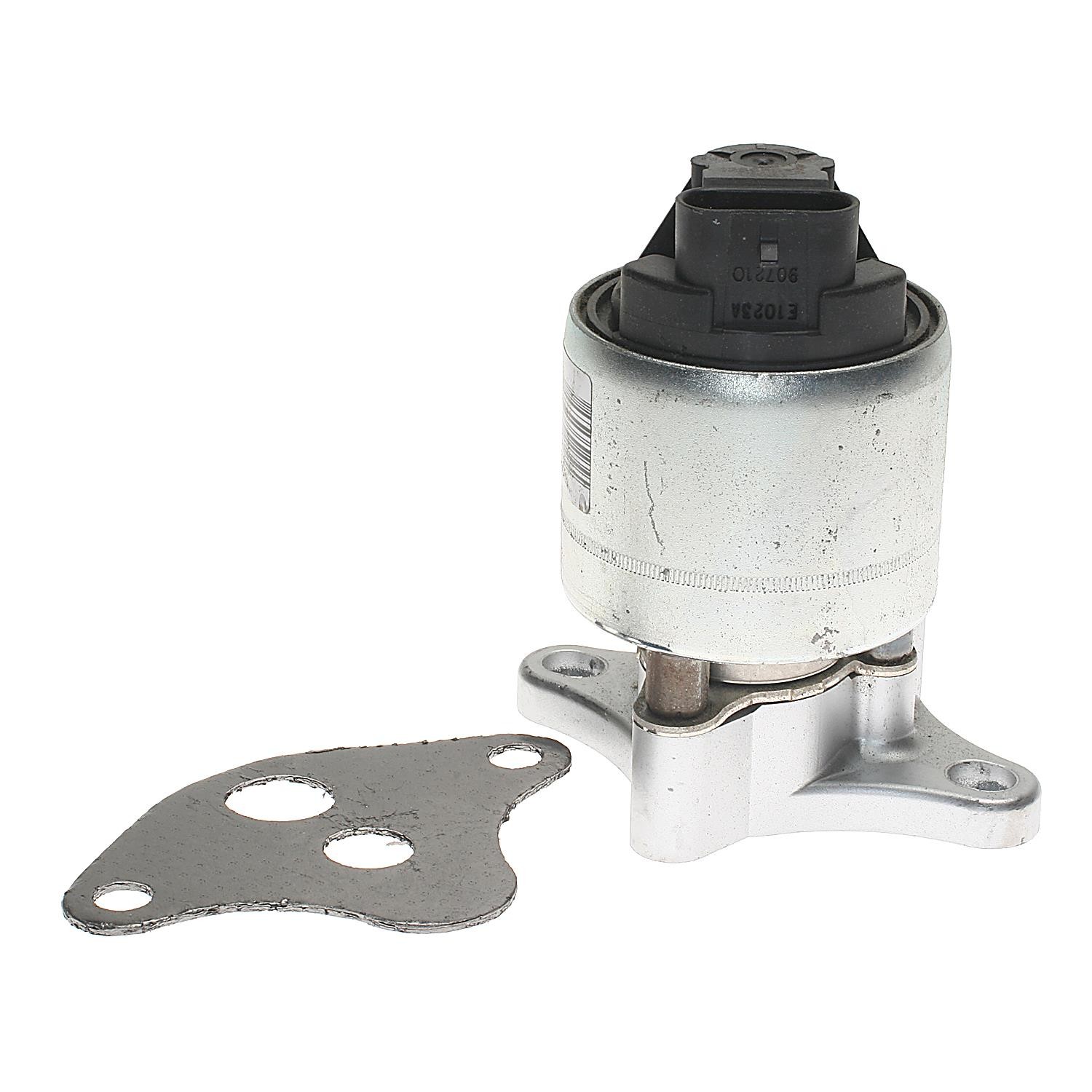
The EGR valve itself, which often includes the position sensor, has failed internally, sending an incorrect high voltage signal to the engine computer.
60% of P0408 cases are fixed by replacing the EGR valve
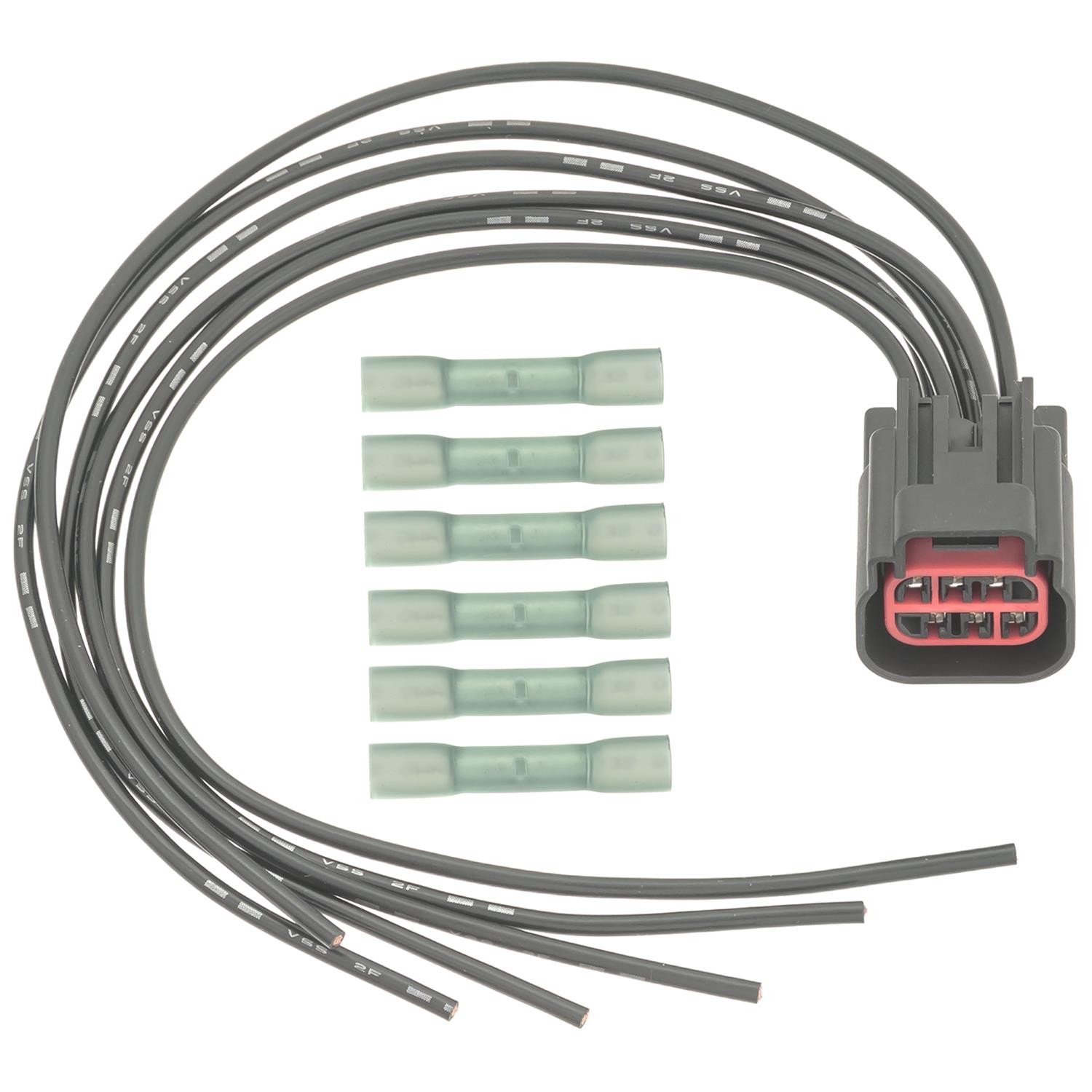
Damaged, corroded, or loose wiring or a faulty connector in the EGR sensor circuit can cause an abnormally high voltage reading.
25% of P0408 cases are fixed by repairing wiring or connectors
Heavy carbon buildup in the EGR passages can prevent the valve from operating correctly, leading to the sensor sending an out-of-range high signal.
10% of P0408 cases are fixed by cleaning EGR passages
A rare internal fault within the engine computer can incorrectly interpret the EGR sensor signal as high, even if the sensor and wiring are good.
5% of P0408 cases are fixed by replacing the ECM/PCM
Check These First (Before Buying Parts)
- Visually inspect the EGR valve and its electrical connector for any obvious damage, corrosion, or loose connections.
- Check the vacuum lines connected to the EGR valve (if applicable) for cracks or disconnections.
- Listen for any unusual hissing sounds around the EGR valve, which could indicate a vacuum leak.
How to Diagnose P0408
- 1Visually inspect the EGR valve and its electrical connector for damage, corrosion, or loose connections.
- 2Check the wiring harness leading to the EGR valve for any signs of fraying, cuts, or shorts.
- 3Using a multimeter, test the voltage at the EGR sensor connector to verify it's within specifications (refer to your vehicle's service manual).
- 4Test the EGR valve's operation using a scan tool to command it open and closed, observing sensor readings.
- 5Remove the EGR valve and inspect for carbon buildup in the valve and its passages; clean if necessary.
How Do I Fix P0408 on My Vehicle?
Honda Accord
2003-2012EGR valve failure is common, often due to carbon buildup restricting valve movement or an internal electrical fault in the integrated position sensor. Cleaning the EGR port in the intake manifold is often necessary along with valve replacement.
70% fixed by replacing EGR valve and cleaning passages
Shop for Honda AccordFord F-150
2004-2014On some F-150 models, especially with 4.6L and 5.4L engines, the EGR valve can fail electrically or become stuck due to carbon. Wiring issues to the EGR valve connector are also seen.
65% fixed by replacing EGR valve
Shop for Ford F-150Chevrolet Silverado
2007-2013EGR valve failures are a known issue on some Silverado trucks, leading to P0408. The valve can stick or the internal sensor can fail. Always check the electrical connector for corrosion.
60% fixed by replacing EGR valve
Shop for Chevrolet SilveradoFrequently Asked Questions
What does P0408 mean?
P0408 indicates that your vehicle's engine computer has detected a voltage signal from the Exhaust Gas Recirculation (EGR) sensor that is higher than its expected operating range.
Can I drive with P0408?
Yes, for short trips only. You can drive your vehicle, but you should address the issue within a few days. Ignoring it can lead to poor engine performance, increased emissions, and potential engine knocking.
Will P0408 clear itself?
No, P0408 will not clear itself. The engine computer will continue to detect the high voltage signal from the EGR sensor until the underlying problem is fixed. You will need to diagnose and repair the fault, then clear the code with a scan tool.
How do I fix P0408 myself?
Start by inspecting the EGR valve and its wiring for visible damage or corrosion. If the wiring looks good, you can test the EGR valve and sensor with a multimeter or scan tool. Often, replacing the EGR valve or cleaning clogged EGR passages will resolve the code.
How much does it cost to fix P0408?
DIY repair costs for P0408 typically range from $100 to $300, mainly for a new EGR valve. Professional repair at a shop will cost between $250 and $600, including parts and labor.
P0408 keeps coming back - why?
If P0408 keeps returning, it often means the initial repair didn't address the root cause. This can happen if you replaced the EGR valve but had a wiring issue, or if carbon buildup in the EGR passages was not thoroughly cleaned. A faulty engine computer is a less common but possible reason for recurrence.
Will P0408 fail emissions/smog test?
Yes, P0408 will cause your vehicle to fail an emissions or smog test. An illuminated Check Engine Light due to an EGR system fault indicates an emissions control problem, which is an automatic failure in most inspection programs.
What's the difference between P0408 and P0407?
P0408 indicates an EGR sensor 'B' circuit high voltage, meaning the signal is too strong. P0407 indicates an EGR sensor 'B' circuit low voltage, meaning the signal is too weak. Both point to an issue with the EGR sensor or its circuit, but in opposite directions of voltage.
P0408 on Honda Accord
On many Honda Accord models, P0408 is frequently caused by a failing EGR valve, often due to carbon buildup or an internal electrical fault in the integrated position sensor. Cleaning the EGR port in the intake manifold and replacing the EGR valve is a common fix.
Questions to Ask Your Mechanic
Did you test the voltage at the EGR sensor connector with a multimeter?
Good answer: Yes, I checked the reference voltage and the signal voltage. The signal voltage was consistently high, indicating a problem with the sensor itself or a short to voltage in the wiring.
Did you inspect the EGR passages for carbon buildup?
Good answer: Yes, I removed the EGR valve and found significant carbon buildup in the intake manifold passages. I cleaned them thoroughly before installing the new valve.
Repair Cost Estimate
DIY Repair
Parts only
$100-$300
Shop Repair
Parts + labor
$250-$600
Save $150-$300 by doing it yourself
Difficulty
intermediate
Time
1-3 hours
Intermediate - requires basic hand tools, a multimeter for testing, and potentially a scan tool. Access to the EGR valve can be challenging on some vehicles.
Cost of Waiting
Ignoring P0408 can lead to persistent rough idling, reduced fuel economy, and engine knocking or pinging, which can cause long-term damage to engine components if left unaddressed. A $150 EGR valve replacement now prevents more costly engine repairs later.
While You're In There...
It's essential to replace the gasket whenever the EGR valve is removed to ensure a proper seal and prevent exhaust leaks.
If you're cleaning EGR passages, it's a good time to clean the throttle body as carbon buildup often occurs in both areas, improving overall engine airflow.
Tools You'll Need
- Basic socket set
- Wrenches
- Screwdrivers
- Multimeter
- Scan tool (optional, but helpful for testing)
- Wire brush and carb cleaner (for cleaning passages)
- Torque wrench
Related Codes
Your engine's Exhaust Gas Recirculation (EGR) system has a flow malfunction.
Your engine's Exhaust Gas Recirculation (EGR) system isn't flowing enough exhaust gas.
Excessive Exhaust Gas Recirculation (EGR) Flow Detected
The engine computer detected an electrical problem in the Exhaust Gas Recirculation (EGR) valve circuit.
Your engine's computer detected that the Exhaust Gas Recirculation (EGR) valve is not opening or closing as expected, or its position is outside the normal operating range.
The engine computer detects a low voltage signal from the Exhaust Gas Recirculation (EGR) sensor, indicating a problem with the EGR system's feedback.
The engine computer detects a high voltage signal from the Exhaust Gas Recirculation (EGR) valve position sensor, indicating the valve might be stuck open or there's an electrical issue.
The Exhaust Gas Recirculation (EGR) system's position sensor 'B' circuit is reporting a voltage that is too low.
P0408 is a common emissions system code. Most repairs involve replacing the EGR valve or cleaning carbon buildup, which are straightforward jobs that will restore your engine's performance and efficiency.
- Family-owned since 1957
- 990,000+ happy customers
- Fast nationwide shipping
- Easy returns
Your Next Steps
Step 1: Visually inspect the EGR valve, its electrical connector, and all associated wiring for any signs of damage, corrosion, or loose connections. Ensure vacuum lines are secure if your system uses them.
Step 2: If the visual inspection doesn't reveal the problem, use a multimeter to test the voltage at the EGR sensor connector. Compare readings to your vehicle's service manual specifications. A scan tool can also help command the EGR valve and monitor sensor data.
Step 3: If tests indicate a faulty EGR valve or sensor, or if passages are heavily clogged, you'll likely need a new EGR valve and a new EGR valve gasket. Thoroughly clean any carbon buildup in the EGR passages before installing the new valve.