P0421 Code
Fix within a few daysYour vehicle's warm-up catalytic converter on Bank 1 is not cleaning exhaust gases efficiently enough after it has warmed up.
What Does P0421 Mean?
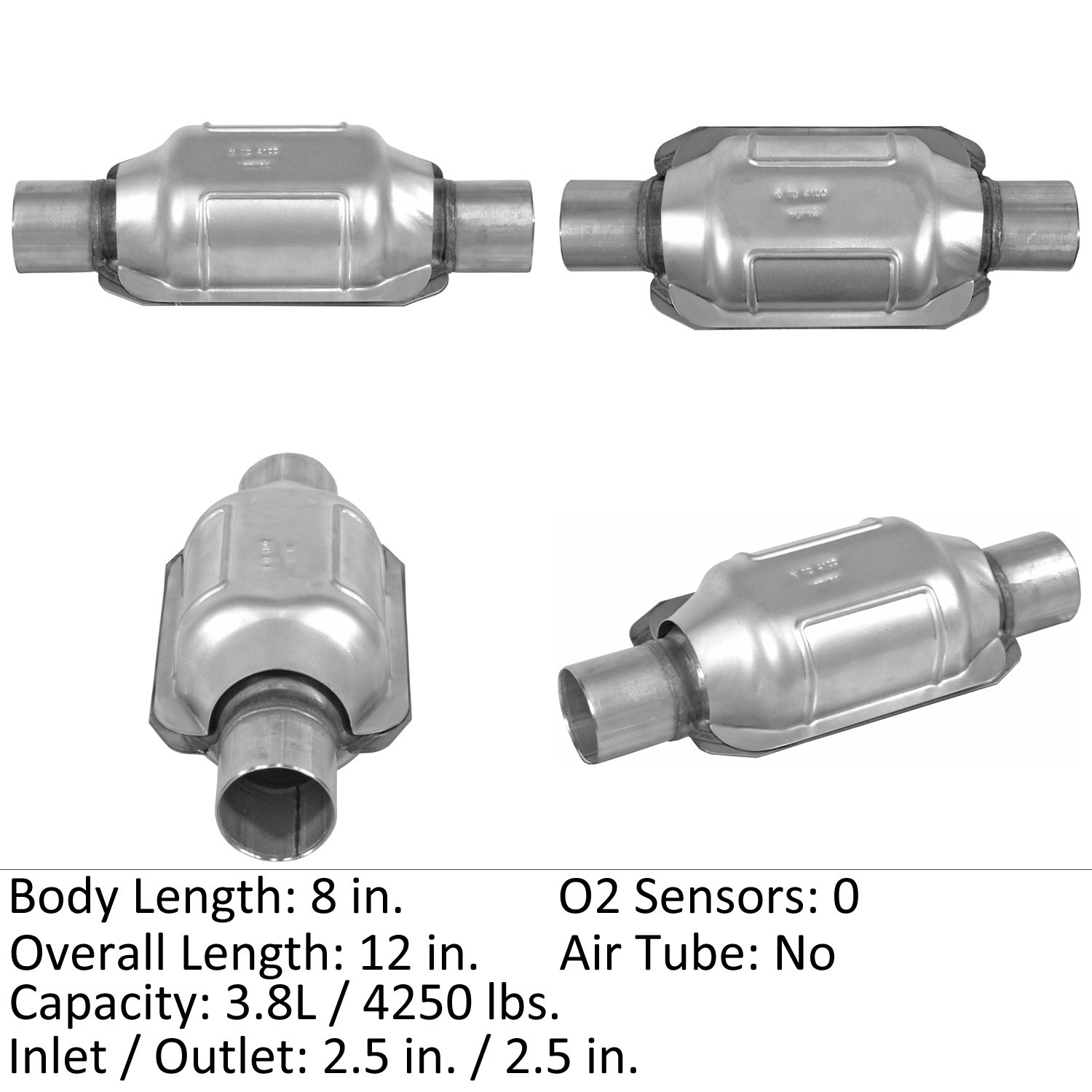
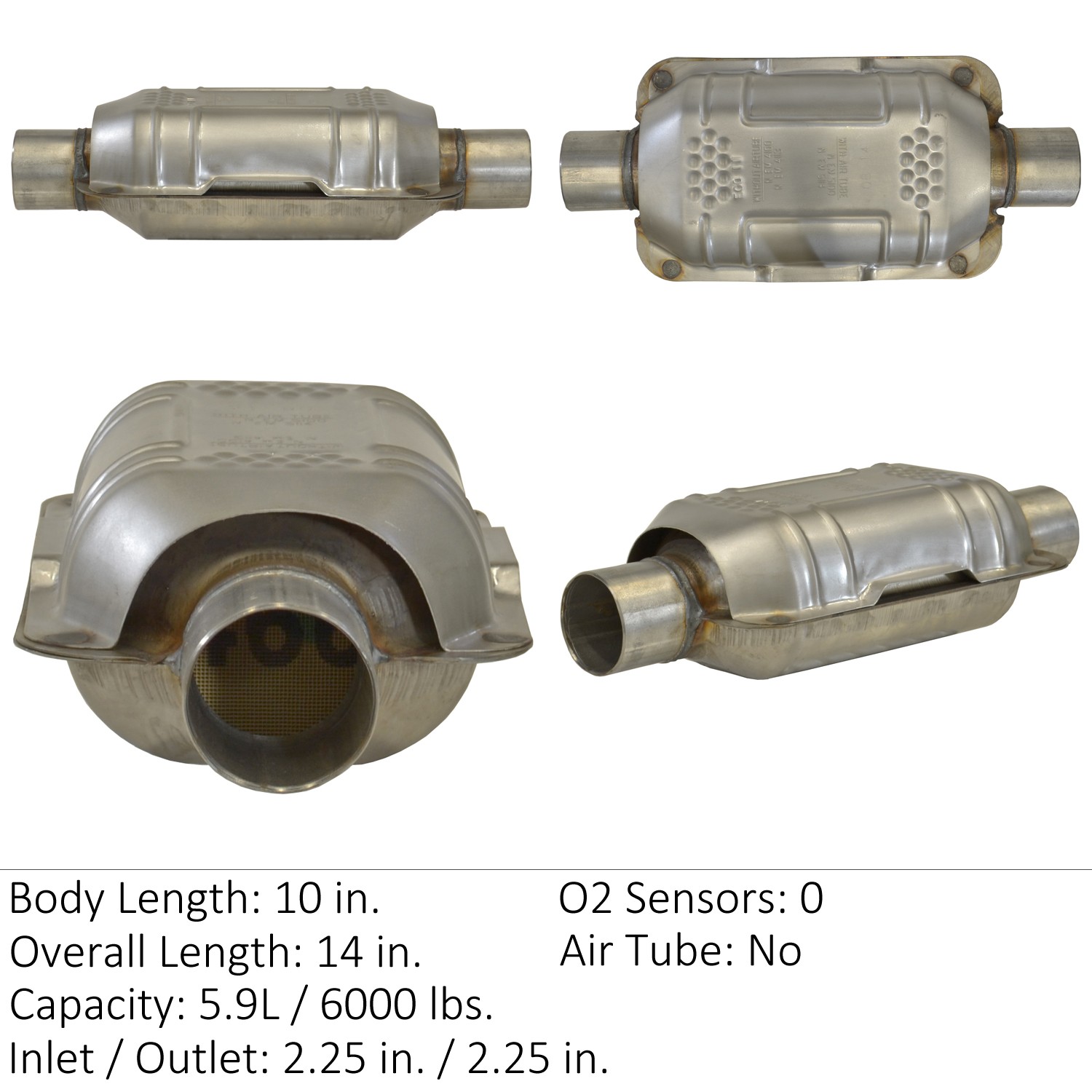
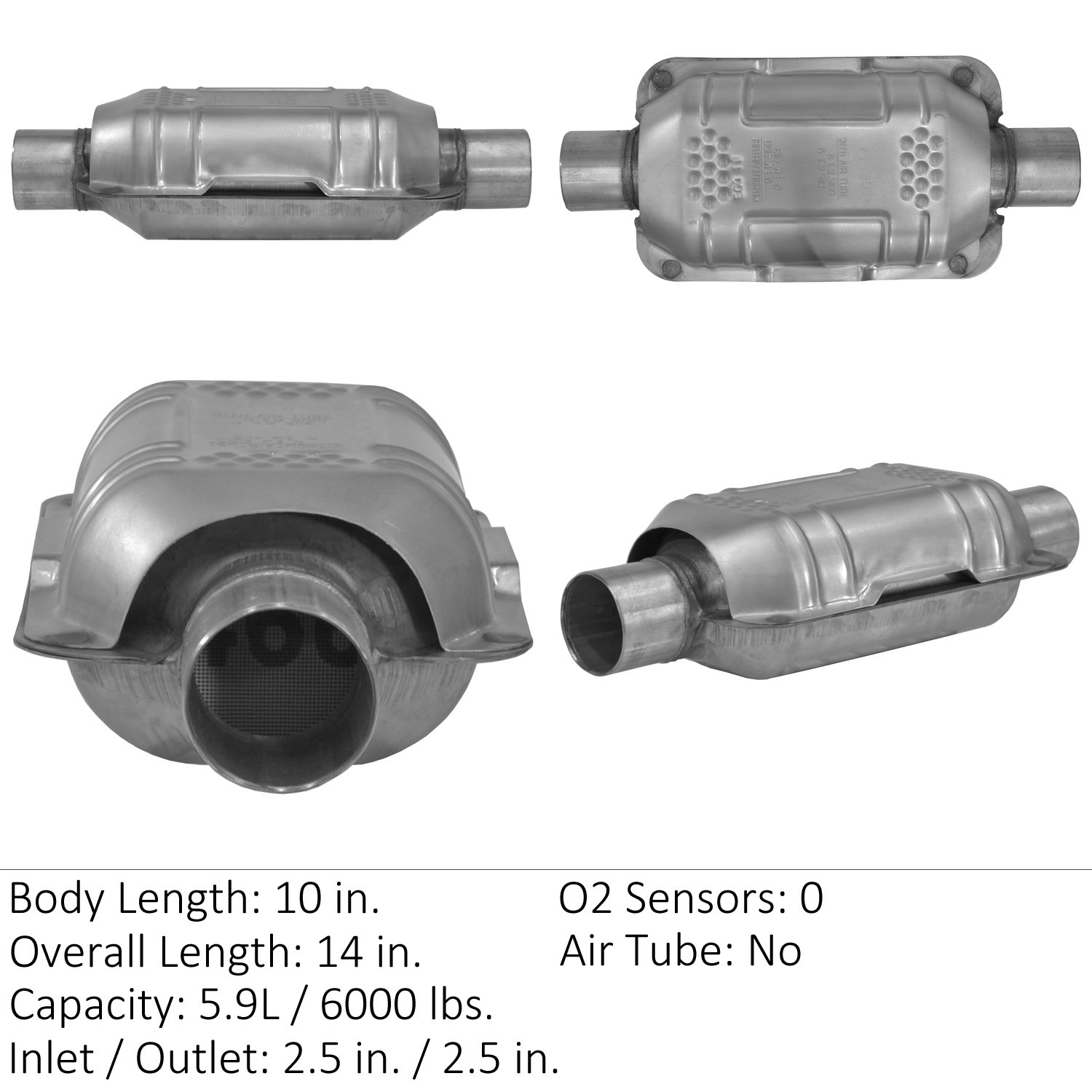
Code P0421 means your Bank 1 warm-up catalytic converter isn't working efficiently. Common causes: Failing catalytic converter (70%), faulty O2 sensor (20%), exhaust leak (5%). Drivability: Yes, safe to drive, but fix soon. Repair cost: $100-$800 DIY, $250-$3000 professional.
Can I Drive With P0421?
Yes, safe to drive
No restrictions, but fix within a few days to prevent further issues and reduce emissions.
Stop driving immediately if: Loud rattling from the exhaust, significant loss of engine power, or a strong rotten egg smell.
What Are the Symptoms of P0421?
- 1Check Engine Light is on
- 2Reduced fuel economy
- 3Engine may run rough or lack power (if underlying cause is severe)
- 4Rotten egg smell from exhaust (rare, but indicates severe converter failure)
What Causes P0421?
Parts most likely causing this code, ranked by probability
The catalytic converter has degraded internally and can no longer convert harmful emissions effectively.
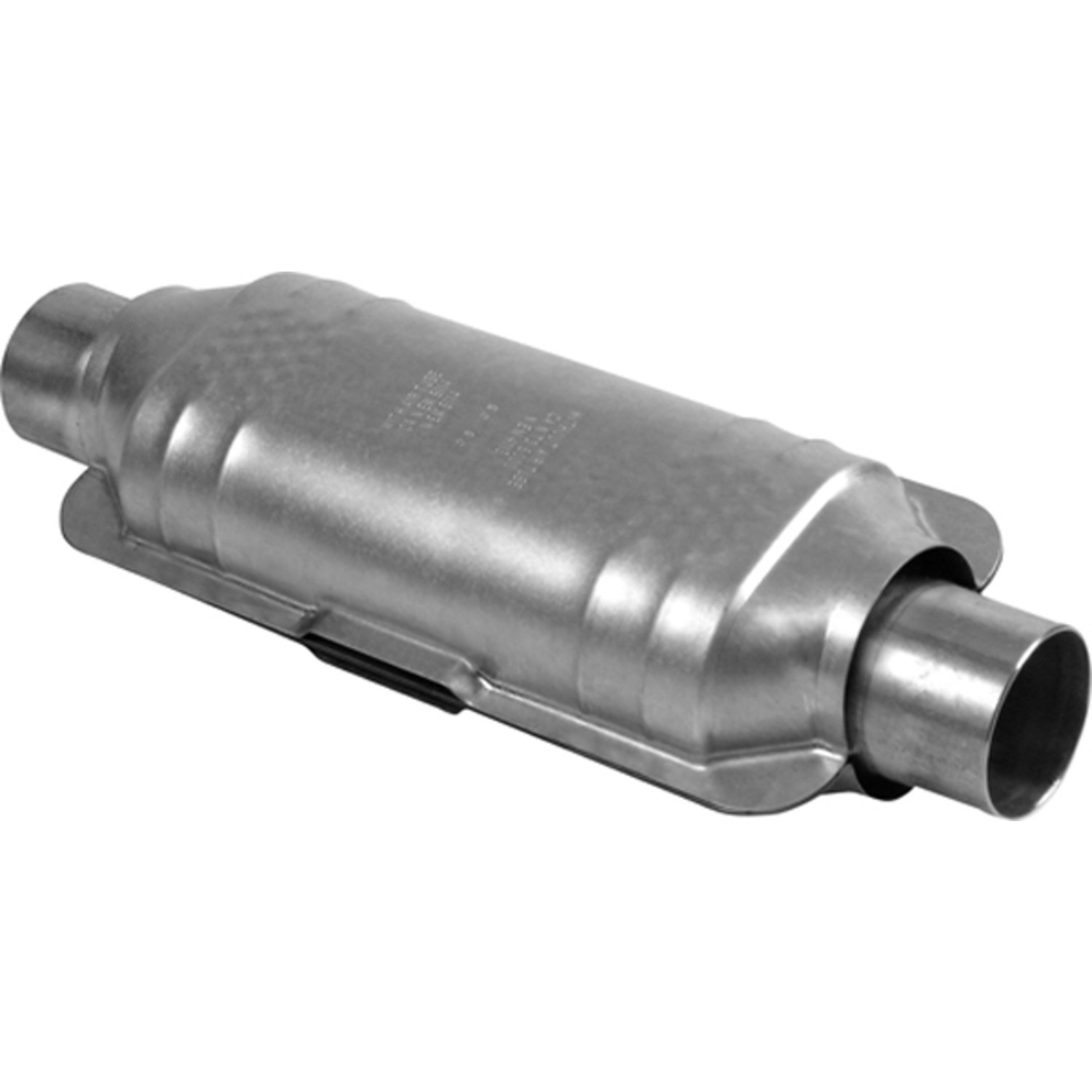
70% of P0421 cases are fixed by replacing the catalytic converter
A faulty downstream oxygen sensor is sending incorrect data to the engine computer, making it think the converter is bad.
20% of P0421 cases are fixed by replacing the downstream oxygen sensor
An exhaust leak allows outside air into the exhaust stream, skewing oxygen sensor readings and falsely indicating a converter issue.
5% of P0421 cases are fixed by repairing an exhaust leak
Persistent engine misfires or rich/lean fuel conditions send unburned fuel or incorrect air/fuel mixtures to the converter, damaging it over time.
5% of P0421 cases are fixed by addressing an underlying engine performance issue
Check These First (Before Buying Parts)
- Listen for any hissing or puffing sounds from the exhaust system, indicating a leak.
- Visually inspect the exhaust pipes and catalytic converter for cracks, holes, or loose connections.
- Check for any other active or pending diagnostic trouble codes (DTCs) that might point to an underlying engine issue.
How to Diagnose P0421
- 1Check for other active diagnostic trouble codes (DTCs) related to misfires, O2 sensors, or fuel trim.
- 2Visually inspect the exhaust system for any leaks, especially around the catalytic converter and oxygen sensors on Bank 1.
- 3Use a scan tool to monitor live data from the upstream (Bank 1 Sensor 1) and downstream (Bank 1 Sensor 2) oxygen sensors. Look for the downstream sensor to mirror the upstream sensor, which indicates a bad converter.
- 4Perform a backpressure test on the catalytic converter to check for internal blockages.
- 5Inspect the catalytic converter for physical damage, rattling sounds, or discoloration.
How Do I Fix P0421 on My Vehicle?
Toyota Camry
2007-2024Camry models, particularly those with 100,000+ miles, frequently experience P0421 due to catalytic converter degradation. Aftermarket converters can sometimes trigger this code again if they are not efficient enough.
75% fixed by replacing catalytic converter
Shop for Toyota CamryHonda Accord
2003-2024Honda Accords, especially 4-cylinder models, are prone to P0421 as they age. It's crucial to check for underlying engine issues like misfires before replacing the converter, as these can damage a new one quickly.
70% fixed by replacing catalytic converter
Shop for Honda AccordFord F-150
2004-2024On Ford F-150s, P0421 can sometimes be linked to persistent misfires or exhaust leaks. Always perform a thorough diagnosis for these issues before condemning the catalytic converter.
65% fixed by replacing catalytic converter
Shop for Ford F-150Frequently Asked Questions
What does P0421 mean?
P0421 indicates that your vehicle's engine computer has detected that the warm-up catalytic converter on Bank 1 is not performing efficiently enough to clean exhaust gases after it has reached operating temperature.
Can I drive with P0421?
Yes, you can drive safely with a P0421 code. However, you should fix it within a few days. Ignoring this code will cause your vehicle to pollute more and can lead to further damage to your exhaust system or engine over time.
Will P0421 clear itself?
No, P0421 will not clear itself. The engine computer will continue to monitor the catalytic converter's efficiency. If the problem persists, the code will remain, and your Check Engine Light will stay on. You need to diagnose and repair the underlying issue.
How do I fix P0421 myself?
Start by checking for exhaust leaks. If no leaks are found, monitor your oxygen sensor data with a scan tool. If the downstream O2 sensor mirrors the upstream sensor, you likely need a new catalytic converter. If the O2 sensor data looks erratic, replacing the downstream oxygen sensor might fix it.
How much does it cost to fix P0421?
DIY costs range from $100 to $800, primarily for a new oxygen sensor or an aftermarket catalytic converter. Professional repair costs range from $250 to $3000, depending on whether it's an O2 sensor, an aftermarket converter, or an OEM catalytic converter.
P0421 keeps coming back - why?
If P0421 keeps returning, it means the root cause was not fully addressed. Common reasons include: an aftermarket catalytic converter that isn't efficient enough, an undiagnosed exhaust leak, or an underlying engine issue (like misfires or fuel system problems) that is damaging the new converter or skewing sensor readings.
Will P0421 fail emissions/smog test?
Yes, P0421 will cause your vehicle to fail an emissions or smog test. This code specifically indicates an emissions system malfunction, and the Check Engine Light being on is an automatic failure in most jurisdictions.
What's the difference between P0421 and P0420?
P0420 indicates 'Catalyst System Efficiency Below Threshold (Bank 1),' referring to the main catalytic converter. P0421 indicates 'Warm Up Catalyst Efficiency Below Threshold (Bank 1),' specifically pointing to the warm-up catalyst. Some vehicles use P0421 for a pre-catalyst or a specific warm-up phase monitoring, while others use P0420 for the overall main catalyst efficiency.
P0421 on Toyota Camry?
P0421 is a common code on older Toyota Camry models, especially those with higher mileage (over 100,000 miles). The most frequent cause is a failing catalytic converter. Less often, it can be a faulty downstream oxygen sensor or an exhaust leak.
Questions to Ask Your Mechanic
Did you check for exhaust leaks before diagnosing the catalytic converter?
Good answer: Yes, I performed a smoke test and visual inspection of the exhaust system and found no leaks.
What were the live data readings for the upstream and downstream oxygen sensors on Bank 1?
Good answer: The upstream sensor was cycling normally, but the downstream sensor was mirroring the upstream sensor's activity, indicating the converter isn't storing oxygen effectively.
Did you check for any underlying engine performance issues like misfires or fuel trim problems?
Good answer: Yes, I scanned for misfire codes and checked fuel trims. Everything looks normal, so the converter failure is likely due to age.
Repair Cost Estimate
DIY Repair
Parts only
$100-$800
Shop Repair
Parts + labor
$250-$3000
Save $150-$2200 by doing it yourself
Difficulty
intermediate
Time
1-4 hours
Intermediate - Requires a scan tool for proper diagnosis and some mechanical skill for exhaust component replacement. Accessing the converter can be challenging on some vehicles.
Cost of Waiting
Ignoring P0421 means your vehicle is releasing more harmful pollutants into the environment. Continued driving with a failing converter can also lead to reduced fuel economy and, in severe cases, a clogged converter can restrict exhaust flow, causing engine damage or overheating. A $100-$800 repair now prevents potential engine issues or failing emissions tests later.
While You're In There...
When replacing a catalytic converter or oxygen sensor, you often need to disconnect exhaust pipes. Replacing old gaskets prevents future exhaust leaks.
If you're replacing the catalytic converter, the downstream O2 sensor is right there. It's a good idea to replace it at the same time, especially if it's old, to ensure accurate readings and prevent a repeat repair.
Tools You'll Need
- OBD-II Scan Tool (with live data capability)
- Basic Socket Set
- Wrenches
- Oxygen Sensor Socket (if replacing O2 sensor)
- Jack and Jack Stands (for exhaust work)
- Penetrating Oil
Related Codes
Your catalytic converter on Bank 1 isn't cleaning exhaust gases as effectively as it should be.
Your engine is experiencing misfires on multiple or random cylinders.
Your engine's computer detected that cylinder 1 is not firing correctly.
The engine's computer detects that the air-fuel mixture in Bank 1 is too lean, meaning there's too much air or not enough fuel.
Your engine's computer detects that the fuel system on Bank 1 is running too rich, meaning there's too much fuel and not enough air in the exhaust.
Your engine computer detects that the downstream oxygen sensor (Bank 1 Sensor 2) is reporting consistently low voltage, indicating a problem with its circuit or the sensor itself.
Your engine computer detected that the downstream oxygen sensor (Bank 1 Sensor 2) is sending a consistently high voltage signal, indicating too much oxygen in the exhaust or a sensor malfunction.
Your engine computer isn't getting a signal from the oxygen sensor located after the catalytic converter on the first bank of cylinders.
P0421 is a very common emissions code, especially on older vehicles. While a catalytic converter replacement can be costly, it's a straightforward repair that will restore your vehicle's emissions performance and fuel economy.
- Family-owned since 1957
- 990,000+ happy customers
- Fast nationwide shipping
- Easy returns
Your Next Steps
Step 1: Use an OBD-II scan tool to check for any other codes and monitor live data from your Bank 1 oxygen sensors. Look for the downstream sensor to mimic the upstream sensor's waveform.
Step 2: If O2 sensor data confirms a bad converter and there are no other engine issues or exhaust leaks, prepare to replace the Bank 1 catalytic converter.
Step 3: Parts you'll likely need: A new catalytic converter for Bank 1, exhaust gaskets, and potentially a new downstream oxygen sensor.