P0324 Code
Fix within a few daysEngine Knock Control System Malfunction
What Does P0324 Mean?
Code P0324 means your engine's knock control system has a malfunction. Common causes: Faulty knock sensor (60%), wiring issues (25%), actual engine knock (10%). Drivability: Limit driving, fix within a few days. Repair cost: $100-$400 DIY, $200-$900 professional.
Can I Drive With P0324?
Limit driving, fix within a few days
Essential trips under 10 miles, avoid highways and heavy acceleration. The engine computer will reduce power to protect the engine, but the risk of damage is present.
Stop driving immediately if: Loud knocking noises, significant power loss, or a flashing Check Engine Light (indicating severe misfires or engine damage).
What Are the Symptoms of P0324?
- 1Check Engine Light is on
- 2Reduced engine power or acceleration
- 3Engine pinging or knocking noises (especially under load)
- 4Poor fuel economy
- 5Engine running rough or hesitating
What Causes P0324?
Parts most likely causing this code, ranked by probability
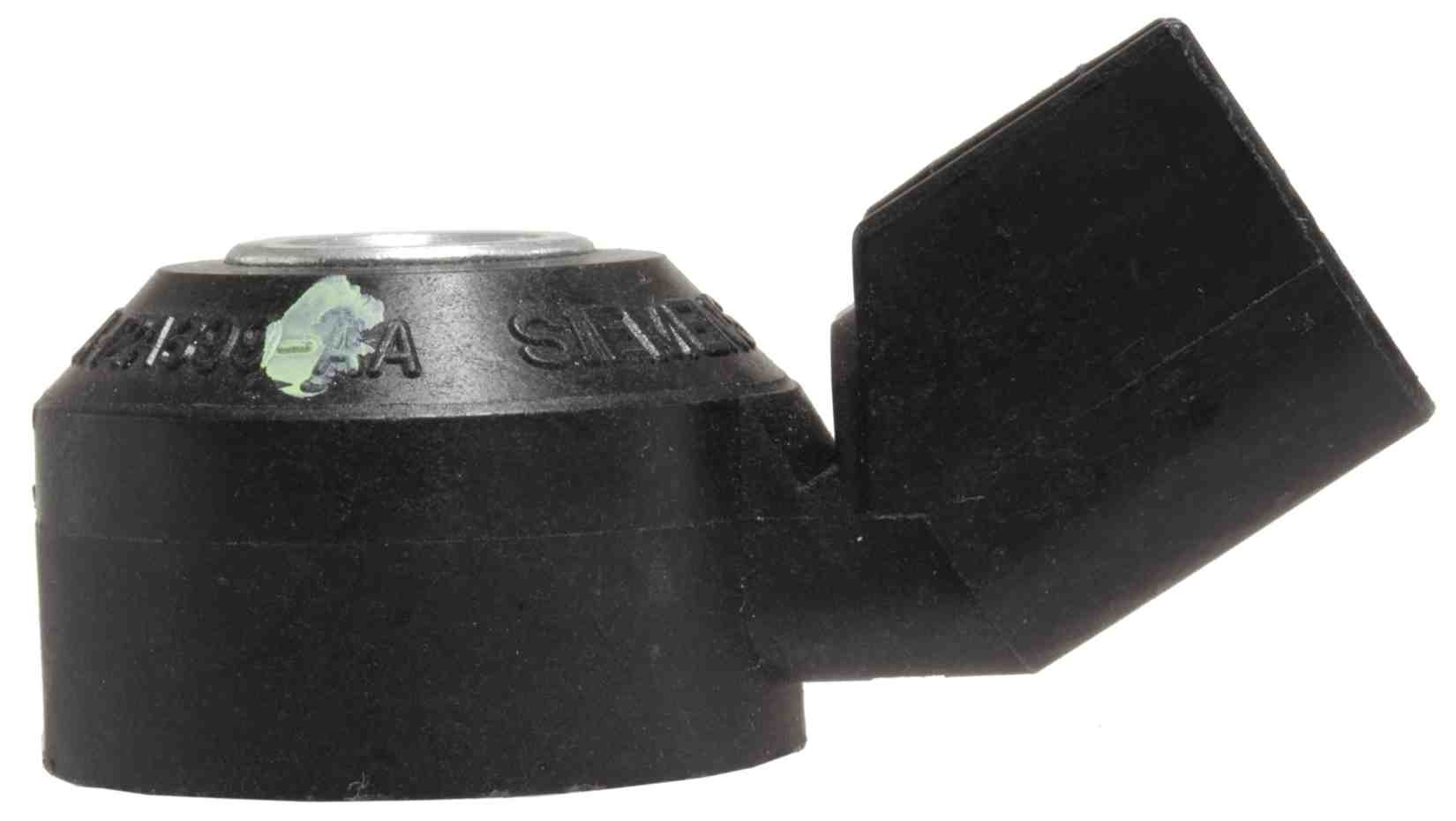
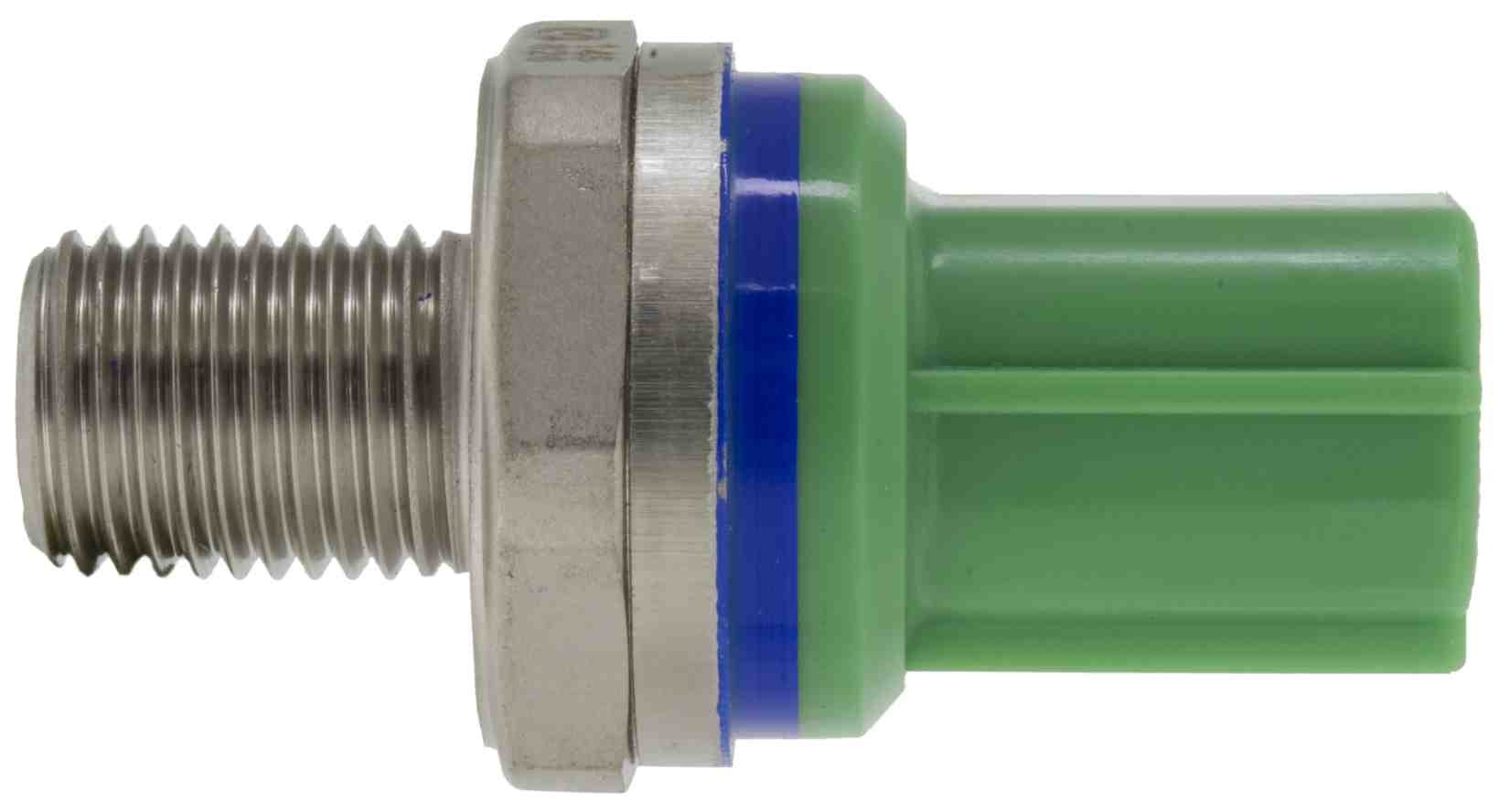
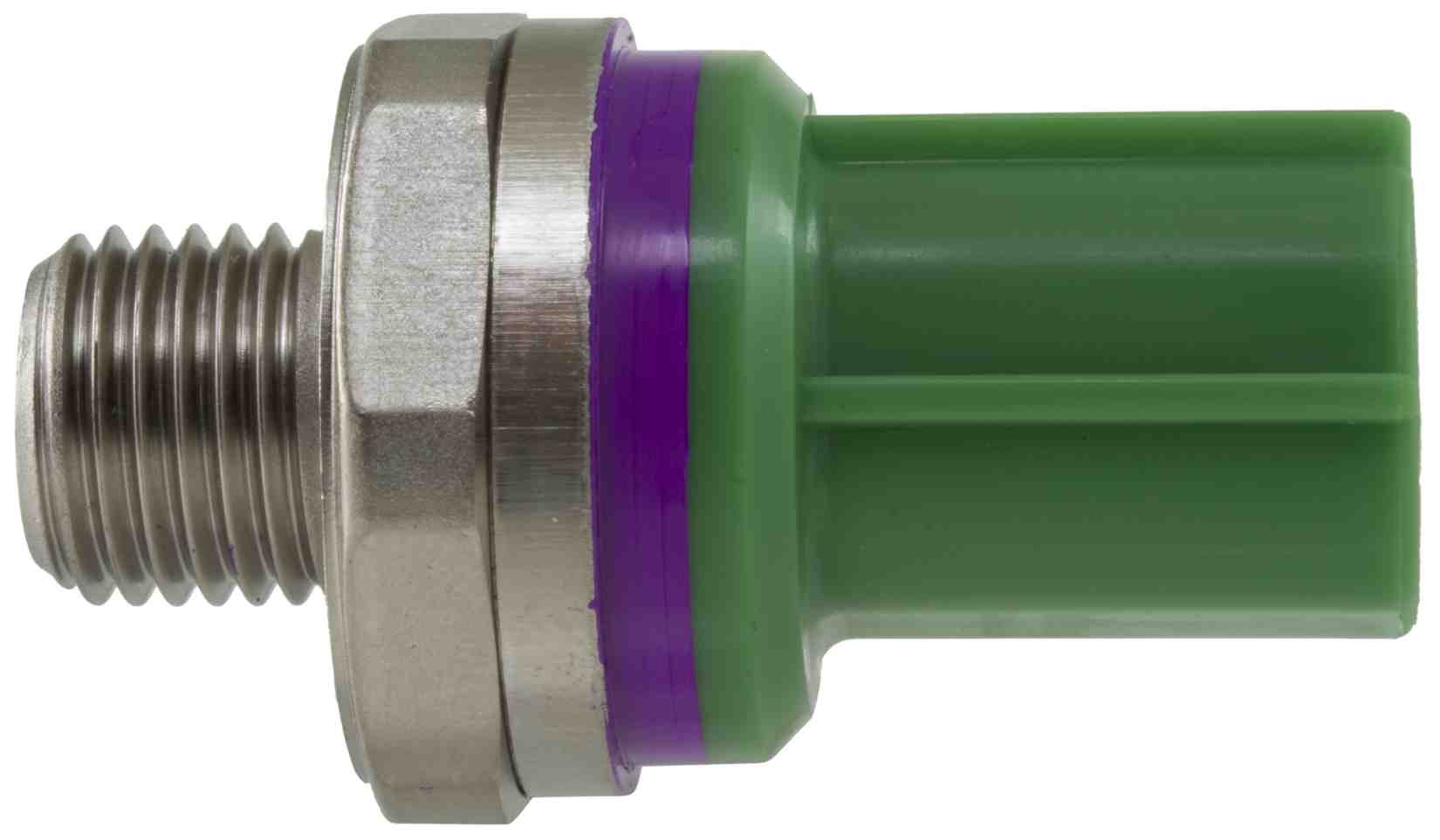
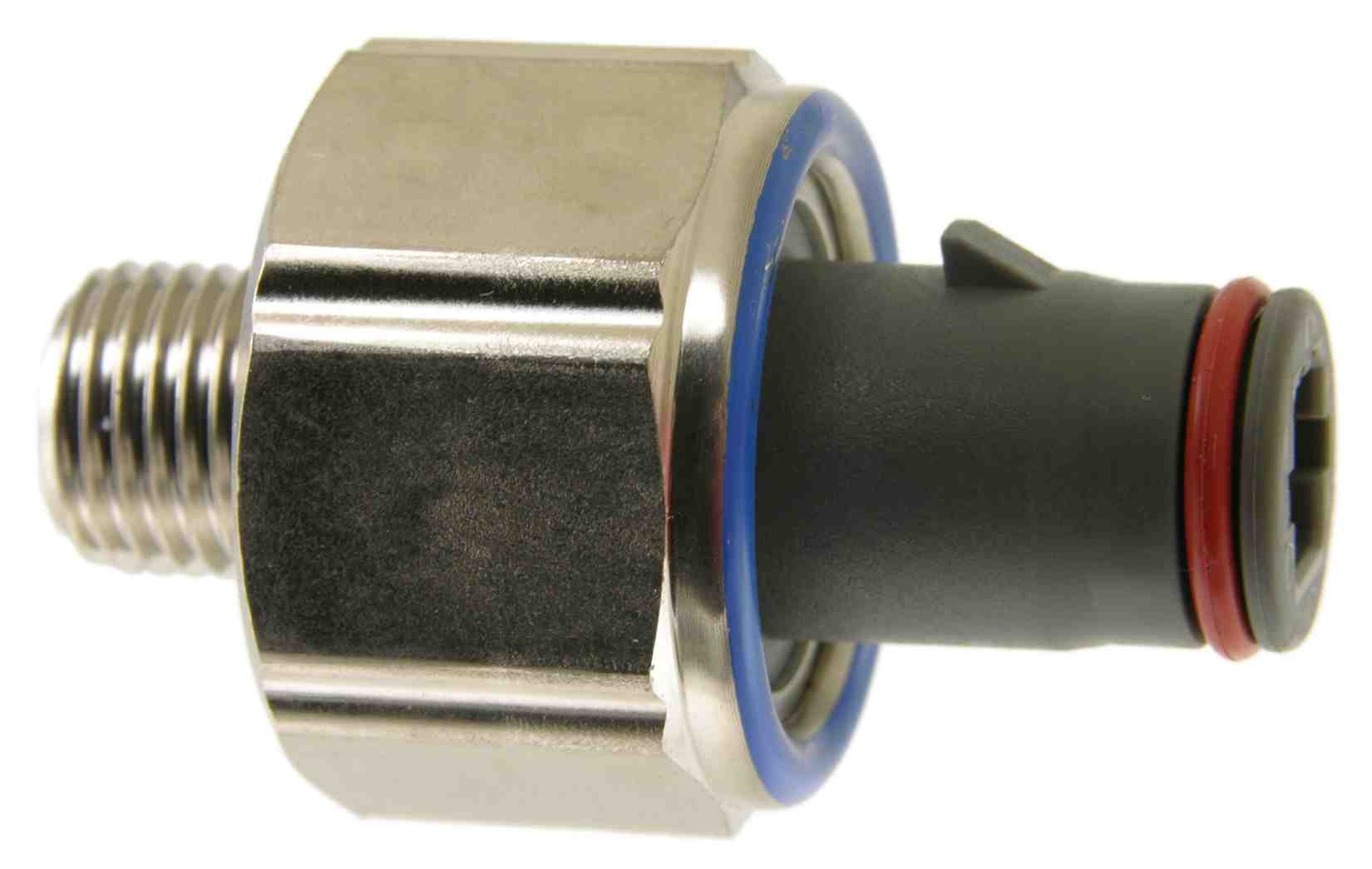
The knock sensor itself is faulty, sending incorrect or no signal to the engine computer.
60% of P0324 cases are fixed by replacing the knock sensor
Damaged, corroded, or loose wiring and connectors prevent the knock sensor signal from reaching the engine computer correctly.
25% of P0324 cases are fixed by repairing wiring or connectors
The engine is genuinely knocking due to issues like low-octane fuel, carbon buildup, or incorrect ignition timing, overwhelming the knock control system.
10% of P0324 cases are fixed by addressing underlying engine knock
A rare internal fault within the engine computer prevents it from properly processing the knock sensor signal.
5% of P0324 cases are fixed by replacing the ECM/PCM
Check These First (Before Buying Parts)
- Visually inspect the knock sensor's wiring harness for any obvious cuts, fraying, or signs of rodent damage.
- Ensure the knock sensor connector is fully seated and free of corrosion. Disconnect and reconnect it to ensure a good connection.
How to Diagnose P0324
- 1Connect an OBD-II scanner to confirm P0324 and check for other related codes.
- 2Visually inspect the knock sensor and its wiring harness for any signs of damage, fraying, or corrosion.
- 3Check the knock sensor connector for secure fitment and clean pins.
- 4Use a multimeter to test the knock sensor's resistance and voltage output (refer to service manual specifications).
- 5Listen for actual engine knocking noises, especially under acceleration, which could indicate an underlying mechanical issue.
- 6If no obvious sensor or wiring fault is found, consider advanced diagnostics for engine timing, fuel quality, or carbon buildup.
How Do I Fix P0324 on My Vehicle?
Toyota Camry
2007-2024Knock sensors on V6 Camry engines are often located under the intake manifold, making replacement a labor-intensive job. Thoroughly check wiring before disassembly.
80% fixed by replacing sensor or repairing wiring
Shop for Toyota CamryHonda Accord
2003-2024Similar to Toyota, some Honda V6 Accord engines have knock sensors in difficult-to-access locations. Ensure proper torque when reinstalling to prevent future issues.
75% fixed by replacing sensor or repairing wiring
Shop for Honda AccordFord F-150
2004-2024On Ford F-150s, knock sensor issues can sometimes be linked to carbon buildup or using lower octane fuel than recommended, leading to actual engine knock.
70% fixed by replacing sensor or addressing engine knock
Shop for Ford F-150Frequently Asked Questions
What does P0324 mean?
P0324 indicates that your vehicle's engine computer has detected a malfunction in the knock control system. This system is critical for detecting and preventing engine damaging pre-ignition or detonation.
Can I drive with P0324?
Limit driving, fix within a few days. Your engine's computer will likely reduce power to protect the engine, but continued driving with an active knock control issue risks serious internal engine damage.
Will P0324 clear itself?
No, P0324 will not clear itself. This code indicates a persistent fault in a critical engine protection system. The underlying issue must be diagnosed and repaired before the code will clear, either automatically after several drive cycles or by using an OBD-II scanner.
How do I fix P0324 myself?
Start by inspecting the knock sensor and its wiring for damage. If the sensor is accessible, you can test its resistance with a multimeter. If it's faulty, replacing the knock sensor is the most common fix. Ensure you use the correct torque specifications for installation.
How much does it cost to fix P0324?
DIY repair costs for P0324 typically range from $100 to $400, primarily for a new knock sensor. Professional repair costs can range from $200 to $900, depending on labor rates and sensor accessibility, especially if it's located under the intake manifold.
P0324 keeps coming back - why?
If P0324 keeps returning, it indicates the root cause was not fully addressed. This could be due to a persistent wiring issue, an underlying mechanical engine knock that was not resolved, or a rare ECM/PCM fault. A thorough diagnostic is needed to pinpoint the actual problem.
Will P0324 fail emissions/smog test?
Yes, P0324 will cause your vehicle to fail an emissions or smog test. The Check Engine Light being on is an automatic failure in most jurisdictions, and a fault in the knock control system directly impacts engine efficiency and emissions.
What's the difference between P0324 and P0325?
P0324 indicates a general malfunction in the knock control system, meaning the ECM detects an overall issue with its ability to manage knock. P0325 specifically points to a fault in the Knock Sensor 1 circuit (Bank 1 or single sensor), indicating a problem with the sensor's electrical signal.
P0324 on Toyota Camry
On many Toyota Camry models, especially V6 engines, the knock sensors are located under the intake manifold. This significantly increases labor time and cost for replacement. Always inspect wiring thoroughly before committing to a sensor replacement on these models.
Questions to Ask Your Mechanic
Did you check the knock sensor's live data readings and compare them to specifications?
Good answer: Yes, the sensor was showing erratic voltage (or no voltage) when it should have been within X-Y volts, indicating a fault with the sensor itself or its circuit.
What did you find when inspecting the knock sensor wiring harness and connector?
Good answer: I found corrosion on pin X of the connector (or a frayed wire near the sensor), which I repaired. The signal is now stable.
Did you rule out actual engine knock as the cause?
Good answer: Yes, I checked for carbon buildup, proper fuel pressure, and ignition timing. The engine is not physically knocking; the issue is with the sensor's ability to report correctly.
Repair Cost Estimate
DIY Repair
Parts only
$100-$400
Shop Repair
Parts + labor
$200-$900
Save $100-$500 by doing it yourself
Difficulty
intermediate
Time
1-4 hours
Intermediate - requires an OBD-II scanner, multimeter, and potentially some mechanical skill if the sensor is difficult to access.
Cost of Waiting
Ignoring P0324 can lead to severe and expensive internal engine damage. The knock control system protects your engine from detonation, which can destroy pistons, connecting rods, and cylinder heads. A $100-$400 sensor replacement now prevents a $3,000-$7,000 engine rebuild or replacement later.
While You're In There...
If the knock sensor is located under the intake manifold, these gaskets must be replaced whenever the manifold is removed to prevent vacuum leaks.
Old or incorrect spark plugs can contribute to engine knock. If you're already working on the engine, it's a good time to inspect or replace them.
Tools You'll Need
- OBD-II scanner
- Socket wrench set
- Torque wrench
- Multimeter (for testing sensor)
- Wire strippers/crimpers (if wiring repair needed)
- Pliers
- Screwdrivers
Related Codes
Your engine's computer detected a problem with the knock sensor circuit on Bank 1 (or the single knock sensor if your engine only has one). The knock sensor detects engine knocking or pinging and tells the computer to adjust ignition timing to prevent damage.
Your engine's knock sensor isn't reporting correctly, meaning it's sending a signal that's outside its normal operating range.
The engine computer detects a voltage signal from the knock sensor that is too low, indicating a problem with the sensor or its circuit.
Knock Sensor 1 Circuit High Input (Bank 1 or Single Sensor) means your engine's computer is receiving a voltage signal from the knock sensor that is too high, indicating a problem with the sensor or its circuit. The knock sensor listens for engine 'pinging' or 'knocking' (detonation) and tells the computer to adjust timing to prevent damage.
Knock Sensor 2 Circuit Intermittent (Bank 1 or Single Sensor)
P0324 is a serious code because it relates to engine protection, but the most common fix is replacing a faulty knock sensor. Addressing this promptly will prevent much larger engine problems.
- Family-owned since 1957
- 990,000+ happy customers
- Fast nationwide shipping
- Easy returns
Your Next Steps
Step 1: Use an OBD-II scanner to confirm P0324 and check for any other related codes. Clear the code and see if it immediately returns.
Step 2: Visually inspect the knock sensor and its wiring. Look for any damage, corrosion, or loose connections. Repair any wiring issues found.
Step 3: If wiring is good, test the knock sensor's resistance and voltage output with a multimeter. If it fails the test, replace the knock sensor. If the sensor is difficult to access (e.g., under the intake manifold), consider professional help.