P0331 Code
Fix within a few daysYour engine's knock sensor on Bank 2 isn't sending a correct signal to the computer, or the signal is out of expected range.
What Does P0331 Mean?
Code P0331 means your engine's knock sensor on Bank 2 isn't working right. Common causes: Faulty knock sensor (70%), wiring issues (25%). Drivability: Yes, but fix within days. Repair cost: $50-$150 DIY, $250-$750 professional.
Can I Drive With P0331?
Yes, for short trips only
Essential trips under 10 miles, avoid highways and heavy acceleration. Engine protection is compromised.
Stop driving immediately if: Loud engine knocking, significant power loss, or any other new warning lights illuminate.
Save $100-$700 by fixing it yourself
What Are the Symptoms of P0331?
- 1Check Engine Light is on
- 2Reduced engine power or acceleration
- 3Poor fuel economy
- 4Engine knocking or pinging sounds (less common, as the sensor is supposed to prevent this)
- 5Rough idle or hesitation
What Causes P0331?
Parts most likely causing this code, ranked by probability
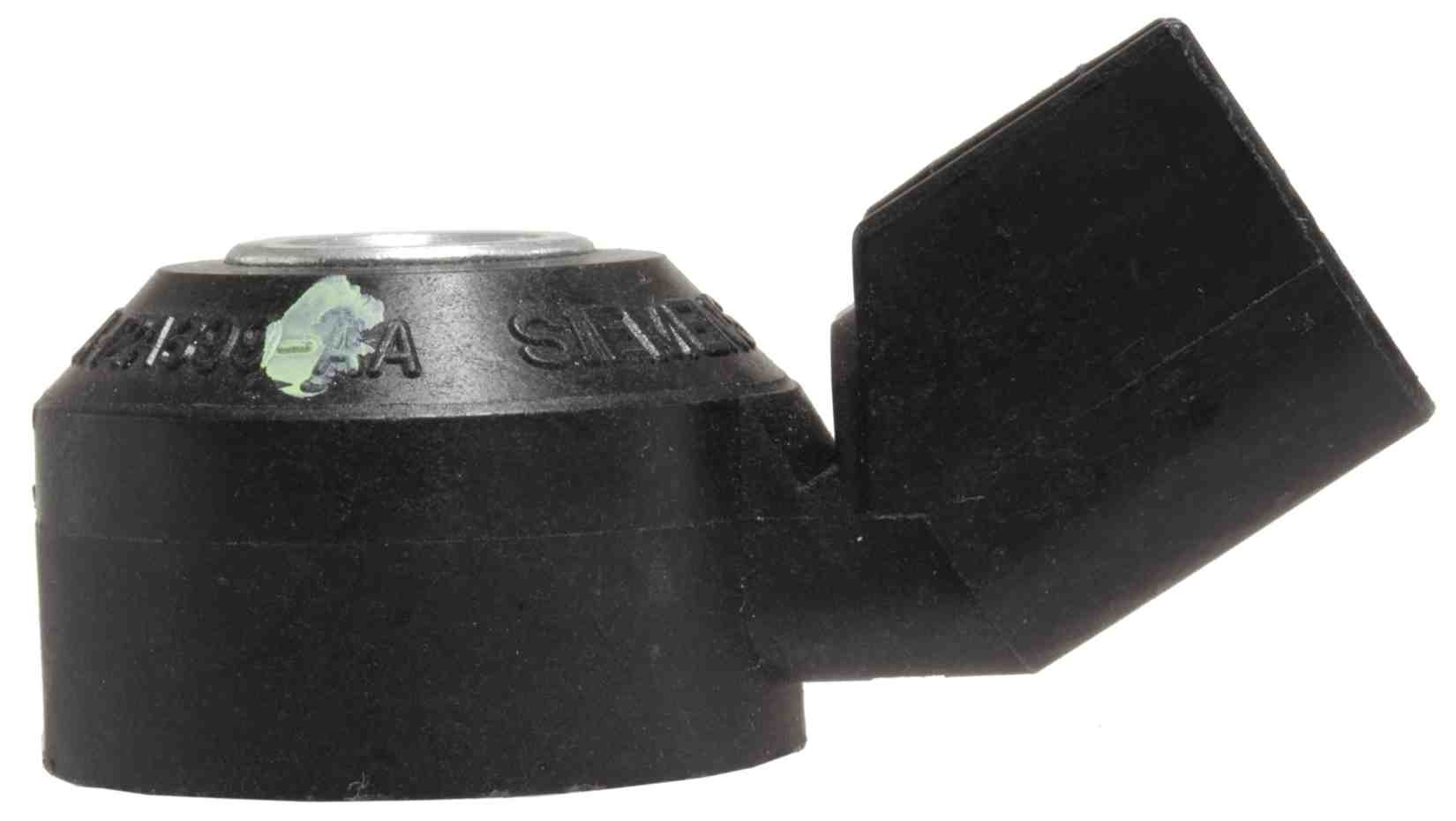
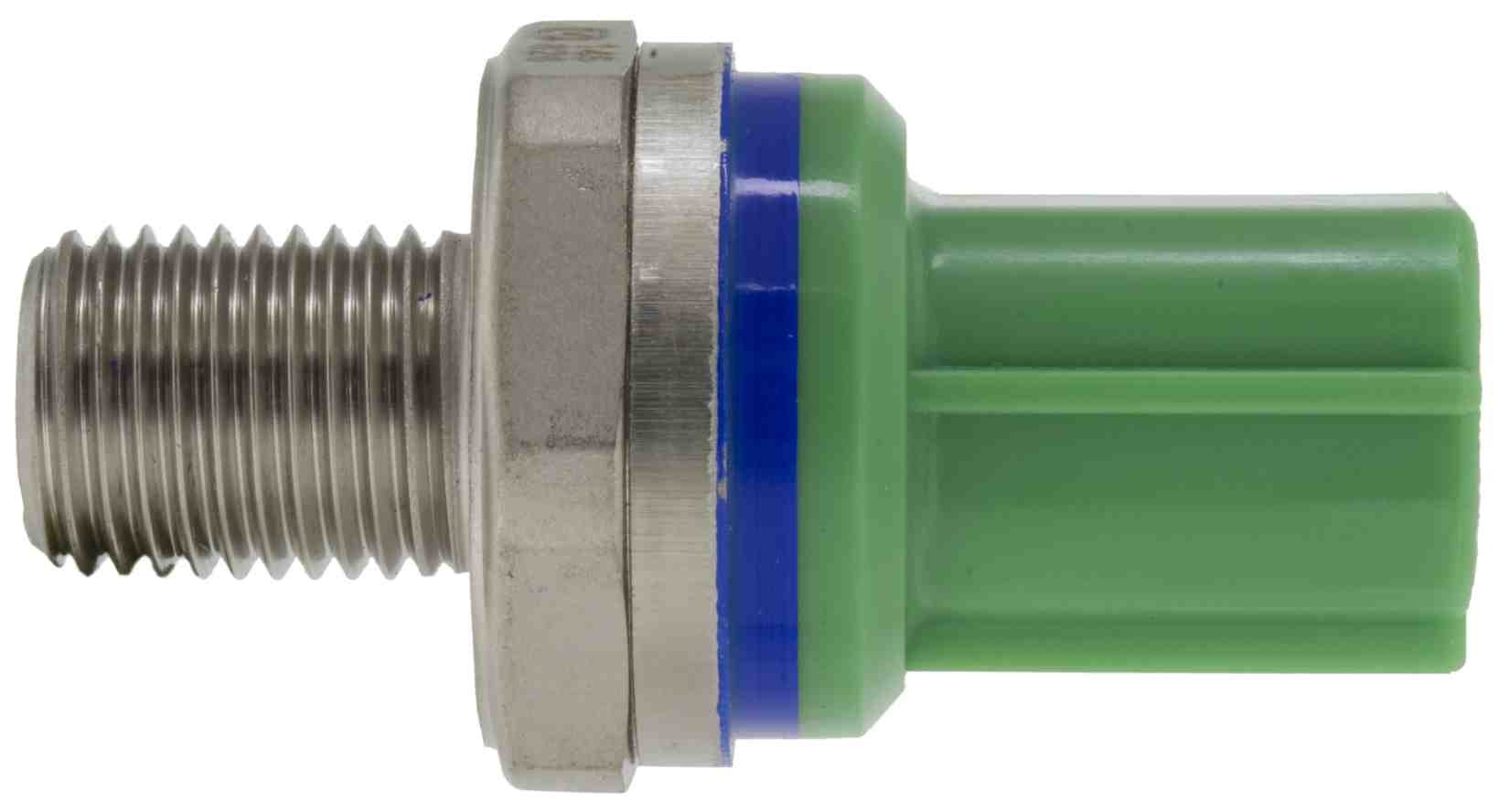
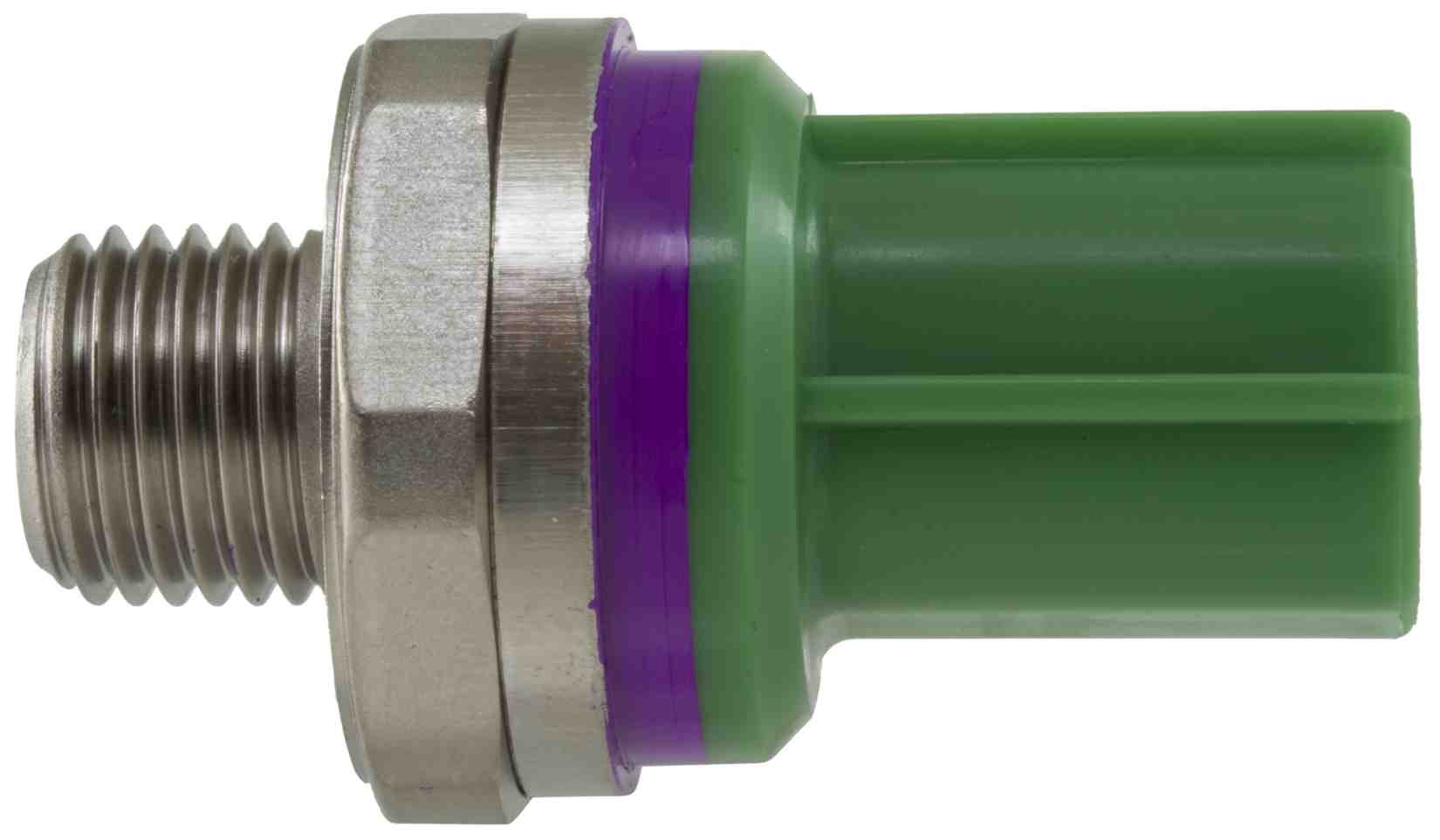
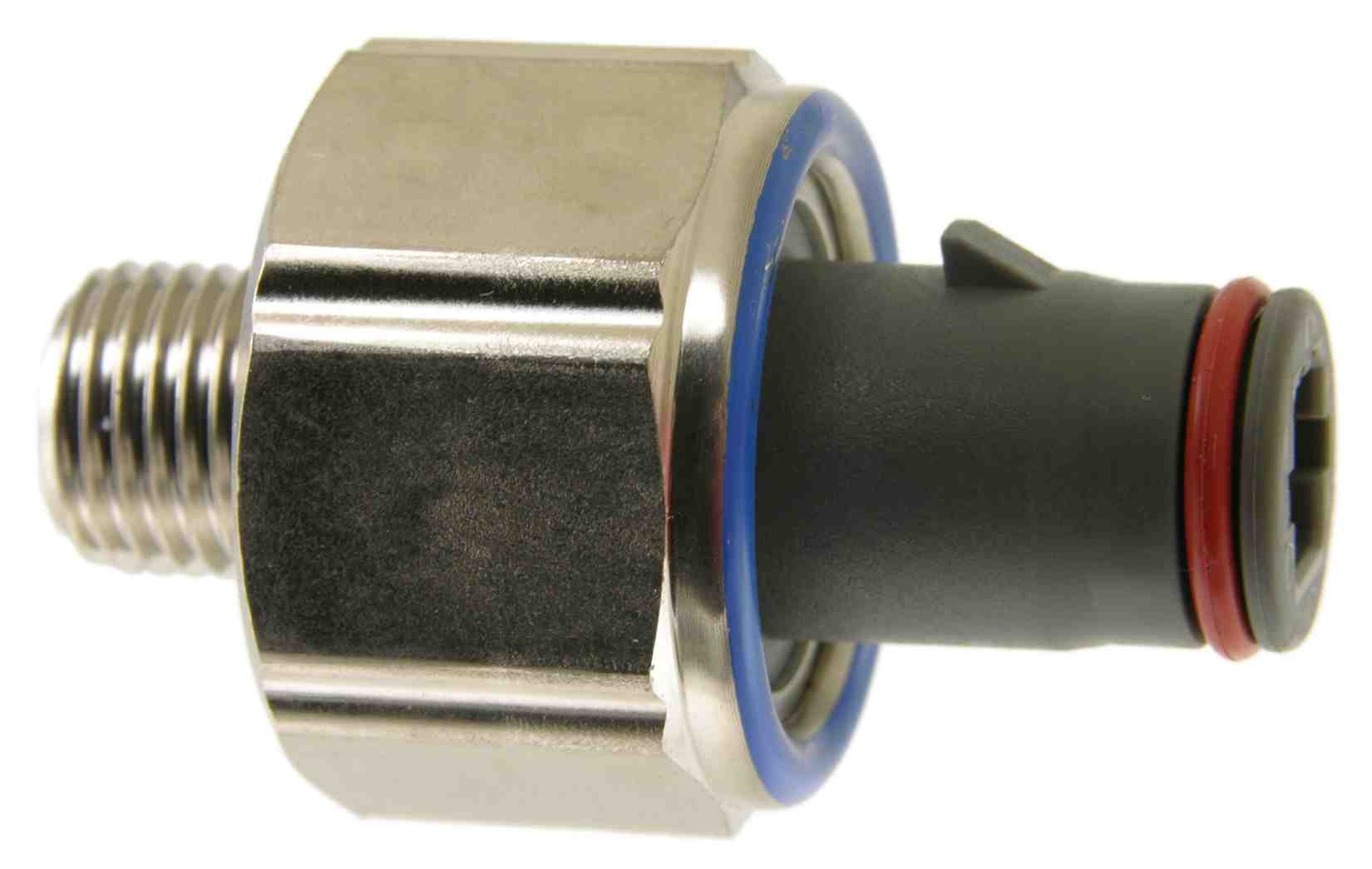
The knock sensor itself has failed internally, preventing it from accurately detecting engine vibrations or sending a proper signal.
70% of P0331 cases are fixed by replacing this part
Damaged, corroded, or loose wiring and connectors to the knock sensor can interrupt the signal to the engine computer.
25% of P0331 cases are fixed by repairing wiring or connectors
A faulty engine computer can incorrectly interpret the knock sensor signal or fail to provide the correct reference voltage.
5% of P0331 cases are fixed by replacing the ECM/PCM
Check These First (Before Buying Parts)
- Visually inspect the knock sensor's wiring harness and connector for any obvious damage, fraying, or corrosion.
- Ensure all engine grounds are clean and tight, as poor grounds can affect sensor signals.
How to Diagnose P0331
- 1Connect an OBD-II scanner to confirm P0331 and check for other related codes.
- 2Visually inspect the knock sensor's wiring harness and connector for any signs of damage, corrosion, or looseness.
- 3Locate Knock Sensor 2 (Bank 2) – this is typically on the cylinder bank that does not contain cylinder #1, often under the intake manifold.
- 4Using a multimeter, test the resistance of the knock sensor and check for proper voltage signals according to your vehicle's service manual.
- 5If the sensor and wiring test good, consider professional diagnosis for potential ECM issues.
How Do I Fix P0331 on My Vehicle?
Toyota Camry
2007-2024On V6 models, the knock sensors are often located under the intake manifold, requiring significant disassembly for access. The wiring harness to the sensors can also become brittle and fail.
80% fixed by replacing sensor or repairing wiring
Shop for Toyota CamryHonda Accord
2003-2024V6 Accord engines often have knock sensors positioned under the intake manifold, making them challenging to reach. Inspect the harness carefully for rodent damage or corrosion.
75% fixed by replacing sensor or repairing wiring
Shop for Honda AccordFord F-150
2004-2024On V8 F-150 engines, knock sensors can be found under the intake manifold. Pay close attention to the sensor's pigtail connector and the main harness for signs of wear or damage.
78% fixed by replacing sensor or repairing wiring
Shop for Ford F-150Frequently Asked Questions
What does P0331 mean?
P0331 indicates that your vehicle's engine computer has detected an issue with the knock sensor circuit on Bank 2. This means the sensor is not sending a signal, or the signal is outside the expected range, preventing the computer from accurately detecting engine knocking.
Can I drive with P0331?
Yes, you can drive with P0331, but limit driving to essential trips and fix it within a few days. Your engine's computer will likely reduce power and fuel economy to protect the engine, but it cannot fully compensate for a non-functioning knock sensor.
Will P0331 clear itself?
No, P0331 will not clear itself. The Check Engine Light will remain on until the underlying issue with the knock sensor or its circuit is repaired and the code is manually cleared with an OBD-II scanner, or after several drive cycles if the fault is no longer detected.
How do I fix P0331 myself?
Start by inspecting the knock sensor's wiring and connector for damage. If they look good, you'll likely need to replace the knock sensor itself. This often involves removing the intake manifold, so be prepared for a more involved repair.
How much does it cost to fix P0331?
A DIY fix for P0331 typically costs $50-$150 for the knock sensor part. If you take it to a shop, expect to pay $250-$750, with the higher end for vehicles where the sensor is difficult to access (e.g., under the intake manifold).
P0331 keeps coming back - why?
If P0331 keeps returning, it's often due to a persistent wiring issue that wasn't fully resolved, a faulty replacement knock sensor, or an underlying mechanical problem causing actual engine knocking that the new sensor is correctly detecting. In rare cases, the ECM could be at fault.
Will P0331 fail emissions/smog test?
Yes, P0331 will cause your vehicle to fail an emissions or smog test. A Check Engine Light being on, regardless of the code, is an automatic failure in states with such inspections.
What's the difference between P0331 and P0325?
P0331 specifically refers to a circuit range/performance issue with Knock Sensor 2, which is located on Bank 2 of the engine (the side without cylinder #1). P0325 refers to a similar circuit issue but for Knock Sensor 1, located on Bank 1 (the side with cylinder #1).
P0331 on Toyota Camry?
On many V6 Toyota Camry models, the knock sensors are located under the intake manifold, making replacement a labor-intensive job. It's common for the wiring harness to become brittle over time, leading to P0331 or P0325 codes.
Questions to Ask Your Mechanic
Did you test the resistance and voltage of the knock sensor circuit, not just replace the sensor?
Good answer: Yes, we used a multimeter to check the sensor's internal resistance and confirmed the reference voltage from the ECM. We also checked for continuity in the wiring harness.
What did you find regarding the condition of the wiring harness to the knock sensor?
Good answer: The wiring harness showed signs of [corrosion/chafing/brittleness] near the connector, which we repaired/replaced along with the sensor.
Repair Cost Estimate
DIY Repair
Parts only
$50-$150
Shop Repair
Parts + labor
$250-$750
Save $200-$600 by doing it yourself
Difficulty
intermediate
Time
2-5 hours
Intermediate - requires specific tools and mechanical aptitude, especially if the intake manifold needs to be removed.
Cost of Waiting
Ignoring P0331 means your engine loses a critical defense against damaging pre-ignition or detonation. This can lead to severe internal engine damage, turning a $100 sensor replacement into a $3,000-$5,000 engine rebuild.
While You're In There...
If the knock sensor is under the intake manifold, these gaskets must be replaced when the manifold is removed to prevent vacuum leaks.
If your spark plugs are due for replacement and are easily accessible once the intake manifold is off, it makes sense to replace them to avoid future labor.
Tools You'll Need
- OBD-II scanner
- Multimeter
- Socket set (metric/SAE, depending on vehicle)
- Torque wrench
- Gasket scraper
- Shop rags
- Flashlight/work light
- Pliers
- Wire brush (for cleaning surfaces)
Related Codes
Your engine's computer detected a problem with the knock sensor circuit on Bank 1 (or the single knock sensor if your engine only has one). The knock sensor detects engine knocking or pinging and tells the computer to adjust ignition timing to prevent damage.
Your engine's knock sensor isn't reporting correctly, meaning it's sending a signal that's outside its normal operating range.
The engine computer detects a voltage signal from the knock sensor that is too low, indicating a problem with the sensor or its circuit.
Knock Sensor 1 Circuit High Input (Bank 1 or Single Sensor) means your engine's computer is receiving a voltage signal from the knock sensor that is too high, indicating a problem with the sensor or its circuit. The knock sensor listens for engine 'pinging' or 'knocking' (detonation) and tells the computer to adjust timing to prevent damage.
Knock Sensor 2 Circuit Intermittent (Bank 1 or Single Sensor)
Your engine is experiencing misfires on multiple or random cylinders.
While P0331 can seem daunting due to sensor location, it's a common issue. Most repairs involve replacing the sensor and your engine will regain its full protection and performance afterward.
- Family-owned since 1957
- 990,000+ happy customers
- Fast nationwide shipping
- Easy returns
Your Next Steps
Step 1: Use an OBD-II scanner to confirm P0331 and check for any other related codes. Clear the code and see if it immediately returns.
Step 2: Carefully inspect the wiring harness and connector leading to Knock Sensor 2 (Bank 2) for any signs of damage, corrosion, or a loose connection. Repair as needed.
Step 3: If wiring is good, prepare to replace Knock Sensor 2. This often involves removing the intake manifold, so gather new intake manifold gaskets and be ready for a more involved repair.